
Heat Pump Repair in Wisconsin
Electricity costs homes more in Wisconsin than in 35 of the other 49 states.
Tell us about the job
Takes about a minute. No obligation.
- 14°Fwinter overnight low where people live
- 9 monthsof heat, September through May
- 79°Fsummer afternoon high where people live
- 3 monthsof cooling, June through August
Nine months of heat a year adds up Most failures still trace to one worn part
- Southern counties need about 32% more cooling than northern ones
- Winter nights average 14°F where people live
- Summer afternoons average 79°F where people live
- Heat runs September through May
- Cooling runs June through August
- 1,914 winter storms from 2015 to 2024


- Heat restored on the side that's actually failing, not a thermostat reset that quits by morning
- A straight answer on whether the reversing valve is stuck between heating and cooling
- The outdoor coil checked for the ice that blocks it from pulling in any warmth
- Refrigerant charge brought back to what the system needs, so it stops running nonstop
- Defrost control checked, so the unit actually thaws instead of icing over again
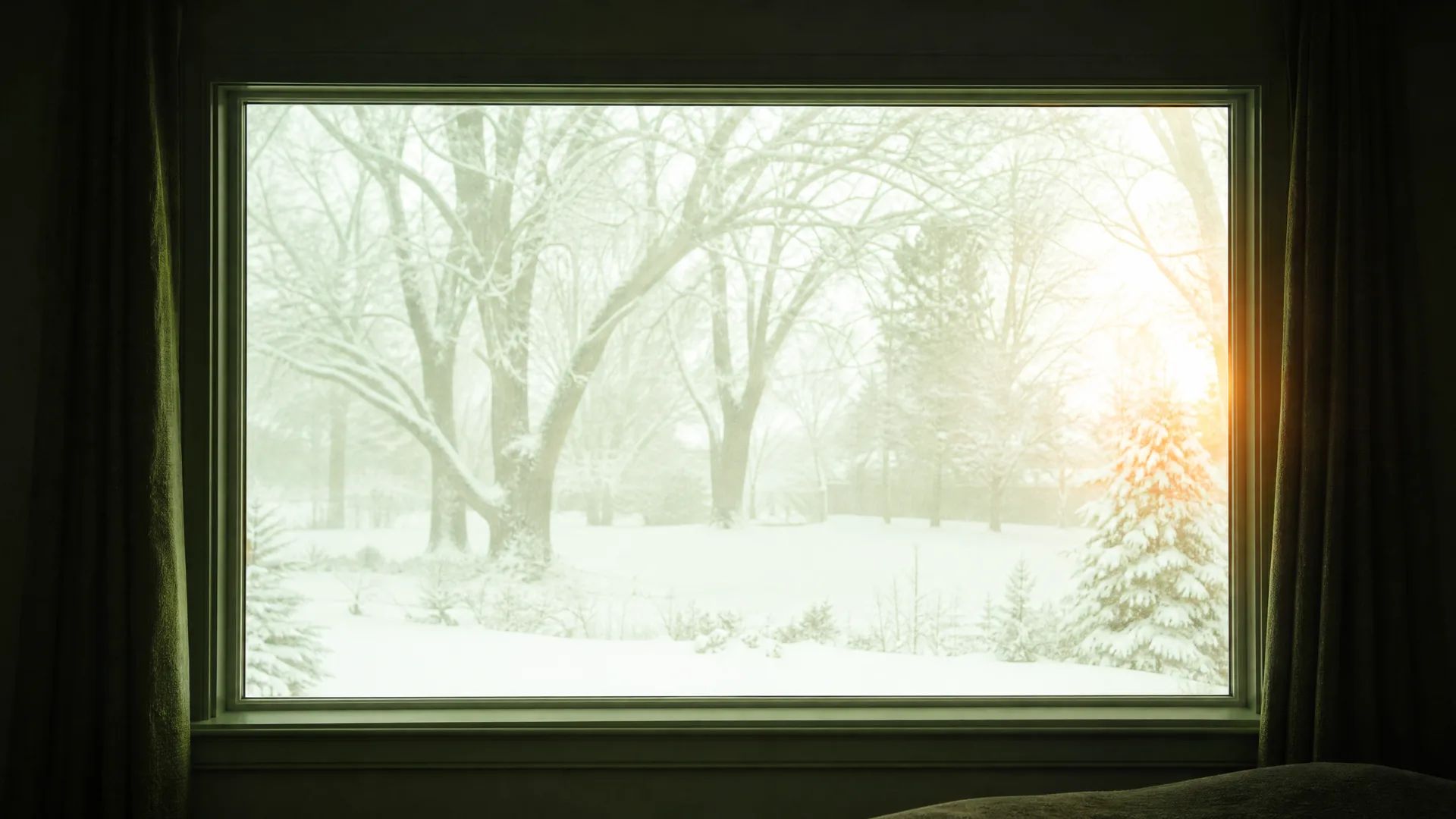
Wisconsin homes paid 17.18 cents per kilowatthour in 2024, more than in 35 other states. A heat pump that's short on charge or stuck in the wrong mode runs long hours trying to hit the thermostat setting, and every one of those hours gets billed at that rate.
Homes here that run air conditioning used an average of 3.3 million Btu (British thermal units, a measure of heat) of electricity for it in 2020, and the heat pump carries the load the rest of the year too. A unit icing over or short cycling isn't just failing to heat the house. It's pulling power the whole time it struggles.
The first cold week finds what summer didn't
Heat runs here from September through May, so the heat pump is working nine months of the year with one short break in summer. August is the last easy month before the load picks up, and that first cold snap in September is when a weak part finally gets tested. A capacitor or a contactor that was borderline all summer often doesn't show it until the system has to run long hours in the cold. The same goes for low refrigerant charge or a defrost control that's been sticking. It can look fine during a mild week and then fail outright once the outdoor coil has to work for real. That's why a problem showing up right as the weather turns isn't bad luck. It's the part that was already weak finally getting found out.
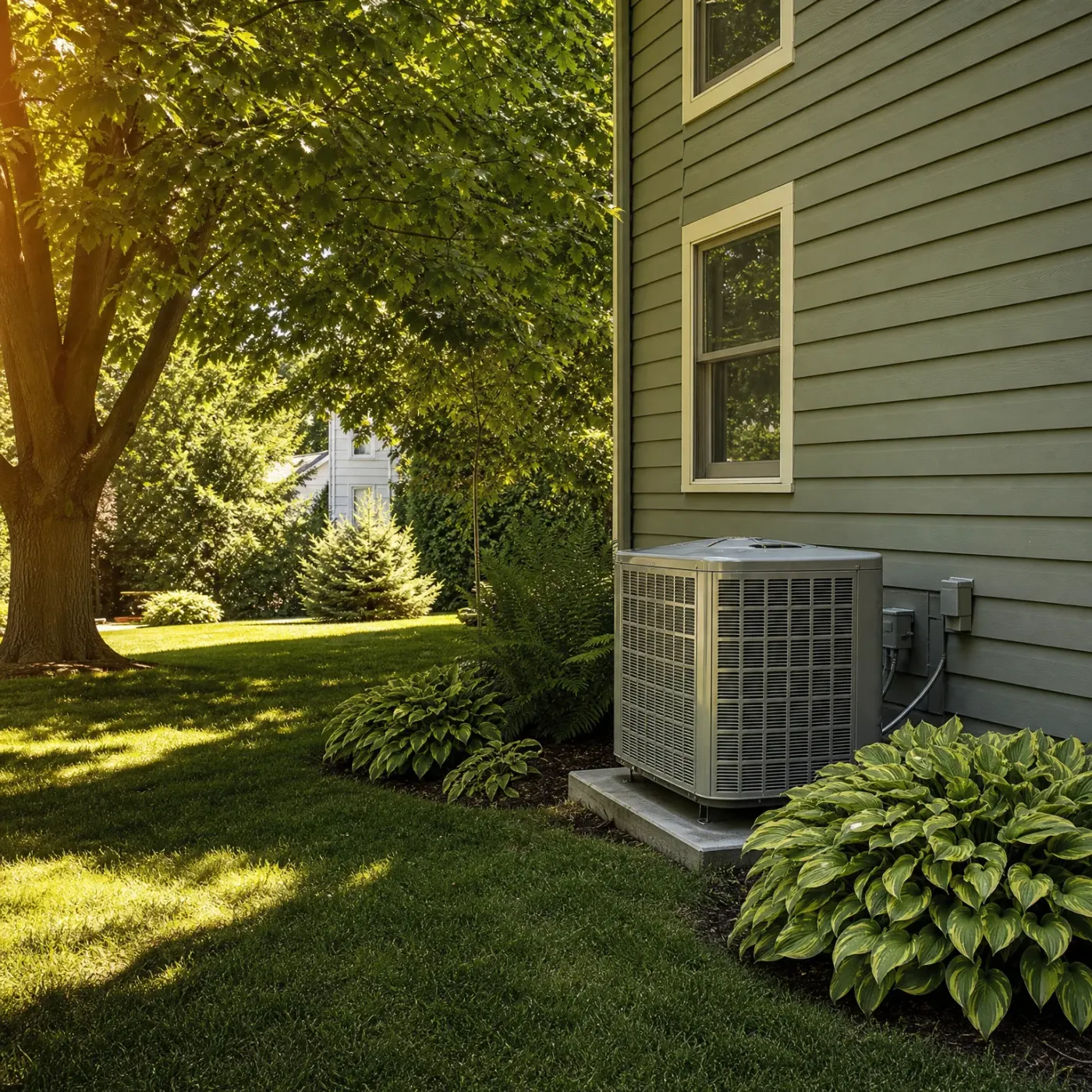
3 months of cooling, June through August
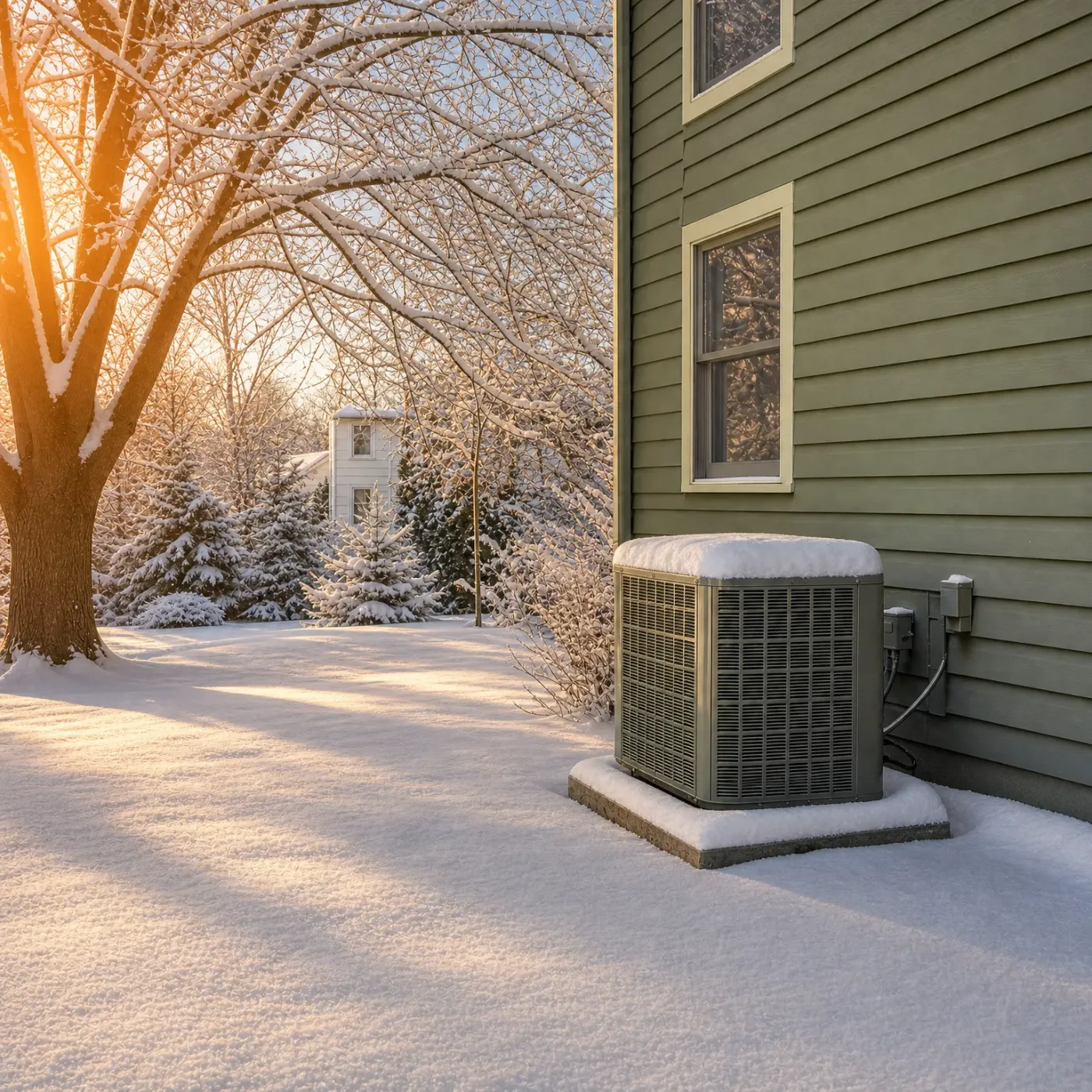
9 months of heat, September through May
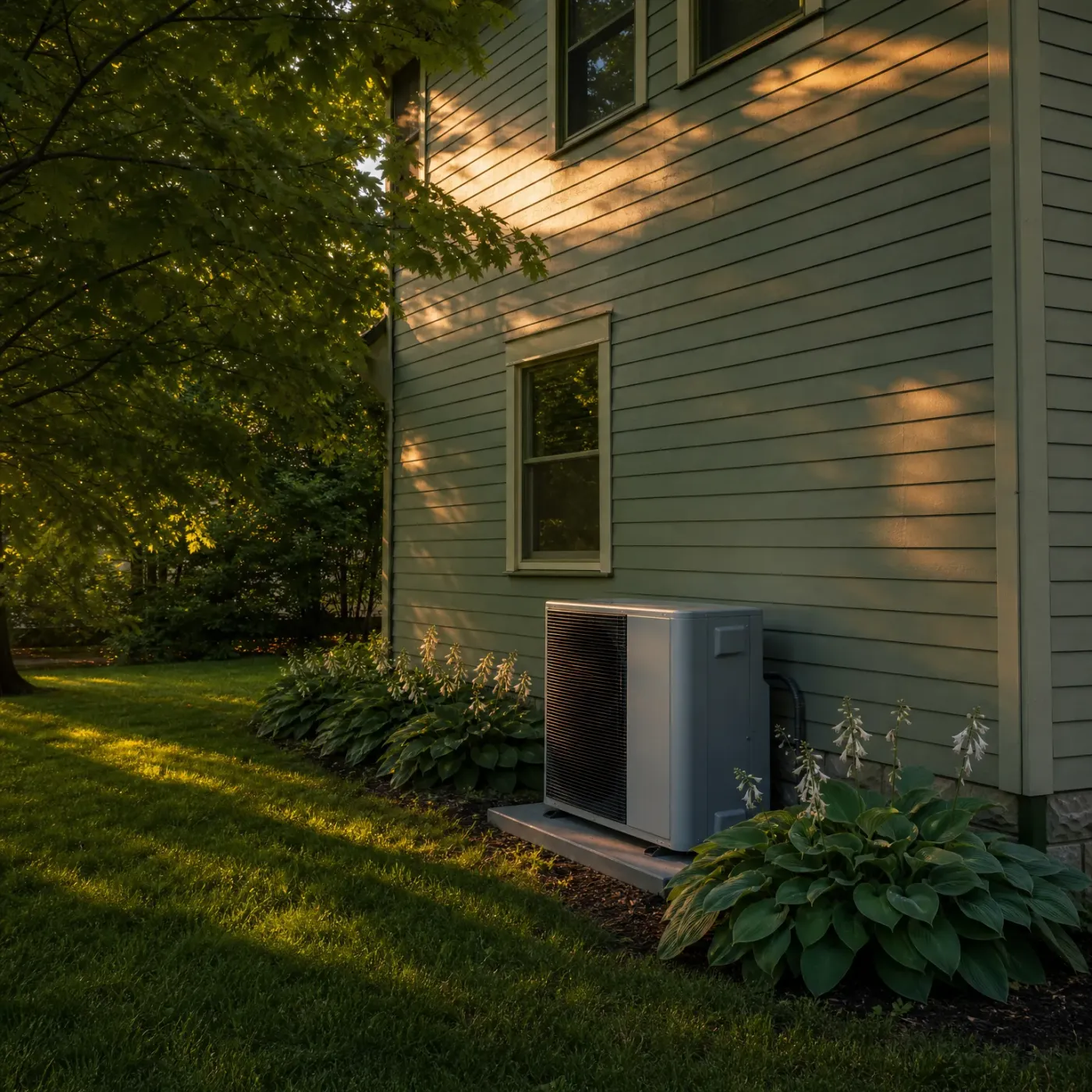
Wisconsin's heating and cooling loads split along the same line. Southern counties need about 32% more cooling over a year than northern counties. Northern counties need about 13% more heat over a year than southern ones. A heat pump in Kenosha County is leaning on its compressor through more summer afternoons. One up in Vilas County is leaning on its defrost cycle through a longer, harder winter.
That split in heat demand is wide. Homes in Vilas County need about 39% more heat over a year than homes in Kenosha County, where the state's heating need is the lowest in Wisconsin. A unit sized and set up for a mild Kenosha winter isn't working the same job as one near Vilas. What fails first on each won't match.
Winter nights tell the same story. Northern counties average 11°F on a winter night. Southern counties average 16°F. A heat pump pulling heat from 11°F air is leaning on its reversing valve and its defrost control harder than one working milder air further south, and it's doing that for more nights running.
Statewide, the overnight low across December, January and February averages 14°F where most Wisconsin households live. That's cold enough that a heat pump here is rarely coasting. Heat runs nine months a year across the state, and in the colder north that heat gets pulled from thinner air for more of those nine months.
None of this makes Wisconsin unusual. Its winter nights run colder than 42 of the other 49 states. Its homes need heat for more months of the year than 35 of them. So a heat pump acting up here is almost always failing for the ordinary reasons heat pumps fail anywhere cold. A weak capacitor. A low charge. A defrost control that's stopped cycling right. Where in the state the unit sits just points to which part got tested hardest first.
What does a heat pump in Wisconsin face?
How hot do summer afternoons get?
79°Faverage afternoon high where people live
Alaska66°F
Arizona101°F
How cold do winter nights get?
14°Faverage overnight low where people live
North Dakota4°F
Hawaii65°F
How many months does the heat run?
9 monthsof heating a year
Hawaii0 months
Alaska12 months
What does electricity cost?
17.18¢per kWh (kilowatt hours, the unit on an electric bill), what homes paid in 2024
North Dakota11.51¢
Hawaii42.86¢
How often do storms hit?
152severe weather events per county from 2015 to 2024
Alaska5
Wyoming1,057
How many homes lost power for a day or more?
18%of homes in 2024
Arizona7%
Maine54%
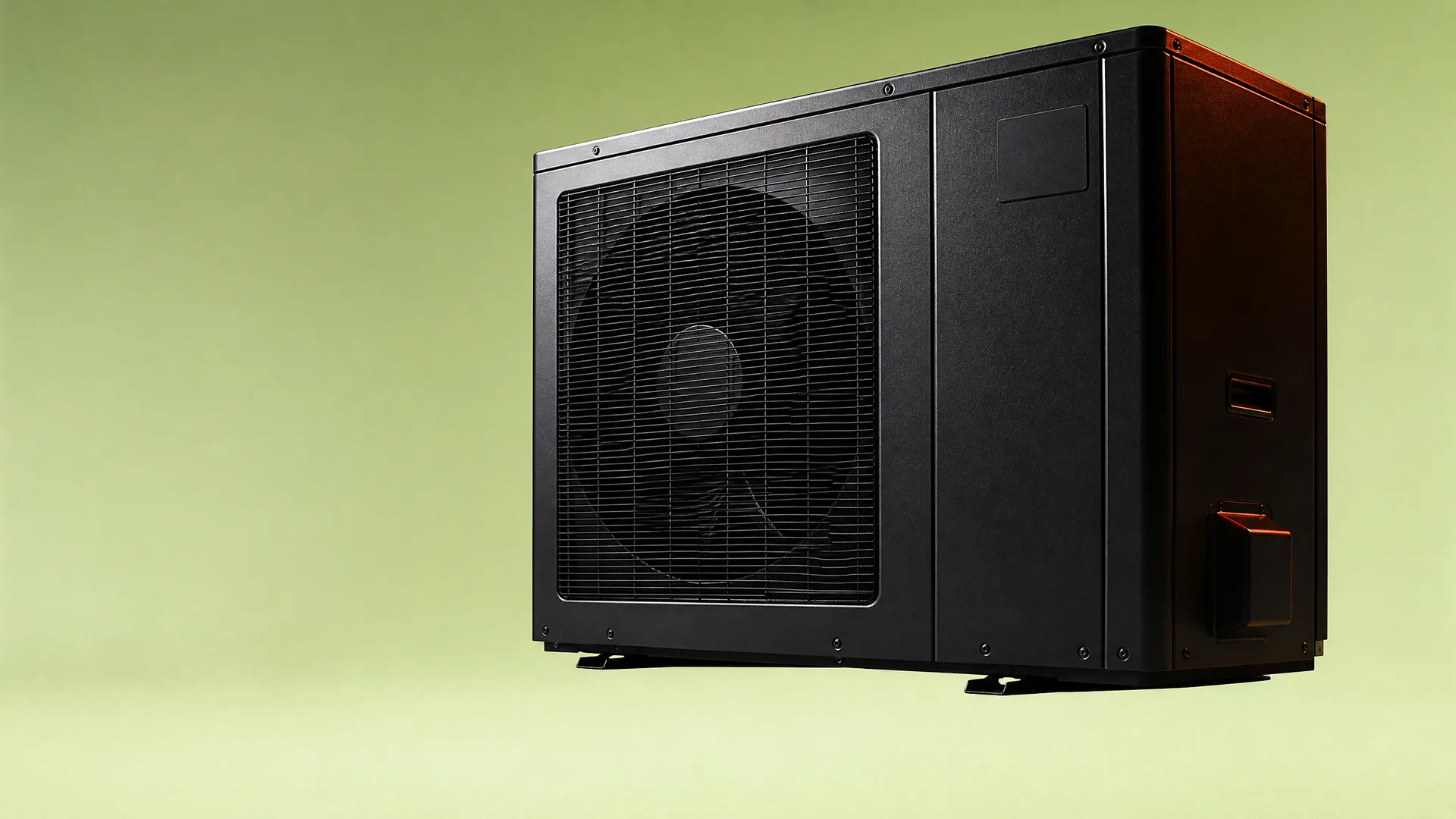
The box outside is doing the hard part
This is the unit standing outside the house, working against whatever the air is doing that day. It pulls heat out of cold air for most of the year, then switches over and pushes heat back outside once summer sets in. That switch runs through the reversing valve, and the valve either moves clean or it sticks halfway. The outdoor coil sits right in the weather, which is why it needs a defrost cycle at all. When that cycle stops working right, frost builds on the coil until the unit can't pull in any more heat, no matter how hard the compressor runs. A unit in good shape clears that frost on its own and gets back to work without anyone noticing. One that's struggling will run long and still fall short on heat.
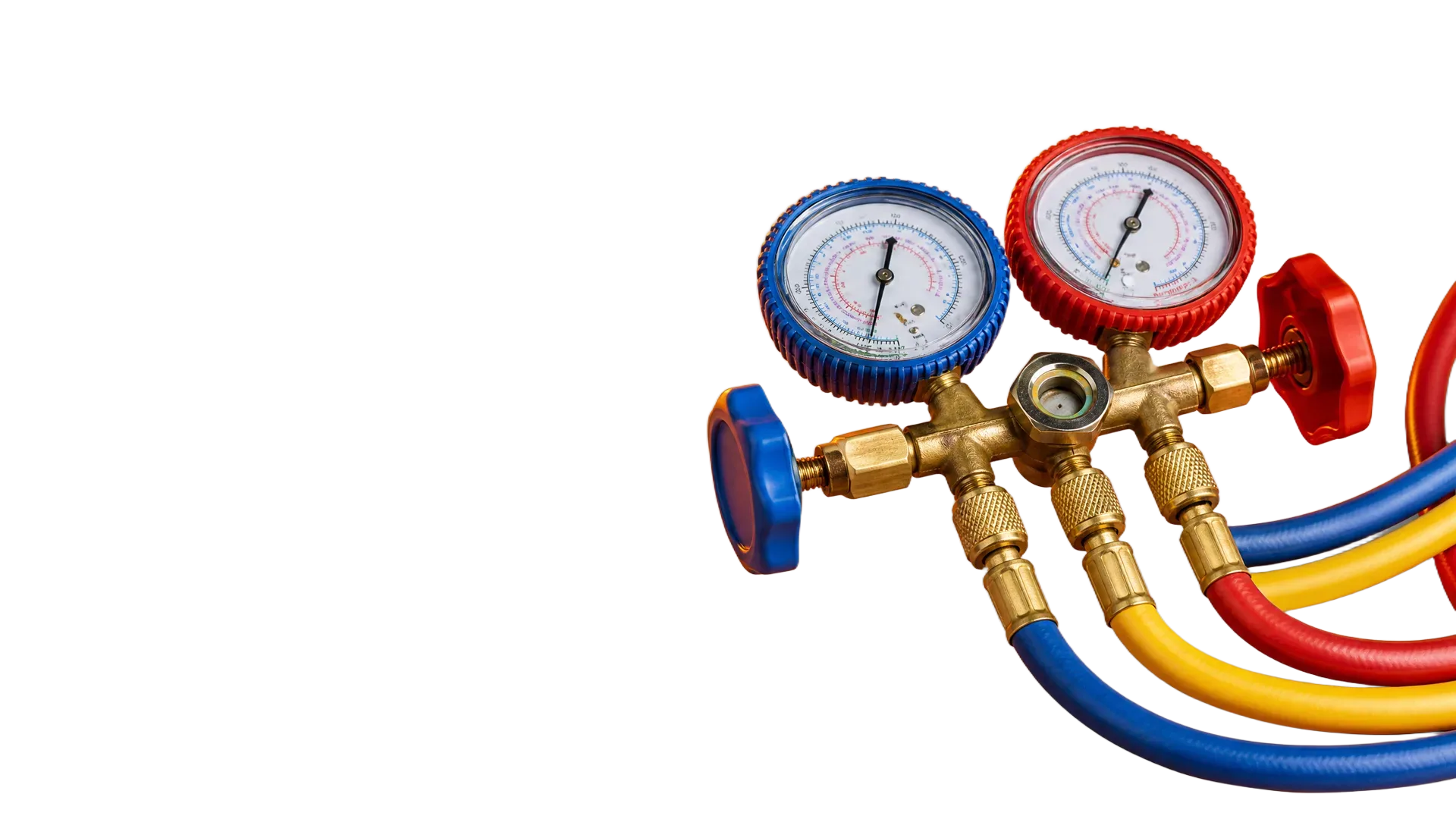
What a failing heat pump actually does
A heat pump rarely quits all at once. It gives warning first, and most of those warnings show up as something the house is doing wrong rather than something obviously broken. The air coming out of the vents feels cool instead of warm, even though the system is running. The outdoor unit is caked in frost or ice that doesn't clear on its own. The system switches between heat and cooling on its own, or won't switch at all when you need it to. It short cycles, kicking on and off every few minutes instead of running a full cycle. It runs constantly and still doesn't hit the temperature on the thermostat. You hear a clicking or buzzing from the outdoor unit that wasn't there before, or the compressor hums but the fan doesn't turn. Any one of these points to something specific. Warm air gone cool points to the reversing valve or a refrigerant leak. Ice that won't clear points to a defrost control that's stopped cycling. Short cycling points to a failing capacitor or a clogged filter choking airflow. None of these fix themselves, and running the system while they're happening usually makes the actual failure worse, not better.
What to check before you call
Before calling anyone, check the thermostat batteries and the setting itself. If it's set to cool when it should be on heat, that alone explains a system blowing cold air. Next, go look at the filter. A filter clogged with dust chokes airflow across the indoor coil, and a heat pump starved for airflow will struggle and can ice up on the outdoor side as a result. Swap it out if it's dirty. Check the circuit breaker for the outdoor unit too. A tripped breaker will shut the whole thing down and it's worth ruling out before assuming something's broken. Walk outside and look at the unit itself. Clear away any leaves, snow or debris piled against it, since blocked airflow around the coil causes the same symptoms as a failing part. Some frost on the coil in cold weather is normal. A thick layer of ice that's still there after a few hours is not, and that's worth noting but not something to chip off yourself. Don't take a screwdriver to the unit or try to clear ice with hot water. That's where a homeowner's checks should stop. Anything past this, the reversing valve, the refrigerant charge, the defrost control, needs someone who can test it properly.
A heat pump acting up costs more every day, with Wisconsin electricity at 17.18 cents per kilowatthour.
Tell us about the job
Takes about a minute. No obligation.
Fill out the form once and a contractor who works on heat pumps here gets in touch.