
AC Maintenance in Wisconsin
Across the counties where its people live, Wisconsin recorded less severe weather from 2015 to 2024 than 37 of the other 49 states.
Tell us about the job
Takes about a minute. No obligation.
- 79°Fsummer afternoon high where people live
- 3 monthsof cooling, June through August
- 17.18¢ per kWhwhat homes paid for power in 2024 (kWh means kilowatt hours, the unit on an electric bill)
- 2,261hail events from 2015 to 2024
Summers here are short and mild June through August, before the heat
- Southern counties need about 32% more cooling than northern ones
- Summer afternoons average 79°F where people live
- Cooling runs June through August
- 2,261 hail events from 2015 to 2024
- 3,511 damaging wind events from 2015 to 2024
- 18% of homes lost power a day or more in 2024

- The coil gets cleaned and checked so it can absorb heat the way it's supposed to, instead of running long and falling short
- Refrigerant levels get checked against what the system actually calls for, since a slow leak is easier to catch here than after the compressor's been working against a low charge for weeks
- Electrical connections and capacitors get looked at, so a weak part gets found before it's the reason the unit won't start on the first hot day
- The condenser fan and motor get checked for the kind of bearing wear that shows up as noise before it shows up as a failure
- Airflow gets confirmed from the filter through to the vents, so the system is actually cooling the house and not just running
A dirty filter is where most of this starts. Airflow drops, the evaporator coil gets colder than it should, and eventually it ices over. Once that happens the system is cooling almost nothing, just running and running with ice on the coil. Some homeowners catch it because the air coming out of the vents goes from cool to barely moving. By then the compressor has been working harder than it needs to for weeks, maybe longer.
The condenser outside depends on airflow across its coil to dump heat. Let leaves, grass clippings, or cottonwood fluff build up on those fins and the unit can't shed heat the way it was designed to. It still runs, but the compressor works against higher pressure the whole time. That shortens its life even if nothing fails this year. A technician cleaning that coil once a season is often the difference between a compressor that lasts and one that doesn't.
Three months on, three months carrying the load
Three months a year, June through August, is a light load compared to most of the country. Wisconsin runs cooling fewer months than 23 other states. The season still starts the same way everywhere it exists: June is when the system goes from idle to working every day, no easing into it. Whatever shape the filter, the coil, or the charge is in when that happens is the shape it runs in for the next three months.
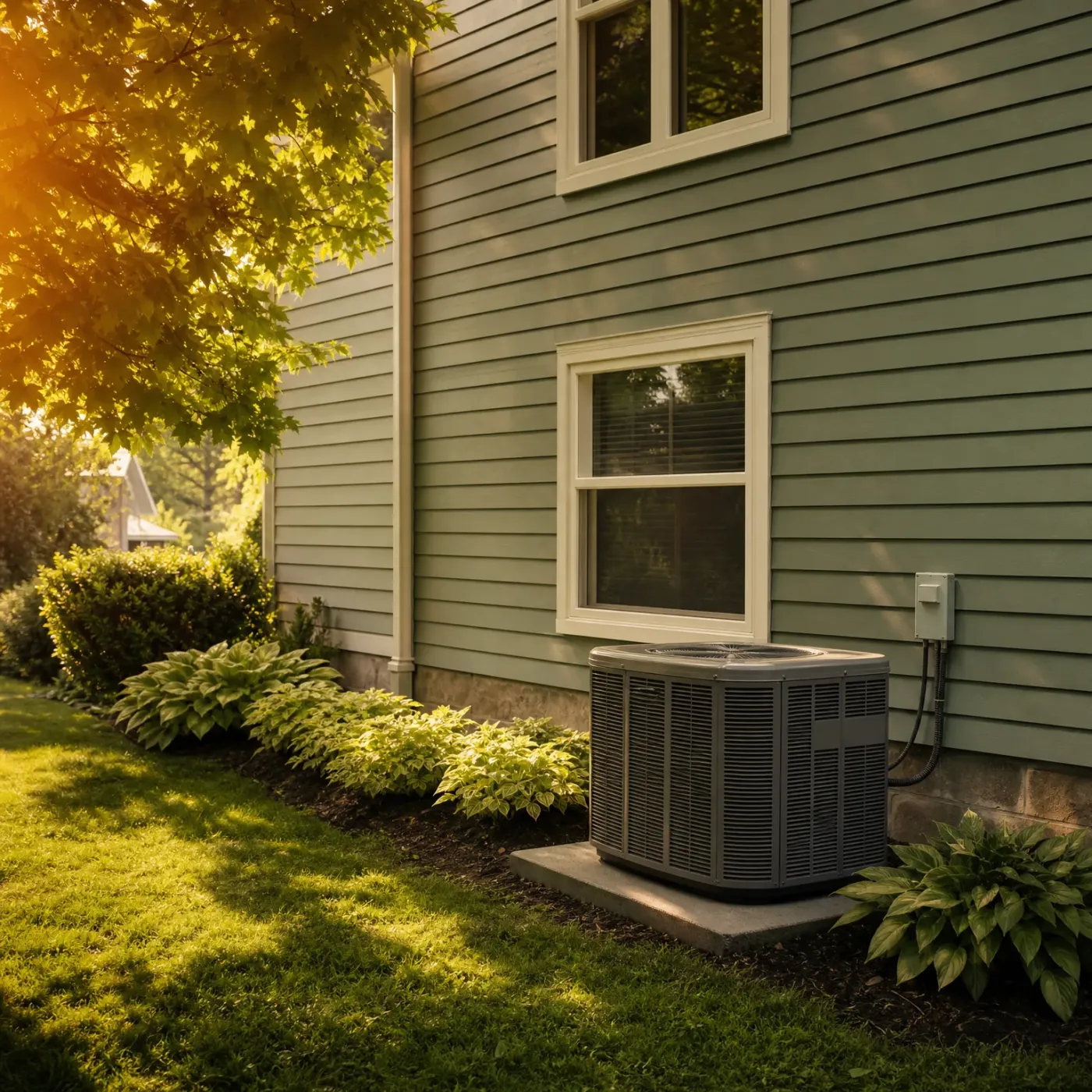
3 months of cooling, June through August
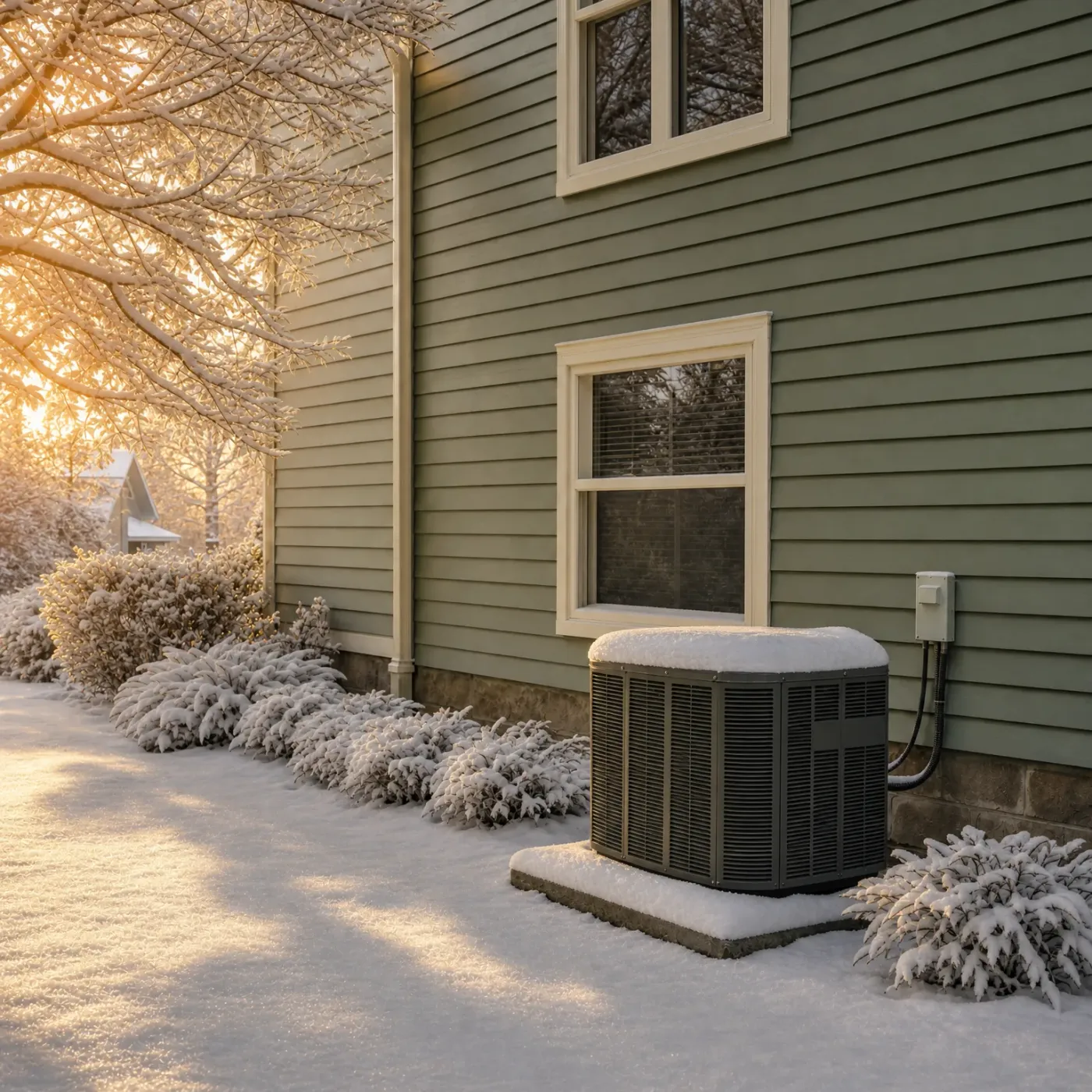
9 months of heat, September through May
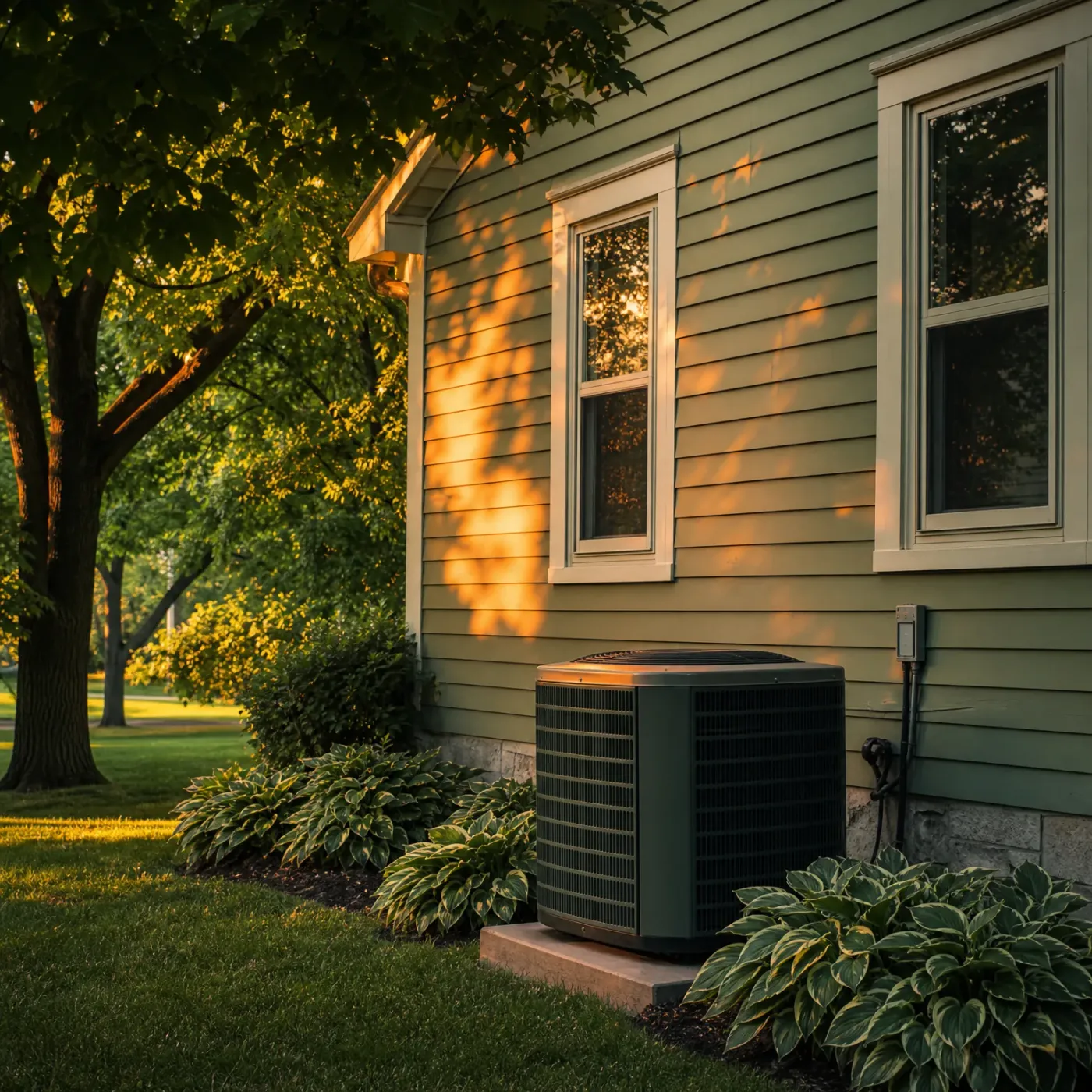
Wisconsin isn't one climate when it comes to cooling load. Homes across the southern counties need about 32% more cooling over a year than homes up north, and that gap shows up directly in how many months the system runs.
Milwaukee County runs cooling about three months a year, the longest stretch anywhere in the state. Vilas County runs close to none. A system in Milwaukee is doing real work every summer. A system in Vilas County barely gets exercised, and a check still matters, just for different reasons: a unit that sits idle most of the year can have a weak capacitor or a slow leak go unnoticed longer, simply because nothing forces it to show itself.
Summer afternoons follow the same split. Rock County averages 81°F across June, July and August, the warmest in the state. Iron County averages 75°F, the mildest. Neither is extreme. Even Rock County's afternoons are milder than summer afternoons in most of the country, so this isn't a case of the machine fighting the climate anywhere in the state.
What changes by county is timing, not whether the check is worth doing. A home in Milwaukee County is asking more of its system for more of the year, so there's less room to put off a check once June arrives. A home farther north has a shorter season and more slack before the first hot stretch hits. Either way, the visit belongs before the system starts running daily, wherever that line falls on the map.
What does an AC in Wisconsin face?
How hot do summer afternoons get?
79°Faverage afternoon high where people live
Alaska66°F
Arizona101°F
How many months does the cooling run?
3 monthsof cooling a year
Alaska0 months
Hawaii12 months
What does electricity cost?
17.18¢per kWh, what homes paid in 2024
North Dakota11.51¢
Hawaii42.86¢
How often do storms hit?
152severe weather events per county from 2015 to 2024
Alaska5
Wyoming1,057
How many homes lost power for a day or more?
18%of homes in 2024
Arizona7%
Maine54%
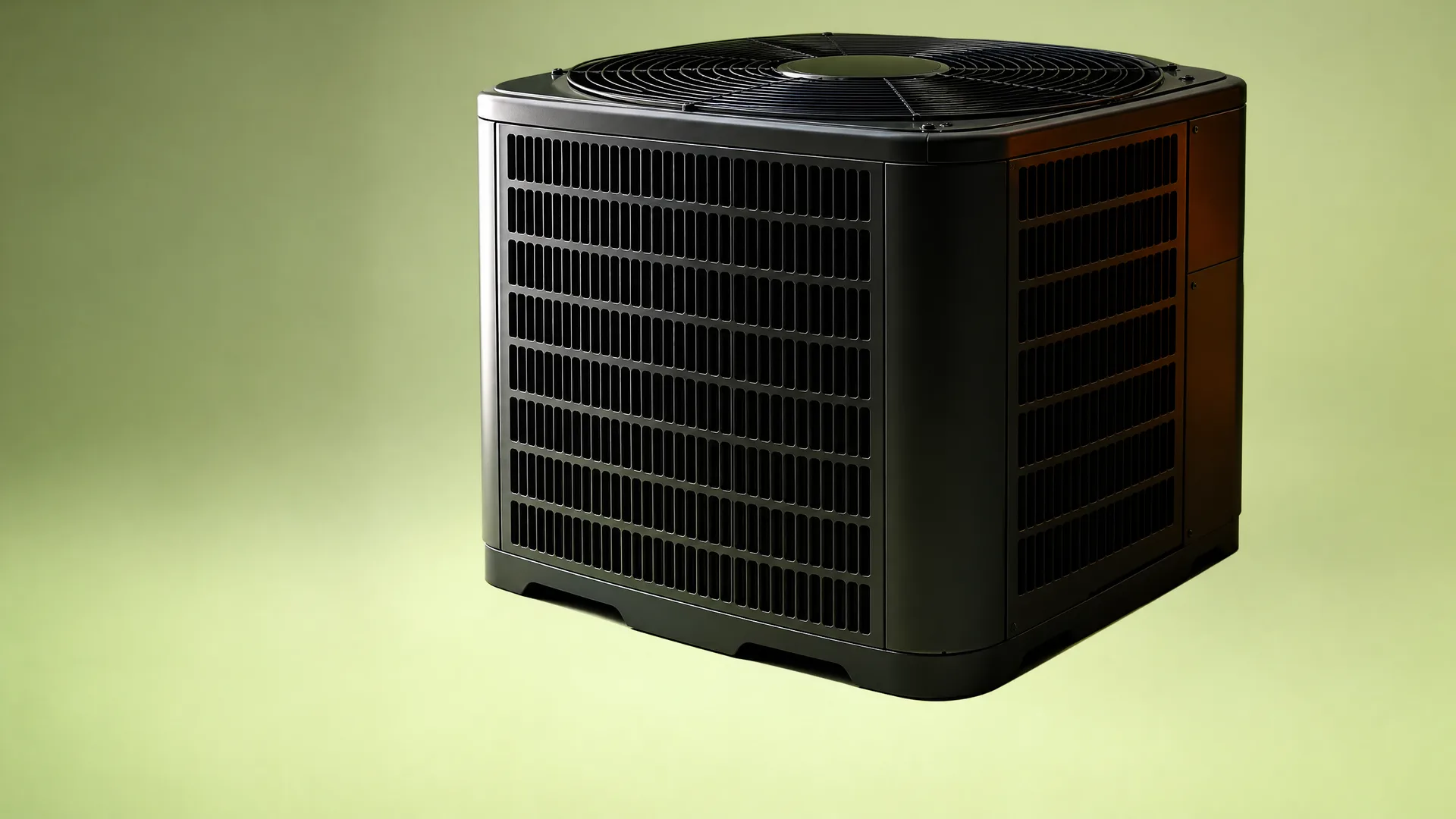
One visit a year matches what the climate here asks of it
Air conditioning here isn't working against anything extreme. Wisconsin homes that use it put about 3.3 million Btu (British thermal units, a measure of heat) a year into cooling, a light load next to what the same machine carries in a hotter state. One visit a year, timed before the system has to work, covers what it actually needs here. There's no case for checking it more often or chasing problems the climate isn't causing. What that visit does accomplish still shows up on the electric bill. Wisconsin power costs more than it does in most states, and a system working against a dirty coil or a clogged filter is burning that expensive electricity to do less cooling. A yearly check keeps it running the way it was built to, which matters more here than somewhere electricity is cheap.
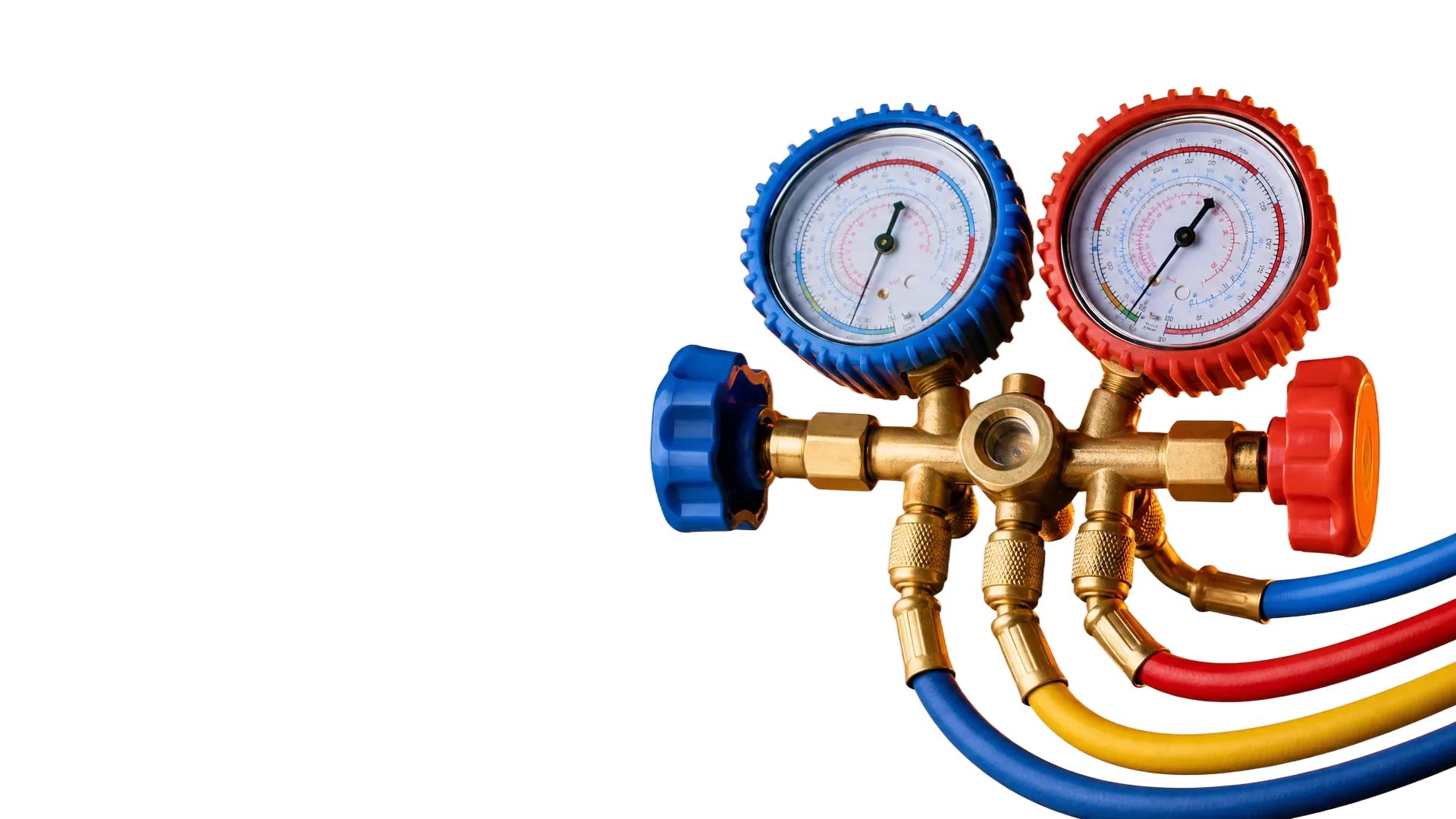
Signs worth calling about before the season starts
A refrigerant leak gives itself away before the system quits outright. The air from the vents turns weak and warm before it turns cold and strong, and that's backward from how a leak actually behaves. Low refrigerant means the system can't absorb heat the way it should, so it runs long cycles and still falls short of the set temperature. Left alone, the compressor keeps pumping refrigerant through a low charge, and that's what wears it out early. A hissing or bubbling sound near the lines outside is worth paying attention to, not ignoring until the house won't cool at all. Unusual noise from the unit itself, a grinding or a loud rattle that wasn't there before, usually means a motor bearing or a loose part, and it only gets worse running. None of these show up on a schedule. A yearly check catches the slow ones before they become the sudden ones.
Book it in May, not June
June is when cooling starts here, and that's the month a weak filter or a low charge turns into a system running flat out and falling short. May is the month before that happens. A technician checking the coil and the charge in May does it while the unit is still idle, not while it's already carrying the first hot stretch of summer. Wait until June and the same check happens with the system already working.
Half the homes in Wisconsin went up by 1975, old enough that a yearly check matters.
Tell us about the job
Takes about a minute. No obligation.
Fill out the form and a licensed contractor near you calls to schedule the visit.