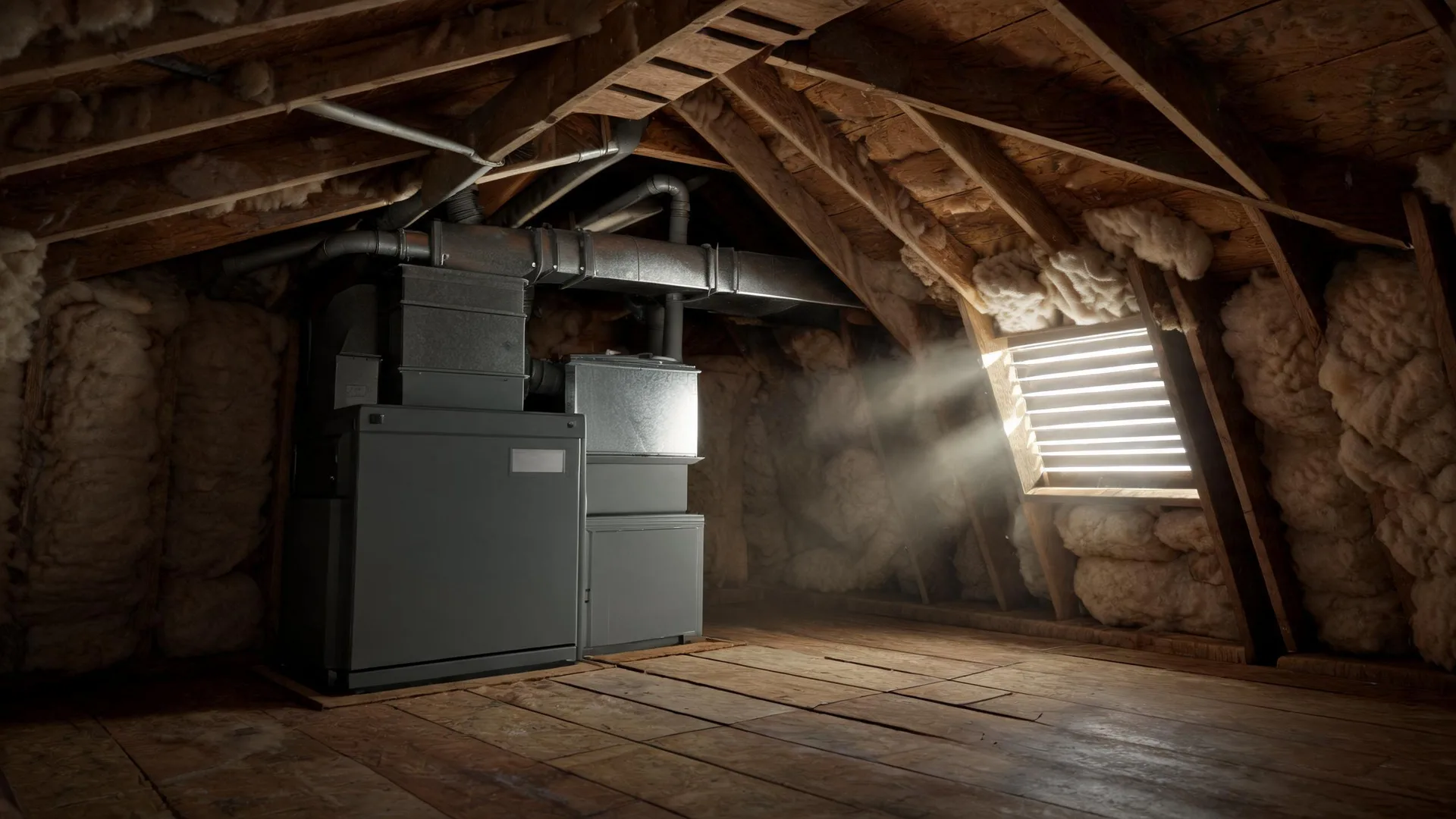
Your system is probably younger than you think
Half the homes in Door County were built in 1983 or later. If yours is one of them, the air conditioner may well have been replaced since, and it's not carrying decades of wear.
Takes about a minute. No obligation.
Half the homes in Door County were built in 1983 or later. If yours is one of them, the air conditioner may well have been replaced since, and it's not carrying decades of wear.
A younger air conditioner still loses efficiency if the coil goes dirty or the refrigerant charge drops. Checking it every year is what keeps a system with plenty of life left actually running that long.

NOAA nClimDiv, 1991–2020 normals
The filter is the one thing the homeowner should check without waiting for a visit.
A clogged filter starves the coil of airflow and the system has to work harder to cool the house.



Cooling here runs July and August, nothing before or after. When July hits, the system has to be ready on day one. Book the tune-up in June instead of waiting for the first hot stretch. A contractor can check the refrigerant charge and clean the coil while there's no pressure to get it done same day. Wait until July and you're competing with everyone else whose system just told them something's wrong.
Two months of real work a year is light duty. The parts that fail usually fail from a year of sitting, not from the load. A yearly check catches the dirty coil or the weak capacitor before July asks the system to prove itself.
Find a contractorA system put in within the last several years still has a service record worth starting. Get it checked on the same yearly schedule now, before anything acts up, and a contractor sees it running the way it's supposed to. That first visit is what the next one gets compared against.
When the outdoor coil goes without cleaning, it loses its grip on the heat it needs to shed. The compressor runs longer to get the same result, and it runs hotter doing it. Nothing fails the first week, or even the first year. It fails after enough summers of running harder than it should have.
A system low on refrigerant or working through a dirty coil doesn't usually quit outright. It keeps cooling the house, just slower, and pulls more power to do it. Most homeowners don't catch that until the bill does, and by then the compressor has been under extra strain for a while.
A tune-up checks the refrigerant charge, cleans the coils, tests the capacitor and tightens the electrical connections.
A tune-up starts outside, with the coil. If it's coated in dust or cottonwood fluff, that gets cleaned, because a coil that can't shed heat makes the compressor work harder for the same result. The refrigerant charge gets checked against what the system calls for, not topped off by guess. Low charge shows up as warm air at the vents long before it shows up as a dead system. Inside, the technician checks the capacitor, the part that gives the compressor and fan motor their starting kick. A weak one still works until the day it doesn't. The condensate drain gets checked too, since a clogged one backs up and can shut the system down on its own. None of this is guesswork. It's the same handful of checks, done the same way, because those are the parts that actually fail.