
AC Installation in Wisconsin
Across the counties where its people live, Wisconsin recorded less severe weather from 2015 to 2024 than 37 of the other 49 states.
Tell us about the job
Takes about a minute. No obligation.
- 79°Fsummer afternoon high where people live
- 3 monthsof cooling, June through August
- 17.18¢ per kWhwhat homes paid for power in 2024 (kWh means kilowatt hours, the unit on an electric bill)
- 2,261hail events from 2015 to 2024
Summers here don't push a system hard. Three cooling months, mild afternoons.
- Southern counties need about 32% more cooling than northern ones
- Summer afternoons average 79°F where people live
- Cooling runs June through August
- 2,261 hail events from 2015 to 2024
- 3,511 damaging wind events from 2015 to 2024
- 18% of homes lost power a day or more in 2024
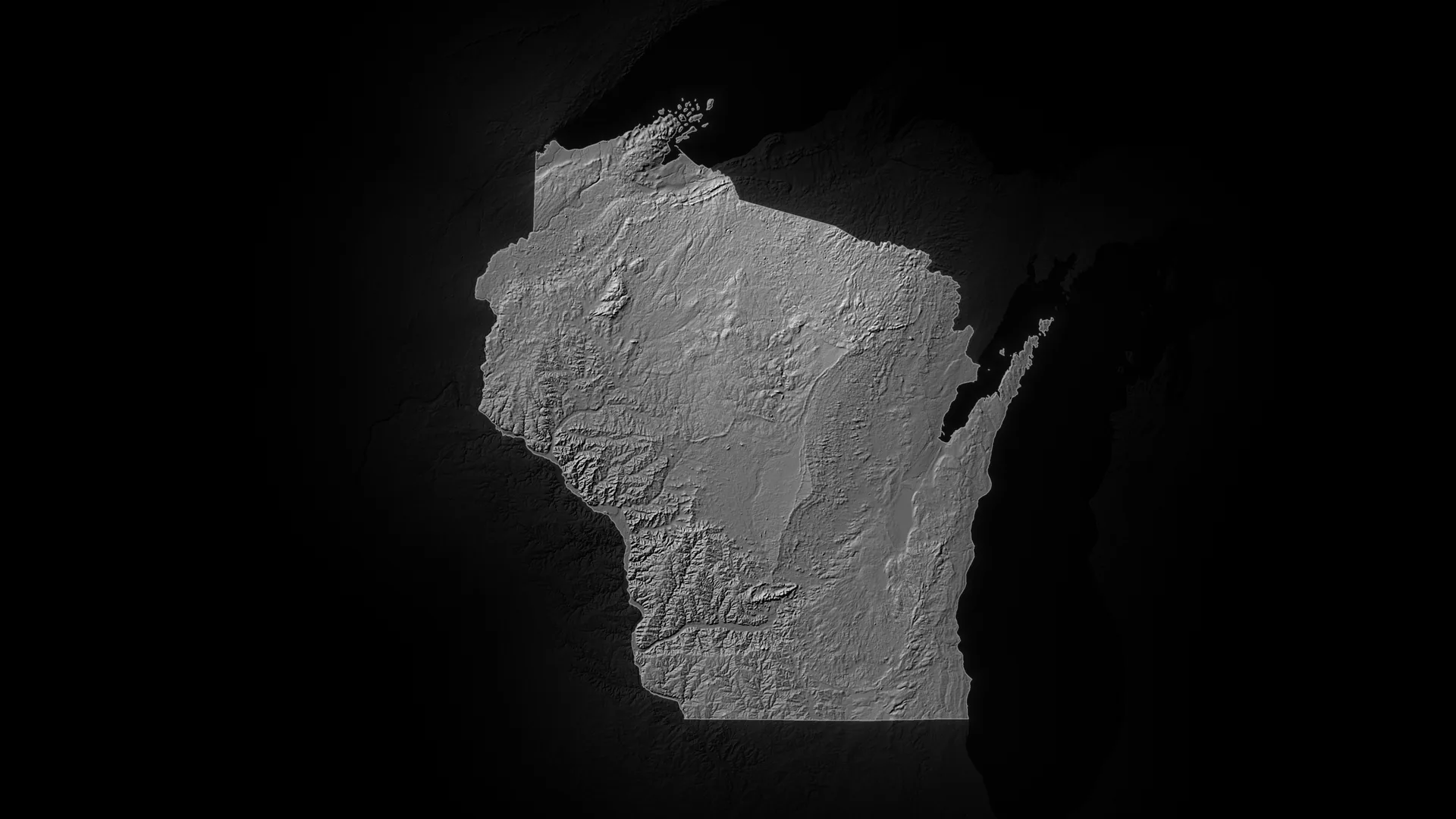
Half of Wisconsin's homes were built in 1975 or earlier
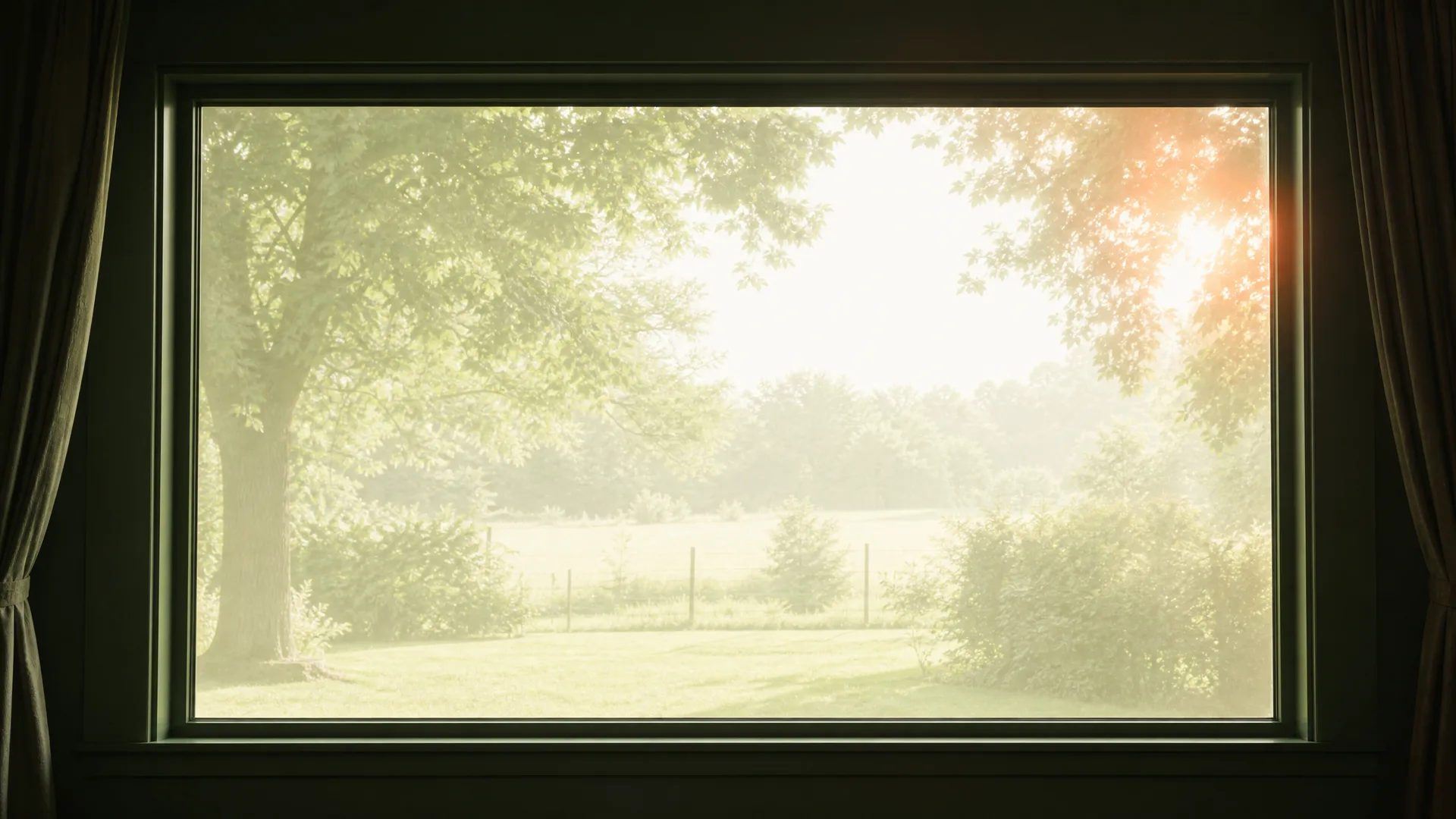
Gas heats most homes in Wisconsin, 64.8% of them. That's furnaces paired with a separate air conditioning unit outside, not heat pumps, so when the AC side needs replacing, the furnace and ductwork usually stay put. The new condenser has to match up with what's already there.
Electric heat covers 17.8% of homes here, and LP gas another 11.8%. If your home runs on either, ask what your options are for cooling before assuming a standard AC is the only route. A heat pump can do both jobs, and that's worth asking about.
Get it in before June
Cooling in Wisconsin runs June through August, three months. May is the month to get a new system in. Wait until the first hot week and you're scheduling around whatever opening a contractor has, not around what works for you. Get it done in May and it's sized right, installed right, and ready before it has to prove itself.
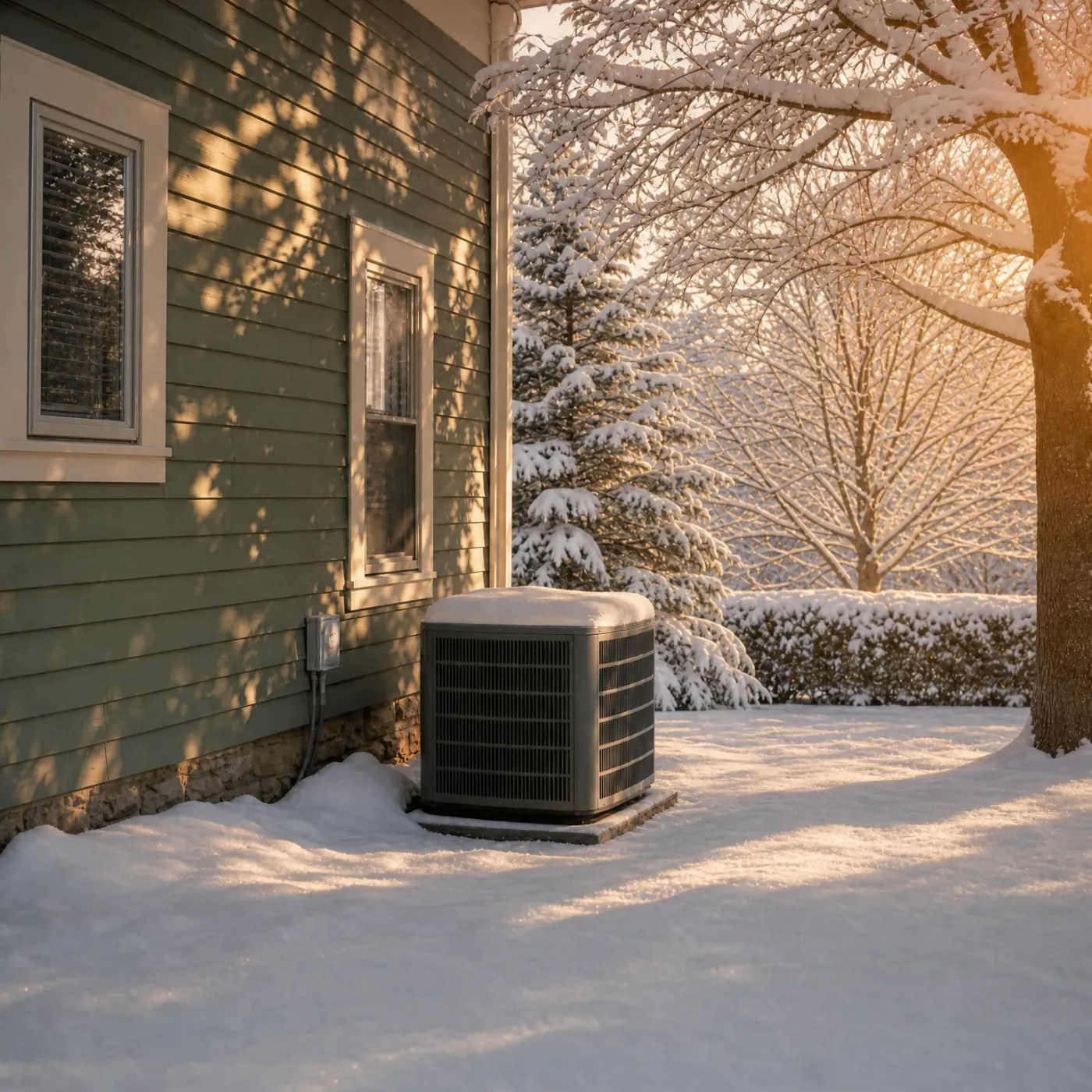
3 months of cooling, June through August
9 months of heat, September through May
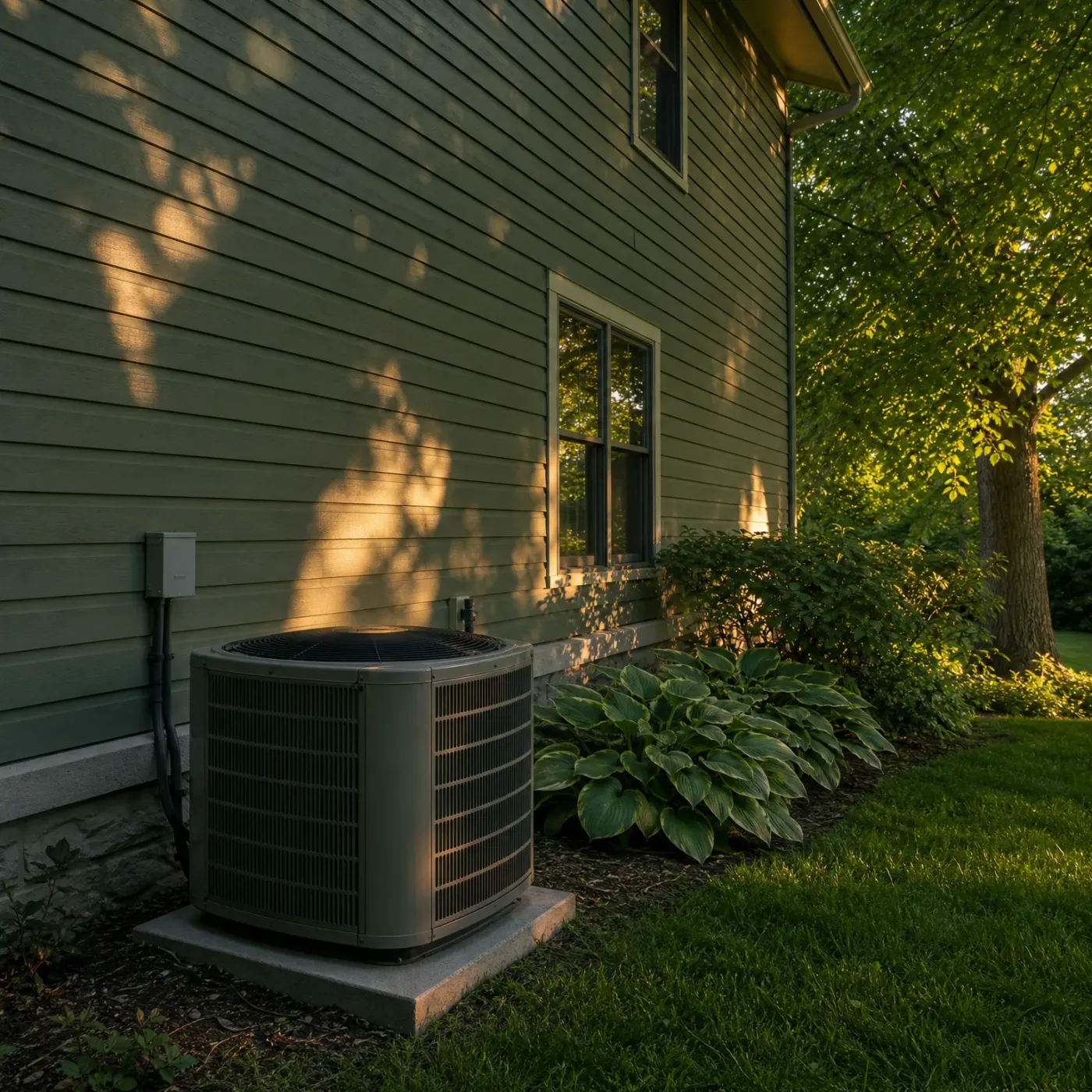
Wisconsin doesn't ask the same amount of work from a system everywhere in the state. Homes across the southern counties need about 32% more cooling over a year than homes up north, so a system sized for one end of the state is wrong for the other.
Milwaukee County runs cooling about three months a year, longest in the state. Vilas County runs it about zero. A system going into a home near Vilas County has a different job than one going into Milwaukee County, even though both are in Wisconsin.
Rock County sees the hottest summer afternoons in the state, averaging 81°F in June, July and August. Iron County sees the mildest, at 75°F. That's the range a system here might have to handle, depending on where the home sits.
None of this makes Wisconsin a hard climate to cool. Afternoons across June, July and August average 79°F statewide, and most of the country asks more of a system than Wisconsin does.
Hail is a separate question from heat. Wisconsin recorded 2,261 hail events between 2015 and 2024, more than most other states saw across the counties where people live. Worth asking a contractor what that means for an outdoor condenser, regardless of which part of the state the home is in.
What does an AC in Wisconsin face?
How hot do summer afternoons get?
79°Faverage afternoon high where people live
Alaska66°F
Arizona101°F
How many months does the cooling run?
3 monthsof cooling a year
Alaska0 months
Hawaii12 months
What does electricity cost?
17.18¢per kWh, what homes paid in 2024
North Dakota11.51¢
Hawaii42.86¢
How often do storms hit?
152severe weather events per county from 2015 to 2024
Alaska5
Wyoming1,057
How many homes lost power for a day or more?
18%of homes in 2024
Arizona7%
Maine54%
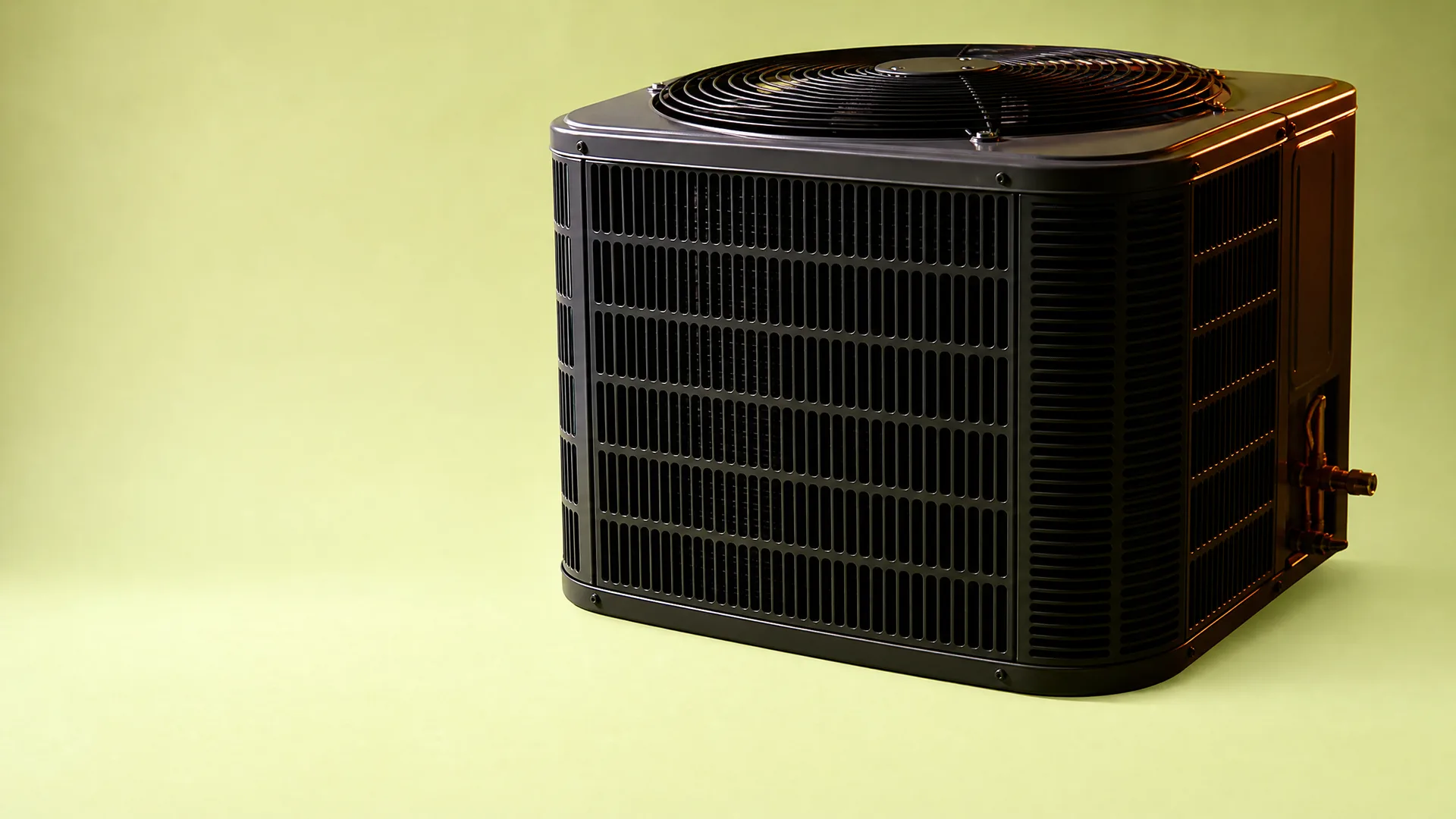
Sizing matters more when power costs this much
Electricity runs 17.18 cents a kilowatt-hour here, more than 35 other states pay. That makes the size of the unit worth getting right. Too big and it cycles on and off without really pulling the humidity down. Too small and it runs long and hard trying to catch up on the hot afternoons. A standard size, matched to the home, does the job here without the bill running higher than it has to.
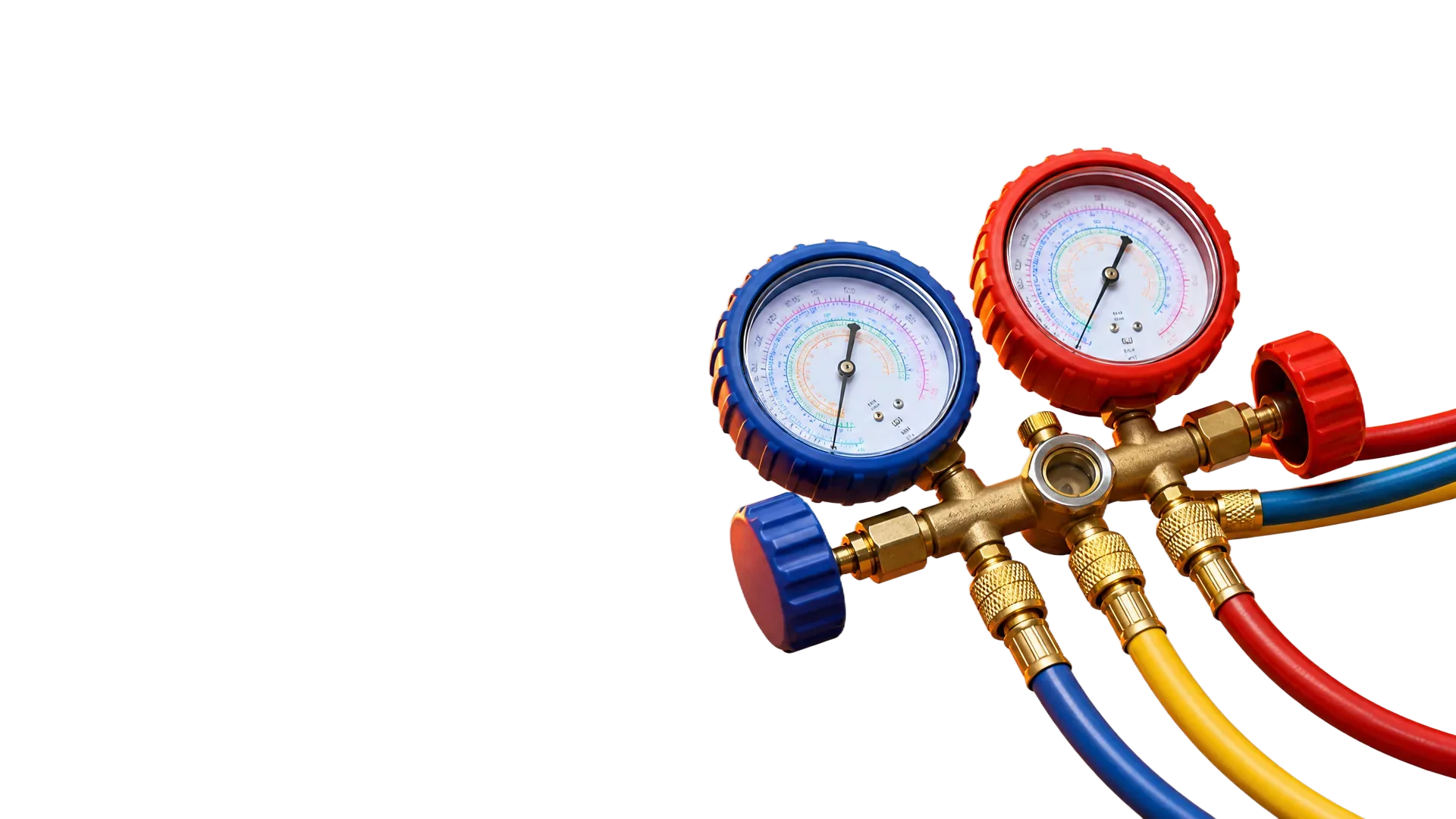
Questions worth asking before you decide
Ask what load calculation the contractor is using to size the unit, and ask them to walk you through it rather than just naming a number. Square footage alone doesn't size a system. Insulation, window area, ceiling height and how much shade a house gets all change the number, and a contractor who skips straight to a size without asking about those things is guessing. Ask what SEER2 (seasonal energy efficiency ratio under the 2023 test, an AC's cooling efficiency over a season) rating you're being quoted and what that rating actually means for your running costs, since it's a measure of efficiency, not how much cooling the unit can do. Ask whether the new outdoor unit matches the indoor coil and the existing ductwork, since mismatched equipment runs worse than either piece running alone would suggest. Ask what happens to the refrigerant lines, whether they're reused or replaced, and why. Ask what the warranty covers, what voids it, and whether it covers labor or just parts. And ask what maintenance the system needs once it's in, because a unit that never gets its coil cleaned or its airflow checked won't hold onto the efficiency it was sold on.
Fitting a new system to an old house
Half the homes in Wisconsin were built in 1975 or earlier. A house that old was built around a furnace and a duct system, not around the condenser going in now, and that ductwork is usually what stays put when the AC gets replaced. If a contractor sizes your unit off square footage alone, ask how they're accounting for the ducts already in the walls, because a new system dropped onto an old layout without checking that fit is how you end up with one room that never cools right.
Most of Wisconsin heats with gas furnaces, so the new AC has to match the ductwork already there.
Tell us about the job
Takes about a minute. No obligation.
Fill out the form once, and contractors who install AC systems in Wisconsin reach out with what they'd put in.