





A row of dark-sided single-story houses with gray shingled roofs behind a trimmed hedge, with mown lawn and large deciduous trees under an overcast sky.

AC Installation in Chippewa Falls, WI

Tell us about the job

Takes about a minute. No obligation.

New system or replacementCentral ACChippewa County, WI
Step 1 of 2

What ZIP code is the job in?

Gas heats more homes in Chippewa County than anything else, at 46.8 percent. Another 26.2 percent run on LP gas, which comes with the same kind of furnace. That matters for a new AC system because almost every gas furnace here already has a blower that can pair with central air. In most cases the new condenser and coil tie into ductwork that's already moving warm air all winter. If your home is one of the gas or LP households, your contractor isn't starting from zero.

2 months
July through August, your air conditioner is on duty
78°F
the average summer afternoon it cools against
23 hail events
in ten years, and hail bends the fins on outdoor coils
13.4 SEER2
the federal minimum any new unit must meet
Isometric line illustration of a cutaway single-story building showing interior rooms, ceiling ductwork and an air handler, connected by lines to an outdoor condenser unit beside the exterior wall.
Your air conditioner works hardest from July through August.

NOAA nClimDiv, 1991–2020 normals

Cooling here only runs from July through August, with afternoon highs averaging 78 degrees.

Two months of mild heat a year means your new AC won't be pushed hard, so a solid mid-range system is a reasonable choice.

A standard system is built for this

Half the homes here were built by 1978
Climate zone 6A
Power costs 17.18 cents a kWh statewide
Get it in before JulyCooling in Chippewa County runs July through August, so June is the month to have it done.

Taking out the old condenser and coil is part of the job, not an extra step. The old refrigerant gets recovered first, since it can't legally be vented to the air. Once that's done the contractor disconnects the lines, pulls the old coil out of the plenum, and sets the new one in its place. If the old condenser pad is cracked or has settled unevenly, expect a new pad poured or set before the new unit goes on it. The line set itself is often replaced too rather than reused, since old copper can hold contaminants that shorten the life of a new compressor.

Pick reliable, not top of the line

It won't be worked hard here, so pick a reliable system that fits. You don't need the top efficiency model.

Find a contractor
A gray residential air conditioner condenser unit mounted on a concrete pad in an open grass field.

Two months of real work a year

Count the months and it's a short list. July and August, afternoon highs around 78. That's not a system working to keep up. It's one cycling on for an hour or two on the warmer afternoons. A unit that isn't under that kind of load doesn't need to chase the highest efficiency number on the shelf. Put the money into correct sizing and a clean installation instead.

Ask for the load calculation, not a guess

A contractor should size your system by doing a room by room load calculation, not by matching the size of the unit you had before. Square footage, window placement, insulation and ductwork all factor into the number. If a quote comes with no mention of this, ask how they arrived at the tonnage.

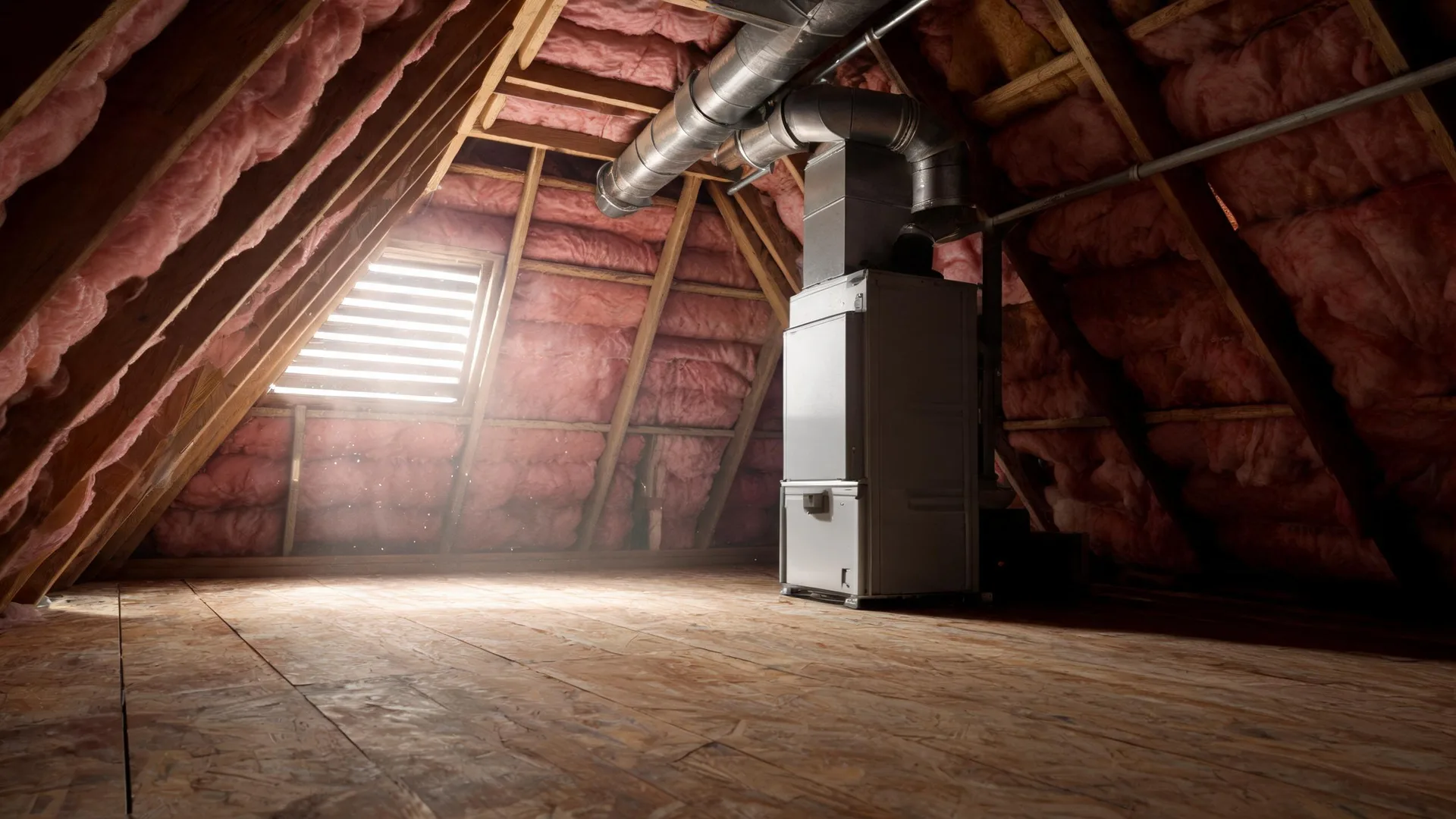
Ask what happens to the ductwork

A new condenser and coil only perform as well as the ducts moving the air. Ask whether the contractor is checking duct size and sealing as part of the job, or just swapping equipment and connecting it to what's already there. Leaky or undersized ducts will limit a new system no matter how good the equipment is.

Overhead view of an outdoor AC condenser unit on a concrete pad next to a house with a dark shingle roof.

Going above the federal minimum saves little here, about $20 a year.

  • A higher-efficiency unit$110 a year
  • A new unit at the federal minimum, 13.4 SEER2$130 a year

Estimates for a typical Chippewa County home, from EIA household energy data, Wisconsin fuel prices and NOAA climate normals. Your home will differ.

Installation day starts with the refrigerant recovery and disconnect, then moves to the parts you won't see again once the job's done. The old coil comes out of the plenum, new line set goes in, and the condenser gets set on its pad outside. Once the new equipment is in place, the contractor pulls a vacuum on the lines to clear out moisture and air before any refrigerant goes in. Skip that step and moisture sits in the system, and it'll cause problems down the road. After charging, a good contractor checks the refrigerant level against the manufacturer's spec and checks airflow at the vents, not just whether the unit turns on. The last hour is usually spent walking through the new thermostat and showing you where the filter goes and how often it needs changing.