
Mini Split Installation in Wisconsin
Across the counties where its people live, Wisconsin recorded less severe weather from 2015 to 2024 than 37 of the other 49 states.
Tell us about the job
Takes about a minute. No obligation.
- 79°Fsummer afternoon high where people live
- 3 monthsof cooling, June through August
- 14°Fwinter overnight low where people live
- 9 monthsof heat, September through May
Electricity here costs more than most a right-sized mini split keeps bills down
- Southern counties need about 32% more cooling than northern ones
- Summer afternoons average 79°F where people live
- Winter nights average 14°F where people live
- Cooling runs June through August
- 3,511 damaging wind events from 2015 to 2024
- 18% of homes lost power a day or more in 2024
Older homes need a system sized for the house you have
Half the houses in Wisconsin went up in 1975 or earlier, and most of the state is single-family homes rather than apartments or condos. A house that old was built for a furnace or baseboard heat, not for a mini split, so the installer has to work with whatever wall and electrical setup is already there instead of a layout made for the job. That usually means more care in picking where the line set runs and where the outdoor unit sits, and it can mean more than one indoor head if the house was never zoned for even heating. None of that is a mark against the house. It just means the system has to be sized and placed for the place it's actually going into.
Gas heats most homes in Wisconsin, 64.8 percent of them. A mini split doesn't replace that setup, it adds to it. Most installs here pair the mini split with the existing furnace, using it to handle cooling and the shoulder months while the furnace covers the coldest stretch. That's a different job than installing one in a home with no ductwork or furnace to begin with. It's worth telling the installer what you're heating with now before they quote the work.
Electric heat is less common here, 17.8 percent of homes, and LP gas sits at 11.8 percent. If either of those is what you have now, a mini split can take over more of the job since it moves heat instead of generating it. Fuel oil heats a small share of homes, 1.4 percent, and those houses face the same question. Does the mini split assist what's there, or take on more of the load. That's a conversation to have with the installer once they've seen the house.
Summers here are mild, so the system matters more than the rating
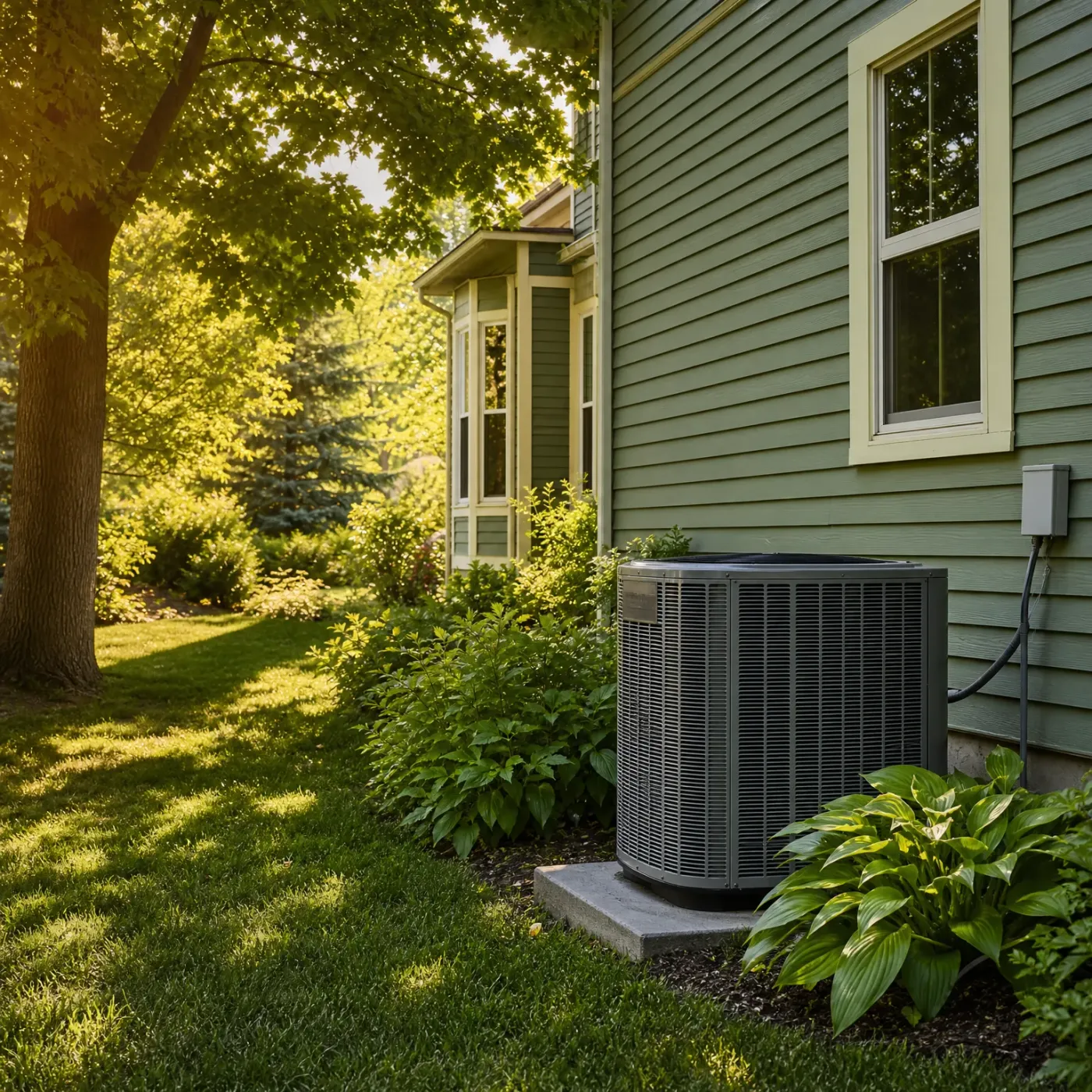
Summer here is short. Cooling runs June through August, and afternoons average 79 degrees, cooler than in most of the country. A mini split sized for that kind of summer doesn't need to be the top-tier model to keep up. What's worth checking is the outdoor unit's mounting and the line set, since Wisconsin sees more hail than most states, and a unit left exposed takes the brunt of it over the years. The system itself won't be under much strain. What ages it here is weather on the cabinet and neglect, not a summer it can't keep up with.
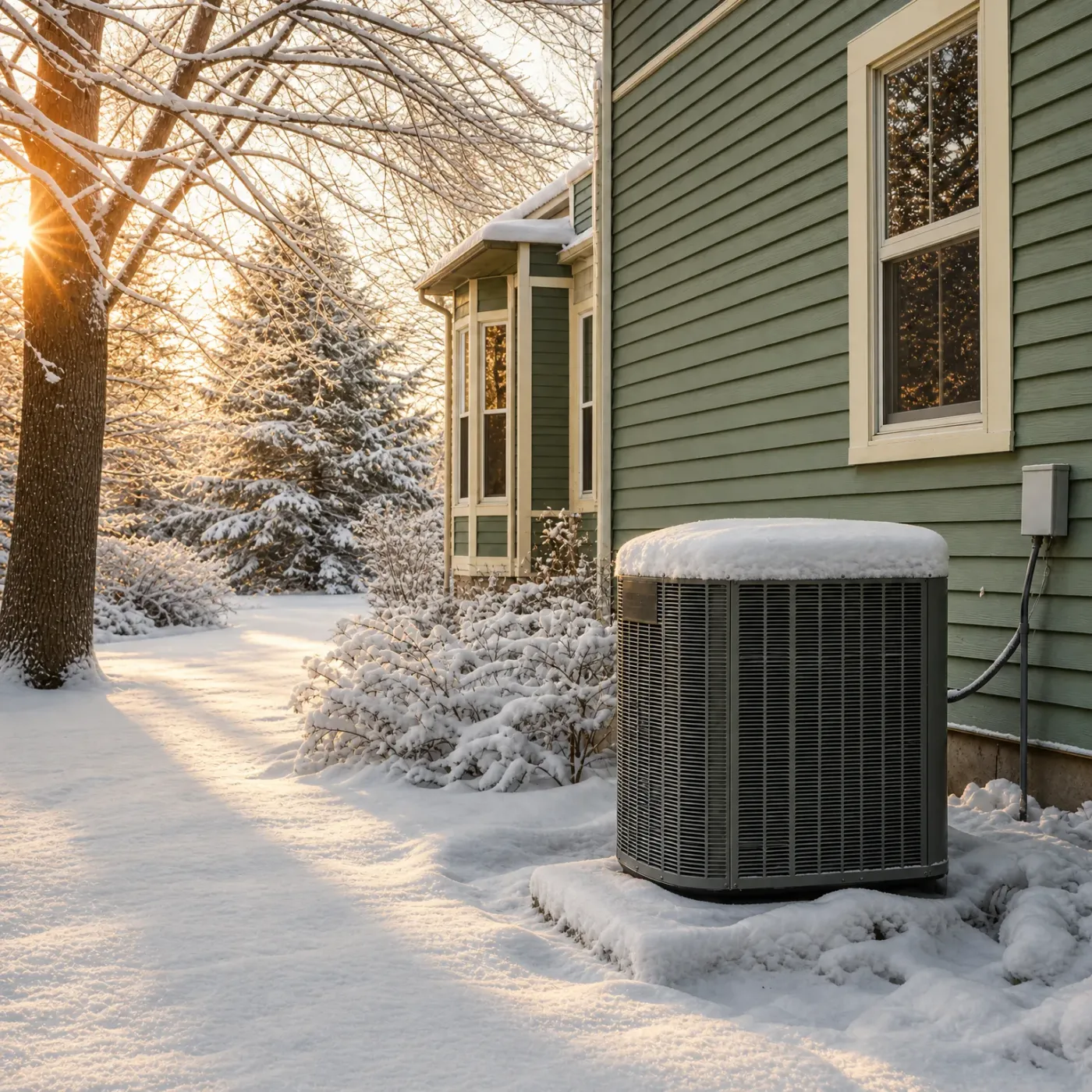
3 months of cooling, June through August
9 months of heat, September through May
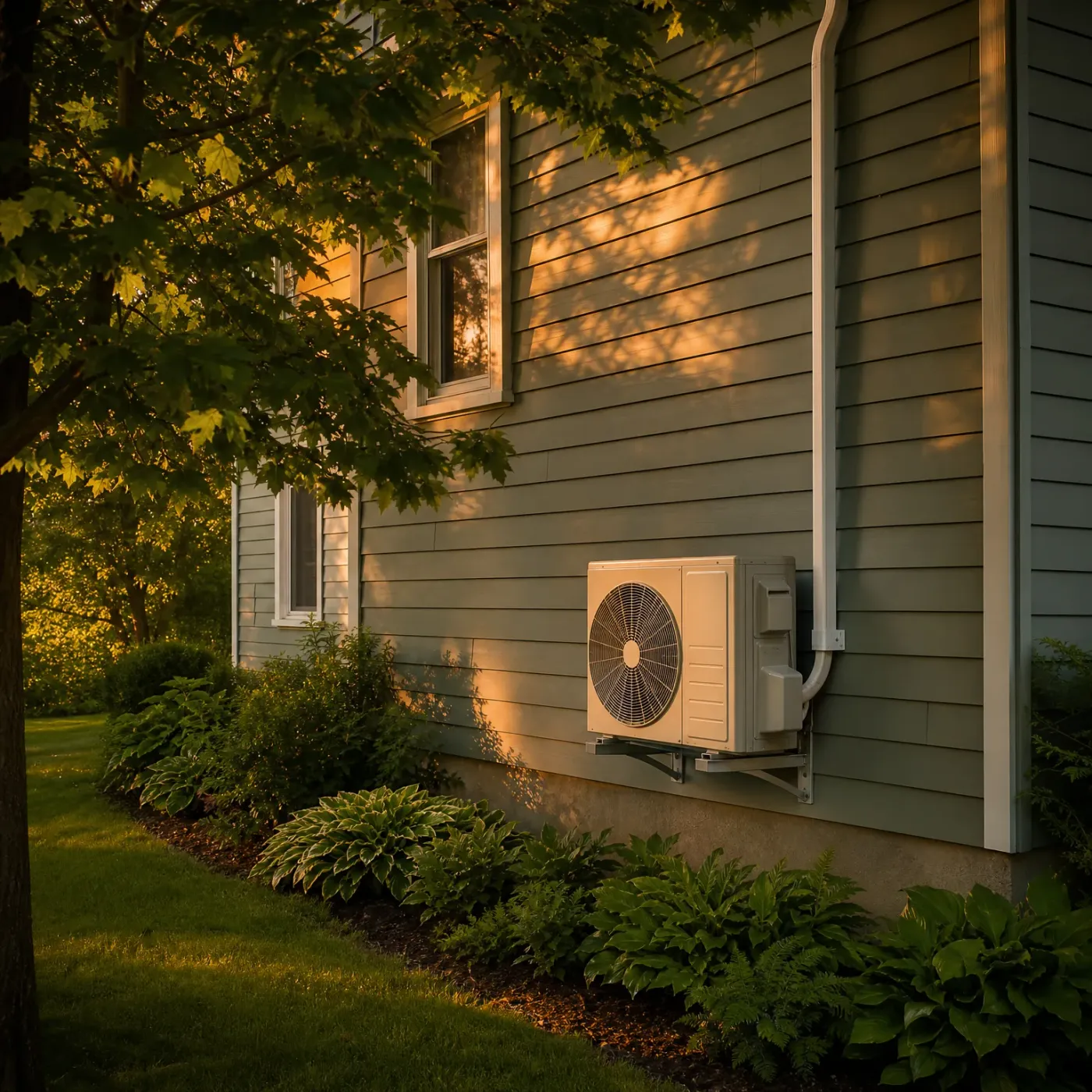
Cooling needs change a lot depending on where you are in the state. Homes across the southern counties need about 32% more cooling over a year than homes across the northern counties. A mini split sized right for the south is oversized for the north, and the other way around.
Milwaukee County runs cooling about three months a year, the longest stretch in the state. Vilas County runs close to none. An installer in Milwaukee is sizing for a real summer load. An installer in Vilas County is sizing mostly for a handful of warm days.
Rock County sees the hottest summer afternoons in the state, averaging 81°F across June, July and August. Iron County sees the mildest, averaging 75°F those same months. That gap is part of why the same system doesn't make sense in both places.
Statewide, summer afternoons average 79°F, milder than in most of the country, and cooling runs fewer months of the year than in most states. That holds for Wisconsin as a whole, but it hides the difference between its counties. Where your house sits in that range matters more than the statewide number does.
What does a mini split in Wisconsin face?
How hot do summer afternoons get?
79°Faverage afternoon high where people live
Alaska66°F
Arizona101°F
How cold do winter nights get?
14°Faverage overnight low where people live
North Dakota4°F
Hawaii65°F
How many months does the cooling run?
3 monthsof cooling a year
Alaska0 months
Hawaii12 months
What does electricity cost?
17.18¢per kWh (kilowatt hours, the unit on an electric bill), what homes paid in 2024
North Dakota11.51¢
Hawaii42.86¢
How often do storms hit?
152severe weather events per county from 2015 to 2024
Alaska5
Wyoming1,057
How many homes lost power for a day or more?
18%of homes in 2024
Arizona7%
Maine54%
Get it in before June, not during the first heat wave
Cooling in Wisconsin runs June through August, so May is the month to have a mini split in and running, not the month to start calling around. An install that waits until the first hot week means scheduling around whoever else had the same idea, and a unit put in under that kind of pressure doesn't get the same attention to line set routing or mounting that one going in during a quiet month does. Wisconsin already runs fewer cooling months than most states, three months against a longer stretch elsewhere, so there's no need to treat this like a rush job. Get it done in May and the system is just there, running, when the first warm day shows up.
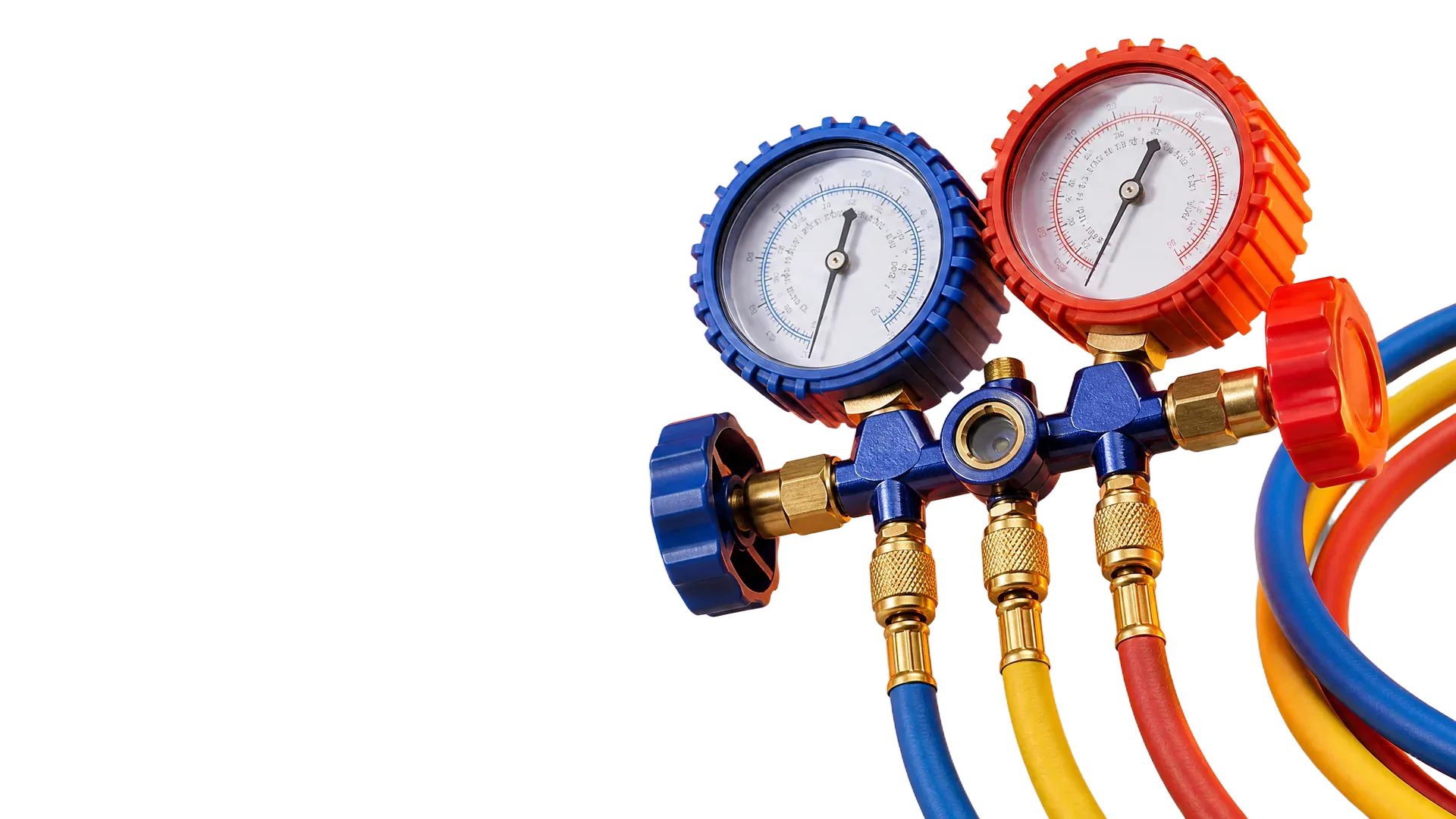
Sizing is math, not a guess off a chart
A mini split has to be sized against the actual heat gain and heat loss of the space it's going into, not picked off a chart by square footage alone. An installer works out how much heat the room gains in summer and loses in winter, accounting for window area, insulation, ceiling height, and how the room is used, then matches that load to a unit's output. Too big and the system short cycles, running for a few minutes, shutting off before it's pulled the moisture out of the air, then starting again. That leaves the room feeling cool but clammy, and it wears on the compressor since starting up is the hardest thing it does. Too small and it runs constantly without ever catching up on the hottest or coldest days, straining the compressor in the other direction. Getting the size right also means getting the indoor head placement right, since a unit blowing across an open room behaves differently than one blowing into a hallway or down a stairwell. None of that comes from a formula alone. It comes from someone measuring the actual room and doing the math for that room, not the one next door.
The bigger risk is hail, not heat
Hail is the bigger risk here than heat. Wisconsin recorded 2,261 hail events from 2015 to 2024, more than in most other states, and a mini split's outdoor unit sits outside year round taking that on. The compressor inside doesn't work hard in a Wisconsin summer. What shortens its life is a dented cabinet or bent fins, not a season of cooling. A good installer picks a mounting spot that keeps the unit out of the direct line of a storm where the yard allows it, and that matters more here than chasing a higher efficiency rating.
Most Wisconsin homes heat with gas, so a mini split here works alongside the furnace, not instead of it.
Tell us about the job
Takes about a minute. No obligation.
Answer a few questions about your home and get quotes from installers who size the system to fit it.