Most homes here run on gas
Utility gas heats 67.1% of occupied homes in Jefferson County. Another 10.9% use bottled or LP gas, so a gas furnace is what most installers find already in place.
Takes about a minute. No obligation.
Utility gas heats 67.1% of occupied homes in Jefferson County. Another 10.9% use bottled or LP gas, so a gas furnace is what most installers find already in place.
A mini split handles cooling and can take over heating in mild weather, while the gas furnace stays in place for the coldest months. That makes it an addition to check against your current setup, not a straight swap.
NOAA nClimDiv, 1991–2020 normals
The old window units or the whole-house AC don't just vanish when the mini split goes in.
Whoever installs the new system can disconnect and haul off what you're replacing, so ask what happens to the old equipment before the work starts.




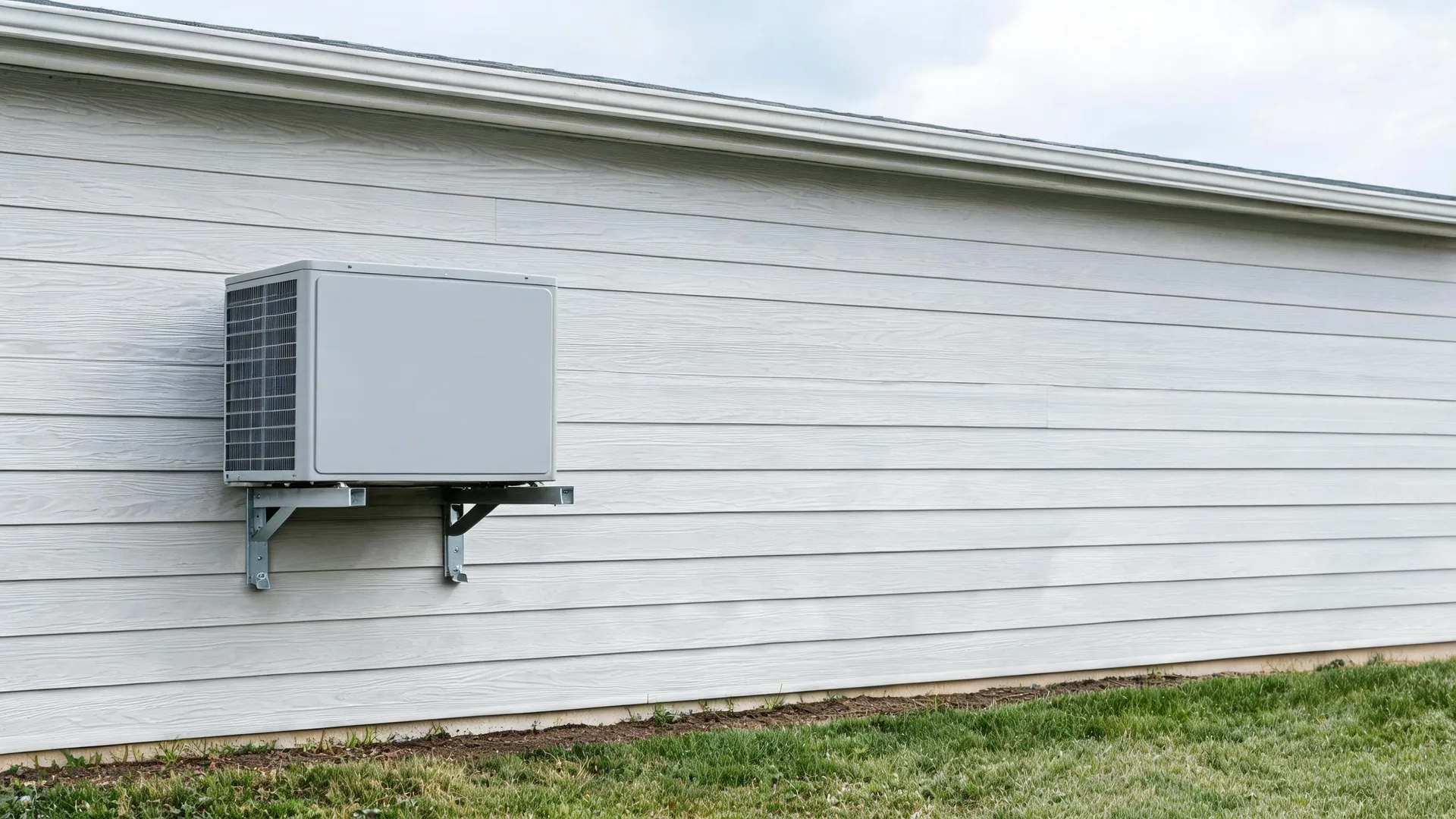
Cooling here only has to carry June through August, with afternoons averaging around 81°F. That's a short, mild season next to most of the country, and a mini split isn't straining to keep up with it. A unit sized right for that load should run a long time without trouble. Where it matters more is the install itself. Jefferson County sees its share of wind and hail, 60 damaging wind events and 30 hail events over the past decade, so the outdoor unit should go in with a mount and placement that can take a beating. Pick a reliable system and a solid install over the highest efficiency number on the shelf.
Half the homes in Jefferson County were built in 1973 or earlier. A house that age wasn't built with a mini split in mind, and whatever heating and cooling it has now was likely added or replaced after the fact. Sizing the new system around what the house actually needs, not just the old equipment it's replacing, matters more here than in a county full of new construction.
Find a contractor
A load calculation for the house as it is now tells an installer where to put the air handler and how many zones to run, not the square footage on an old permit. If a room was added on, or a wall came down, that changes where the mini split needs to reach. Ask for that calculation before anyone quotes a unit size.
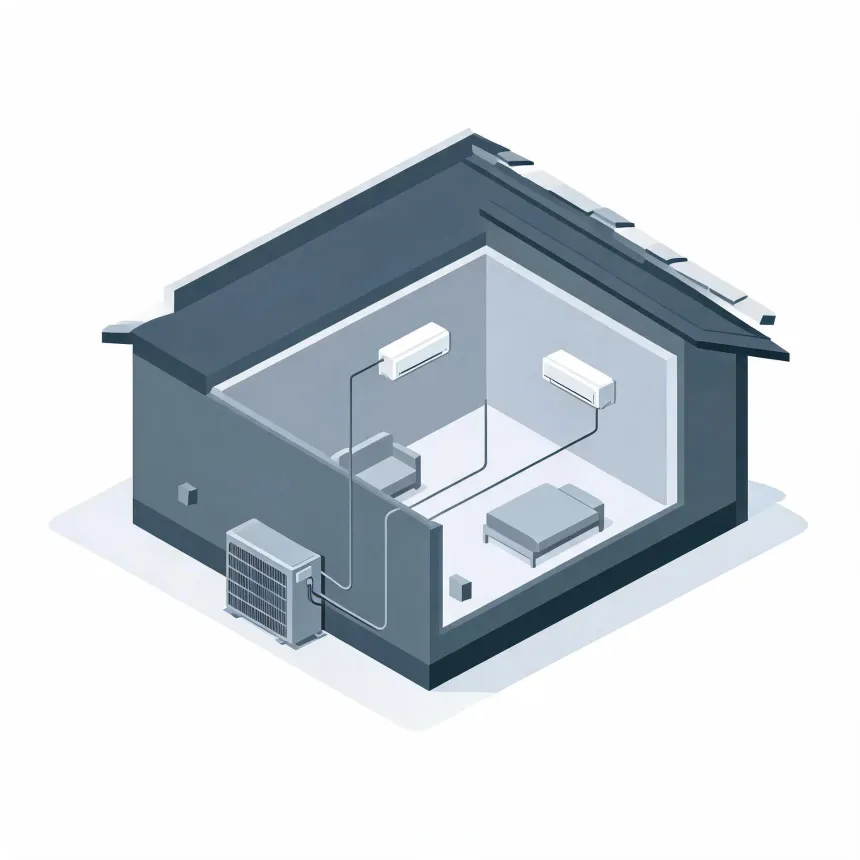
A multi-zone system splits its capacity across every indoor head running at once. Ask how many zones the outdoor unit can run at the same time, not just how many it can connect to. A unit that can connect to several heads may struggle if all of them call for cooling on the same afternoon.
A mini split needs its filters cleaned and its outdoor coil kept clear of leaves and debris to keep running well. Ask whether the installer offers that service or whether it falls to you. Some systems also need a line set vacuum check down the road, and that's not a job for someone without the right gauges.
The cost of a mini split install comes down to how much the house asks of the crew before the unit ever goes on the wall. A single zone with a short line set run and an outdoor unit close to the indoor head is the simplest version of this job. Add zones and that changes fast, since each indoor head needs its own line set run, its own power, and its own spot that makes sense for airflow. Running line sets through a finished wall or up through multiple floors takes more time than running them through an attic or a basement. The electrical panel matters too. Some panels have room to add a new circuit without any upgrade, and some don't, and that's not something to guess at before an inspection. None of this is about the unit itself. Systems with the same rating can cost very different amounts to put in, depending on what the house asks of the crew doing it.
The crew starts outside, picking the spot for the outdoor unit and running the line set path before anything gets mounted. That line carries refrigerant, power, and a drain line between the outdoor unit and each indoor head. It has to be brazed, pressure tested, and sealed before the system ever turns on. Once the indoor head is mounted and the line set connected, the installer pulls a vacuum on the line to clear out moisture and air, since either one left behind will keep the system from running right. Only after that vacuum holds does the refrigerant get released to charge the system. The last steps get checked just as carefully. The charge gets verified against what the manufacturer specifies, each zone gets tested to confirm it calls for heat or cooling correctly, and the drain gets run to make sure condensation has somewhere to go.