
Can a mini split cool a whole Wisconsin home

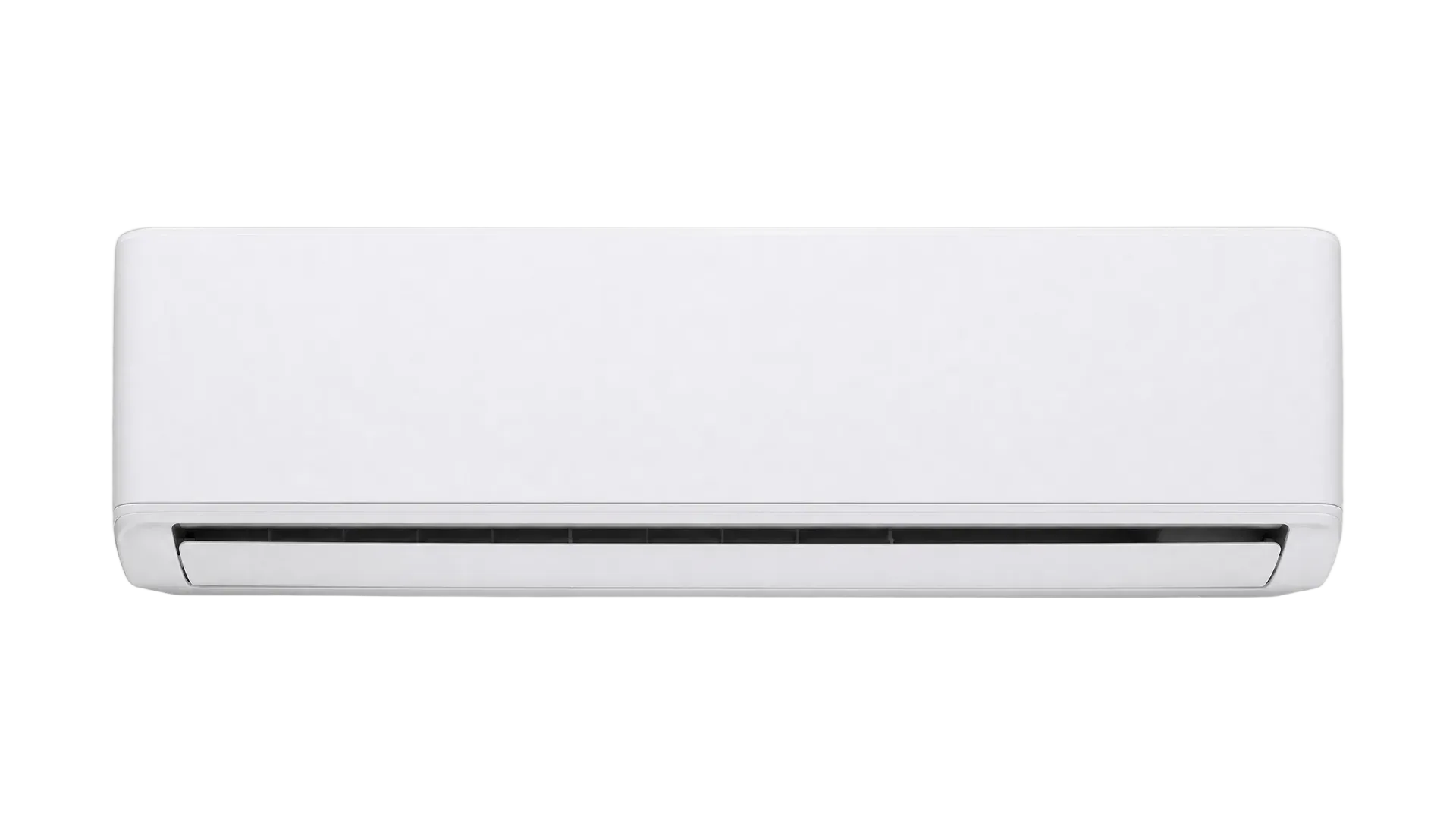
A white wall-mounted mini-split air conditioner indoor unit with a dark horizontal air outlet vent, shown against a plain light gray background.
Skip the search

Can a mini split cool my whole house in Wisconsin?

A single mini split keeps one or two rooms cold, but a lot of Wisconsin homes still have central air as a backup or none at all, and you're wondering if one unit, or even a few, can actually handle the whole house once the humidity sets in and every room is shut up with the AC running.

Usually not with one unit, but a multi-zone system can

A single mini split head is built to cool the room it's in, maybe an open space next to it, not a whole house with separate bedrooms and closed doors. Wisconsin summers get humid enough that a house relying on one indoor unit will feel it in the rooms farther away, even with a door cracked open. To cover the whole house, a contractor sizes a multi-zone system with an outdoor unit feeding several indoor heads, one per room or area, each running on its own thermostat. That matters here because most homes run gas heat and only use electricity to cool, so the mini split is doing all the summer cooling work on its own, with no ductwork to lean on and spread the air around.

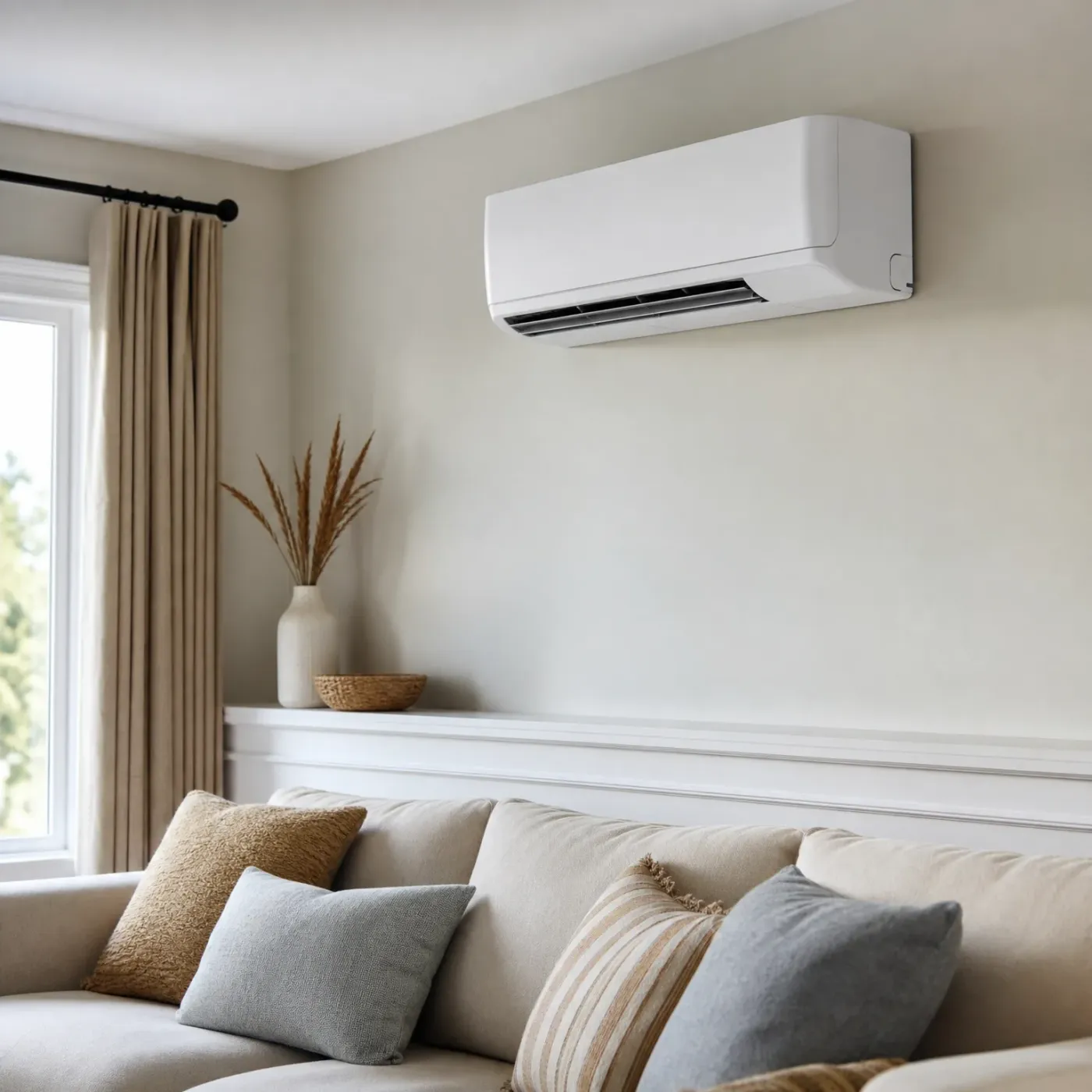
A white wall-mounted mini-split air conditioner installed high on a beige interior wall near the ceiling, with a sheer curtain and window at the left edge.

One room, done right

A single mini split holds a room exactly where you set it. The one shown here sits near the ceiling, quiet, pulling the sticky air out of a bedroom or living room without pushing your whole house through ductwork. For the space it covers, it works.


A white wall-mounted mini-split air conditioner indoor unit with visible dust and discoloration, installed near the ceiling on a plain beige wall.

Asked to do too much

Push one head to cover the whole house and this is what shows up: dust building on the coil, the cabinet staining, the unit running long and hard just to keep up. It's not failing, it's undersized for the job someone's asking it to do.

A woman with long dark hair in an olive green shirt over a white top sits indoors, looking off to the side and smiling slightly, with a blurred kitchen, dining table with a plant in a vase, striped cushions, and a glass door in the background.
A woman in a cream knit sweater stands in a home interior looking to the side, with a bookshelf, armchair, framed pictures and a potted fern in the background.
A woman with long brown hair in a cream knit sweater sits on a gray couch indoors, looking off to the side toward a window.
A woman with long wavy auburn hair in a dark sweater stands indoors looking off to the side, with a stone fireplace, shelves and a bright window behind her.

A mini split cools by moving refrigerant, not by pushing air through ducts. That is why one indoor head only cools the room it hangs in. To cover a house, a contractor installs a multi-zone outdoor unit that feeds several indoor heads at once, one per room, each sized to what that room needs on a hot, sticky July day. Each head runs on its own thermostat, so the room where someone sleeps can stay cooler than the kitchen without a fight over the setting. The outdoor unit has to be matched to all those rooms running together, not just one. Any room without its own head depends on air drifting in from a hallway or through an open door, and that only works if the layout allows it. Getting heads into every room also means running a line set and electrical wiring to each one, which is real work inside a house that wasn't built for it, and part of why this is a job for someone who installs these for a living.

How a whole-home system actually works

  • A single mini split head moves heat with refrigerant, not air, so cold only reaches the room where that head hangs.
  • A whole-home setup uses a multi-zone outdoor unit feeding several indoor heads, each one sized to its own room's heat load.
  • Every head has its own thermostat and its own blower, so a bedroom can run colder than a kitchen on the same system.
  • The outdoor unit has to be sized for the total load of every zone running at once on your muggiest July afternoon.
  • Rooms with no head of their own stay comfortable only if air can move into them from a hallway or an open doorway.
  • A whole-home mini split system still needs a line set and a wiring path run to each room getting its own head.
A dusty white wall-mounted mini-split air conditioner unit installed near the ceiling on a plain light-colored interior wall, with a small recessed ceiling fixture at upper left.
Before you get your mini split installation
A white wall-mounted mini-split air conditioner installed high on a beige interior wall below crown molding, with a sheer white curtain on a dark rod at the left edge.
After you get your mini split installation

A single-zone mini split is sized to the room it's in, not the rest of the house, so running it harder won't push cold air down a hallway or into a closed bedroom.

Covering the whole house takes enough indoor heads to match the square footage and layout, sized room by room, which is why a contractor measures each space before quoting the job.

Power costs 18.08 cents per kilowatt-hour statewide

At 18.08 cents a kilowatt-hour, every hour your mini split runs shows up on the bill, but a properly sized system only moves heat out of the rooms that need it instead of cooling space nobody's using. Get the zones right and you're not paying to cool a hallway.

EIA-861 2025 statewide residential average

One mini split left as is

If the mini split in your house is only covering the room it's in, the rest of the house rides on whatever's backing it up, often a gas furnace with no AC attached, or an old window unit propped in a bedroom window. On a sticky July night, that means the room with the mini split stays cold and the rest of the house doesn't. Kids sleeping down the hall, a home office upstairs, a living room where everyone gathers after dinner, all of it depends on air finding its way there on its own, which it won't.

Zones added where you need them

Add indoor heads sized to the rooms that run hot, and each one answers to its own spot instead of fighting for air that has to travel through a house. A bedroom that used to need a window unit gets its own head. A living room that never cooled past uncomfortable holds the temperature you set. You stop running one unit harder hoping it reaches further, and every room where someone actually spends time gets covered on its own terms.

A woman holds a sleeping boy wrapped in a gray knit blanket on a couch, with a lit table lamp and houseplant blurred in the background.
An older woman in a cream knit sweater smiles while looking off-camera in a warmly lit kitchen, with a round loaf of bread on a wooden board in the foreground and a dark window behind her.
A white wall-mounted mini-split air conditioner on a pale wall above a beige sofa with assorted cushions, beside a window with long curtains and a shelf holding a vase of dried grasses and a woven bowl.

No quotes to chase

One installer gets your project, so there's no bidding war over it.

Describe the project once instead of to every installer.

Skip the calls

Sending the form costs nothing.

One Zone or Whole-House Cooling

One zone, left alone

  • The room with the head stays cold even on the stickiest July afternoon, because that's the only space it was sized for.
  • Bedrooms and living rooms down the hall still depend on the furnace's ductwork, and most gas furnaces here have no AC attached to push cold air through it.
  • A window unit can cover a second room, but it's another thing to install every spring and pull out every fall.
  • Rooms without their own cooling run warmer as the house works to shed heat gained through the walls and windows all day.
  • At 18.08 cents a kilowatt-hour, running the one head harder to try to cool more space just raises the bill without reaching the far end of the house.

Whole house, zoned out

  • A multi-zone outdoor unit feeding a head in every main room means each one cools only its own space, sized to that room's load.
  • No ductwork to run, so a contractor can place heads in rooms a central system was never built to reach.
  • Every room holds its own temperature, so a bedroom can run cooler at night while the kitchen stays where you left it.
  • Sizing the whole layout right the first time means not paying to cool a hallway or a guest room nobody's using that day.
  • Finding a contractor who's sized multi-zone systems for homes like yours, rather than calling around to a handful of installers and explaining your house from scratch, gets you one local answer instead of five different ones.
A two-story house with beige siding, a covered front porch and dark shingled roof, set behind a mown lawn with a wet concrete walkway leading from the street curb, flanked by large green trees and shrubs.

A dew point in the 60s is what makes July feel heavier than the thermometer says, and NOAA puts the Wisconsin summer average right at 60°F. A mini split handles that moisture itself, pulling it out of the air as it cools, which is part of why the room with a head feels less clammy than a window unit ever managed. But that only happens in the zone it's sized for. A hallway or back bedroom with no head still carries that same sticky air all summer, and nothing about the mini split next door changes that.

NASA POWER T2MDEW county cells weighted by homes

A mini split can cool your whole house, but only if it was planned that way, with enough zones sized to each room's heat load, not one head left to do the job alone. That's the piece worth getting right before anyone starts drilling line sets. A contractor who installs these systems every summer in Wisconsin knows which rooms get missed when someone tries to cover a house on the cheap, and which ones hold steady through a sticky July afternoon. Once you request installation, you're matched with one licensed local contractor, not a handful of companies competing for your callback, so you explain your house once and talk through the layout with someone who already knows what fails when a system's undersized. No more guessing whether the quote in front of you accounts for the room over the garage or the one at the end of the hall. You'll know, going in, whether your home needs two heads or five, and whether the furnace stays on for backup or steps aside.

A single-story stone-clad house with low-voltage path lights along a gravel bed and lawn at dusk, with a tree line and orange sky on the horizon.

Mini Split Installation

Skip the calls to every shop

New system or replacementMini-splitWisconsin
Step 1 of 2

What ZIP code is the job in?

  • A cream chunky cable-knit throw draped over a beige upholstered armchair beside a bright window, with a wooden side table holding a book and a vase of leafy branches at left.
    • Get in touch with a local installer about a new mini split.
    • A local installer who puts in mini splits gets your project.
  • Living room corner with a gray sofa holding beige pillows and a knit throw, a round wooden coffee table with a dark planter and shallow bowl, a jute rug, a floor lamp, a framed landscape print on the wall, and a window showing trees.
    • One request ends the search for a mini split installer.
    • Send the form and the search for an installer is over.
  • A living room corner with a cream sofa and cushion, knit throw, wooden coffee table holding a shallow bowl and dark ceramic vase with green foliage, a floor lamp, potted plant in a woven basket, and linen curtains at a window.
    • Skip searching for a mini split pro and answer a few questions instead.
    • One form replaces the calls you'd make to find a mini split pro.
  • A round reclaimed-wood coffee table with a black metal base sits on a woven rug in front of a cream sofa with cushions, with a lit built-in fireplace and a tall indoor tree in the background.
    • Your request stays with one local pro.
    • Your request goes to one pro, not a list of companies.