
Is a mini split good for an older Wisconsin home

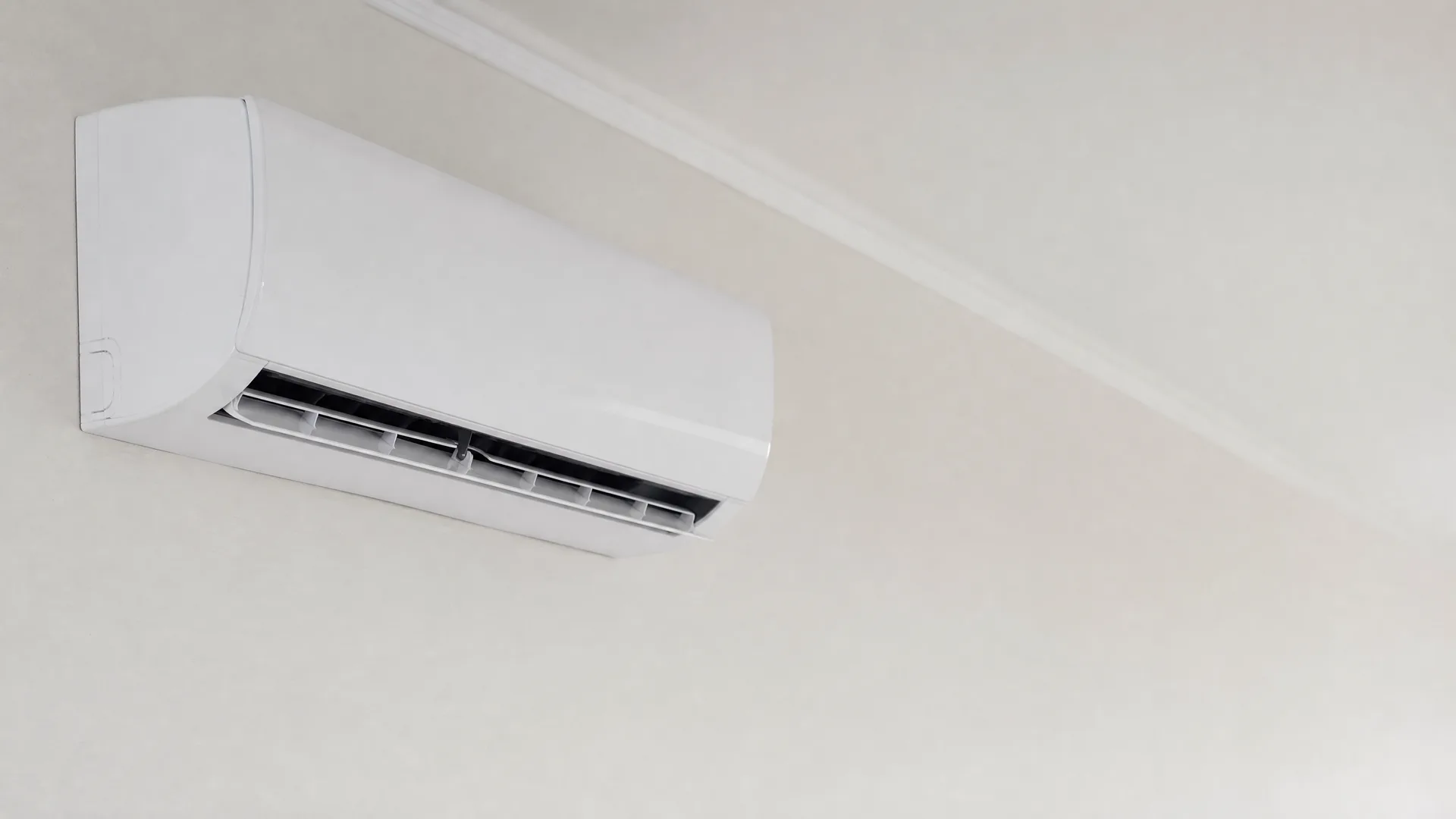
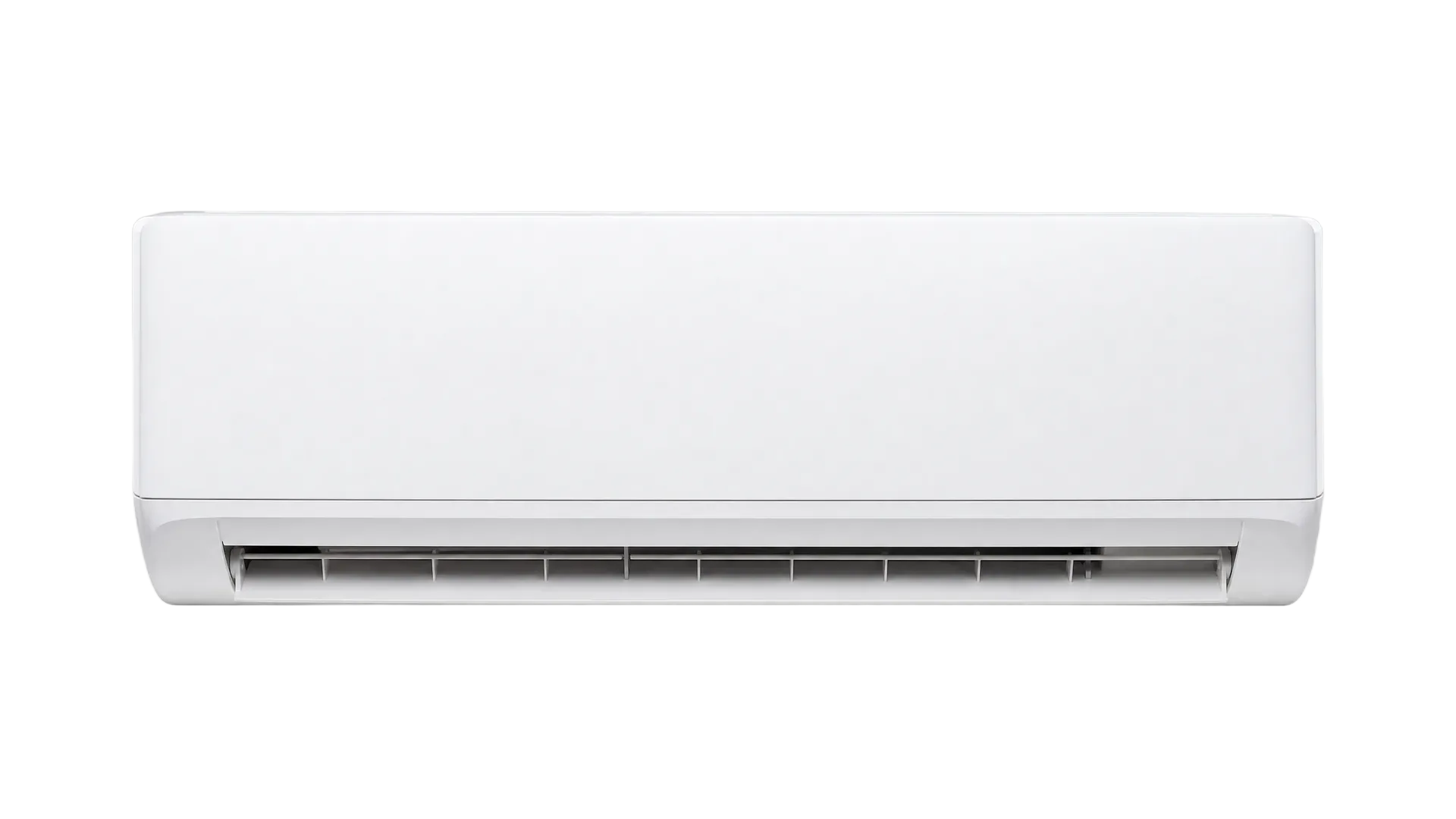
A white wall-mounted mini-split air conditioner indoor unit with a horizontal louvered vent, shown against a plain light gray background.
Get matched

Is a mini split good for an older Wisconsin home?

An older home wasn't built with central air in mind, and ductwork can be a mess to add or a mess to use if it's already there. You're weighing a mini split against whatever it is you have now, trying to figure out if it will actually keep the house comfortable through a sticky Wisconsin summer and hold up through winter, or if it's a mismatch for a house this age.

Yes, a mini split works well in an older Wisconsin home, especially if it doesn't have ductwork already

A mini split doesn't need ducts, so it sidesteps the biggest obstacle older homes usually have for central air. Each indoor unit cools and heats the room it's mounted in, which suits a house where rooms were added on over the years or insulated unevenly. In summer, when it gets sticky here, a mini split pulls humidity out of the air it treats, same as central air would, without you having to retrofit a duct system into walls that were never built for one. For winter, most mini splits installed today are heat pumps rated to keep working in cold well below freezing, though most homes here still lean on gas for the coldest stretches. Since power is expensive here, running a mini split for everything is worth thinking through room by room.

A white wall-mounted mini-split air conditioner on a light gray wall in an empty room with dark wood flooring, white baseboards, a tray ceiling with recessed lights, and a window at the left.

Running clean

A mini split that's keeping up looks like this: mounted high, quiet, blowing cold air straight into the room. In July and August, that's the difference between a bedroom you can sleep in and one you can't. No ductwork to fight, no window unit blocking the light.


A wall-mounted mini-split air conditioner indoor unit with a yellowed plastic casing and dark horizontal vent louvers, installed on a plain light-gray wall.

Needs attention

Dust built up on top and dark residue around the vents means the filter isn't catching what it should. Airflow drops, the unit works harder, and your power bill shows it. Left alone, it strains to cool the room at all, especially on Wisconsin's muggiest days.

A woman with long wavy brown hair in a grey ribbed sweater sits on a couch indoors, looking toward a window, with a potted palm-like plant and fireplace behind her.
A woman with long brown hair wearing a green V-neck top and beige cardigan sits on a light sofa, looking off to the side, with a dining table, lamp and framed picture in the background.
A woman with long dark hair in a cream knit sweater sits on a beige sofa indoors, looking toward a bright window with a houseplant and framed picture in the background.
A woman with long dark hair in a green knit sweater sits on a couch indoors, smiling and looking toward a window with a blurred room behind her.

A mini split doesn't work like the furnace or window unit you're used to. Each indoor head has its own inverter compressor cycle, so instead of kicking on full blast and shutting off, it ramps to hold the temperature you set. The outdoor unit pushes refrigerant through a line set to whichever heads you've installed, and only those rooms get direct heating or cooling. Put heads in three rooms and those three rooms are covered, nothing else. One outdoor condenser can run several heads at once, each on its own thermostat, which is what lets you cool the upstairs bedrooms without touching the rest of the house. For winter, a cold-climate model reverses that same refrigerant cycle to pull heat out of the outside air, even when it's below freezing, so it's heating without a gas line running to it. Installing a head only means a line set through a small hole in the wall, not new ductwork. And because most of the energy goes into the compressor adjusting itself rather than just moving air, it runs differently than a furnace or a window AC ever did.

How a mini split actually runs

  • Each indoor head runs its own inverter-driven compressor cycle, so it ramps up or down instead of switching fully on and off like a window unit.
  • The outdoor unit sends refrigerant through a line set to each wall-mounted head, and only the rooms with a head get direct cooling or heat.
  • A single outdoor condenser can run one head or several, called a multi-zone system, each zone controlled on its own thermostat.
  • Below freezing, a cold-climate mini split pulls heat from outside air using the same refrigerant cycle in reverse, which is how it heats a room without gas.
  • The line set runs through a hole in the wall a few inches wide, which is why installers can add a zone without opening up ductwork.
  • Most of the energy use comes from the compressor ramping to hold a set temperature, not from blowing air, which is why it behaves differently than a furnace or a window AC.
A wall-mounted mini-split air conditioner indoor unit with a dusty, discolored cover, installed near the ceiling on a plain light-colored wall.
Before you get your mini split installation
A white wall-mounted mini-split air conditioner unit installed high on a light gray interior wall below crown molding, with a bamboo-shaded window at the lower left.
After you get your mini split installation
A white wall-mounted mini-split indoor unit on a pale interior wall above a gray sectional sofa with cushions, next to a potted leafy tree and a floor-to-ceiling window showing green trees outside.

Get your mini split to the right pro

One installer gets your project, so there's no bidding war over it.

A local installer who puts in mini splits gets your project.

Reach a local pro

It costs nothing to send, and you don't have to hire anyone.

Mini Split vs. What You Have Now

Mini split

  • Heats and cools from the same unit, so a room stays comfortable in January and July without two different systems.
  • Each head cools only the room it's in, which matters most in a house where one bedroom always runs hotter than the rest.
  • Needs a line set and a small hole through the wall, not a run of ductwork through rooms that were never built for it.
  • Keeps running efficiently at low settings since the compressor adjusts its speed instead of shutting fully off and restarting.
  • Doesn't tie into your gas line, so it won't help on the furnace side of a cold snap unless you're using it to heat too.
  • Adds one more outdoor unit and one or more wall-mounted heads to the outside and inside of the house.

What you have now

  • A furnace already uses the gas line most Wisconsin homes are built around, so winter heat doesn't depend on electricity working hard.
  • Window units cool one room at a time but have to go in and come out with the season.
  • Central air pushed through old ductwork can lose cold air before it reaches the room you're trying to cool.
  • Electric baseboard or resistance heat draws on expensive power directly, with no compressor cycle to ease the load.
  • A furnace paired with no air conditioning leaves you without a cooling answer for the sticky stretch of summer.
  • Ductwork, once it's in a wall or floor, is hard to change if a room always runs too warm or too cold.
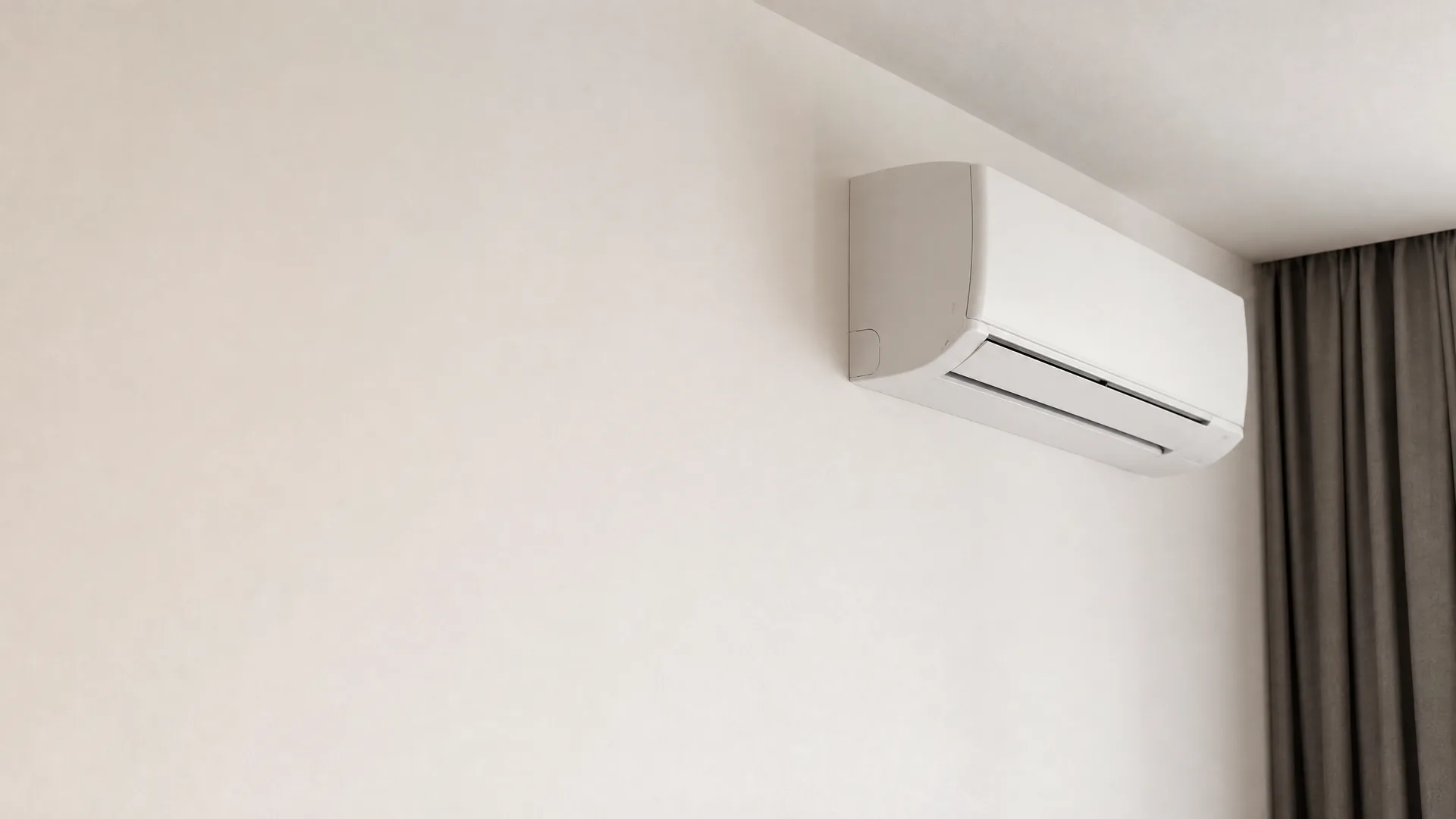
A white wall-mounted mini-split air conditioner installed high on a beige interior wall below crown molding, with a window and light curtain on a black rod at right.
A mini split like this is doing its job: clean lines, cold air reaching the far corners of the room.
A wall-mounted mini-split air conditioner indoor unit with a dusty off-white casing and dark lower vent, installed high on a plain light-colored wall below a ceiling molding.
A unit this dusty is losing airflow, and in an old house with one head covering a lot of square footage, that shows up fast.

Is your mini split actually keeping up with your house?

You notice it in the room the head wasn't really built for, the one down the hall or up the stairs that stays warm after the rest of the house has cooled off. Maybe the unit runs most of the day in August and the air coming out still feels weak. Maybe you hear it cycling more than it used to, or there's a film of dust on the intake that's been there longer than you'd like to admit. In an old house, one undersized or badly placed head gets asked to cover more square footage than it can handle, and when that happens all winter and all summer, the room it's failing stays the one no one wants to sleep in.

  1. A technician sizes each room's heat loss and gain before picking equipment.

  2. The outdoor condenser gets mounted on a pad or wall bracket outside.

  3. A line set carries refrigerant through a small hole to each indoor head.

  4. Indoor heads get mounted high on the wall, one per zone.

Power costs 18.08 cents per kilowatt-hour statewide

At 18.08 cents a kilowatt-hour, what your mini split pulls to run matters more here than in most states. The inverter compressor works in your favor, since it draws less once a room's cooled down instead of cycling on and off at full power.

EIA-861 2025 statewide residential average

A white wall-mounted mini-split air conditioner indoor unit installed near the ceiling on a plain beige wall.

Wall and ceiling framing

An older house usually has solid wood framing in the walls and ceiling joists, which matters when a line set has to get from the outdoor unit to each indoor head. A contractor drills a hole a few inches wide for the line set and wiring, then seals it. The work goes through whatever the wall is made of, plaster, lath or old wood siding, and a crew that's done this before knows how to patch it so it doesn't stand out.

A white wall-mounted mini-split air conditioner on a plain off-white interior wall, with a gray curtain at the right edge.

Where the heat actually goes

Heat loss in an older home isn't even room to room. A room over a crawlspace or next to an uninsulated attic loses heat faster than one tucked in the middle of the house. Sizing a mini split means measuring that room, not guessing from square footage alone. A head picked for the wrong room runs harder than it should and still leaves that room colder than the rest of the house in January.

A mini split works in an older Wisconsin home. It cools rooms your house was never built to cool, and it does it without new ductwork. It heats alongside the gas furnace you already have, taking over the rooms that need it most and easing off everywhere else. With power running 18.08 cents a kilowatt-hour, that matters, since the inverter compressor pulls less once a room's where you want it instead of running flat out the whole time. What decides whether it works for your house is sizing: each room's heat loss and heat gain, the walls the line set has to pass through, where the outdoor unit can sit. Get that right and the rooms that used to run hot in July or cold in January stop being a problem. Get it wrong and you've got a unit working harder than it should for less comfort than you paid for.

A smiling older woman with gray hair in a loose bun wearing a ribbed beige sweater stands in a dimly lit kitchen beside a window showing darkness outside, with a loaf of crusty bread on a wooden board in the foreground.
A woman with her hair in a bun holds a sleeping boy against her shoulder, both wrapped in a thick cream knit blanket on a couch in a dim room with a lit lamp, potted plants and a shelf behind them.

Mini Split Installation

The right pro for this job

Your request goes to one pro, not a list of companies.

A black smartphone standing upright against a plain light gray background, its screen filled with solid green.
New system or replacementMini-splitWisconsin
Step 1 of 2

What ZIP code is the job in?