



Can a mini split heat a Wisconsin home in winter

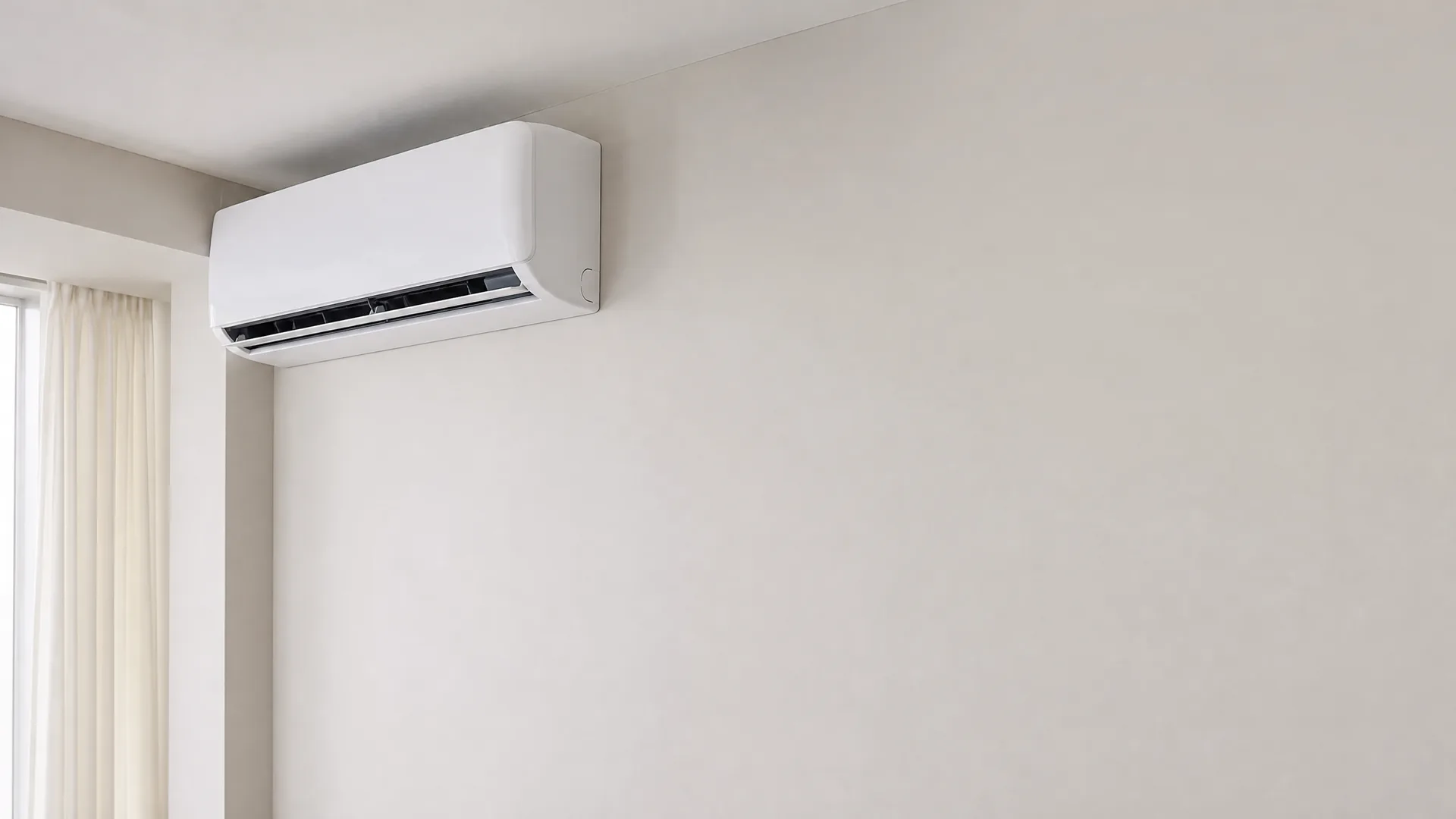
A white wall-mounted mini-split air conditioner indoor unit with a horizontal louvered air outlet, shown against a plain light gray background.
Get a mini split pro

A mini split can heat a Wisconsin home in winter, but most will struggle once temperatures drop into the single digits or below. A mini split works by pulling heat out of the outside air, even cold air, and moving it inside. That gets harder as the air gets colder, and below a certain point, the unit can't pull enough heat to keep up, so output drops right when you need it most. Some newer cold climate models are built to keep working down to around negative 15 degrees, but older or standard units lose real capacity well before that. Outdoor coils can also ice over in the damp cold, which cuts heating further until the unit defrosts itself. For most Wisconsin homes, that means a mini split works best as a second source of heat, backing up a furnace rather than replacing it, unless the system installed is specifically rated for this climate.

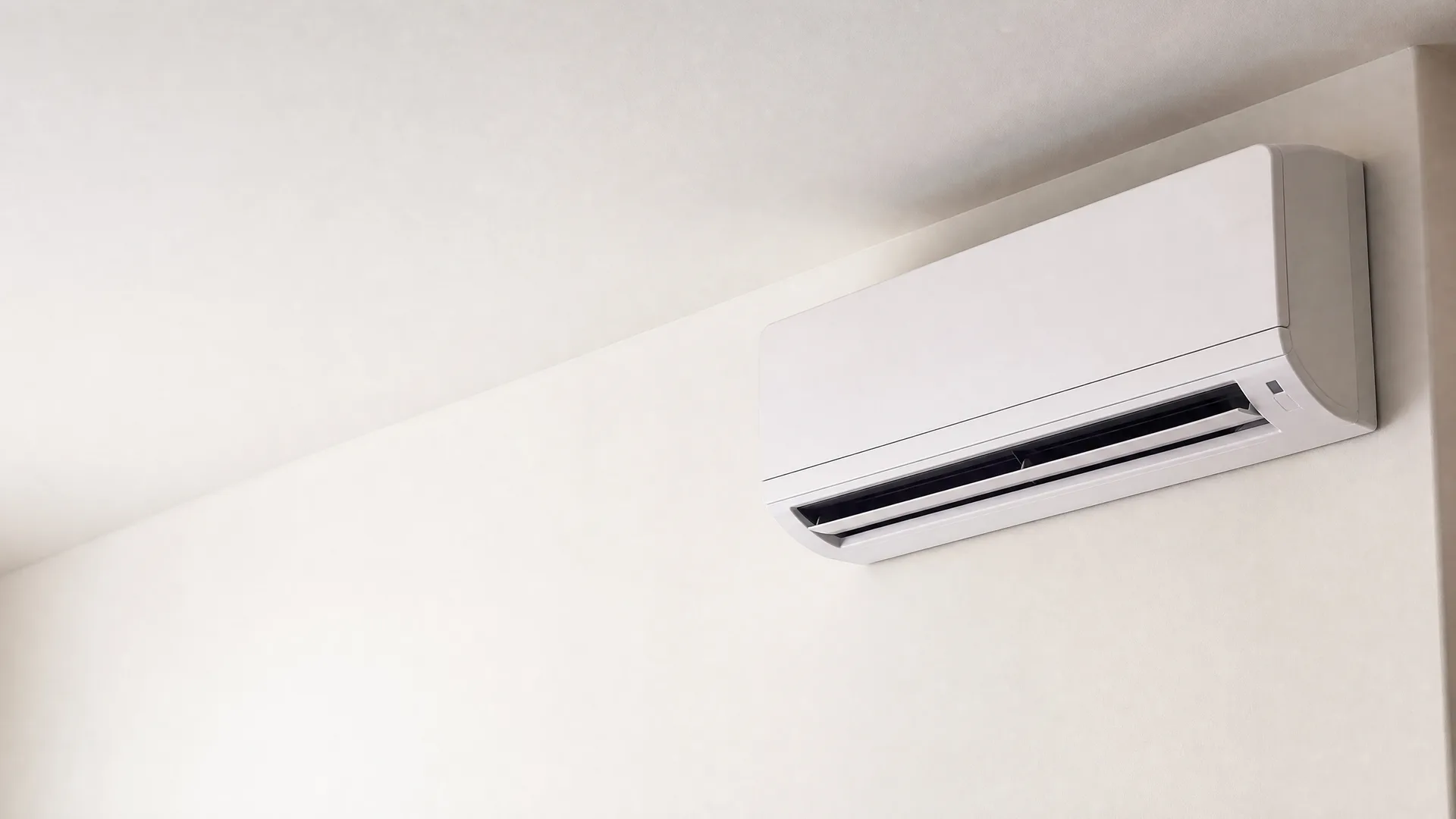
A wall-mounted mini-split air conditioner indoor unit with a dusty beige casing and dark louvered vent, installed near the ceiling on a plain beige wall.
Before you get your mini split installation
A white wall-mounted mini-split indoor unit installed high on a gray interior wall, with a sofa, dark table and window visible in an adjoining room to the right.
After you get your mini split installation

A mini split doesn't make heat the way a furnace does. It pulls heat energy out of the air outside, even when that air is cold, and carries it inside through refrigerant lines to the head on your wall or ceiling. That process keeps working below freezing, but it gets harder as the outdoor temperature drops. Somewhere around 5 degrees, frost starts forming on the outdoor coil, and the unit has to pause and run a defrost cycle to clear it before it can keep heating. Cold-climate units handle the cold better because the compressor runs at variable speed, picking up output as it gets colder instead of just cycling on and off. That's why most Wisconsin installations keep the gas furnace in place. Once it gets too cold for the heat pump to keep up on its own, the furnace takes over. Some units also have electric resistance backup built in for the coldest stretches, though it pulls more power than the compressor does. And because there's no ductwork, the indoor head only heats the room it's actually mounted in, so where it goes matters.

How a mini split makes heat

  • A mini split uses a refrigerant cycle to draw heat energy out of outdoor air and release it indoors through a wall or ceiling-mounted head.
  • Below about 5 degrees, the outdoor coil can frost over, so the unit runs a defrost cycle that briefly pauses heating to clear the ice.
  • Cold-climate mini splits use a variable-speed compressor that ramps up output as the temperature drops, instead of switching on and off at one fixed speed.
  • Most installations in Wisconsin pair the mini split with the existing gas furnace, letting the furnace take over once outdoor temperatures fall too low for the heat pump to keep up.
  • The indoor head has to be sized and placed to reach the rooms it serves, since a mini split heats the space in front of it rather than pushing air through ductwork.
  • Electric resistance backup inside some units can hold indoor temperature during the coldest stretches, though it draws more power than the compressor does.
A woman wrapped in a thick wool blanket sits in an armchair with an open book on her lap, beside a lit lamp and a frost-patterned window.
A woman in a cream knit sweater sits in an armchair indoors, eyes closed and smiling, beside a window showing yellow and orange autumn foliage, with a mug on a wooden side table and shelves holding vases behind her.

Cold-climate models hold up longer

Standard mini splits lose most of their output by the time it gets into the single digits. Cold-climate models are built with a different compressor, one made to keep pulling heat out of outdoor air well below zero. Some can still put out heat down to negative 15 or lower. If you're picking a unit for a Wisconsin winter, that spec matters more than the price tag or the brand name. Ask what the unit is rated to do at the temperatures your area actually sees, not just at 47 degrees, which is the number most spec sheets lead with.


Most homes still need backup heat

Gas furnaces are what most homes around here already have, and that's not a bad thing to keep. A mini split can carry the heating load on milder days, but once temperatures fall hard, a furnace that's already in the house can take over without you having to think about it. Running both means the mini split handles the easy stretches and the furnace handles the rest. That split also matters for the electric bill, since power here costs more than gas, and leaning on a mini split alone through the coldest weeks adds up.

An older man with gray hair, a dark coat and scarf dusted with snow stands in a warmly lit entryway with an open wooden door, a table lamp, framed pictures, and a plant in a vase.
An older man with gray hair and a beard wearing a dark snow-dusted coat stands in a home entryway, with a lamp-lit living room and a wooden staircase behind him.
An older man with gray hair and a beard, wearing a dark snow-dusted coat, stands in a warmly lit home entryway with a hallway, console table with lamp, patterned rug, and living room visible behind him.
A gray-haired bearded man in a dark snow-dusted coat and scarf stands inside a dimly lit home entryway, with a hallway, framed picture, lit table lamp and staircase behind him.
A white wall-mounted mini-split air conditioner unit high on a light gray interior wall, with a beige curtain and window at the left and wood-look flooring below.

Sized and installed for the cold

A mini split installed for Wisconsin winters keeps a steady output even as the temperature drops outside. The coil stays clean, the defrost cycle runs as it should, and the head keeps pushing warm air into the room without strain.

A dusty white wall-mounted mini-split air conditioner indoor unit with open louvers, installed near the ceiling on a plain light-colored wall.

Struggling to keep up

Dust and grime on the coil and vents force the unit to work harder for less heat. A mini split in this shape loses output exactly when a Wisconsin winter is asking the most of it, and the room never quite gets warm.

Power costs 18.08 cents per kilowatt-hour statewide

At that rate, a mini split still comes out ahead of straight electric resistance heat, since it moves heat instead of generating it. But next to a gas furnace, every kilowatt-hour it draws on the coldest days costs more than a therm would.

EIA-861 2025 statewide residential average

  1. Refrigerant inside the outdoor coil absorbs heat from the cold outside air

  2. A compressor pressurizes that refrigerant, raising its temperature further

  3. Refrigerant lines carry the heat to the indoor head

  4. A fan in the indoor head pushes warm air into the room

Why does one room feel cold while the mini split keeps running

You'll notice the head blowing air that doesn't feel very warm, or running constantly without the room catching up. Some owners notice the outdoor unit humming through a defrost cycle more often once it gets cold, with steam coming off the coil. If the mini split is your only heat source in that room and it can't keep pace, the gas furnace elsewhere in the house may be carrying more of the load than you'd expect, which shows up on the bill. A unit working this hard in weather it wasn't sized for also wears faster, so a cold room in January can mean a shorter life for the equipment.

A two-story gray horizontal-siding house with gabled roof and covered entry, fronted by a lawn, trees, a wet concrete walkway and sidewalk, and a wet street in low sunlight.

Summer here isn't just hot, it's heavy. Across June, July and August, the dew point averages 60°F in Wisconsin, based on weather data for the state. That's the same mini split doing double duty on the cooling side, pulling moisture out of the air as it cools the room. A unit sized and installed with that in mind keeps the indoor coil from icing up and keeps the air from feeling clammy even when the room temperature looks fine. If your mini split struggles to keep up on muggy days now, that's worth fixing before winter puts different demands on the same system. Once you send the form, you're done hunting for someone to look at it.

NASA POWER T2MDEW county cells weighted by homes

A mini split pro near you

Send the form and stop researching installers for the new mini split.

There's no charge for the request.

A white wall-mounted mini-split air conditioner installed near the ceiling on a plain beige interior wall.
A mini split that's sized right and kept clean holds its heat output even when the compressor has to work harder in the cold.
A dusty, discolored wall-mounted mini-split air conditioner unit near the ceiling of a plain beige interior wall.
A mini split left to run year after year without service loses capacity, and discoloring like this often comes with a coil that isn't pulling heat like it used to.

Mini Split Alone vs. Paired With Gas

Mini split alone

  • On the coldest days the head may blow air that feels cool rather than warm, even while it keeps running.
  • Defrost cycles pause heating every so often when the outdoor coil frosts over, so output dips in short stretches.
  • A single zone leaves the rest of the house to find heat some other way once the temperature outside drops far enough.
  • Electric rates in Wisconsin make every kilowatt-hour the compressor draws on a cold night cost more than a therm of gas.
  • A mini split sized for shoulder-season use will fall short once the compressor is asked to work through a Wisconsin winter.

Mini split with gas furnace

  • The furnace covers the hours the mini split can't, so the house stays warm straight through the single digits and below.
  • The mini split can still handle the milder days, which keeps the furnace from cycling on for every small heat loss.
  • Most homes in Wisconsin already have the gas line and ductwork in place, so the furnace isn't an added system to plan for.
  • Switching between the two during a cold snap means never relying on the mini split alone when it's working hardest.
  • Running the furnace on the coldest nights avoids paying electric rates for heat that gas would deliver for less.
A white wall-mounted mini-split air conditioner near the ceiling of a room with plain beige walls and a pale curtain at the left edge.

Running a mini split alone

A mini split carries the heat load by itself when it's sized for Wisconsin winters and there's no backup system behind it. On the coldest nights it still has to keep up with every degree the house loses, with nothing else to lean on. If the outdoor coil frosts and the unit goes into defrost, the room it serves cools a little until the cycle finishes and heating resumes.

A white wall-mounted mini-split air conditioner indoor unit installed near the ceiling on a plain off-white interior wall.

Running it alongside gas

Most homes in Wisconsin already heat with a gas furnace, and a mini split can work next to it instead of replacing it. The furnace covers the house on the coldest days, when the mini split's output drops off, and the mini split handles the milder stretches of fall and spring where it runs efficiently. Since power here costs more than gas, splitting the load this way can mean less reliance on electric heat exactly when electric heat costs the most to run.

A woman stands in the open front doorway of a single-story house with stone and wood siding while a man in a dark polo shirt and cap walks toward it along a concrete path.

Yes, with the right setup

A mini split can carry a Wisconsin home through winter. Whether it does comes down to the unit itself and how it was put in. A cold-climate model, sized for the house and installed with the defrost cycle and coil in mind, keeps putting out heat even when it's below zero outside. A standard unit put in without that in mind will leave you cold on the nights you need it most.

That's the part worth getting right before the snow flies, and it's not something to work out alone. A contractor who installs mini splits for this climate can look at your house, your gas setup, and what you're trying to get out of the unit, and tell you what it needs. Once you send the form, that's who reaches out, matched to what your home actually needs.

A speckled beige ceramic vase holding thin dried branches sits on a round wooden table near a window with sheer curtains, with a dark upholstered chair and draped blanket blurred in the background.
A single-story stucco house at dusk with a lit paver walkway lined by low path lights, desert plants and boulders in front, and distant mountains under an orange and blue sky.

Mini Split Installation

A local pro for your mini split installation

New system or replacementMini-splitWisconsin
Step 1 of 2

What ZIP code is the job in?

  • A corner of a room with an upholstered wood-framed armchair holding a floral pillow, a round side table with a ceramic lamp, books and a vase of greenery, a framed landscape painting on the wall, a patterned rug, and a sunlit multi-pane window.
    • Describe your mini split job, and a local pro who handles it gets in touch.
    • Say what's going on with your mini split, and a pro who works on them reaches out.
  • Interior corner with a wood-framed window showing green foliage outside, a framed landscape print on a beige wall, and a rounded stone vase of leafy branches on a wooden cabinet.
    • After you send the request, you're done searching.
    • Send the form and the search for an installer is over.
  • A pale ceramic vase holding olive branches sits on a dark wooden countertop beside a carved wooden dough bowl, next to a wood-framed window and a light painted plank wall.
    • Describe the project once instead of to every installer.
    • Answer a few questions instead of calling shop after shop.
  • A dark wood round side table holding a brass lamp with a cream shade, a blue-and-white patterned bowl, and a white textured pot of greenery, beside an upholstered chair with a gray patterned cushion and a white-framed window showing green trees and flowering shrubs.
    • One installer gets your project, so there's no bidding war over it.
    • Only one pro gets your request, so you hear from one company.