
AC Repair in Wisconsin
Across the counties where its people live, Wisconsin recorded less severe weather from 2015 to 2024 than 37 of the other 49 states.
Tell us about the job
Takes about a minute. No obligation.
- 79°Fsummer afternoon high where people live
- 3 monthsof cooling, June through August
- 17.18¢ per kWhwhat homes paid for power in 2024 (kWh means kilowatt hours, the unit on an electric bill)
- 2,261hail events from 2015 to 2024
Summers here don't push an AC hard Three mild months, June through August
- Southern counties need about 32% more cooling than northern ones
- Summer afternoons average 79°F where people live
- Cooling runs June through August
- 2,261 hail events from 2015 to 2024
- 3,511 damaging wind events from 2015 to 2024
- 18% of homes lost power a day or more in 2024

Half of Wisconsin's homes were built in 1975 or earlier
June is when most AC trouble turns up. The system sat all through May without running, and the first stretch of real use shows whatever was already weak. A capacitor that was marginal last August doesn't get better sitting idle all winter and spring. A low charge doesn't fix itself either.
Wisconsin only asks three months of cooling from a home, June through August, fewer than in most states. So a system here isn't working against a long, hard season. If it's struggling in the first weeks of June, the cause is something in the unit, not the weather.
This AC hasn't been fighting the weather
Afternoons here average 79°F across June, July and August, milder than 41 other states see. Cooling only runs three months a year to begin with, and it isn't fighting extreme heat during them. A compressor or a coil here isn't working as hard as the same part in a hotter state, year after year. So when one fails, the likelier reason is age or a part that was already going, not a system worn down by the climate. That's usually good news for repair. A unit that's been getting an easy summer every year is more likely to still be sound everywhere except the one part that broke.
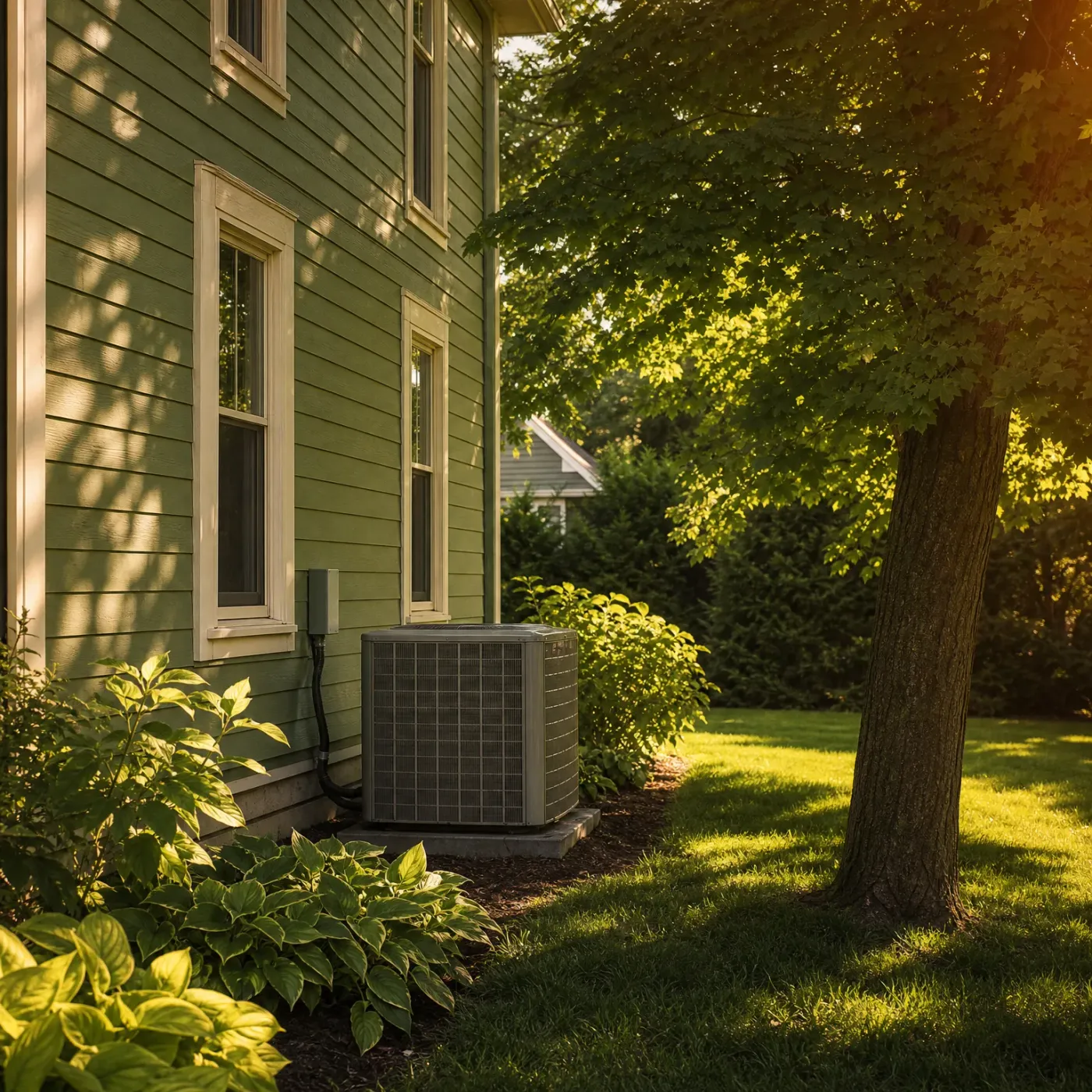
3 months of cooling, June through August
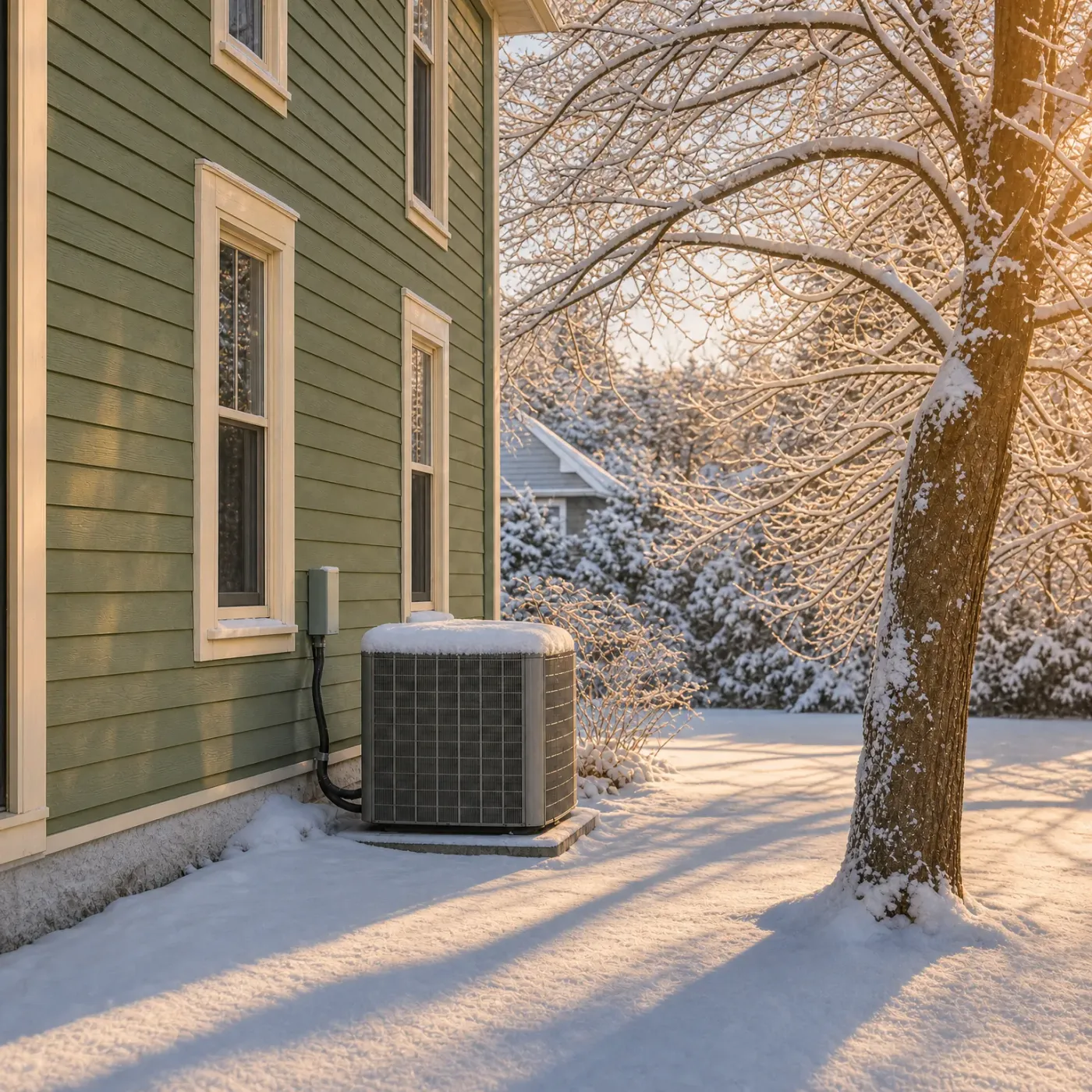
9 months of heat, September through May
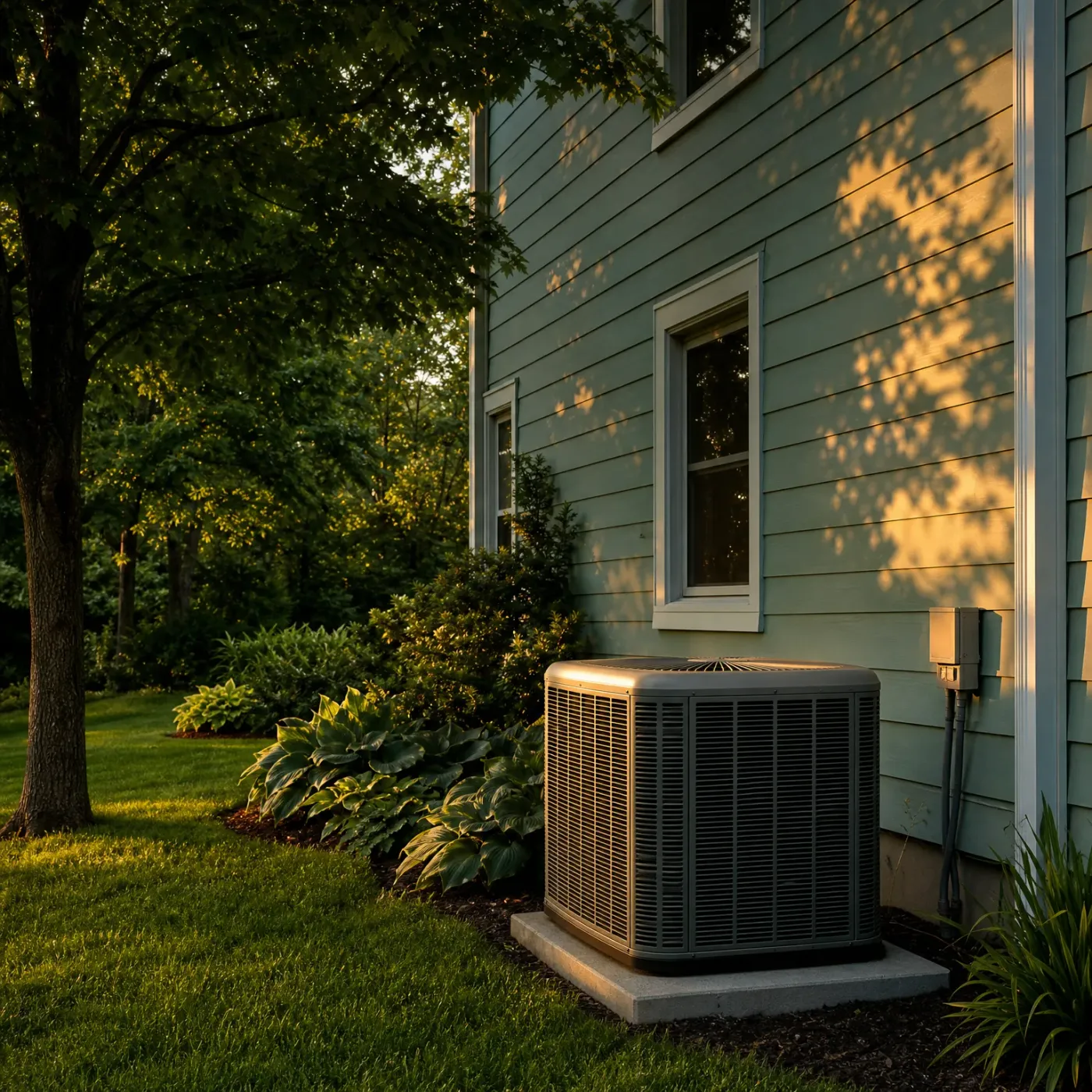
Wisconsin's summers aren't the same in every county. Homes in the southern counties need about 32% more cooling over a year than homes in the northern counties. The same unit, the same age, works harder in the south just from where it sits.
Milwaukee County runs cooling about three months a year, the longest stretch in the state. Vilas County runs close to none most years. A compressor in Milwaukee is cycling on and off through a real summer. The same unit in Vilas County barely gets asked to do anything, so a failure there is less likely to be the heat catching up with it.
Afternoons get hottest in Rock County, where the June through August high averages 81°F. Iron County stays mildest at 75°F. That gap is the difference between a coil that sheds heat easily all summer and one working a little harder on every hot afternoon.
None of this changes what to check first when something breaks. A failed capacitor fails the same way in Rock County as it does in Iron County. But a system in the southern counties has logged more hours and more heat by the time something goes wrong, so wear across the whole unit is worth a look, not just the part that quit. A system up north that fails is more likely to have failed on its own, regardless of the season it just had.
What does an AC in Wisconsin face?
How hot do summer afternoons get?
79°Faverage afternoon high where people live
Alaska66°F
Arizona101°F
How many months does the cooling run?
3 monthsof cooling a year
Alaska0 months
Hawaii12 months
What does electricity cost?
17.18¢per kWh, what homes paid in 2024
North Dakota11.51¢
Hawaii42.86¢
How often do storms hit?
152severe weather events per county from 2015 to 2024
Alaska5
Wyoming1,057
How many homes lost power for a day or more?
18%of homes in 2024
Arizona7%
Maine54%
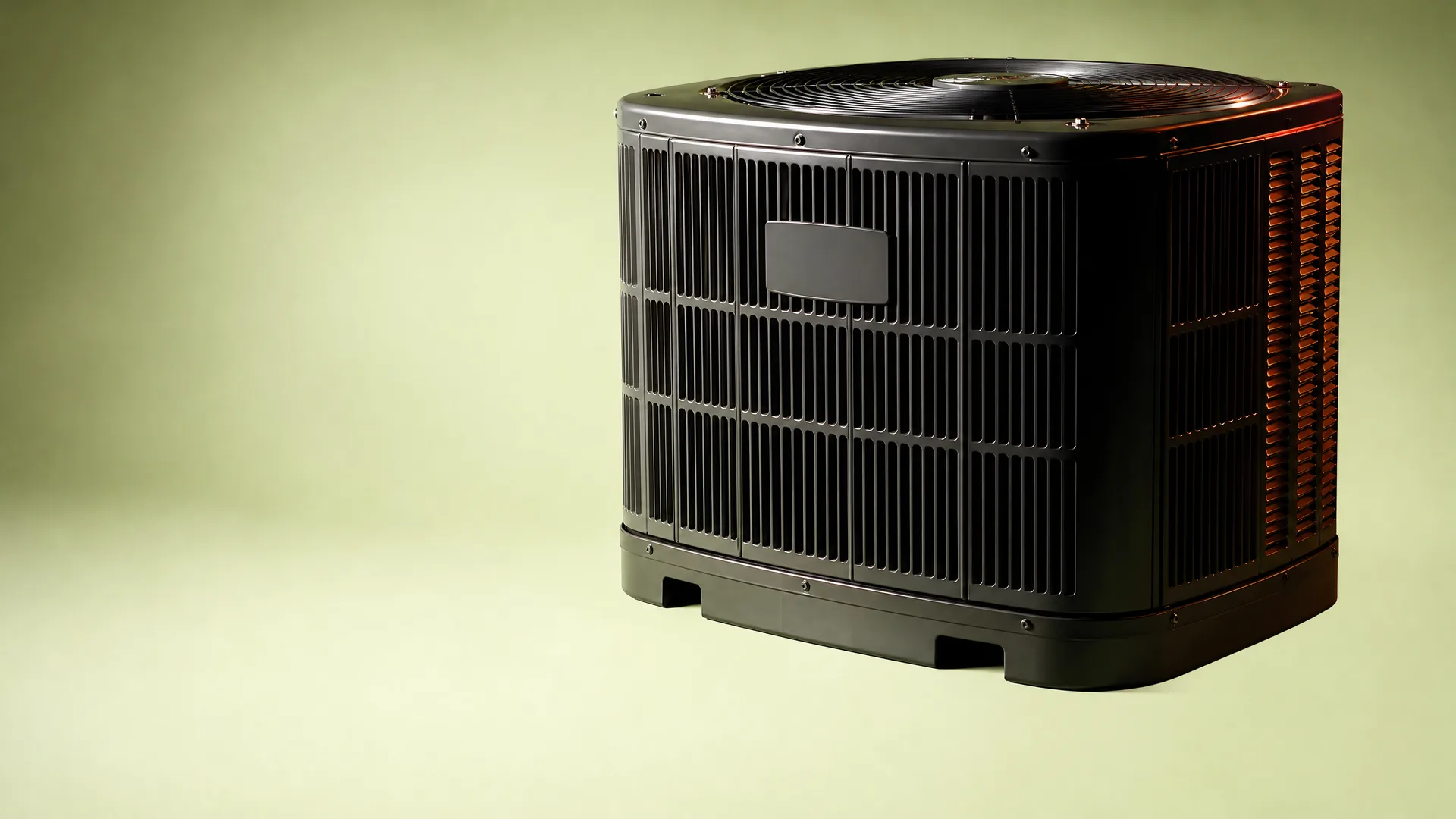
What tells you the AC needs a repair
Warm air from the vents instead of cold is the one everybody notices first. Sometimes that means the outdoor compressor has quit. Sometimes it's a low charge or a coil so dirty it can't shed heat. Short cycling is another sign. The unit kicks on, runs a few minutes, shuts off, then starts again before the house ever cools down. That's hard on the compressor, and it usually points to a refrigerant problem or a thermostat sensor reading wrong. Listen for anything new. A hum with no air moving often means a failed capacitor. A hard metallic noise can mean a loose blower wheel or a motor bearing going out. Ice on the refrigerant line is never normal. It means airflow is restricted somewhere, by a dirty filter, a blocked return, or low refrigerant, and running the system with ice on it only makes things worse. Water pooling near the indoor unit usually means the condensate drain is clogged and needs clearing before it backs up into the house. None of these get better by waiting. A weak capacitor that lets the compressor limp along this week can leave it dead the next.
Repair it or replace it
Age is the first thing worth knowing before deciding what to do with a failed unit. A compressor failure on an old system is usually the end of the line. A new compressor can cost close to what a whole new outdoor unit runs, and a straight answer from whoever comes to look at it will say so. A capacitor, a contactor, a clogged drain, those are cheap parts worth fixing no matter how old the system is. Refrigerant is its own question. Older systems use a type that's being phased out, and a leak that needs chasing down and refilling means something different on a system that old than on a new one. Count the repairs too, not just this one. A system that's had a capacitor replaced, then a motor, then a control board, all within a short stretch, is telling you something a single repair bill won't. Each fix was probably reasonable on its own. Together they mean the system is wearing out across the board, not failing in one spot.
An older house, an older AC
Half the homes in Wisconsin were built in 1975 or earlier. If your house is one of them, the AC inside it may not be original, but it's worth finding out. A unit that's been running since the house was built is well past the point where a major repair makes sense. If the compressor turns out to be the problem, ask how old the outdoor unit actually is before agreeing to pay for a new one. That number changes the answer.
AC trouble here is worth sorting out before the next hot stretch, not during it.
Tell us about the job
Takes about a minute. No obligation.
Answer a few questions about the problem and hear back from a licensed Wisconsin contractor.