




A tall trimmed hedge runs along a mown lawn in front of a row of dark-sided townhouses with brown shingled roofs, framed by leafy tree branches under an overcast sky.

AC Repair in Waukesha, WI

Tell us about the job

Takes about a minute. No obligation.

RepairCentral ACWaukesha County, WI
Step 1 of 2

What ZIP code is the job in?

Waukesha County saw 212 severe weather events between 2015 and 2024. Damaging wind caused 103 of those, hail another 77, and 10 tornadoes touched down in that span too. An outdoor AC unit sits outside through all of it, exposed to whatever comes through. Hail can dent the fins or bend them flat against the coil underneath. Wind-driven debris can nick the coil or jam the fan. A unit that still runs after a storm isn't proof it came through fine.

3 months
June through August, your air conditioner is on duty
80°F
the average summer afternoon it cools against
77 hail events
in ten years, and hail bends the fins on outdoor coils
103 wind events
in ten years, and wind drives debris into outdoor units
Isometric grayscale illustration of a cutaway house showing interior rooms, ductwork, an indoor air handler, and an outdoor condenser unit on a pad connected by lines.
Your air conditioner works hardest from June through August.

NOAA nClimDiv, 1991–2020 normals

A capacitor weakens slowly, then the compressor just won't start one day.

If your AC is struggling to kick on, don't wait for it to quit for good.

If the House Is Newer, Fix It and Move On

Half the homes here were built by 1981
Climate zone 5A
Power here costs 20.20 cents per kilowatt-hour
The First Hot Week Finds the Weak PartHomes here start cooling in June and run it through August.

If your house is one of the newer ones, repair is usually worth it before replacement even comes up. A unit that's a few years old likely just needs the damaged part swapped out, not a full teardown. Ask the contractor what's actually wrong before you talk about a new system. A bent fin or a weak capacitor doesn't mean the whole unit is done, it means that one part is done.

If It Took a Hit, Get It Looked At

After a storm comes through, have the outdoor unit checked even if it's still cooling the house. Bent fins and a nicked coil don't always stop the unit from running, but they don't fix themselves either.

Find a contractor
A gray cylindrical air conditioning condenser unit mounted on a concrete pad next to a light-colored vinyl-sided house exterior.

What to Check Before You Call

Before you call anyone, cut power to the unit at the breaker and look at the outdoor cabinet. Check the fins for anything a storm could have bent or driven into them, and look for debris sitting against the coil or caught in the fan. Inside, check the thermostat batteries and make sure it's actually set to cool. Check the air filter. A clogged filter starves the system of airflow and can ice up the coil, and once that happens the unit won't cool right until the ice melts off. Look at the outdoor disconnect, the small box near the unit with a pull block inside, and make sure it's seated in all the way. Check the breaker panel for a tripped switch. None of this fixes a bad capacitor or a dead compressor, but it rules out the simple stuff before someone drives out to look at it.

A Frozen Coil Can Ruin the Compressor

When airflow is restricted or the charge is low, the coil can ice over. Some homeowners keep running the unit hoping the cold air comes back. Instead the compressor starts pulling in liquid refrigerant instead of gas, and that's what compressors fail from. Shutting the system off and letting the ice melt is the right move, not pushing it harder.

A Noise Today Is a Breakdown Tomorrow

A grinding or squealing fan motor doesn't fix itself by running longer. The bearings wear a little more every hour the unit operates, and a motor that seizes can take other parts down with it if it locks up mid-cycle. The same goes for a compressor making a hard clacking sound. Catching it while it's still a noise is a smaller job than catching it after it stops.

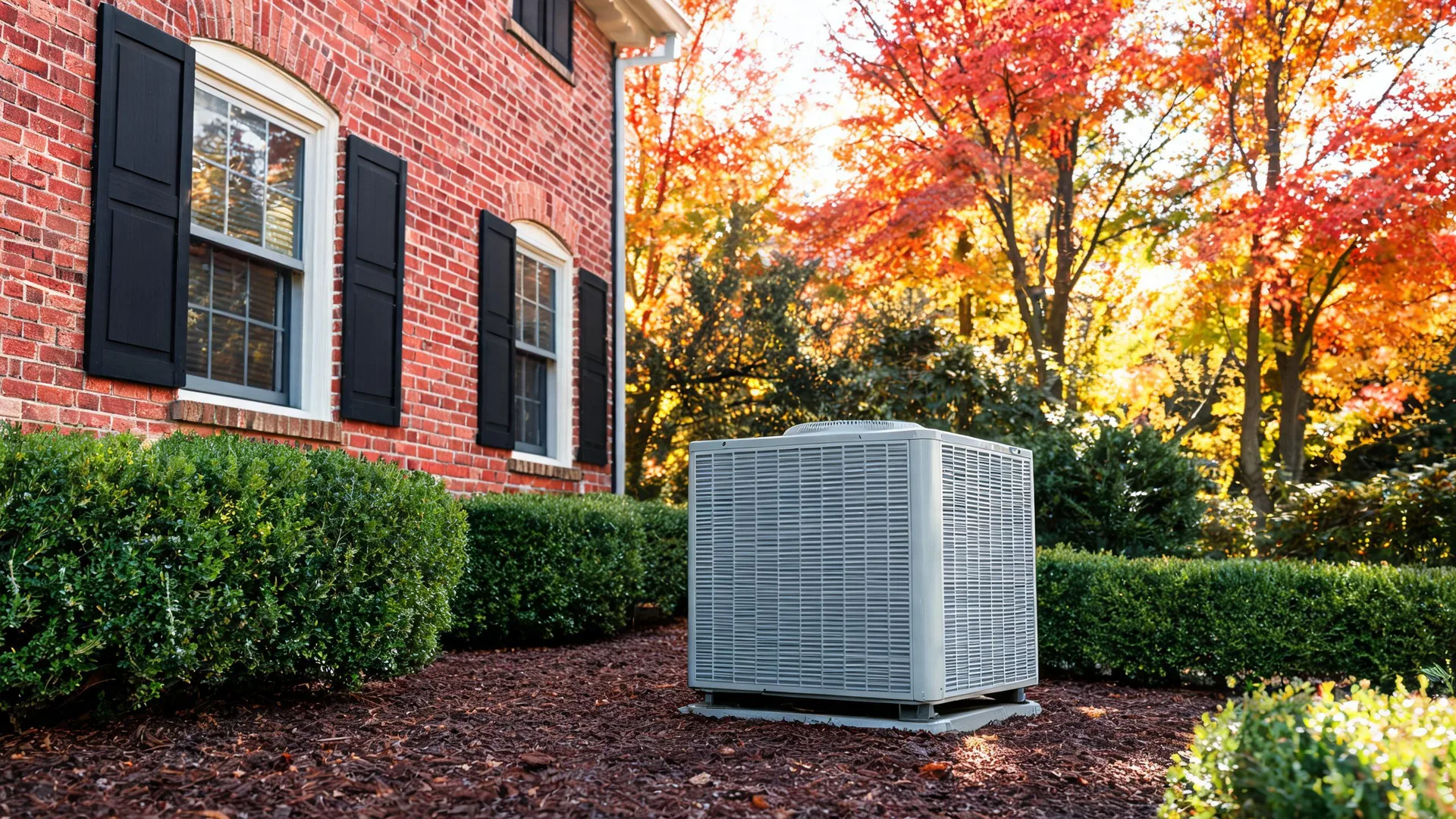
An outdoor air conditioning condenser unit on a concrete pad next to the gray vinyl siding of a residential home.

A new air conditioner would save little on running costs in Waukesha County, so the repair decision comes down to the unit's condition.

  • A new one at the federal minimum, 13.4 SEER2$170 a year
  • An older air conditioner$180 a year

Estimates for a typical Waukesha County home, compared with an older unit built to the previous federal minimum, from EIA household energy data, Wisconsin fuel prices and NOAA climate normals. Your home will differ.

Repair makes sense when a part like a capacitor or contactor has failed.

Replacement makes sense when the compressor has failed or the system uses R-22 refrigerant, which is no longer made.

At some point a contractor will tell you the repair costs real money and the unit is getting old, and that's the moment to actually weigh it instead of defaulting either way. Look at what's failing. A capacitor, a contactor, a fan motor, these are normal wear parts and swapping one doesn't say anything bad about the rest of the system. A compressor is different. It's the heart of the unit, it's expensive to replace on its own, and a contractor who finds one failing will usually tell you straight that putting money into it doesn't make sense. Age matters alongside the part, not instead of it. A unit near the end of its expected life that needs a second or third repair in a short stretch is telling you something, even if each repair on its own looks small. One that's younger and otherwise sound is usually worth fixing, full stop.