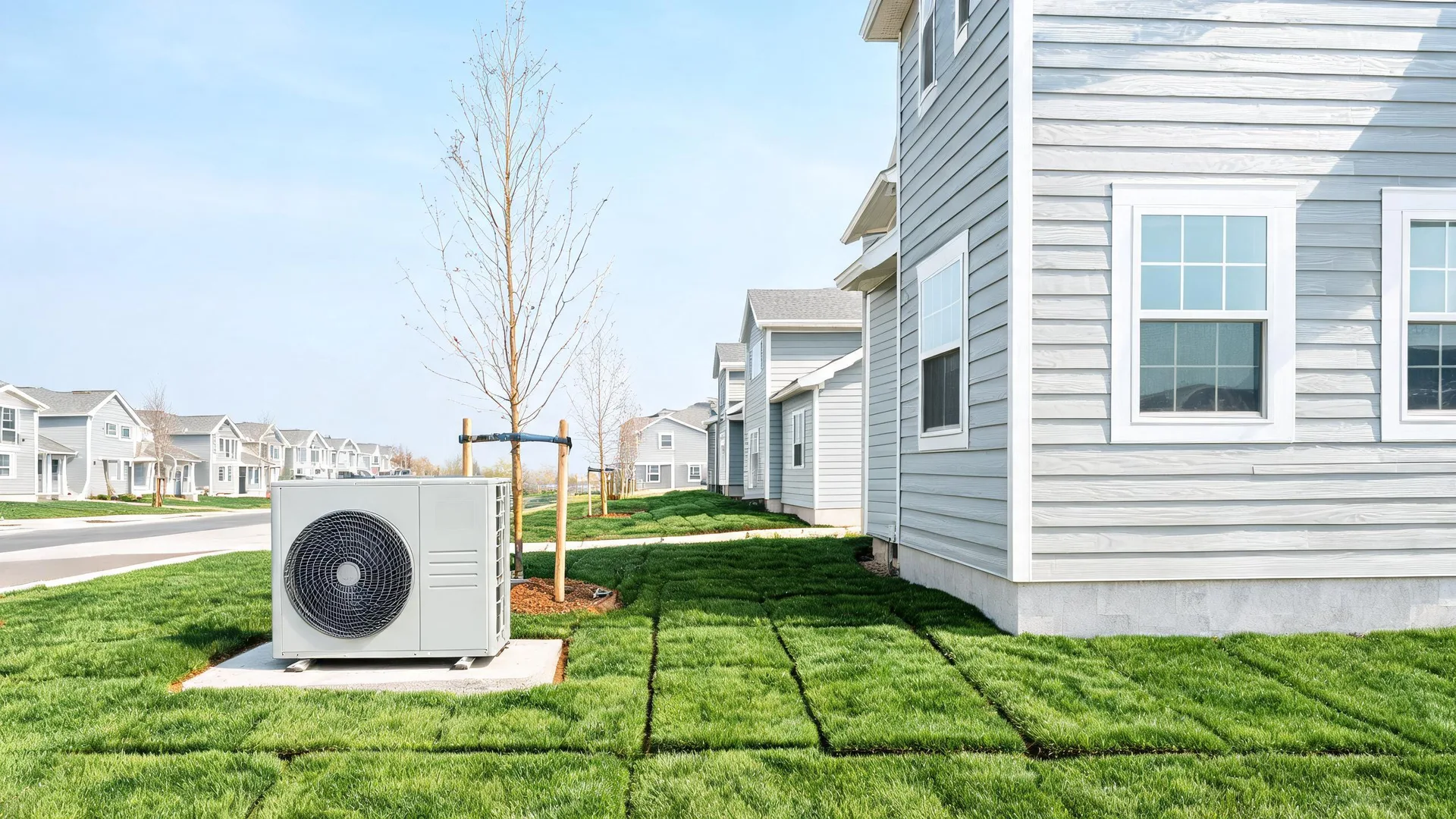
Half these homes were built in 1979 or later
Portage County splits down the middle on age. Half the homes here went up in 1979 or later. If yours is one of them, the air conditioner isn't fighting decades of wear from an old house.
Takes about a minute. No obligation.
Portage County splits down the middle on age. Half the homes here went up in 1979 or later. If yours is one of them, the air conditioner isn't fighting decades of wear from an old house.
Central air installed with a newer build hasn't had as many years to break down. A compressor or capacitor acting up in a system like that is often one bad part, not the whole unit failing.
NOAA nClimDiv, 1991–2020 normals
Warm air blowing from the vents means the system is running but not cooling.
That points to a refrigerant leak or a failing compressor, not a thermostat setting.




Before anyone comes out, check the thermostat is set to cool and the temperature is actually below room temperature. Go to the breaker panel and make sure the breakers for the air handler and the outdoor unit haven't tripped. Pull the air filter and hold it up to a light. If you can't see light through it, that's airflow the system isn't getting, and it's worth replacing before anything else. Walk outside and look at the condenser. If the fan isn't spinning, or you can hear it humming without turning, don't keep running it, since that can burn out the compressor. Check that nothing is blocking the outdoor unit, no leaves packed against the coil, no grass clippings, nothing sitting on top of it. If the vents are blowing but the air isn't cold, that's not something a filter change or a breaker reset will fix, and it's time to call someone.
A system that only has to work two months a year isn't carrying the kind of wear that ends in replacement. Whatever is wrong with it now is more likely a single part giving out than the unit reaching the end of its life. Worth having someone look at it before the rest of July and August put any more load on that part.
Find a contractor
If the house came with a system installed when it was built, and that was 1979 or later, that system has not been running long in machine years. Two months of work a summer is light duty, and a compressor or capacitor that's struggling after a run like that usually just needs the one part replaced. Worth getting it looked at rather than planning to replace the whole unit.
A capacitor loses its charge over time and stops giving the compressor and fan motor the kick they need to start. A contactor pits and burns from constant cycling until it won't pass power. These parts fail on their own schedule, and when one goes, the rest of the system is usually fine.
A clogged filter or a coil covered in dust makes the system work against itself. The evaporator coil can ice over, and a compressor forced to run against bad airflow takes damage that a filter change won't undo. Catching it at the capacitor or contactor stage is a lot simpler than catching it after the compressor is the problem.
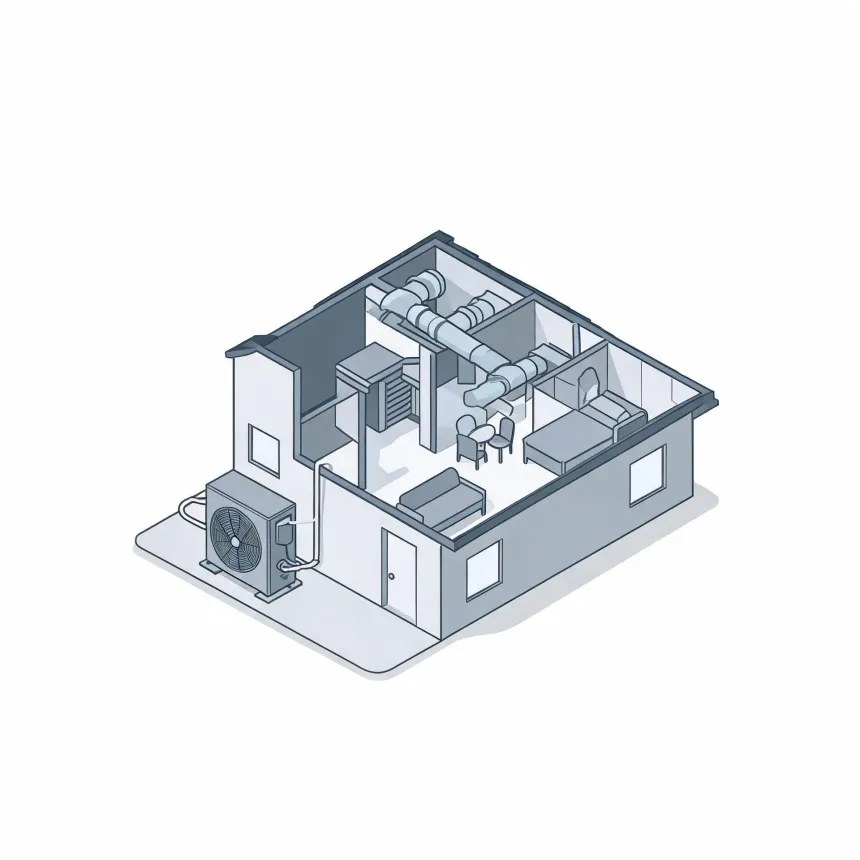
Estimates for a typical Portage County home, compared with an older unit built to the previous federal minimum, from EIA household energy data, Wisconsin fuel prices and NOAA climate normals. Your home will differ.
Repair makes sense when a part like a capacitor or contactor has failed.
Replacement makes sense when the compressor has failed or the system uses R-22 refrigerant, which is no longer made.
A diagnostic visit starts before any panel comes off. A tech will ask what the system is doing, when it started, and whether it's blowing warm air, short cycling, or not turning on at all. That changes where they look first. They'll check the thermostat's call for cooling is actually reaching the unit, then move to the electrical side: the capacitor, the contactor, the wiring at the disconnect. Gauges go on next to check refrigerant pressure, since that tells them whether they're dealing with a leak, a failing compressor, or a dirty coil that's choking airflow. They'll pull the blower access panel and look at the evaporator coil for ice or dust buildup. Most of this is narrowing down which single part quit, not inspecting the whole system from scratch.