One zone, one room
A mini split head warms or cools the room it's mounted in. Close the door and the hallway or bedroom down the hall stays whatever temperature the gas furnace and ductwork leave it at.
Most Wisconsin homes do fine with one mini split zone for the room it serves, and a separate zone for each other room you want it to reach, since a single indoor unit heats and cools the space it's in and not much past it. A great room or open living and kitchen area can often run on one zone. Bedrooms down a hallway usually need their own, especially if you want them cool at night in July without pushing cold air at the rooms around them. Because most homes here heat with gas, mini splits are often added for cooling and for shoulder season heat rather than to carry the whole house through a Wisconsin winter, so the count of zones usually matches the rooms where you want that extra comfort, not the whole square footage of the house. A contractor who walks the rooms with you can tell you where one zone will cover two spaces and where it won't.


A mini split head warms or cools the room it's mounted in. Close the door and the hallway or bedroom down the hall stays whatever temperature the gas furnace and ductwork leave it at.
An installer local to Wisconsin who sets up mini splits every season will look at ceiling height, windows, and layout, not just room size, before deciding how many zones your home needs.

This head is sized to the room it hangs in, and it shows. The air comes out steady, the room holds its temperature on a sticky July afternoon, and the unit itself stays clean because it isn't straining to cover ground it was never meant to reach.

This is what happens when a single head gets asked to cover more than its room, or runs nonstop trying to make up for a space the furnace and ductwork don't reach well. The casing yellows, the vents stay open fighting a losing battle, and the room next door never gets comfortable.




A contractor measures each room to size the head correctly.
Line sets run from each indoor head to one outdoor condenser.
The condenser is matched to handle the combined zones.
Each zone runs its own temperature from its own remote.





The dew point across a Wisconsin summer averages 60°F, per NOAA. That's the sticky air that makes a room feel warm even when the thermostat says it isn't. A single mini split zone pulls that moisture out of the room it's mounted in, which is why that room feels dry and even while the rest of the house still feels thick. Rooms without their own zone don't get that same wringing-out, since the furnace ductwork isn't built to manage humidity the way a mini split head does. A contractor who installs these year-round in Wisconsin homes sizes each zone with that dew point in mind, not just the square footage, so the room actually holds up on the muggiest afternoon instead of just running colder.
NASA POWER T2MDEW county cells weighted by homes
One installer gets your project, so there's no bidding war over it.
No charge to send it. You decide if you hire them.
Get the zone count wrong and you feel it in specific rooms, not in some abstract way. The spare bedroom where grandkids sleep when they visit stays whatever the furnace and ductwork leave it at, because the mini split next door was never sized to reach that far. On a muggy July night that matters: the zoned room sleeps fine, the one down the hall doesn't cool off until morning. Try to make one zone do the work of two and the unit runs harder than it was built to, which wears it down faster than a correctly sized setup would. It also runs up the bill. Wisconsin power rates are high, and a mini split working overtime to cover square footage it wasn't matched to is spending electricity on comfort it isn't delivering to the room that needs it. There's a planning cost too. Guess low on zones now and adding one later means a second line set, a second trip to size and mount an outdoor condenser, work that could have been done once if the household's actual rooms, the ones people sleep in, cook in, and gather in on a cold night, were accounted for from the start. A contractor who walks the house and counts the rooms that actually need their own comfort gets this right the first time. That's the difference between one installation and two, and between a unit sized for the space it's cooling and one straining through every sticky stretch of summer to reach rooms it was never meant to carry.
At that rate, a mini split zone covering just the room you need is cheap to run. Add a zone for every room you want cooled and each one adds to the bill, so matching zones to the rooms you actually use keeps costs down instead of paying to run ductwork and a furnace blower for rooms a head could cover on its own.
EIA-861 2025 statewide residential average
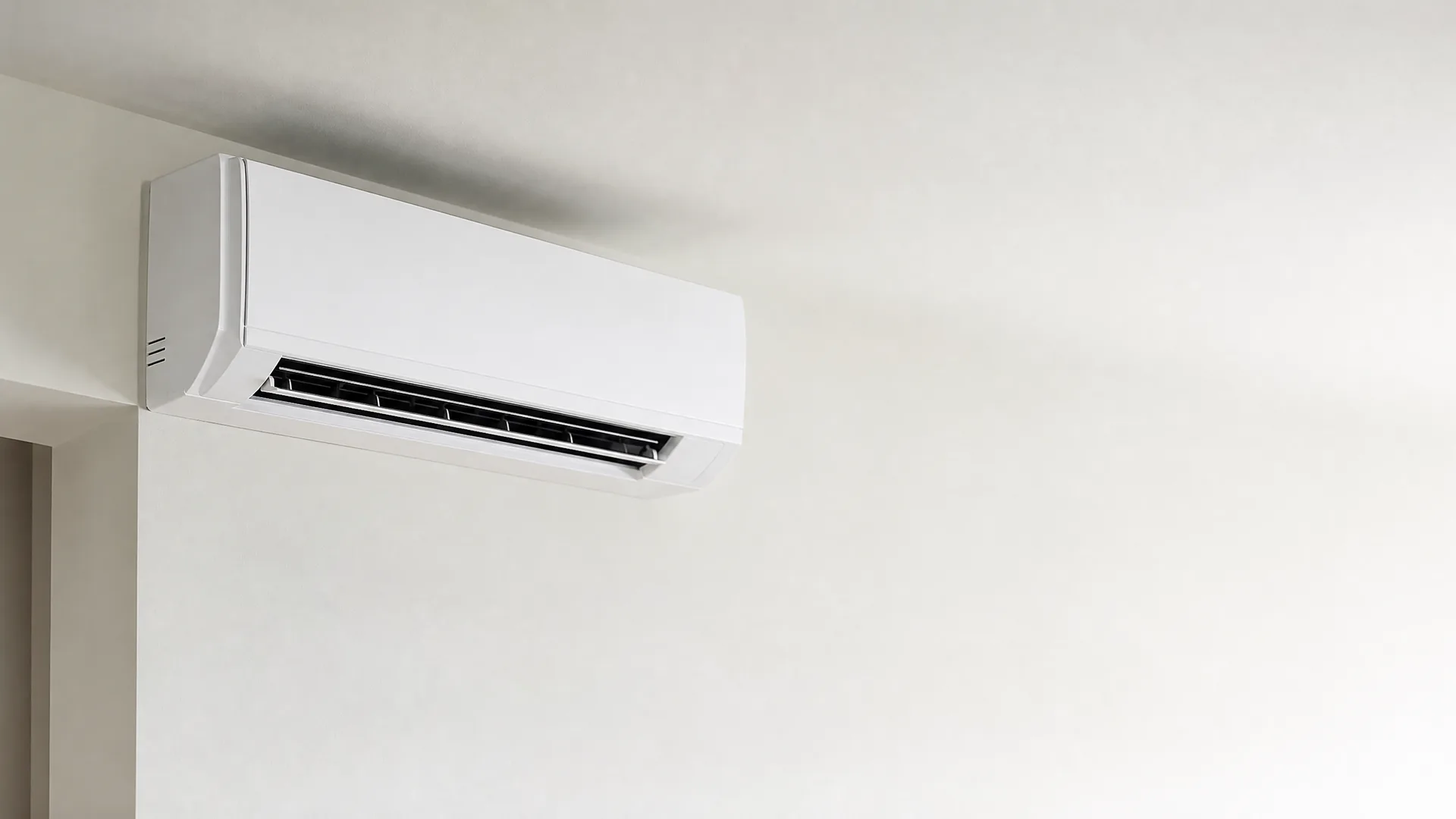
If the only space you're trying to fix is the bonus room over the garage or a living room the furnace never quite reaches, one zone handles it. The head goes in that room, the condenser sits outside, and that room holds its temperature through a muggy July stretch. A contractor who installs these across Wisconsin every summer can size that single head correctly the first time, instead of you guessing at a unit online.
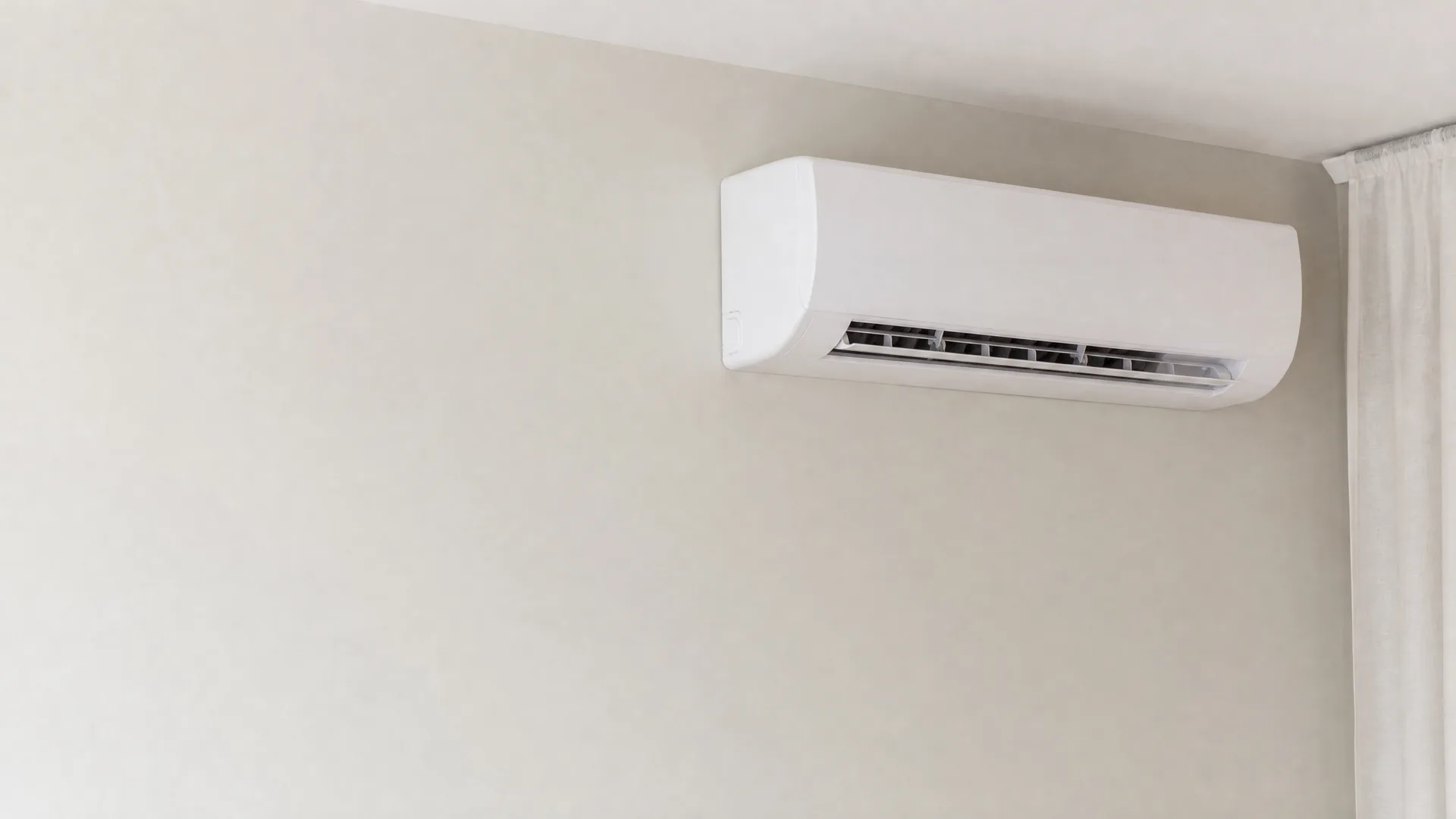
Try to cool a few separate rooms off one zone and you're back to leaving doors open and running fans to push air down a hallway, which is the problem you started with. Each additional zone means another indoor head and more line set run to the same outdoor condenser, sized to carry the load. A local contractor can walk the rooms with you and tell you straight which ones need their own head and which don't, instead of you sorting that out room by room on your own.

The number of zones your home needs comes down to how many rooms you want off the furnace's schedule and onto their own. One zone for the room that runs hot in July or cold in January. Another for each additional room you want handled the same way. The outdoor condenser gets sized to carry all of them together, so each indoor head still runs at the size that room calls for.
A local contractor who installs these every season can walk your rooms, tell you what each one needs, and size the system once instead of you guessing at it room by room. That's one visit, one quote, and one crew that already knows how Wisconsin houses and gas furnaces pair with a mini split, instead of you calling around to three or four companies and explaining the same rooms to each of them.

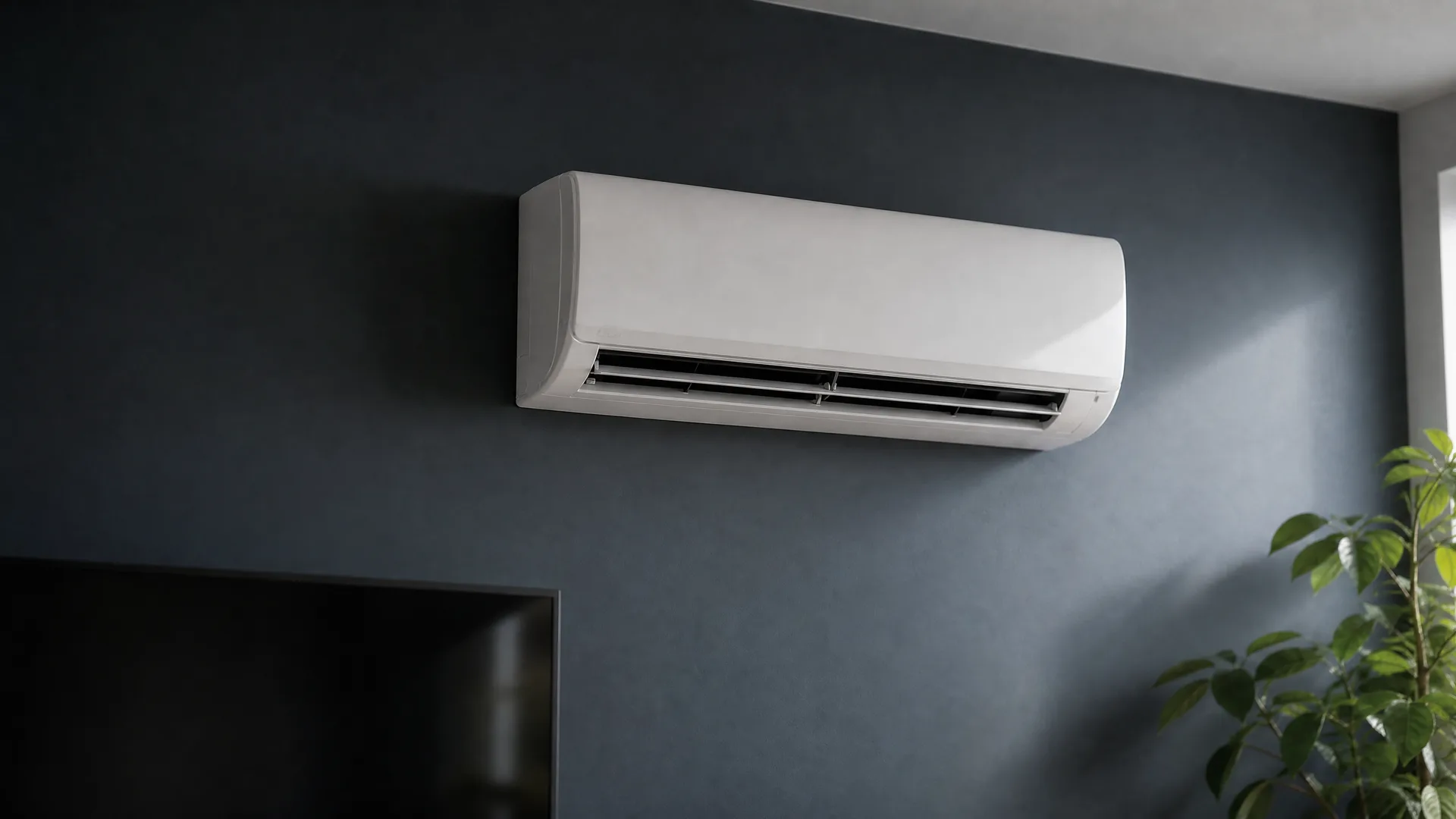
Explain it one time