

How long mini splits last in Wisconsin
After this form, you can stop searching for a mini split pro.
Let a pro reach outHow long do mini splits last in Wisconsin?
You're probably asking because your mini split has been running a while now, through sticky summers and cold Wisconsin winters, and you're wondering if it's getting close to the end, or if that noise it's making means something. Maybe you're planning ahead before next season, or deciding if a repair is worth it versus starting over with a new install.
Most mini splits last 12 to 15 years in Wisconsin
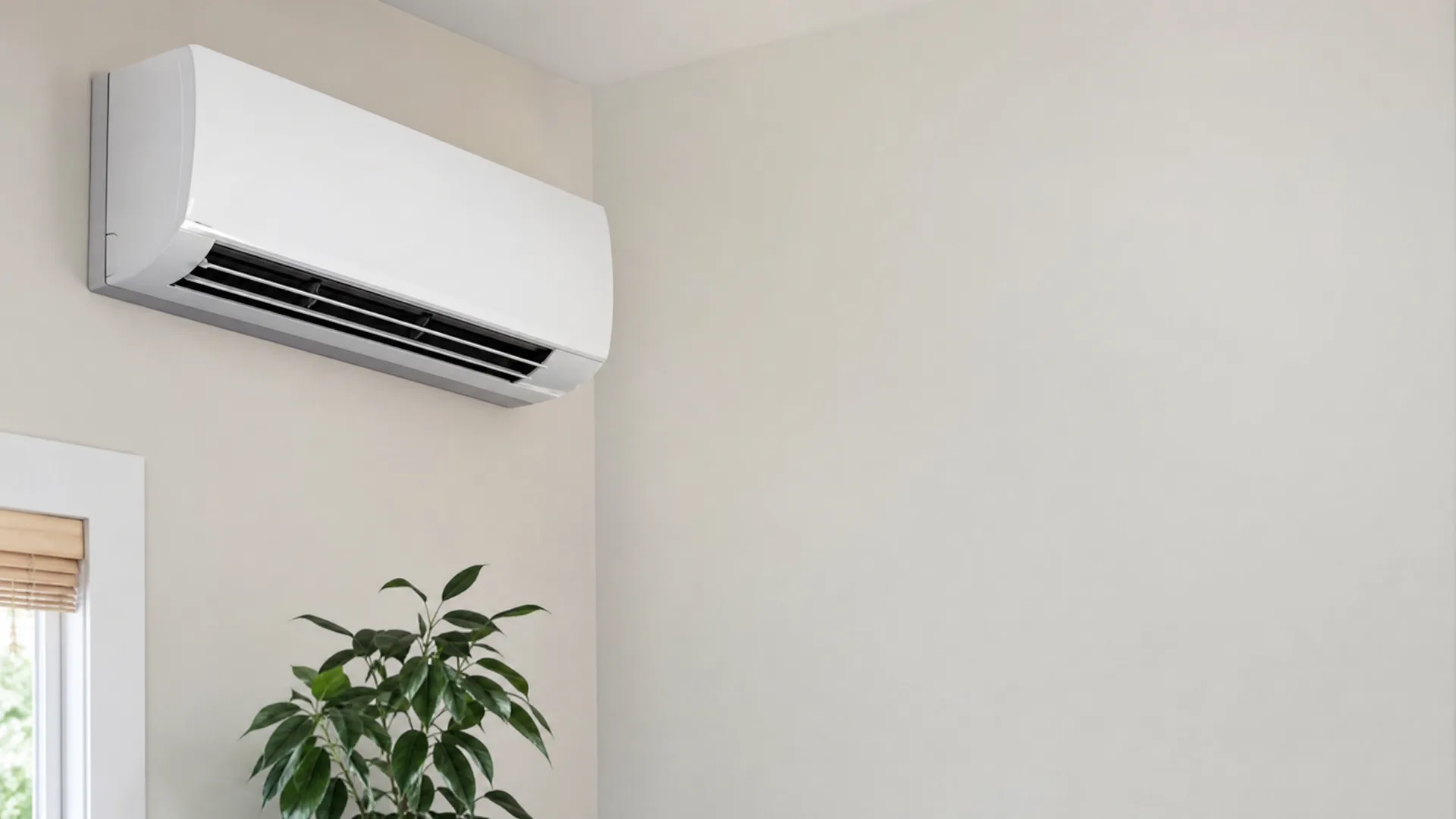
That range holds if the unit gets serviced on a normal schedule and isn't pushed past what it was sized for. In Wisconsin, a mini split works two jobs: cooling through the muggy stretch of summer and, on units set up for it, backing up heat during the cold months. That second job matters, because most homes here heat with gas, so the mini split usually isn't the only thing standing between the house and the cold. A unit running as a sole heat source in a Wisconsin winter wears faster than one used for cooling and light heating support. The compressor is what gives out first, more often than not, and once it's at the end, replacing it costs close to a new system anyway.
What shortens the life
A mini split works hardest in the shoulder months, when it's doing the job your gas furnace would otherwise handle. The outdoor unit sits exposed to Wisconsin winters, and ice buildup on the coil forces the system to run defrost cycles more often. Each cycle adds wear. A unit that's sized right for the room and installed with the line set pitched correctly will fight through fewer of these cycles over its life than one that was installed in a hurry.
What the compressor tells you
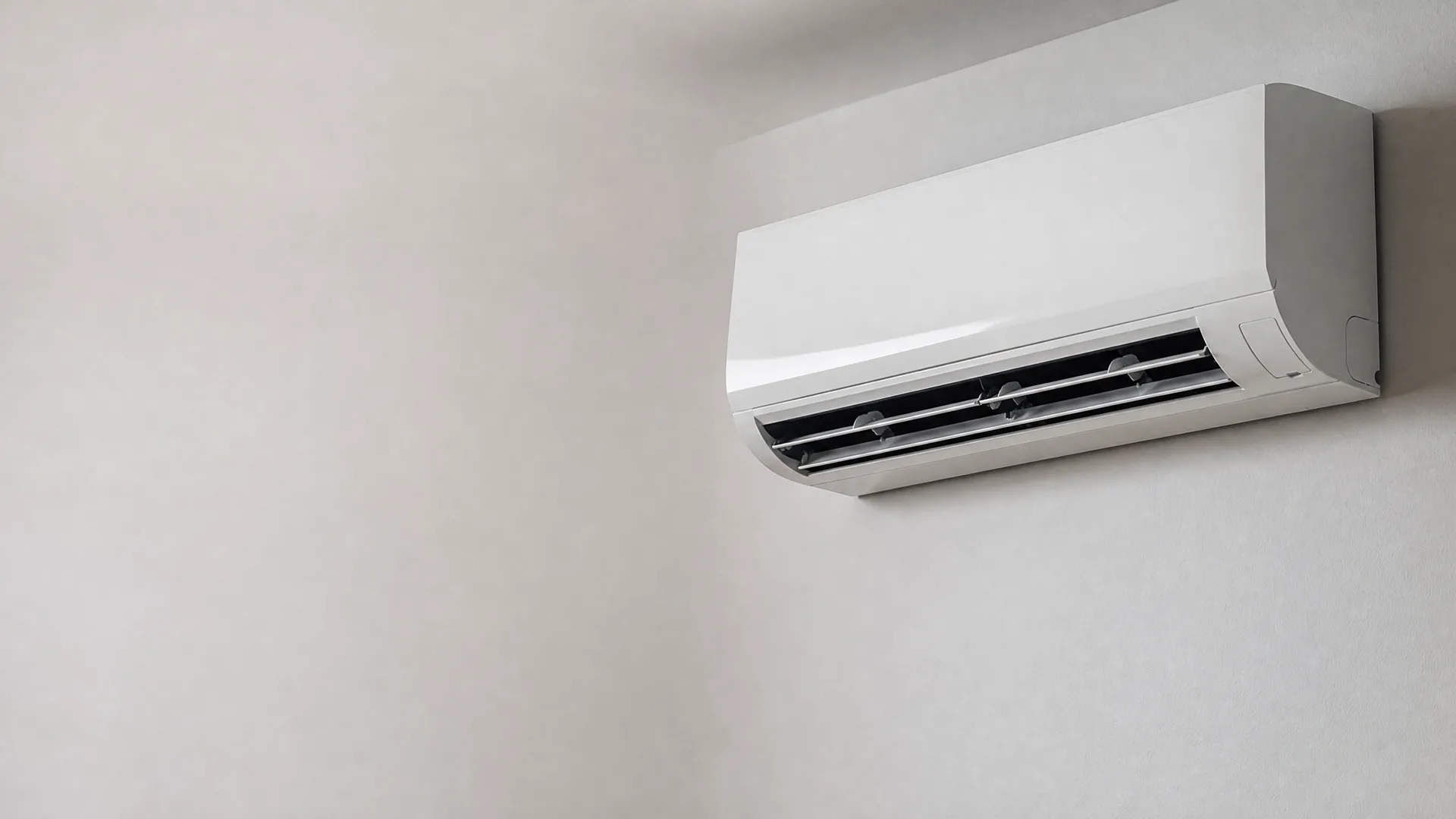
The compressor is the part that decides how long the rest of the system lasts, and it's the most expensive part to replace. Most manufacturers back it with a longer warranty than the rest of the unit, which is itself a sign of how much the compressor matters. If it's still under warranty, a failing compressor is a different conversation than if it isn't. Check the paperwork from your install date before you assume you're looking at a full replacement.
One Zone or Several: Which Lasts
One unit, aging alone
- A single mini split carries both backup heat and summer cooling by itself, so every hour of runtime lands on one compressor.
- If it was installed to handle just one room, it never gets the rest that a system sharing the load across zones would get.
- A unit running alone shows wear sooner, since there's no other head in the system to split the hours with.
- When it fails, you lose cooling or backup heat in that space entirely, with nothing else in the system to fall back on.
- Replacing a single unit is a smaller job, since there's only one outdoor unit and one indoor head to deal with.
Multi-zone systems
- A multi-zone system spreads the compressor's work across several indoor heads, so no single room's unit is running constantly.
- One outdoor unit serves multiple rooms, so if one indoor head is struggling, it's worth checking whether the others are faring better.
- More refrigerant lines and electrical connections mean more places where a leak or a loose connection can show up over the years.
- If the outdoor unit fails, every zone it serves loses heating and cooling at once, not just one room.
- A multi-zone setup costs more to replace in full, since swapping the outdoor unit usually means dealing with every indoor head it feeds.




Let someone else find the pro
A mini split that's been carrying your backup heat and your summer cooling for years earns a close look before you guess at what's wrong with it. Maybe it's a weak compressor, maybe the line set is losing charge, maybe it's just old and tired from running defrost cycles every Wisconsin winter. You don't need to figure out which. What you'd otherwise be doing is finding a contractor who actually knows mini splits, not just central air, since plenty of HVAC companies in Wisconsin still treat them as an afterthought. Then calling around, explaining the unit's age and symptoms more than once, and trying to judge who's quoting you straight. With power here costing what it does, a unit running past its prime is already costing you more than it should. Send the request and that search stops being yours to carry.
How a mini split actually runs
- The compressor ramps its speed up and down to match the load instead of switching fully on and off like a furnace burner.
- A refrigerant line set connects the outdoor unit to the indoor head, and a slow leak there shows up as weak heat long before it shows up as a fault code.
- The indoor head has its own blower wheel, and dust buildup on it cuts airflow without tripping any alarm.
- Defrost cycles reverse the refrigerant flow for a few minutes to melt ice off the outdoor coil, then switch back to heating.
- A clogged outdoor coil makes the compressor work harder to pull the same heat out of the cold air, which shortens its life.
- The control board reads an outdoor temperature sensor to decide when backup heat or a defrost cycle kicks in.
A mini split doesn't cycle on and off the way your gas furnace does. The compressor inside the outdoor unit varies its speed to match what the room needs, running low and steady most of the time instead of slamming on at full power. That's easier on the compressor over the years, but it only holds up if the rest of the system is clean and sealed.
The refrigerant line set running between the outdoor unit and the indoor head is sealed for the life of the system. If it develops a slow leak, from a worn flare fitting or a kink in the copper, you won't get a warning light. You'll just notice the air coming out of the indoor head feels weaker than it used to, especially on the coldest days.
Inside, the indoor head has its own blower wheel pulling air across a small coil. Dust collects on those blades over time, and airflow drops without any fault showing up on the board. Outside, the coil ices over during cold, damp weather, so the system reverses itself for a few minutes to melt that ice off before switching back to heating. If the outdoor coil stays dirty or blocked, that defrost cycle runs more often, and the compressor works harder each time to pull the same heat out of the air. The control board watches an outdoor temperature sensor to decide exactly when defrost or backup heat needs to kick in.




A mini split that's been quietly backing up your furnace for ten winters doesn't announce the day it starts losing capacity. It just runs longer, costs more to run, and heats the room a little less each season.
You notice it in January, when the room it covers stays cooler than it used to and the furnace ends up picking up more of the load than it ever did before.
Power costs 18.08 cents per kilowatt-hour statewide
At that rate, a mini split losing capacity costs you more every month it keeps running weak, since it has to work longer to put out the same heat. Replacing it before it drags on your bill stops that slow climb.
EIA-861 2025 statewide residential average

Where that leaves you
A mini split in Wisconsin lasts about as long as the load you put on it and the care it gets. One carrying your whole backup heat through the winter wears faster than one that only cools a bedroom in July. A yearly check on the coil and filter stretches its years. Past a certain point, a unit running weak costs you more every month than replacing it would.
If yours is at that point, you don't have to spend your evenings calling around, explaining the noise it's making to three different companies, and squinting at quotes to figure out who's actually worth hiring. Send the form once and that search is off your plate. Someone licensed to work on these systems in Wisconsin takes it from there.


One request and it's handed off
Explain the job once and skip repeating it on every call.