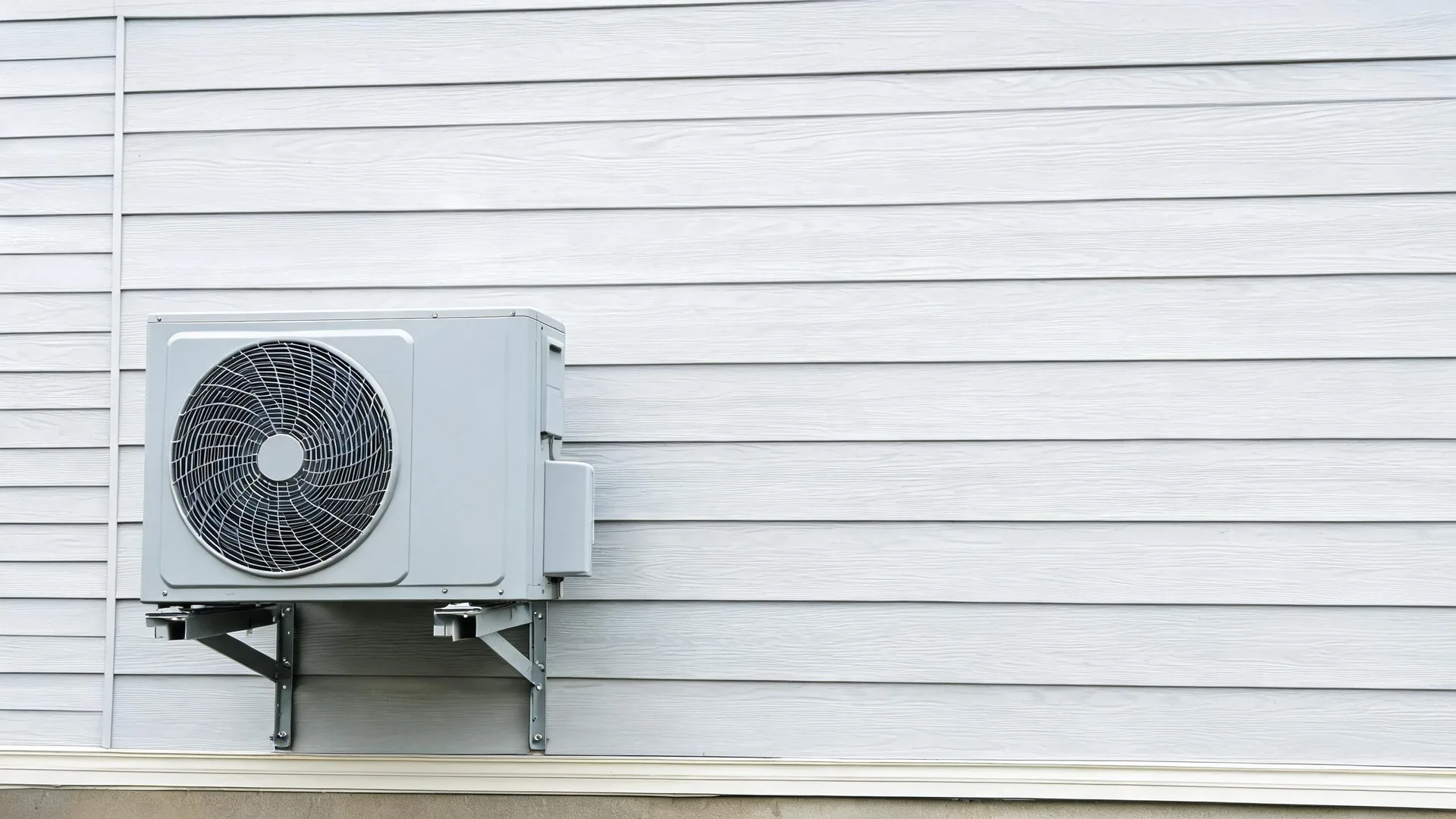
Gas heats most homes here
Utility gas heats 62.9% of occupied homes in Wood County, with another 14.6% on bottled or LP gas. A mini split is rarely the only system in a house like that.
Takes about a minute. No obligation.
Utility gas heats 62.9% of occupied homes in Wood County, with another 14.6% on bottled or LP gas. A mini split is rarely the only system in a house like that.
In a home with a gas furnace, a mini split usually goes in to cover a room or two, or to add cooling where there isn't any. The furnace keeps doing the rest of the winter.
NOAA nClimDiv, 1991–2020 normals
Cooling in Wood County runs July through August.
June is the month to get a mini split installed, before the first hot stretch hits.




Cooling here runs about two months, July and August, with afternoon highs averaging 79°F. A mini split in Wood County isn't working against the kind of heat you'd see further south, and it isn't running most of the year either. That matters when you're picking a unit. You don't need the highest-capacity, top-efficiency model on the shelf to stay comfortable for a couple of months. A mid-range unit sized right for the room it's covering will do the job and hold up doing it.
Wood County sits in climate zone 6A, so any mini split going in has to clear 14.3 SEER2 for cooling and 7.5 HSPF2 for heating. That's the federal floor for split-system heat pumps, ductless included. A federal tax credit is available toward the cost of a qualifying system.
Find a contractor
Two months of work a year is not much wear on a compressor. Wood County doesn't put it through the kind of heat you'd get further south, so it spends most of its life sitting idle rather than straining against a hot afternoon. When something does go wrong with a mini split here, it's more likely age or a skipped filter cleaning than a unit that got run hard. Worth knowing when a repair comes up instead of a replacement.
SEER2 tells you how the unit spends summer, pulling heat out of the room. HSPF2 tells you how it spends winter, pulling heat in. A mini split carries both numbers because it does both jobs. Looking at only one tells you only part of what the unit will do.
Once a unit clears the zone's floor, going higher mostly means it costs less to run, not that it heats or cools better. That extra efficiency usually comes from a better compressor or a larger coil, and that shows up in the price before it's ever installed. Whether that's worth paying for depends on how many hours a year the unit actually runs.
When you're comparing systems, ask how many zones each quote actually covers and whether the outdoor unit can take on more indoor heads later if you want to add a room. Ask what size the installer is proposing and why, since a unit sized to the room does the job better than one sized to the budget. Ask what happens to the warranty if someone other than a licensed contractor touches the line set or the refrigerant charge, because most manufacturers void it if that work isn't done right. Ask where the outdoor unit will sit and what's involved in keeping snow and ice off it. And ask what regular upkeep the unit needs, because a mini split that gets its filters cleaned on schedule lasts a lot longer than one that doesn't.
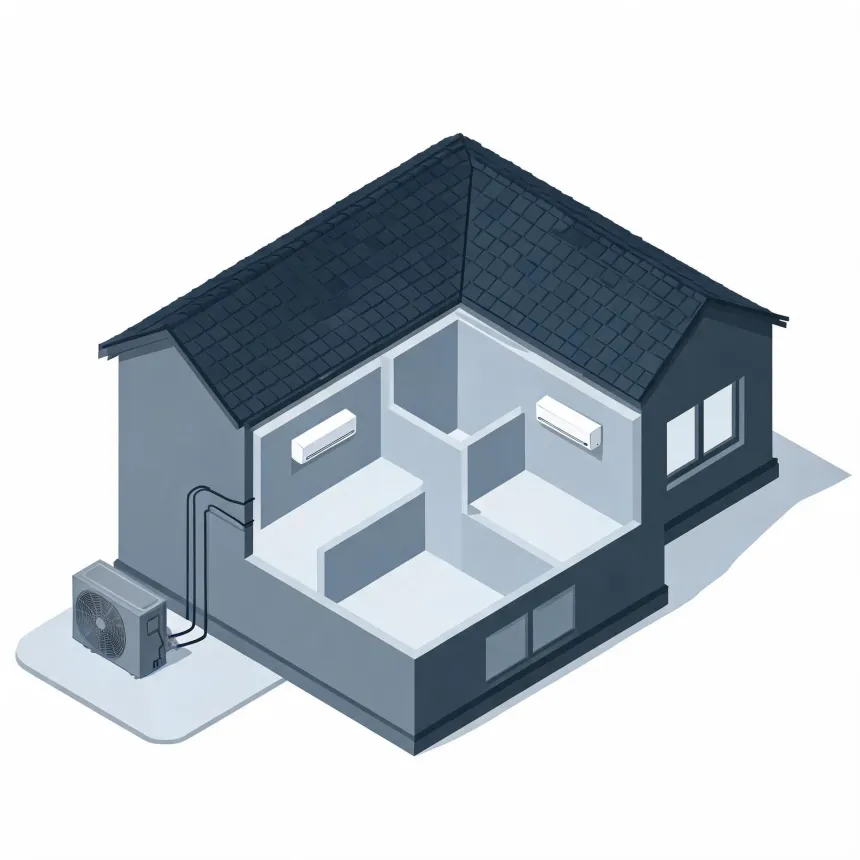
Install day starts outside, running a line set between the outdoor unit and each indoor head. That line carries refrigerant, so the connections get brazed, pressure tested, then pulled into a vacuum to clear out any moisture or air before the charge goes in. Skip that step and the system can run fine for a while before it doesn't. Inside, each head gets mounted high on a wall or the ceiling, over a spot with a clear path back to the outdoor unit. A small hole goes through the exterior wall for the line set, the drain line, and the power wiring, then it gets sealed against weather. Once everything's connected, the installer checks the refrigerant charge against what the manufacturer specs for that line length, since too much or too little strains the compressor. Last comes the test run, checking that every head is heating and cooling on command before anyone calls it done.