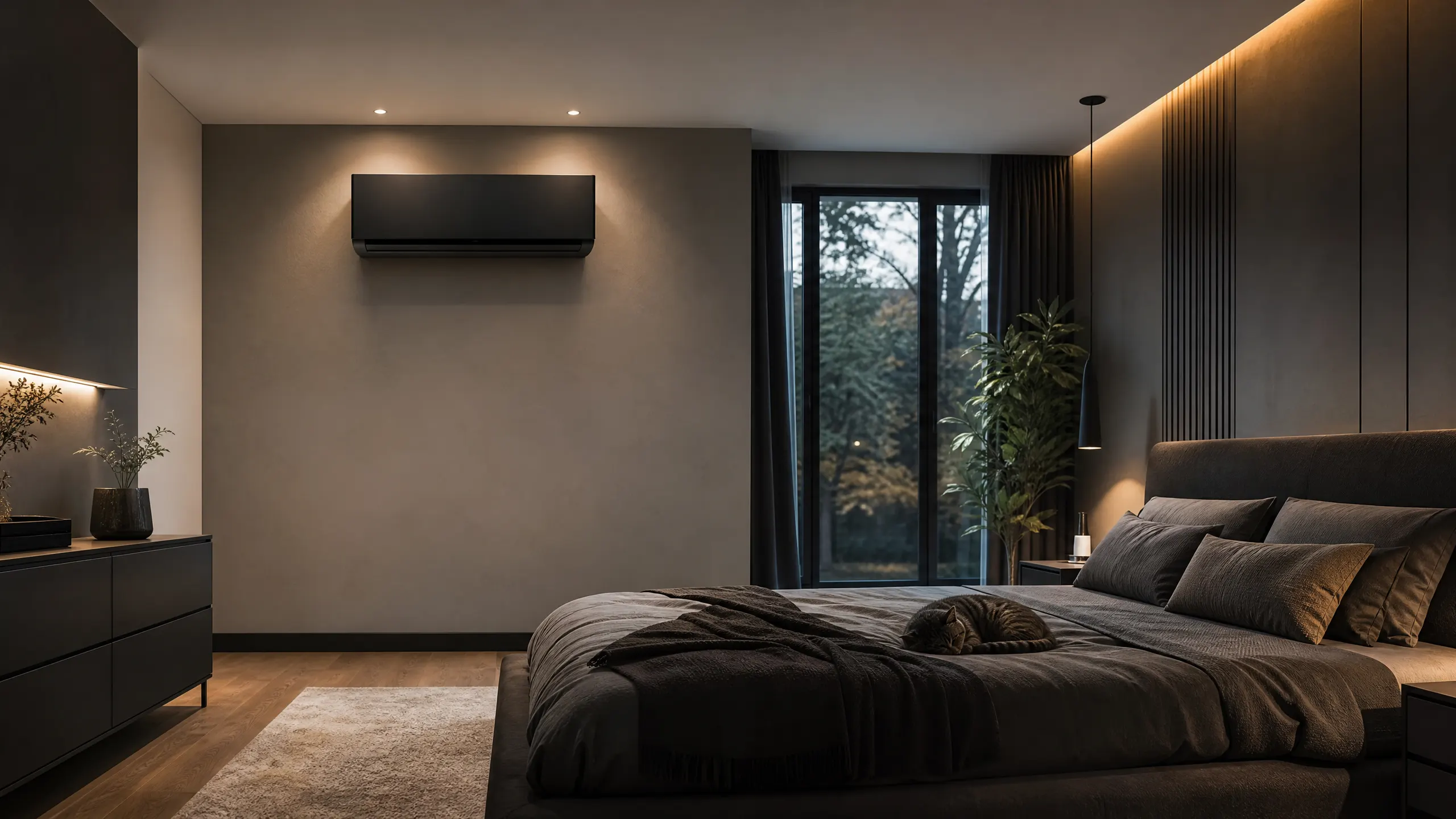




A dark, minimalist bedroom with a king-size bed, wall-mounted air conditioning unit, and large windows, with a cat sleeping on the duvet.

Mini Split Installation in Sparta, WI

Tell us about the job

Takes about a minute. No obligation.

New system or replacementMini-splitMonroe County, WI
Step 1 of 2

What ZIP code is the job in?

Gas heats close to half the homes in Monroe County, with LP gas running a lot of the rest. A mini split works differently than either one. It doesn't burn fuel at all, it moves heat, so it can take over the job your furnace does now without any gas line or propane tank involved. For a lot of homes here that means cooling and heating from the same unit, which is worth asking about if you're only replacing window AC or adding comfort to a room your furnace doesn't reach well. If your home runs on LP gas, a mini split can also take some of the load off the furnace in milder weather, when a full heating cycle is more than the room needs.

9 months
September through May, your system heats
3 months
June through August, it cools
10°F
the average winter night it heats against
79°F
the average summer afternoon it cools against
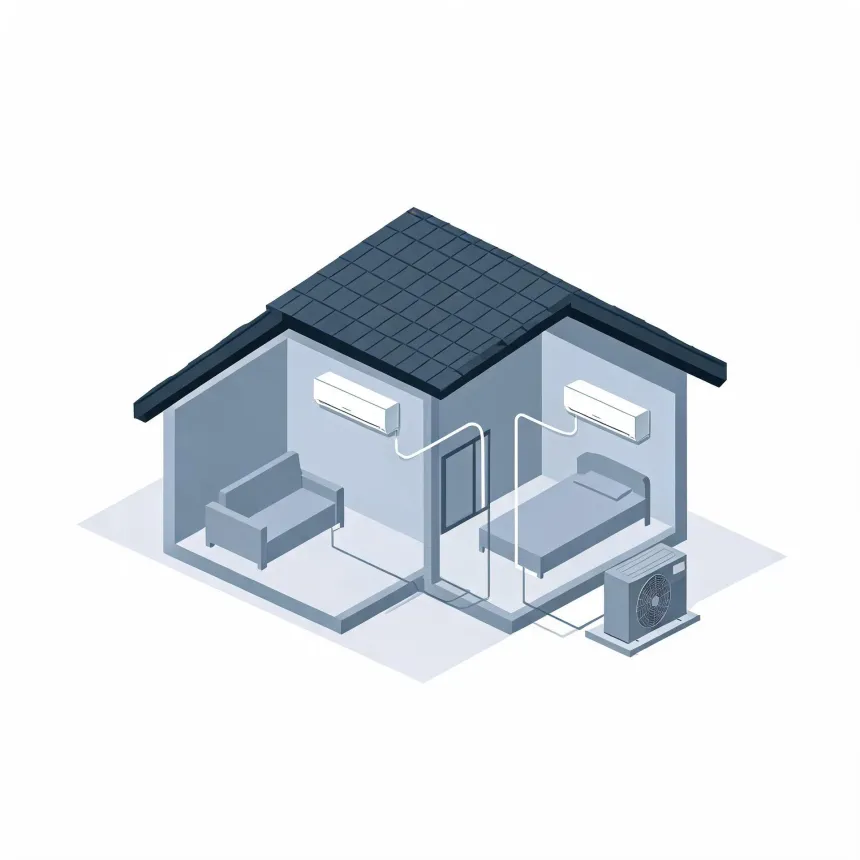
Isometric illustration of a cutaway house with two rooms, showing two wall-mounted indoor air conditioning units connected by lines to a single outdoor condenser unit outside the building.
Your system heats September through May and cools June through August.

NOAA nClimDiv, 1991–2020 normals

Wisconsin electricity ran 17.18 cents a kilowatt-hour in 2024.

A standard mini split sized right for the room keeps that cost in check. There's no reason to size up here.

Three months of work a year, that's not a hard life for a compressor

Cooling runs June through August
Summer afternoons average 79°F
58 damaging wind events from 2015 to 2024

Cooling here runs June through August, so May is the month to get a mini split in. Installed before the season starts, it's running on day one of the first hot stretch instead of whenever a crew can fit you in during peak demand. Spring also gives the installer a clear look at where the line set and condenser go without working around a heat wave. If you're replacing a window unit, there's no rush to pull it until the new system is already in place.

A mini split here has to meet zone 5A's minimum, and that can work in your favor

Monroe County is zone 5A, and any mini split installed here has to meet 14.3 SEER2 for cooling and 7.5 HSPF2 for heating, the same minimum as any other split-system heat pump. That's set by the equipment's manufacture date, not by what's on the showroom floor, so it's worth asking when the unit was built. A system that clears that bar may also qualify for the federal tax credit on heat pumps.

Find a contractor
A beige split-system air conditioner outdoor condenser unit mounted on metal wall brackets atop a stucco wall.

Light duty still means it has to start right, every time

A compressor that sits idle most of the year still has to start, run and shut off correctly every time it's asked to. That cycle is what wears on a system, not the calendar. A unit built with a good compressor and a well-made reversing valve will start back up without trouble no matter how long it sat. One built to hit a spec number and nothing else is more likely to give you trouble on the first hot day, which is exactly when you don't want to be waiting on a repair. Ask what the warranty covers on the compressor itself, not just the unit as a whole, since that's the part doing the work every time it turns on.

How many zones you're conditioning

A single indoor head handles one room or an open area well. Add another head off the same outdoor unit and the install picks up another line set, another mounting job, and another spot to charge and test. The outdoor unit also has to be sized for the combined load, not just the biggest room, so adding zones isn't a small step up from one head.
What the line set has to get through

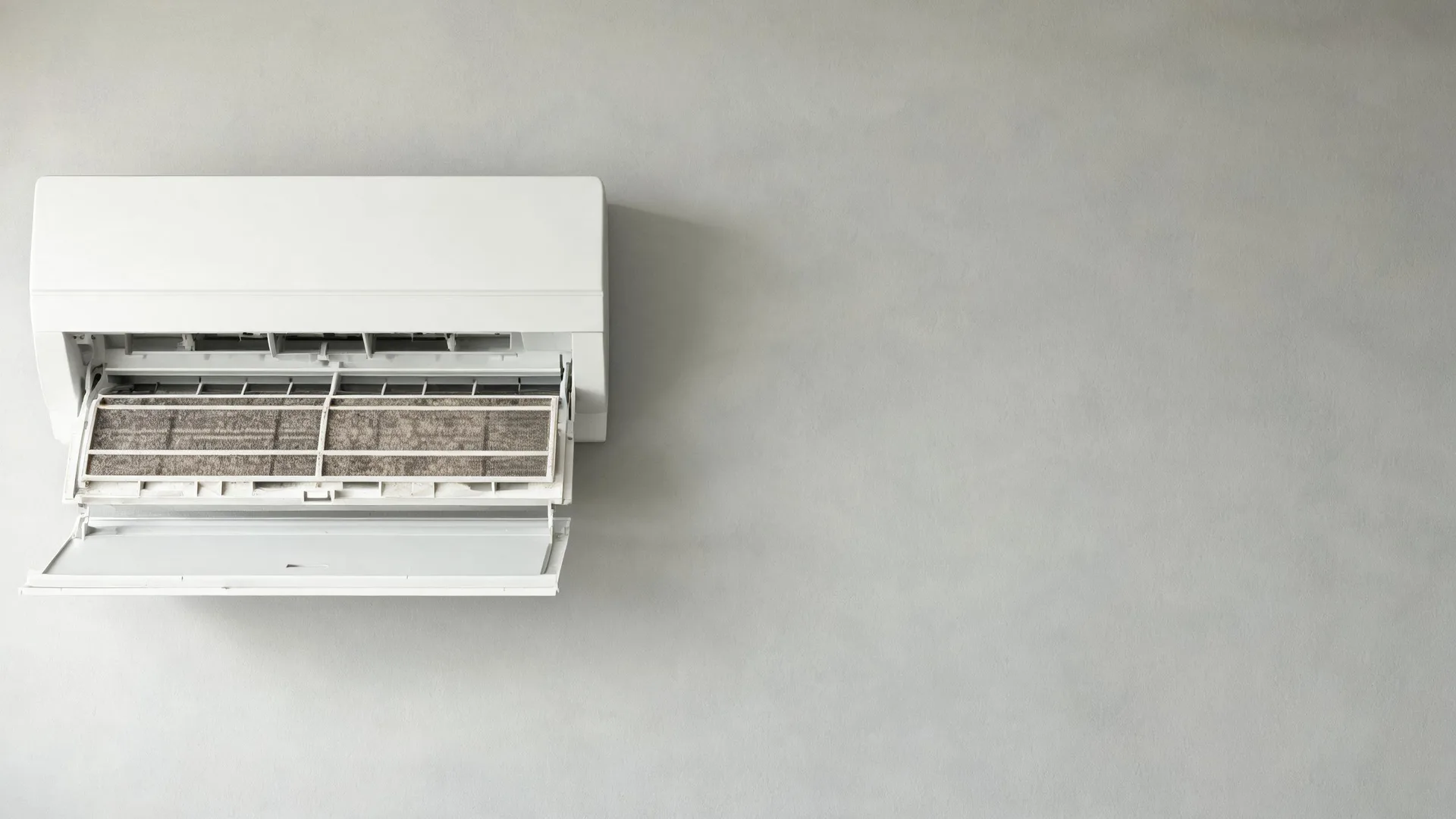
The refrigerant line runs from the outdoor unit to each indoor head through a wall, and how it gets there matters. A straight run through one exterior wall is a simple hole and a clean path. A run that has to clear framing, turn a corner, or reach a head on the far side of the house takes more line and more care to keep the charge right over that distance.

Sizing a mini split isn't about matching the biggest number you can find. A unit too big for the room cools it fast, shuts off, and starts again a few minutes later. That short cycling is hard on the compressor and it leaves the room swinging between too cold and too warm instead of holding steady. A unit too small just runs and runs without ever catching up, especially on the hottest or coldest days when you need it most. Getting it right means a room by room look at square footage, window area, insulation and what's on the other side of each wall, then matching that load to the output of the indoor head. It's a calculation, not a guess based on the size of the room next door.

Install day starts outside with the outdoor unit. It needs a pad or mounting bracket on a wall that can carry the weight, with clearance around it for airflow. Inside, the indoor head goes up high on a wall or ceiling, over a spot where the line set can run straight out through the exterior wall behind it. The installer drills that one hole, runs the refrigerant lines, the condensate drain and the electrical whip through it, then connects everything at both ends. Once the lines are connected, the system gets pulled down to vacuum to clear out any moisture and air before the refrigerant charge is released into the lines. That vacuum step is what protects the compressor for the life of the system, so it isn't something to rush. Last comes power up and testing, checking that the head is cooling and heating on command and that the charge is holding steady.