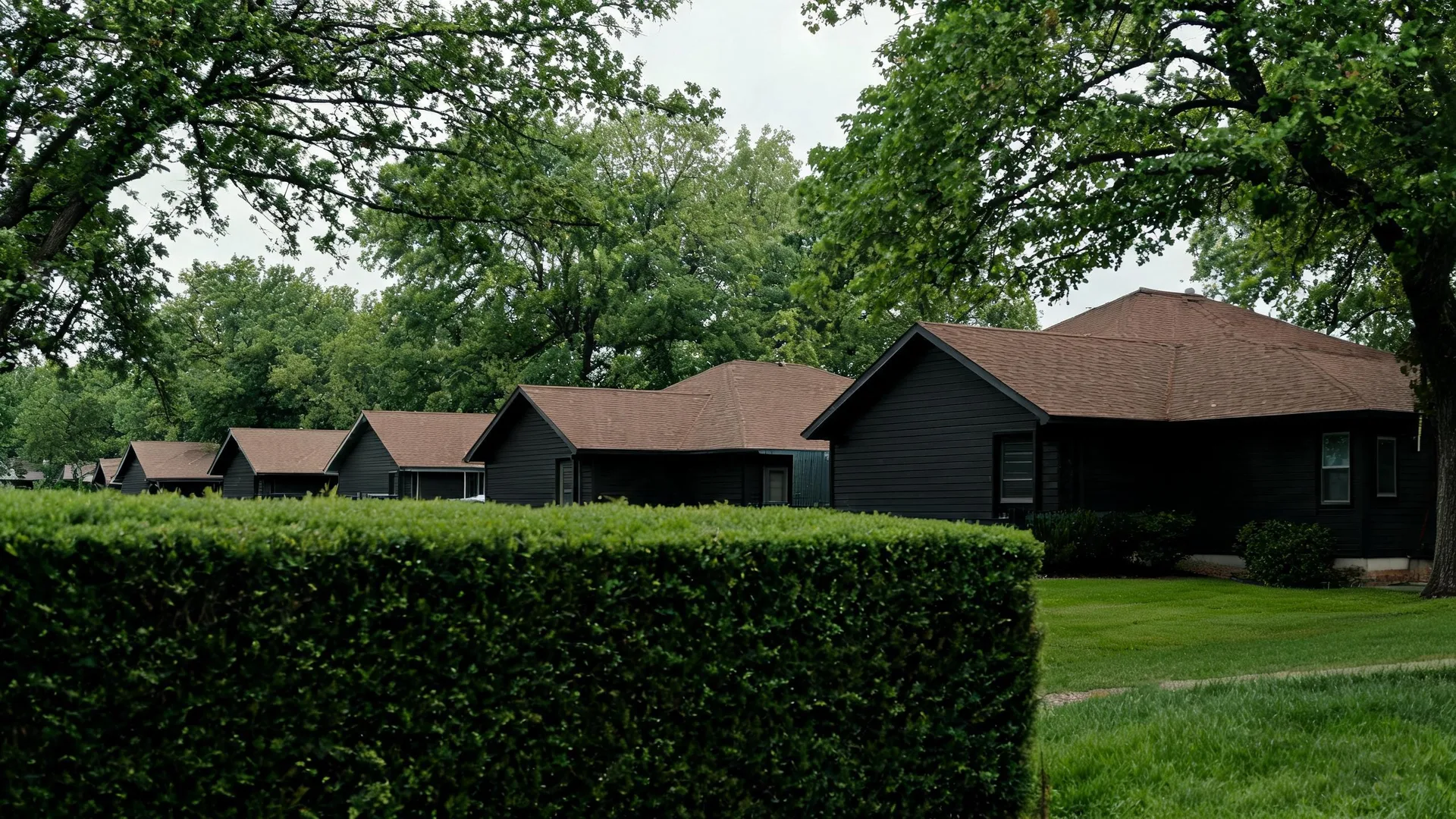






A row of dark-sided single-story houses with brown shingled roofs behind a tall trimmed hedge, surrounded by large leafy trees and mown grass under an overcast sky.

Mini Split Installation in Rhinelander, WI

Tell us about the job

Takes about a minute. No obligation.

New system or replacementMini-splitOneida County, WI
Step 1 of 2

What ZIP code is the job in?

Most homes in Oneida County heat with utility gas, 59.9 percent. Another 23.7 percent run on bottled or LP gas. Between the two, most houses here already depend on a furnace and a tank or line for heat. A mini split doesn't replace that. It gives you a way to heat or cool one room, like a bonus space over a garage or an addition, without running ductwork into it. For a home already heated by gas, that's usually the appeal. The furnace keeps doing what it does, and the mini split handles the one room it doesn't reach.

9 months
September through May, your system heats
1 months
July through July, it cools
6°F
the average winter night it heats against
76°F
the average summer afternoon it cools against
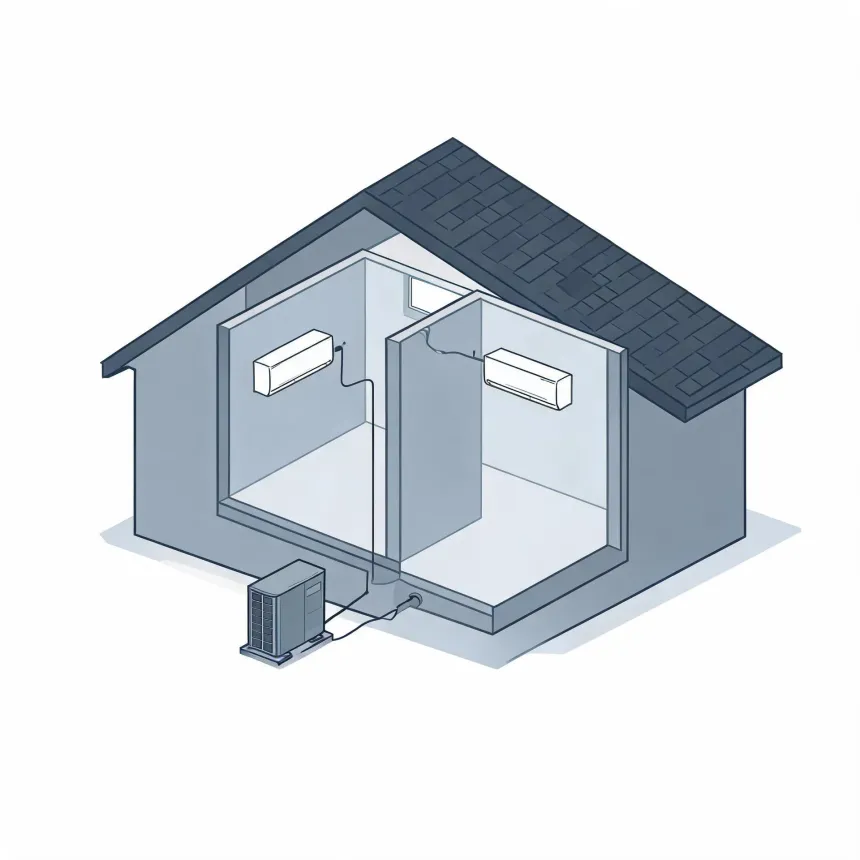
Isometric line illustration of a cutaway house with two rooms, each with a wall-mounted indoor air conditioning unit connected by lines to an outdoor condenser unit on the ground outside.
Your system heats September through May and cools July through July.

NOAA nClimDiv, 1991–2020 normals

A mini split here cools for one month a year, July.

The rest of the year it's heating a room the furnace doesn't reach, so pick it for that job first.

One month of cooling. Get it in before July, not during it.

Cooling runs July through July
Climate zone 6A
Power costs 17.18 cents a kWh statewide
Sized for the room it heatsWisconsin homes pay 17.18 cents per kilowatt-hour, and sizing this right keeps it that way

If the old system is a window unit or an electric baseboard in that room, the installer will pull it out once the mini split is in. A window unit comes out of the frame and the opening gets sealed up properly, which stops the draft that unit never quite blocked anyway. Baseboard heat usually gets capped at the circuit rather than torn out of the wall, since ripping out the wiring means opening up drywall for no real reason. If the room never had its own heat source, there's nothing to remove, just the new line set and the indoor unit going in. Either way, the old equipment doesn't need to keep working once the mini split is running. It just needs to be out of the way or shut off for good.

A mini split sized for the room, nothing more

Oneida County sees its share of wind, hail and winter storms, but none of that changes what a mini split needs to be here. Standard sizing and standard efficiency hold up fine for one room. If a storm knocks the power out, the mini split simply stops and starts again with everything else once it's back.

Find a contractor
A man in a gray rolled-sleeve shirt and brown pants, seen from behind, carries a worn canvas tool bag up concrete steps toward a green front door of a shingle-clad house, with a potted shrub beside the entry.
A white outdoor air conditioner condenser unit mounted on metal wall brackets against gray horizontal siding, with a blue sky and white clouds behind it.

One room, one easy job

One month of real work a year. The rest of the time it's running light, warming that one room while the furnace handles the rest of the house. A unit here isn't fighting heat for a full summer like it would further south, so there's not much case for paying up for the top-tier compressor or the highest efficiency number on the shelf. Pick one sized right for the room and built well, and it'll hold up fine on a load like this.

The room decides the size, not a formula off the wall area

A tech works out the load from what the room actually is. How many walls face outside. How many windows it has. What sits above it and below it. A bonus room over a garage loses heat differently than one tucked between heated rooms, even at the same floor space. Get that wrong and the number that comes out is wrong too, no matter how clean the math looks on paper.
Too big is its own problem, not a safety margin

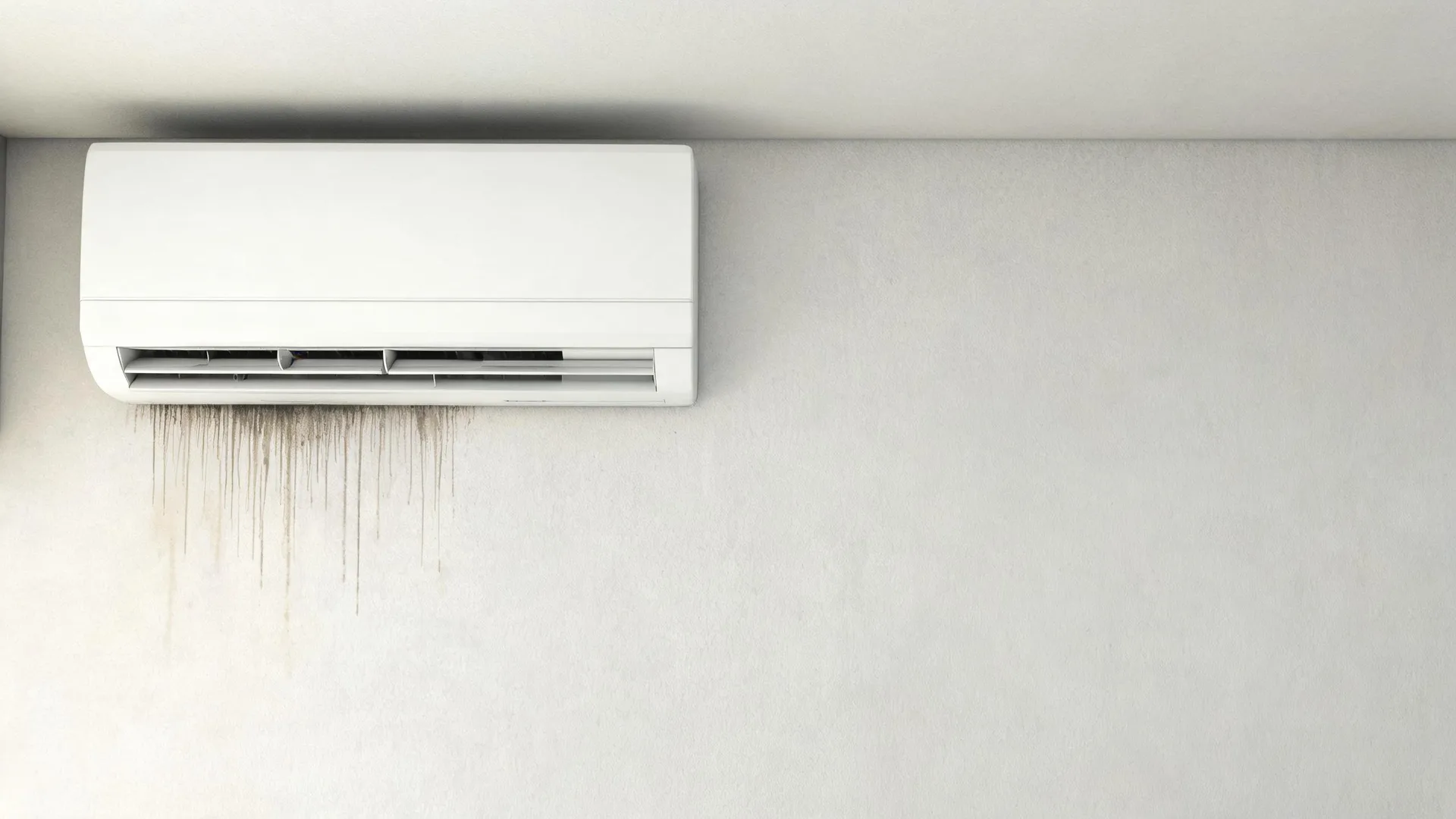
An oversized mini split cools the room fast, shuts off, then starts again soon after. It never runs long enough to pull moisture out of the air, so the room ends up cold and damp instead of just comfortable. The unit that's sized right runs longer, steadier cycles, and that's what actually keeps the room even.

What drives the cost on a job like this is mostly the line set and the wall. Running refrigerant line from the outdoor unit to the indoor head is straightforward when the wall behind it is open framing, a short drill and the line passes through with nothing in its way. It gets more involved when that wall has blocking, brick, or anything else that has to be worked around to get a clean path. Distance matters too. A short run between indoor and outdoor units is a simpler job than one where the outdoor unit has to sit far from the room it's serving, since the line, the wiring and the condensate drain all have to travel that same distance. Electrical is its own piece. A mini split needs its own dedicated circuit, and whether that circuit already exists at the panel or has to be added changes the job. Where the outdoor unit goes factors in as well. It needs a clear, level spot with room around it, and getting it there sometimes takes more than just setting it on a pad by the wall.

Installation day starts outside and inside at the same time. One person mounts the outdoor unit on its pad or bracket while another marks where the indoor head goes, usually high on a wall with a clear path to the outdoor unit. The hole for the line set gets drilled next, angled slightly so any condensation runs out instead of in. From there it's the line set, the wiring and the condensate drain all run together through that hole and over to the indoor head. The lines get connected, then pressure tested before any refrigerant moves, since a joint that leaks is easier to fix before the system is charged. Once it holds pressure, the line gets charged, the indoor head gets mounted and leveled, and the whole system runs through a cycle in both heating and cooling to check that it responds the way it should.