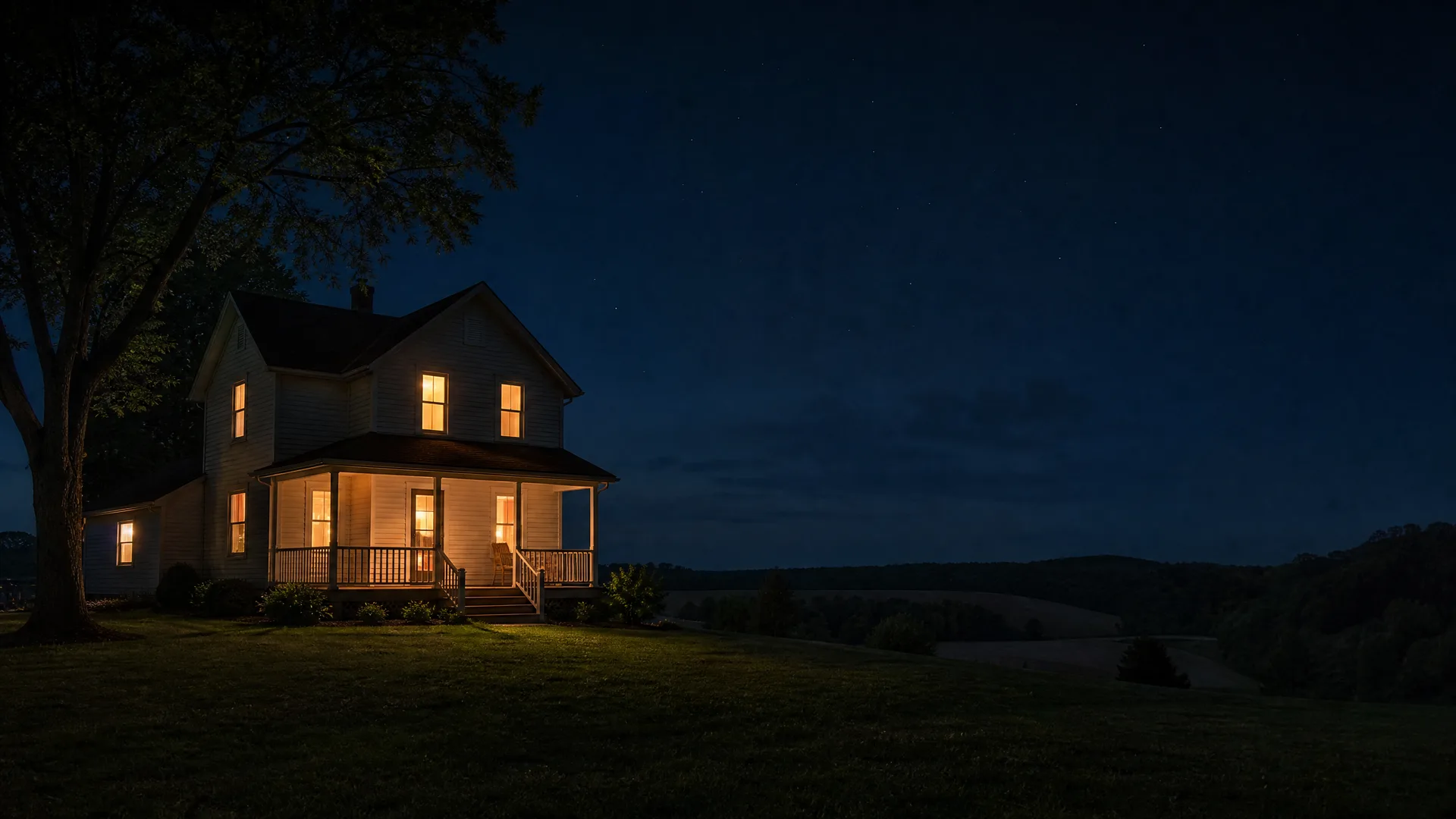

Running the way it should
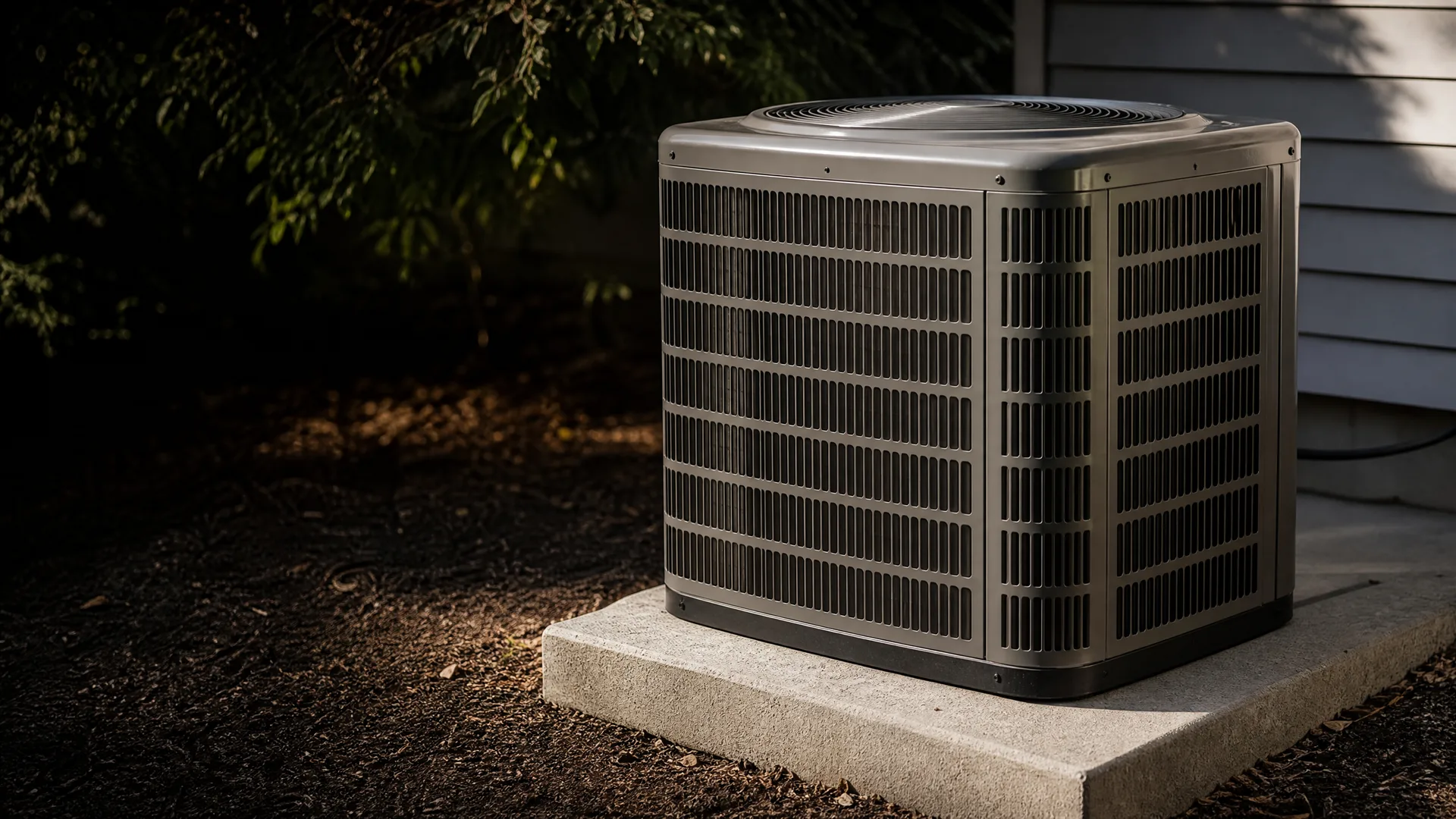
This is a system cycling on and off without you thinking about it. The pad is clean, the fins are clear, and the disconnect box sits ready if a tech ever needs to cut power for service. Nothing here is asking for attention.
A dead AC in July is not something you want to sit with while you sort through who to call. Maybe you flipped the breaker and nothing happened. Maybe the thermostat screen is blank, or the unit hums but the air never comes on. Whatever you checked before giving up, the next step is finding someone who can actually look at it, and that usually means calling a few places, explaining the same problem each time, and waiting to hear back. Around Oshkosh, with summers as sticky as they get, that wait is the part that wears on you. This page skips the calling around. Tell it what's going on with your system and you get matched with a contractor who takes on jobs like yours, and that contractor reaches out to you directly. No repeating yourself to three different shops, no guessing which one will actually call back.
You just checked the breaker, the thermostat, maybe the outdoor unit, and nothing brought the AC back. In Oshkosh, a dead system in the middle of a humid summer is not something to leave alone while you figure out the cause. There are a handful of reasons an AC gives no response at all, and most of them point to something electrical rather than something wrong with the cooling itself.
An AC that won't turn on at all, no hum, no fan, no light on the thermostat, is almost always a power problem before it's a cooling problem. A tripped breaker, a blown fuse at the outdoor disconnect, a dead thermostat battery, or a safety switch that's shut the system down can all leave it completely silent. In Winnebago County, where summers get sticky enough that the system runs hard for months, these parts take a beating. A float switch near the furnace can trip from a clogged condensate line. A capacitor can fail quietly and take the whole unit down with it. None of these are cooling problems in the usual sense. They're the system protecting itself or simply losing power, and they need a contractor to find which one it is.
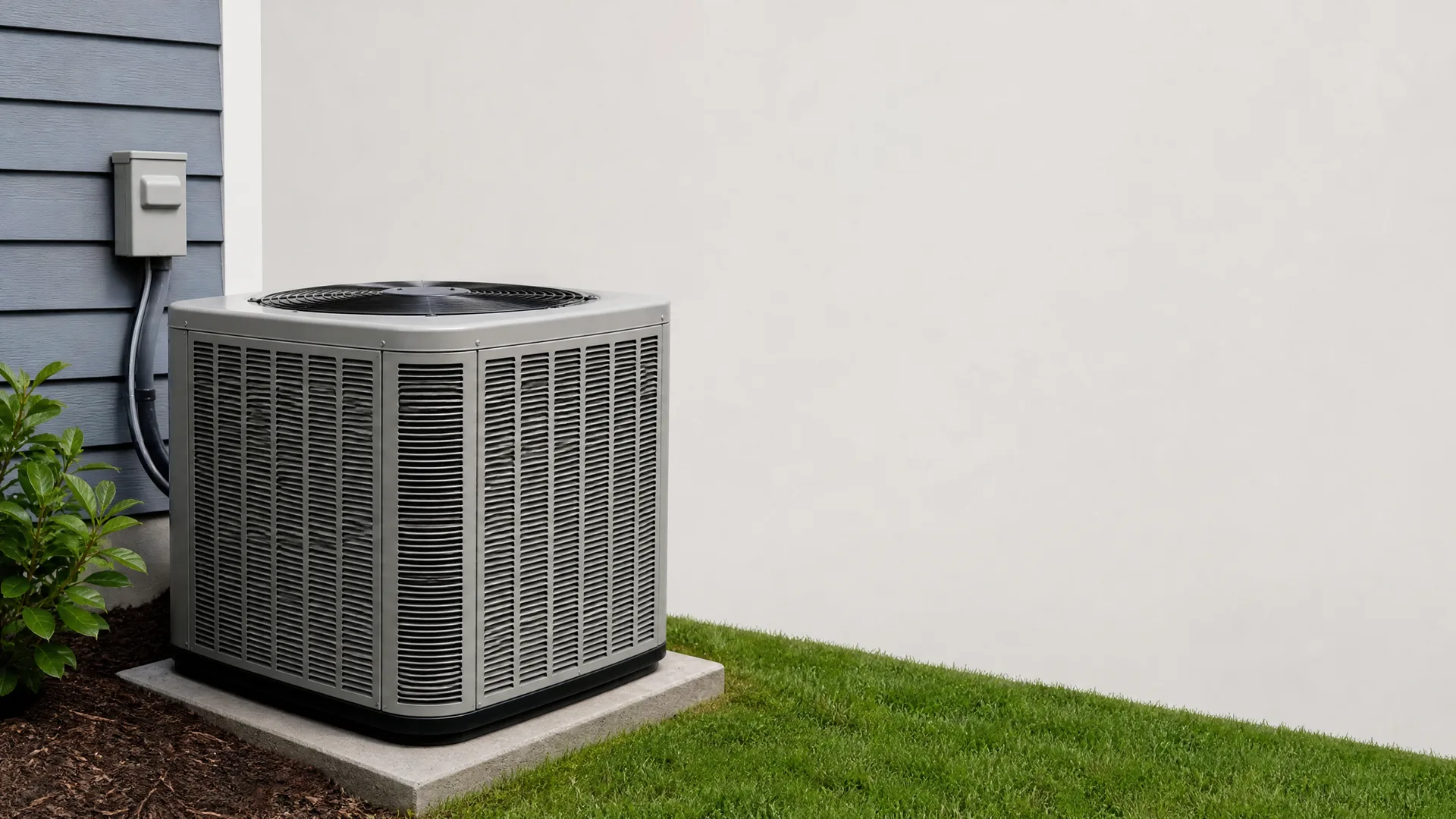
A breaker that trips once and resets fine can be a fluke. One that trips again as soon as the AC starts is telling you the compressor or the fan motor is drawing more current than the circuit allows. That points to a failing capacitor or a motor working harder than it should. Leaving it to keep tripping risks damage to the compressor, which costs far more to replace than to catch early.
A blank thermostat screen usually means it lost power, either from dead batteries or a tripped low-voltage fuse on the furnace or air handler board. That fuse is there to protect the system's control wiring. If it blew, something downstream pulled too much current, often a short in the wiring to the outdoor unit or a failed contactor. Replacing the fuse without finding why it blew means it will likely blow again.




A dead AC in Oshkosh doesn't wait for a convenient afternoon. It picks the muggiest stretch of July or August, and every hour you spend calling around for someone to look at it is an hour the house keeps heating up. You've already checked the breaker and the thermostat. What's left is the kind of diagnosis that means opening the unit up, testing the capacitor, the contactor, maybe the fan motor, and that's not a call you make five times to five different companies to find out who can come today. Submit the request once and it goes to a contractor who covers Oshkosh and the rest of Winnebago County, who gets back to you instead of you chasing a callback. You still have a system that won't start. What you don't have to do anymore is spend the rest of the day on the phone finding out who can fix it.
Once the outdoor unit stops, your house starts tracking the temperature outside. On a muggy Oshkosh afternoon that happens fast, and by evening the upstairs rooms are the ones you feel it in first. Humidity climbs with it, so the air feels heavier than the thermostat number suggests, and anyone sensitive to heat in the house has fewer hours of comfort before it gets uncomfortable. If you have pets or a baby in the house, that climb matters sooner than it does for the rest of you. A system that won't start isn't just an inconvenience to plan around. It's your house losing the fight against the weather outside with nothing pushing back.
A breaker that keeps tripping or a compressor that hums and won't catch is not a problem that fixes itself by trying again tomorrow. Each restart attempt puts the same strain on whatever part is already failing, and a motor that's struggling now can seize for good if it's pushed through enough cycles. Meanwhile the house keeps gaining heat with no AC to pull it back down, so the delay costs you comfort on top of whatever it's doing to the equipment. Checking the breaker and thermostat again won't change what's actually wrong inside the unit. That takes someone who can open it up and find the failed part.


This is a system cycling on and off without you thinking about it. The pad is clean, the fins are clear, and the disconnect box sits ready if a tech ever needs to cut power for service. Nothing here is asking for attention.

Years of buildup on the fins make the unit work harder to move heat, and that strain shows up as tripped breakers or a compressor that hums but won't start. The lines running into the wall still carry refrigerant and power, but a unit this worn is closer to the day it just stops.


Summers here run with a dew point around 60°F, the figure NOAA uses to track how much moisture sits in the air over June, July and August. That's the kind of air where sweat doesn't dry and a house holds onto heat long after the sun's down. Your air conditioner has to pull that moisture out along with cooling the air, which means it runs longer and works harder than it would somewhere dry. When it stops working altogether, that humidity doesn't wait. It moves into the house fast, and you feel it in the damp rooms and the sheets that won't cool off before the system is fixed.
NASA POWER T2MDEW
Maybe it's the quiet. No hum from the outdoor unit, no air moving at the vents, just the same still house you had before you touched the thermostat. Maybe it's the opposite, a click or a hum from outside that never turns into cold air, so the fan runs but nothing changes. Upstairs is probably the room you're watching, since that's where warm air settles first. A few hours of this and you'll notice it in the house itself, not just the thermostat: windows holding warmth, the air feeling heavier than it should, anyone sensitive to heat starting to feel it before you do.
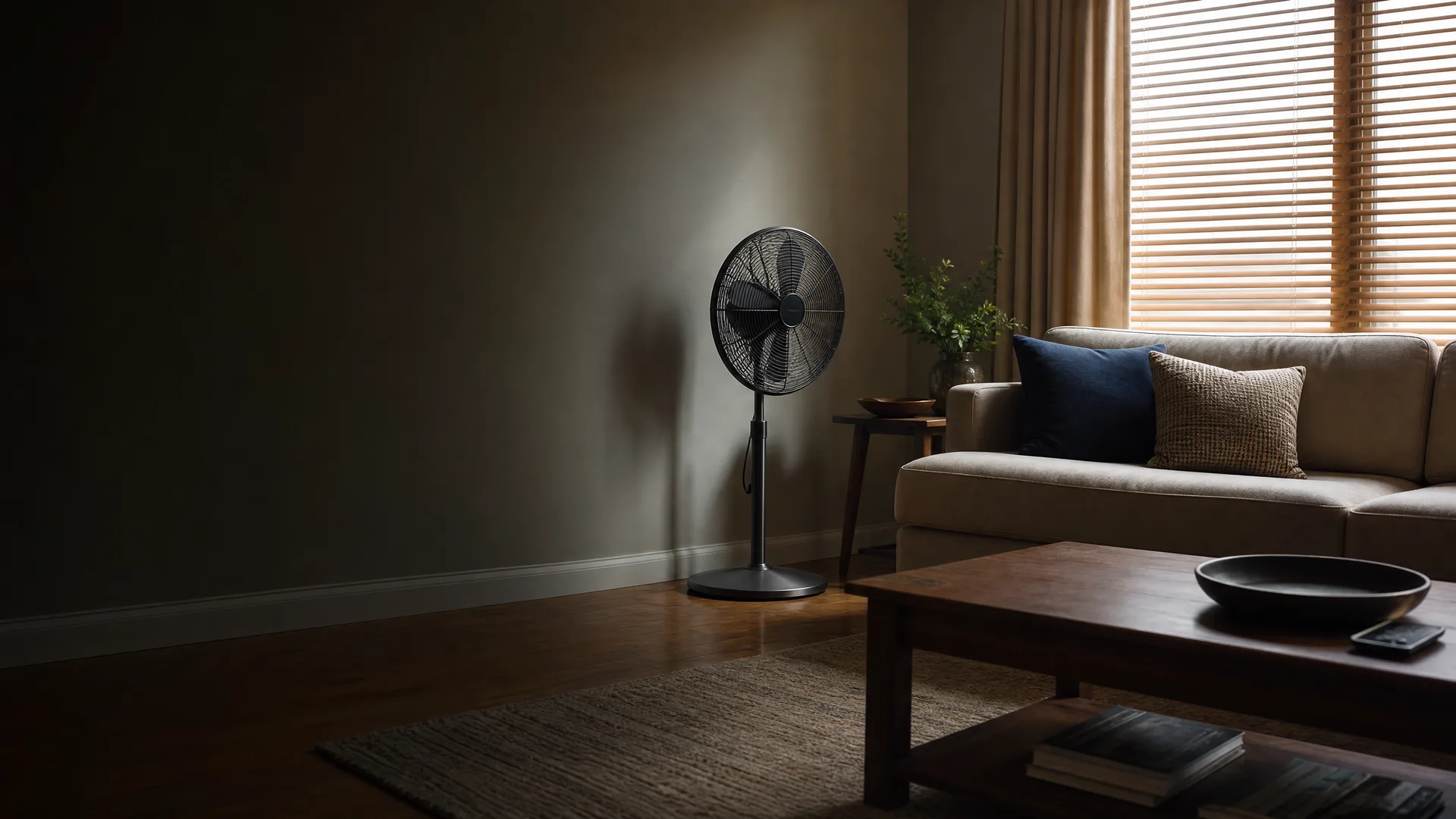
It's a little past two and the blinds are drawn against the sun, but the room is still warm enough that the floor fan next to the couch is doing all the work the AC used to do. You can hear it pushing the same air around rather than cooling it. Outside, Oshkosh is sitting in the kind of July afternoon where the dew point alone makes the air feel heavy, and inside, nothing from the vents is cutting through it. You've already turned the thermostat down a few degrees just to check, and the numbers on the screen haven't moved. The fan hums along next to you while the house holds onto the heat it's had since noon.
Three months is the whole window your AC has to carry you through Winnebago County's heat. When it quits in June, July, or August, there's no mild stretch left to wait it out in, just the months you actually need it.
NOAA nClimDiv 1991-2020
A dead AC still comes down to a short list of causes: a tripped breaker that won't hold, a thermostat that lost power, a capacitor that failed, a contactor stuck open, a condensate switch that shut the system down on purpose. What you've checked so far narrows that list, it doesn't close it, and the only way to know which one you're dealing with is to have someone test it. Left alone, that's calls to a handful of companies, explaining the same symptoms each time, waiting on quotes that may or may not match what's actually wrong. Skip that part. Answer a few questions about what the system is doing and a contractor who works on these systems in Winnebago County will reach out directly, already knowing what you've ruled out. The heat in your house right now doesn't care which part failed. It cares how soon someone gets to it, and that starts with one conversation instead of five.
Find an air conditioner repair pro in Winnebago County