AC blowing warm air in Green Bay, WI

Get matched with someone who does this kind of work in Brown County.

Get matched

Warm air from your vents usually means the compressor outside has stopped running while the indoor fan keeps blowing, so air still moves through the house but nothing is cooling it. A dirty air filter or a clogged outdoor condenser coil is the most common cause, since either one can choke off airflow until the system trips off to protect itself. Low refrigerant from a slow leak causes the same thing, and so does a failed capacitor or contactor that keeps the outdoor unit from starting at all. On a hot, humid Green Bay afternoon this shows up fast, since the system has no reserve capacity to make up for the loss. Check your thermostat is set to cool and the filter isn't visibly packed with dust before anything else. If the outdoor unit isn't running at all while the thermostat calls for cooling, that points to an electrical or refrigerant problem that needs a trained eye rather than a quick fix.

A woman with long brown hair wearing a green V-neck top and beige cardigan sits on a light sofa, looking off to the side, with a dining table, lamp and framed picture in the background.
A woman in a beige cardigan sits on a light-colored sofa with a blanket over her lap, looking off to the side, in a living room with large houseplants and a window.
A woman with long wavy brown hair in a grey ribbed sweater sits on a couch indoors, looking toward a window, with a potted palm-like plant and fireplace behind her.
A woman with long dark hair in a cream knit sweater sits on a beige sofa indoors, looking toward a bright window with a houseplant and framed picture in the background.
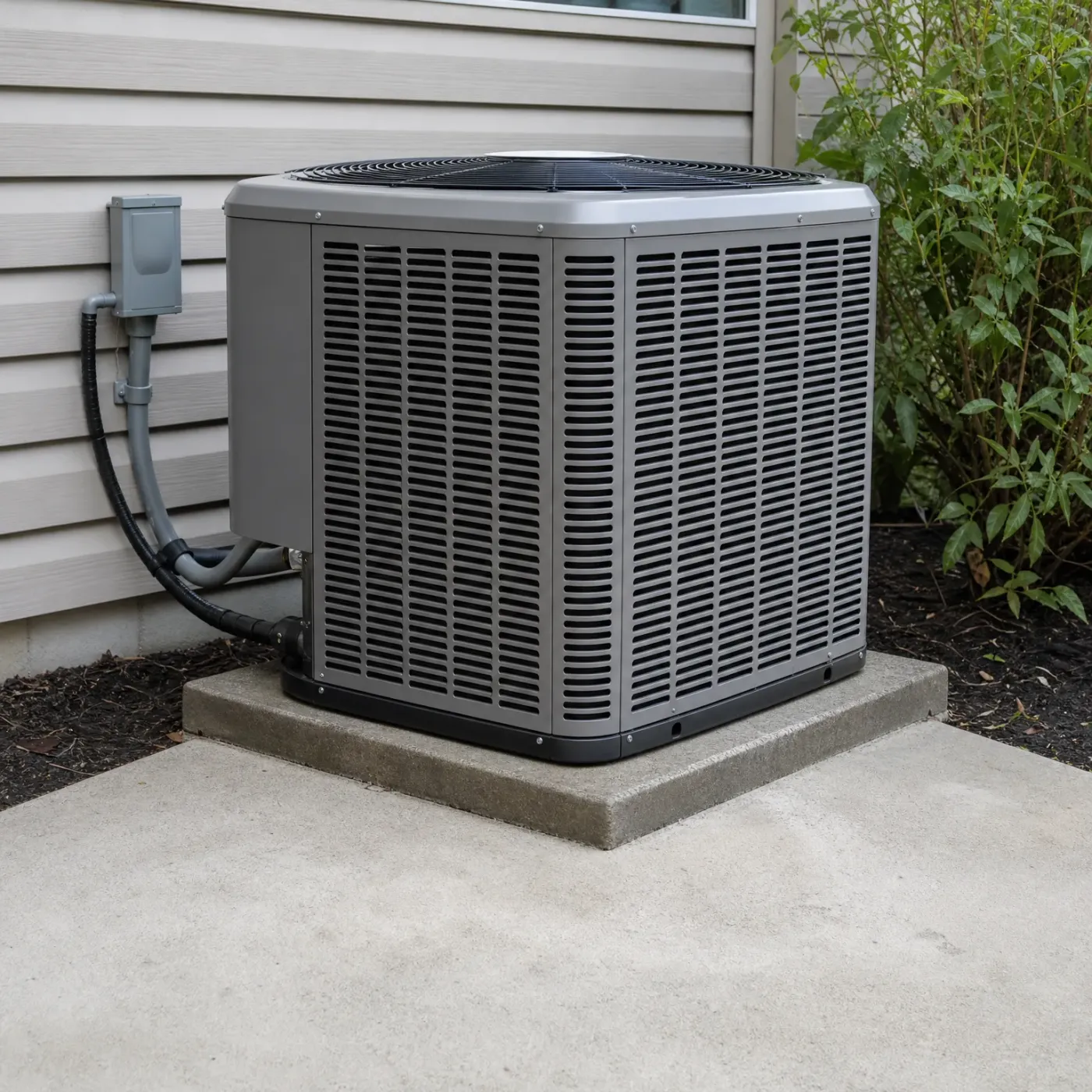
A gray outdoor air conditioner condenser unit sits on a concrete pad beside a house with horizontal lap siding, with conduit and an electrical disconnect box on the wall, dark mulch and a shrub to the left, and a concrete walkway in the foreground.
The condenser runs clean, with clear airflow through the grilles and the fan cycling on when the thermostat calls for cooling.
An outdoor air conditioning condenser unit on a concrete pad beside a house with horizontal lap siding, with a shrub and mulch bed to the left and conduit and a small electrical box on the wall to the right.
A coil caked with dirt or a cabinet packed with yard debris makes the unit work harder and can shut it down before it cools the house.
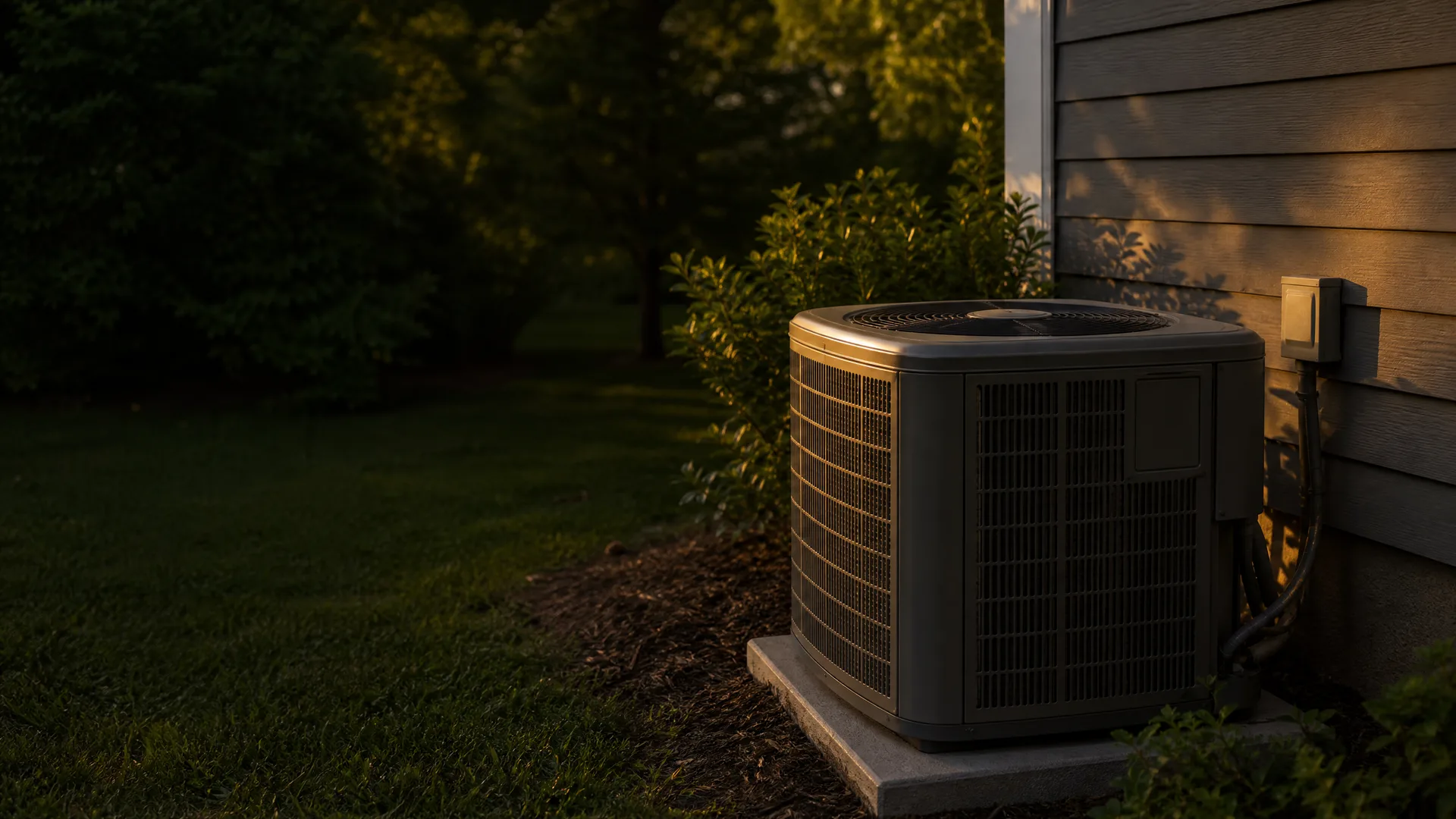
An outdoor air conditioner condenser unit on a concrete pad beside a house with horizontal lap siding, next to a mulch bed, shrubs and a lawn at dusk.

You're out back around seven, grass still warm underfoot, watering the tomatoes before the light goes. The condenser sits against the house doing nothing. No hum, no fan turning behind the grille. Inside, your spouse calls out that the air coming from the vent upstairs feels like nothing at all, just moving air, no cool to it. You crouch down and check the side panel, half expecting to find the vents choked with the cottonwood fluff that's been drifting through the neighborhood all week. The sun's dropping behind the Matthiesens' fence line and the cicadas are loud, and the unit just sits there, dead quiet, while the house slowly catches up to the evening heat.


A woman in a cream cardigan and jeans stands with one hand raised facing an open front door of a gray horizontal-siding house, with a black lantern wall light, a potted shrub with yellow flowers, and a stone-faced porch column.

Why the compressor cuts out before the fan does

The compressor has a safety switch that shuts it off if it runs too hot or the pressure inside climbs too high. The indoor blower has no such switch, so it keeps moving air that's just the room temperature. That's why you still feel airflow but no cold. A refrigerant leak, a failing capacitor, or a condenser coil blocked with grass clippings can all trip that switch the same way.

Figuring out which one it is means checking the pressures and the amp draw on the compressor, not just looking at the unit. A contractor who works on these systems around Green Bay every summer has usually seen that exact switch trip a dozen times that week, for a dozen different reasons. Get matched with one who takes your case specifically, and they'll call to find out what your system is doing before they ever show up with a gauge.

A mug and a small round vase sit on a wooden windowsill beside sheer and heavier curtains, with blurred autumn trees seen through the rain-speckled window and a sofa with cushions and a throw in the foreground.
A gray outdoor air conditioning condenser unit on a concrete pad beside a house with horizontal lap siding and a stone veneer base, with a disconnect box and conduit on the wall, mulch bed and shrub to the right, and mowed grass in the foreground.

Running the way it should

The cabinet is clear on all sides and the shrub beside it stays clipped back. Air passes through the grille without resistance, and the fan cycles on as soon as the thermostat calls for it. Nothing blocks the coil from shedding heat.

An outdoor air conditioner condenser unit on a gray composite pad beside a house with horizontal siding, a concrete foundation, a basement window, and a conduit and disconnect box on the wall.

Dirt doing the damage

Dust has built up across the mesh and settled into the fins behind it. The coil can't shed heat the way it needs to, so the compressor works harder and runs hotter until its safety switch shuts it down. The blower keeps moving air anyway, and it comes out warm.

Why does my house stay warm no matter how low I set it

You turn the thermostat down to 68 and nothing changes. The air coming out of the vents feels like the room, not cold. Maybe you notice it's been running longer than usual without the house cooling off, or someone in the house mentions the air just feels flat. Outside, the condenser might be quiet when it should be running, or running but not doing much. None of this is in your head. If the compressor has shut down, the system is just moving warm air around the house, and it will keep doing that until the unit is looked at. Left alone through a stretch of warm days, that's hours of discomfort for whoever is home, and a bill that doesn't match what you're getting for it.

A gray outdoor air conditioner condenser unit on a concrete pad beside a house with beige horizontal siding, with an electrical disconnect box and insulated refrigerant lines on the wall and dry leaves on the ground.
Before you get your air conditioner repair
A gray outdoor air conditioning condenser unit on a concrete pad beside a house with horizontal gray siding, with a wall-mounted electrical disconnect box and insulated refrigerant lines, and blue hydrangeas in a mulched bed to the left.
After you get your air conditioner repair

Get matched with an air conditioner pro in Brown County

A licensed pro who repairs air conditioners in Brown County gets your request.

No fee to send it, and nothing to sign.

What a dirty condenser does to the unit

A condenser coil caked with cottonwood seed or cut grass can't shed the heat the refrigerant is carrying. The pressure inside climbs, the compressor's safety switch trips, and the outdoor unit shuts down. The indoor blower keeps running because nothing tells it to stop, so you still feel air movement at the vents, just not cold air. This is why checking the outdoor unit matters as much as checking the filter. A coil that looks fine from a few feet away can still be packed with debris low on the fins, right where the airflow pulls it in.

Why the filter gets blamed first

A clogged filter restricts airflow across the indoor coil, and when too little air moves across it, the coil gets too cold and ice forms on it. Once that ice builds up, it blocks airflow entirely, and the air coming through the vents turns warm even though the compressor outside is running fine. This looks almost identical to a compressor problem from inside the house. The difference is what's happening at the two coils, one frozen, one overheated, and a contractor who works on these units every summer in Brown County checks both before deciding what actually failed.

Cooling runs July through August

Two months is a short window to find out your AC isn't cooling. With July and August carrying the whole load, a compressor that trips off or a coil packed with debris costs you real comfort fast, not some distant inconvenience.

NOAA nClimDiv 1991-2020

A gray outdoor air conditioner condenser unit on a concrete pad beside a house with light vinyl siding, with an electrical disconnect box and conduit on the wall and a leafy shrub with dark mulch to the right.

Clean and clear

Nothing sits against the cabinet, and the grille is free of dirt and buildup. The conduit and refrigerant lines run straight up to the disconnect box without anything pressed against them. Air moves through the coil without resistance, so the unit sheds heat the way it's supposed to and the compressor keeps running.

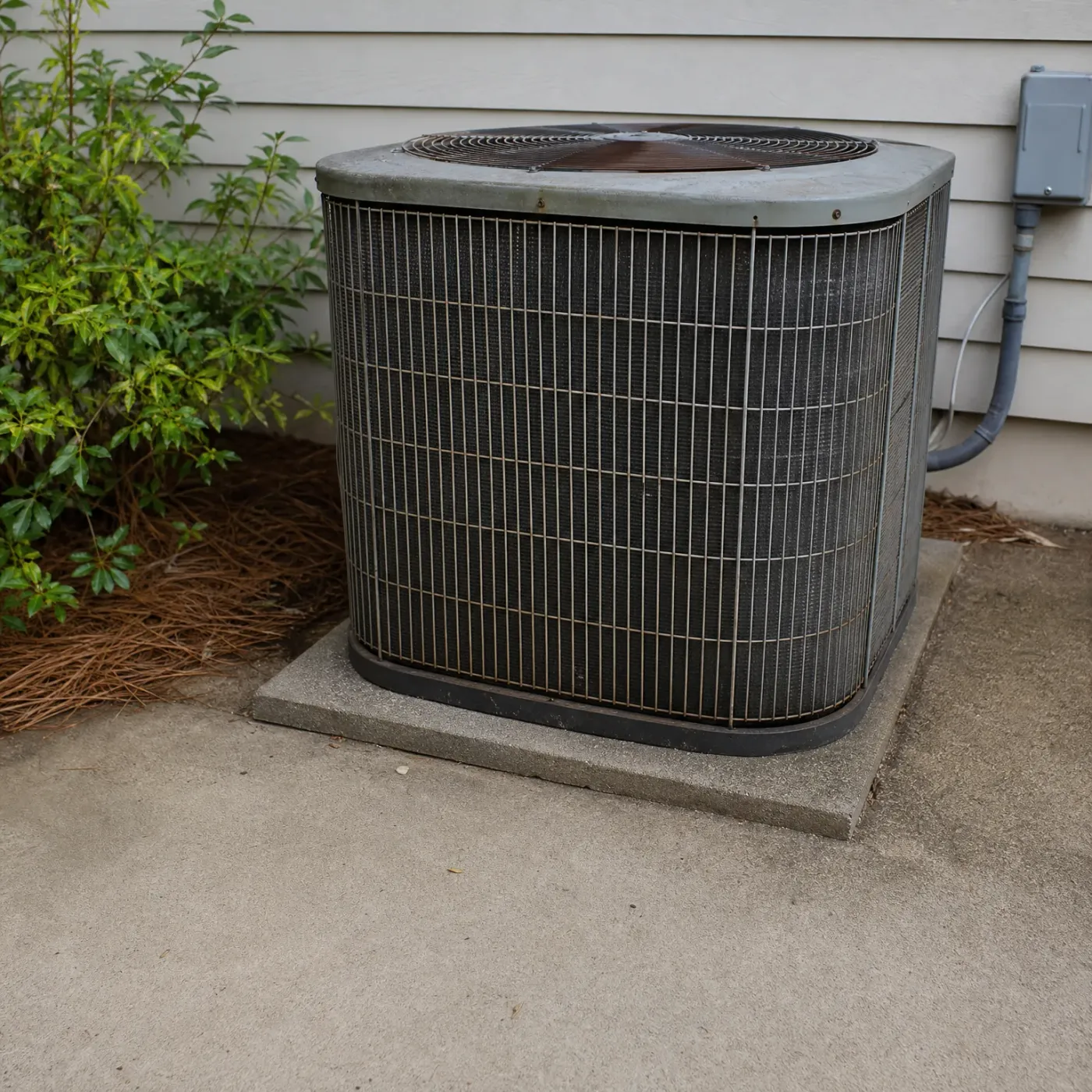
An outdoor air conditioner condenser unit on a concrete pad beside a house with horizontal lap siding, with a gray electrical disconnect box and conduit on the wall and a green shrub over pine-needle mulch at left.

Dirty and blocked

The grille is caked with grime and weathered from sitting outside through the seasons. Pine needle mulch and a shrub crowd the cabinet on one side. Dirt like this holds heat against the coil, and once the unit can't shed it fast enough, the compressor's safety switch shuts it down.

An older woman with short gray hair in a cream knit sweater smiles while looking to the side, standing behind a wooden board holding a round loaf of bread, with a dark window and lamp-lit interior behind her.
A woman sits on a couch under a chunky knit blanket with a sleeping young child resting against her, with a lit lamp and window in the dim background.

Warm air, and what to do

  • Warm air from the vents almost always means the outdoor compressor has shut off while the indoor fan keeps running.
  • A dirty filter or a condenser coil packed with grass and cottonwood seed is the most common reason the compressor trips off.
  • July and August carry the full weight of a Green Bay summer, so a unit that quits on a 90 degree day needs attention right away.
  • A contractor local to Brown County sees this same shutdown every summer and knows which part usually fails first.
  • You'll be matched with one licensed local contractor rather than fielding calls from several companies at once.
  • Checking the filter and clearing anything pressed against the outdoor cabinet is worth doing before anyone comes out.

The outdoor unit has shut itself off while the indoor fan keeps pushing air through the house. That's the warm air you're feeling. Almost always, something is stopping the condenser from shedding heat: a filter packed with dust, or a coil outside buried in grass clippings and cottonwood seed. The compressor has a safety switch for exactly this, and it trips before anything breaks. The fan doesn't have that switch, so it just keeps running, moving air that was never cooled.

Green Bay doesn't give you a long summer to work with. July and August do almost all the work, and a unit down on one of those 90 degree days isn't a minor inconvenience. It's the whole season's cooling riding on a part that quit.

Before anyone comes out, check what you can reach. Pull the filter and look at it. Walk around back and see if anything is pressed against the cabinet, grass, a shrub, a stack of mulch bags. Sometimes that's the whole problem.

When it's more than that, you'll be matched with one licensed contractor working in Brown County, not a handful of companies competing for your callback. Someone who services this equipment all summer has seen this exact shutdown before and knows which part on a unit like yours tends to go first. That's the kind of thing you learn from doing the work here, not from a manual.

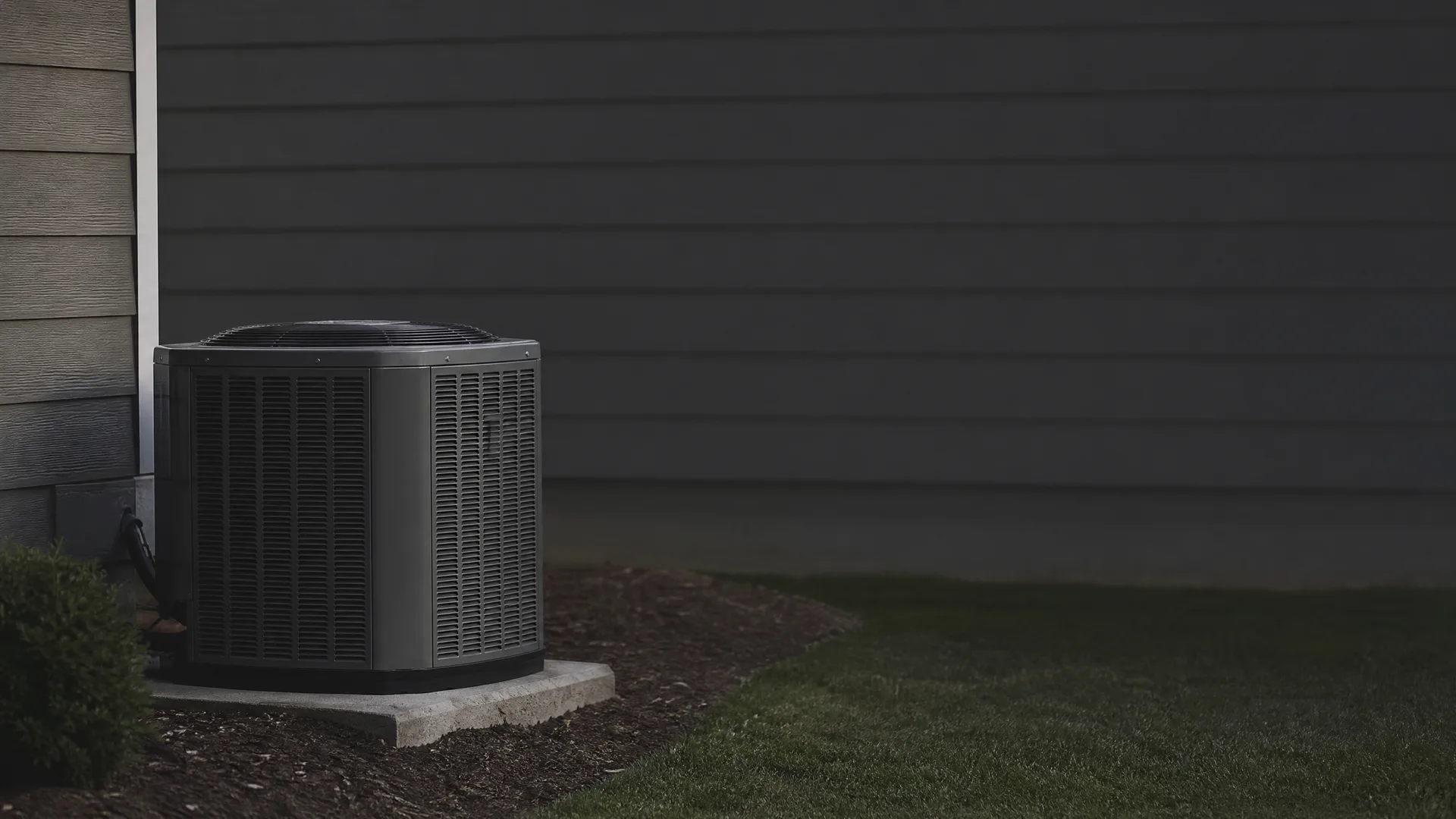
An outdoor air conditioning condenser unit on a concrete pad beside a house with dark horizontal siding, surrounded by mulch, a small shrub, and lawn.

Find an air conditioner repair pro in Brown County

A licensed pro who works in Brown County gets your request.

RepairCentral ACBrown County, WI
Step 1 of 2

What ZIP code is the job in?