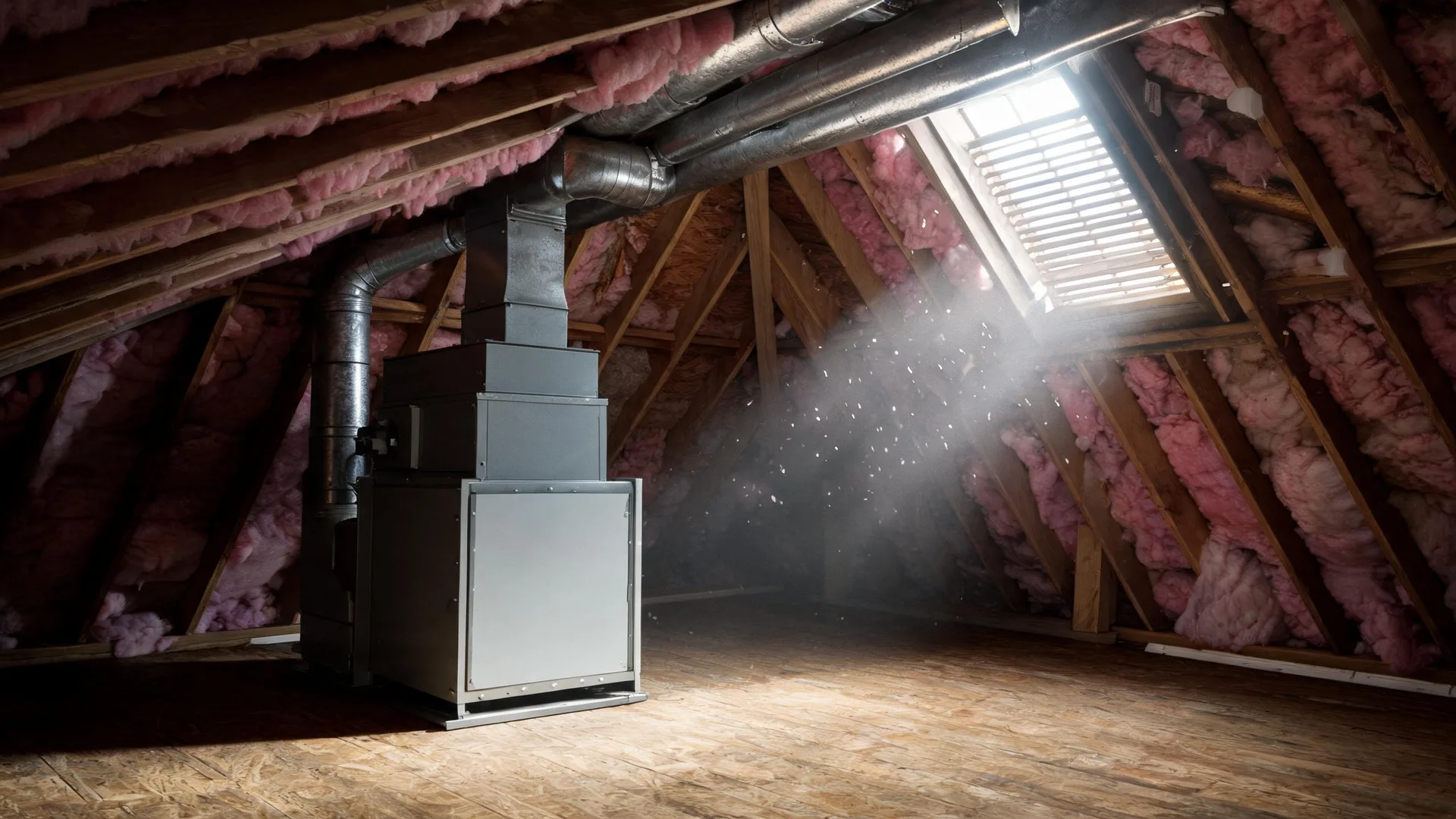
Storms come through often
Marathon County logged 174 severe weather events between 2015 and 2024, including 82 damaging wind events, 49 hail events and 10 tornadoes. Winter storms added another 33.
Takes about a minute. No obligation.
Marathon County logged 174 severe weather events between 2015 and 2024, including 82 damaging wind events, 49 hail events and 10 tornadoes. Winter storms added another 33.
Close to one in five Wisconsin households went at least a full day without power in 2024. A new air conditioner sits outside through all of this, and a power cut takes more than just the cooling with it.

NOAA nClimDiv, 1991–2020 normals
Your air conditioner only has to earn its keep about two months a year here.
A straightforward, well-built system covers July and August fine, so there's no need to pay for more cooling power than Wausau summers ask for.

Gas heats more homes here than anything else, 56.4 percent, with LP gas running another 16.6 percent on top of that. Electricity accounts for just 16.5 percent. If your house already has a gas furnace, the air conditioner that goes in alongside it is built to pair with that setup, sharing the same ductwork and the same indoor air handler or coil location. Replacing an existing AC this way is usually straightforward, since the lines and the space for the unit are already there. Adding cooling to a gas-heated home for the first time means fitting a coil to the furnace and running a new line to the outdoor unit, which a contractor can walk through on a visit.
The outdoor unit will sit outside through hail, wind and winter storms for as long as you own it. Picking a spot with some cover, and asking the contractor about surge protection during installation, is easier to do now than after a storm. Worth asking too how the rest of the house holds up in an outage, since the furnace and water heater usually need power to run even on gas.
Find a contractor
July and August are the two months this system has to work. June is when to get it installed. A contractor can take the time to size the unit right and get the install done clean when there's no rush and no heat to work around. Wait until the first hot week and you're choosing from whatever's in stock, on whatever day someone can get out to you.
A lightning strike nearby or the power snapping back on after an outage sends a spike through the line. The compressor is the expensive part to replace, and it's the part a surge hits hardest. Ask whether surge protection is built into the unit or added at install, and whether it covers the outdoor unit alone or the whole system.
The outdoor unit pulls air through a coil to shed heat, and that coil sits exposed to whatever blows through, grass clippings, cottonwood, storm debris. A system that's hard to access for a coil cleaning costs more in service calls down the road. Ask how the cabinet opens up and how often that coil needs attention.
Estimates for a typical Marathon County home, from EIA household energy data, Wisconsin fuel prices and NOAA climate normals. Your home will differ.
Installation starts with sizing, not with the equipment itself. A contractor measures the house, checks the ductwork, and works out how much cooling the space actually needs, because a unit that's too big cycles on and off and never runs long enough to pull moisture out of the air. Once the unit's on site, the old outdoor unit comes out first if there is one, and the pad or mounting gets leveled and set. The indoor coil goes in next, matched to the furnace or air handler already there. Lines get run between the indoor coil and the outdoor unit, pressure tested for leaks, then evacuated to pull out air and moisture before the refrigerant goes in. Electrical hookups and a disconnect box near the outdoor unit come after that. Last comes startup: checking refrigerant charge, airflow, and that the thermostat is actually talking to the system before anyone calls it done.