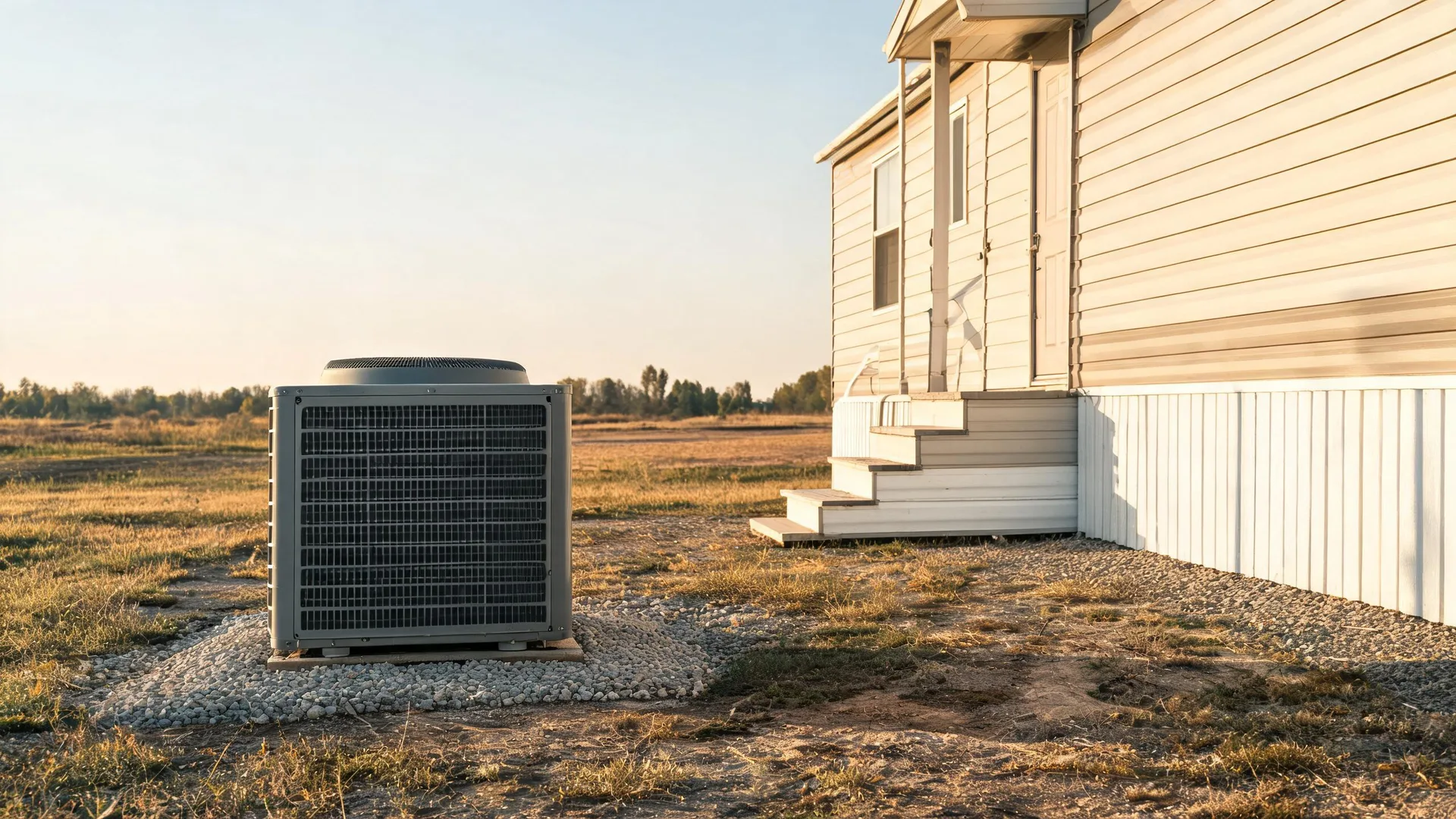
Gas heat is the norm here
Just over half of Douglas County homes, 53%, heat with utility gas. Another 22.3% run on bottled or LP gas. A new AC system here is almost always paired with a gas furnace, not replacing one.
Takes about a minute. No obligation.
Just over half of Douglas County homes, 53%, heat with utility gas. Another 22.3% run on bottled or LP gas. A new AC system here is almost always paired with a gas furnace, not replacing one.
If your furnace runs on gas, a new AC unit just needs to match up with the existing ductwork and furnace blower rather than introducing an electric air handler. That keeps the job closer to a straight swap than a redesign.

NOAA nClimDiv, 1991–2020 normals
The size of the unit has to match the house, not the budget.
An oversized system cools the air fast but never runs long enough to pull the moisture out, so the install cost rides on getting that number right, not on picking the biggest unit available.

Douglas County has its share of rough weather, including 54 damaging wind events and a couple of tornadoes over the past decade. None of that changes what the AC itself needs to be. Wind and hail are a roofing and siding problem, not a reason to upsize a condenser. The one piece worth knowing is that close to a fifth of Wisconsin households lost power for a full day or more last year. When the power drops, the system just stops, and it starts back up on its own once power is restored. No reset needed. That's worth knowing, but it's not a reason to spend more on the unit itself.
Half the homes in Douglas County were built in 1969 or earlier. A new AC system has to work with the house that's already there, the ductwork and furnace included, not a house built around it. Get it sized to fit what's already in place.
Find a contractor
That sizing call starts with a load calculation on the house as it stands, not a number pulled off the old unit's nameplate. In a home built in 1969 or earlier, that means someone measuring the rooms, checking the windows, and looking at what the ductwork can actually move before the quote gets written.
A contractor will recover the refrigerant from the old system before anything gets cut apart. That's not optional. The refrigerant has to be captured and dealt with properly rather than vented, so the old coil and condenser get drained before they're disconnected from the line set and carried out.
If the existing ducts and furnace blower are in decent shape, they carry over to the new system rather than getting replaced. Same with the outdoor pad, as long as it's still level and sound. The job is swapping the condenser and coil, not rebuilding what moves the air.
Estimates for a typical Douglas County home, from EIA household energy data, Wisconsin fuel prices and NOAA climate normals. Your home will differ.
Installation day starts outside. The new condenser sets on the pad, the line set gets run to the coil, and that coil usually sits right above the furnace in the existing plenum. A vacuum pump pulls the lines down before any refrigerant goes in, because trapped air and moisture in the line set will wreck a compressor long before its time. Once the charge is in, the tech checks it against the manufacturer's numbers for the exact line length and conditions that day rather than just filling it to a gauge reading. Then it's power to the condenser, a run of the blower, and a check of the temperature drop across the coil to confirm it's pulling heat the way it should. Expect the crew there most of the day, less if it's a straight swap onto ductwork that's already sound.