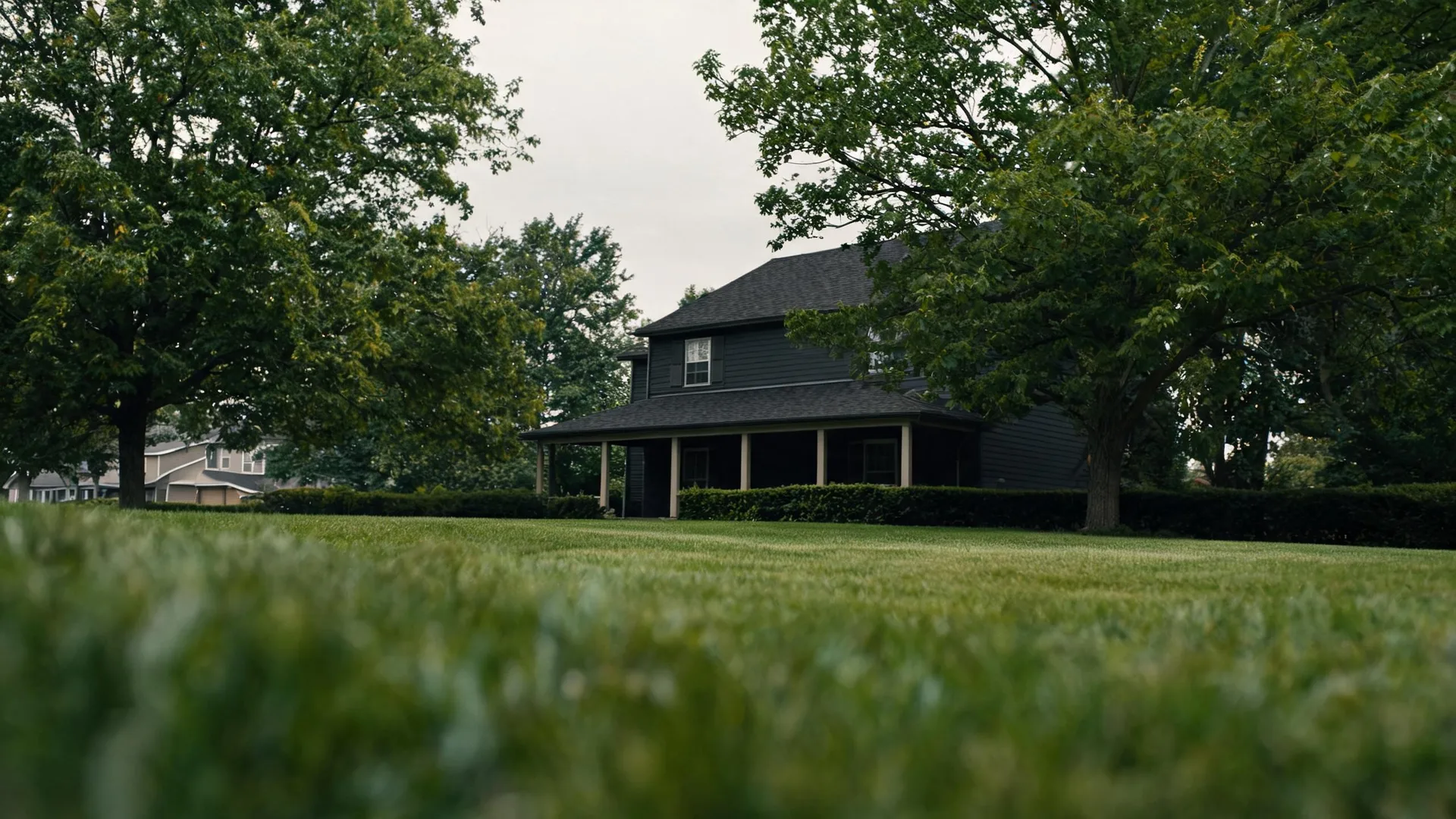
A dark two-story house with a covered porch stands behind a hedge and large deciduous trees, viewed from a low angle across a mowed lawn under an overcast sky.

AC Installation in Appleton, WI

Tell us about the job

Takes about a minute. No obligation.

New system or replacementCentral ACOutagamie County, WI
Step 1 of 2

What ZIP code is the job in?

Outagamie County sees real storms

Outagamie County recorded 176 severe weather events between 2015 and 2024, including 79 damaging wind events, 60 hail events, and 13 tornadoes. Winter storms with heavy snow and ice added 22 more. An outdoor AC unit sits outside through all of it.


Power doesn't always hold

Almost one in five Wisconsin households went at least 24 hours without power in 2024. A central air system depends on that power, and so does a gas furnace with electric ignition. When the grid goes down, cooling and heat go with it until it comes back.

3 months
June through August, your air conditioner is on duty
79°F
the average summer afternoon it cools against
60 hail events
in ten years, and hail bends the fins on outdoor coils
13.4 SEER2
the federal minimum any new unit must meet
Isometric line illustration of a cutaway house showing interior rooms, ceiling ductwork, an indoor air handler unit, and an outdoor condenser connected by lines along the exterior wall.
Your air conditioner works hardest from June through August.

NOAA nClimDiv, 1991–2020 normals

Gas heats 70.7% of homes in Outagamie County.

For most installs here, the job is matching a new AC to a gas furnace already in place.

Three months of work a year, so get it installed before June

Cooling runs June through August
Climate zone 5A
Power here costs 18.55 cents per kilowatt-hour

Three months of real work a year is not much to ask of a machine. June through August, afternoon highs here average 79°F, and the air stays light, with dew points around 59°F. That is lower than most of the country sees in summer. A system working in air like that is not straining the way one does further south. Less load means less wear, so a repair later on is usually worth making rather than a sign the unit is done. You don't need the highest efficiency model on the lot to get through a Wisconsin summer. Spend on a unit that is sized and installed right, and it will handle what this climate actually asks of it.

Plan for the outage before you need to

Where the installer puts the outdoor unit, and how it's protected, is worth deciding at install rather than after a storm. Ask about backup for heat and hot water too, since both depend on power you may not have for a day or more.

Find a contractor
A man seen from behind in a backward cap, dark jacket and tan work pants carries a waxed canvas tote bag up steps toward a green front door, with a potted shrub beside the entry.
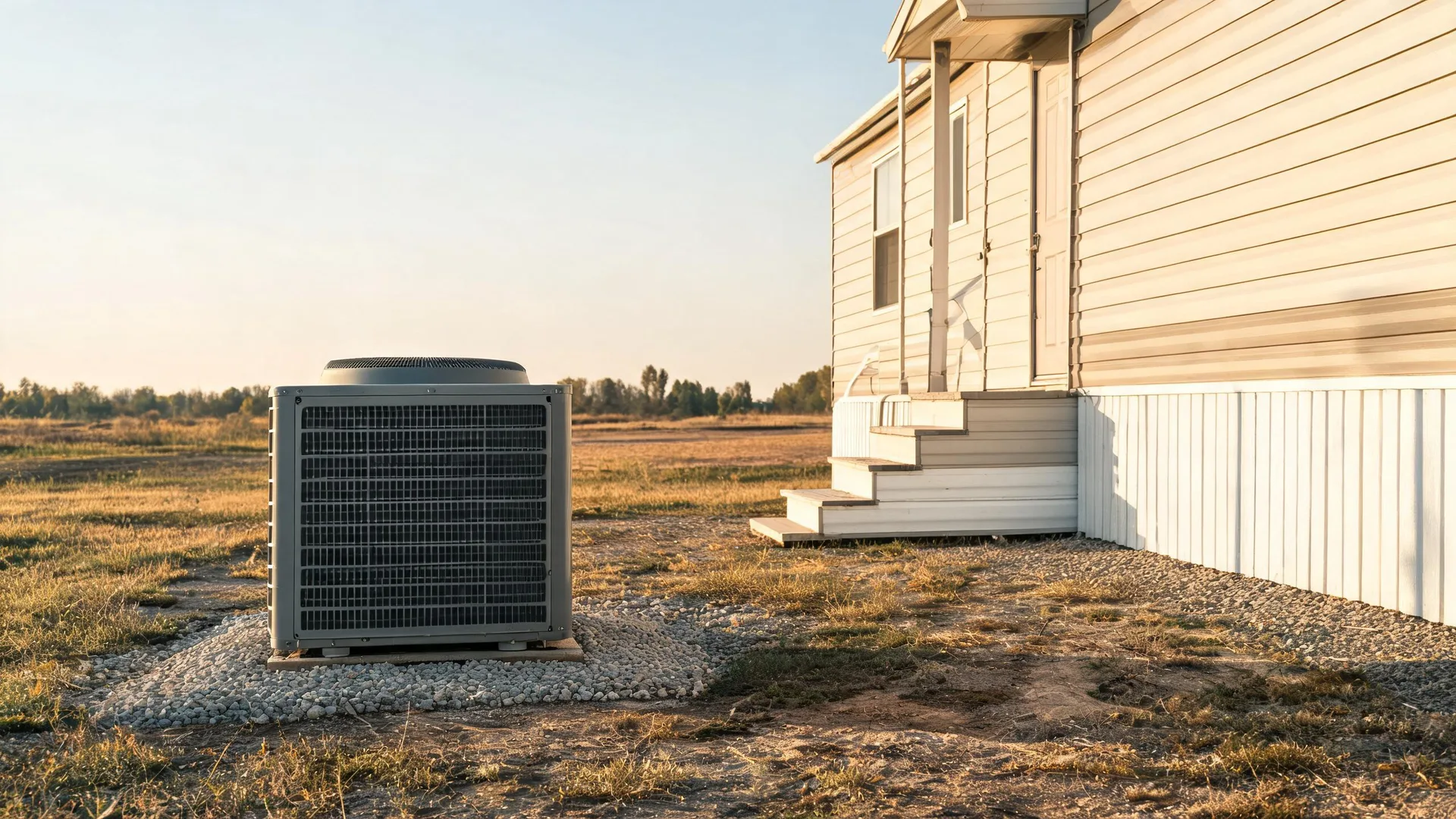
A gray residential air conditioner condenser unit mounted on a concrete pad in an open grass field.

Light duty, done right

Three light months a year means this system won't spend its life straining. That's the case for not chasing the highest SEER2 rating on the lot. Put the money into getting the size and the installation right instead. A unit matched correctly to your house will cycle the way it should and hold up for years. One that's the wrong size for the job, too big or too small, is the kind that wears out early and needs more than a repair can fix.

The old unit has to come out first

An outdoor condenser is bolted to a pad and wired into a disconnect box. Taking it out means recovering the refrigerant from the line set before anything is unhooked, since it's against the law to just vent it into the air. The old refrigerant lines usually get swapped too, especially if the new system runs on a different refrigerant than the old one did.

Matching old ductwork to a new system

A new condenser has to pair with a coil sized to match it, and that coil sits in the plenum above or beside the furnace. If the old coil doesn't fit the new system's tonnage or refrigerant type, it gets replaced along with the condenser rather than reused. The ductwork itself usually stays as it is, since it was sized for the house, not the old unit.

An overhead view of a residential air conditioning condenser unit mounted on a concrete pad next to a house with vinyl siding.

Going above the federal minimum saves little here, about $20 a year.

  • A higher-efficiency unit$120 a year
  • A new unit at the federal minimum, 13.4 SEER2$140 a year

Estimates for a typical Outagamie County home, from EIA household energy data, Wisconsin fuel prices and NOAA climate normals. Your home will differ.

Installation day starts with a load calculation walkthrough, confirming the size the contractor already worked out fits the house and the ductwork feeding it. The old condenser comes off the pad first, and the line set gets cleared before anything is disconnected. Setting the new condenser and coil usually takes the better part of the day, between mounting the pad, running new line set, and tying into the existing ducts. Once it's connected, the system gets charged with refrigerant to the exact weight the manufacturer specifies, not just until it feels cold. The last step is running it through a full cycle, checking the temperature drop across the coil and the pressures on both sides of the line, before anyone calls the job done. A system that skips that check can run for a while and still be undercharged or overcharged, which shows up later as higher bills or a compressor that fails early.