An outdoor central air conditioning unit mounted on a concrete pad beside a blue-sided house at sunset.

AC Installation in La Crosse, WI

Tell us about the job

Takes about a minute. No obligation.

New system or replacementCentral ACLa Crosse County, WI
Step 1 of 2

What ZIP code is the job in?

Storms come through here often

La Crosse County saw 195 severe weather events between 2015 and 2024. That includes 100 damaging wind events, 66 hail events, two tornadoes and 21 winter storms. An outdoor condenser sits through all of it, exposed to wind and hail alike.

Power doesn't always hold

18% of Wisconsin households went at least 24 hours without power in 2024. A new air conditioner depends on the grid like everything else in the house, and so does the furnace's blower and most water heaters.

3 months
June through August, your air conditioner is on duty
80°F
the average summer afternoon it cools against
66 hail events
in ten years, and hail bends the fins on outdoor coils
13.4 SEER2
the federal minimum any new unit must meet
Isometric line illustration of a cutaway single-story house showing interior rooms with furniture, ceiling ductwork, an indoor air handler, and an outdoor condenser unit connected by lines along the exterior wall.
Your air conditioner works hardest from June through August.

NOAA nClimDiv, 1991–2020 normals

Most homes in La Crosse County heat with gas, 60.9% of them.

A new central air conditioner pairs with the gas furnace's existing blower and ductwork, which is why most installs here follow that same setup.

Three months to get right, starting in June

Cooling runs June through August
Climate zone 5A
Power here costs 15.45 cents per kilowatt-hour

Electricity here runs 15.45 cents per kilowatt-hour, below what a lot of the country pays. That changes the math on a new system. A top-tier efficiency model costs more up front and takes longer to earn that back when power is already cheap. The dew point averages 61°F through June, July and August, which is what makes a sticky day feel heavy, and the right size unit handles that whether it's the most efficient one on the shelf or not. Picking a system that holds up through wind and hail and comes back on after an outage matters more here than squeezing out another point of efficiency.

Pick the spot and the setup before the storm does it for you

Where the new unit goes and what it's mounted on decides how it holds up to wind and hail. Worth asking, too, what runs when the power doesn't: a furnace blower needs electricity even with gas heat, and most water heaters need it too. Settle that as part of this install, not after an outage.

Find a contractor
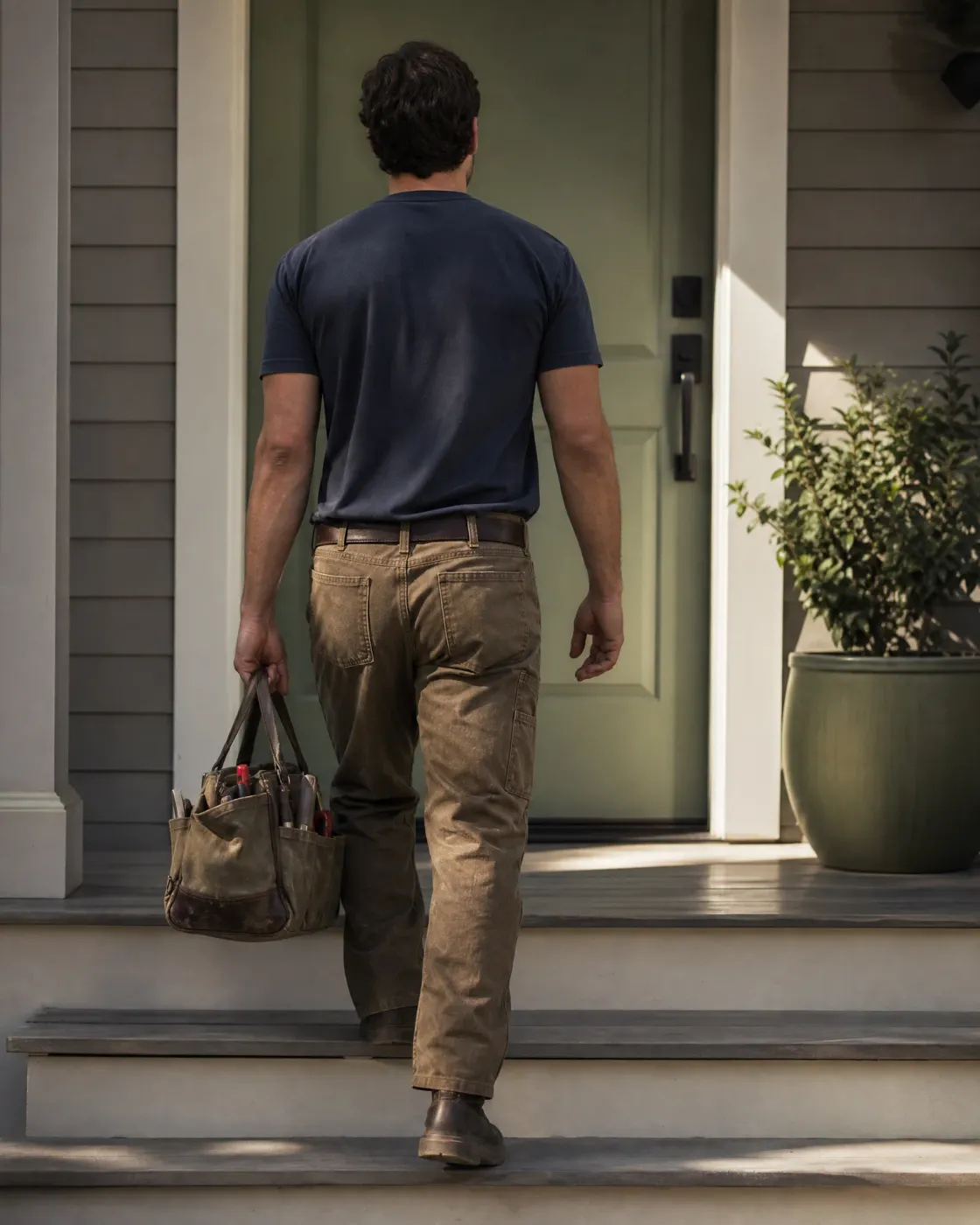
A man seen from behind in a navy T-shirt and tan work pants carries a canvas tool bag up concrete steps toward a green front door, with a potted shrub to the right.
An outdoor residential air conditioning condenser unit mounted on a concrete pad, surrounded by gravel with a blue sky in the background.

Years of running, not just a day of cooling

A compressor that starts and stops all day wears differently than one that runs in long, steady stretches. Short cycling puts more strain on the start components and never lets the system settle into efficient operation. One thing worth asking any installer is how they size the unit for the space, not just the square footage but the windows, the insulation, the layout. An oversized unit cycles too often. An undersized one runs constantly and still can't keep up on the hardest days. Ask what happens to the outdoor unit over years of sitting outside: the fan motor, the coil, the fins that can bend and block airflow if nothing protects them. Ask how the refrigerant lines are run and insulated, since a poorly sealed line loses efficiency slowly, in a way that doesn't show up until the bill does. A system built to last years in one spot deserves a setup that accounts for all of it, not just the day it's switched on.

The number is a ratio, not a guarantee

That efficiency rating compares the cooling a unit produces to the power it draws over a season of typical use. It's measured under set lab conditions. A unit can carry a high rating and still run worse than expected if the ductwork leaks, the refrigerant charge is off, or the coil is dirty. The rating describes the equipment, not the install.

The install decides whether you ever see that number

Two identical units, installed differently, land in different places. Correct refrigerant charge, sealed ducts, and a properly sized system are what let the rating mean anything day to day. Skip any of that and a high-rated unit can run like a cheaper one, while still costing more to buy.

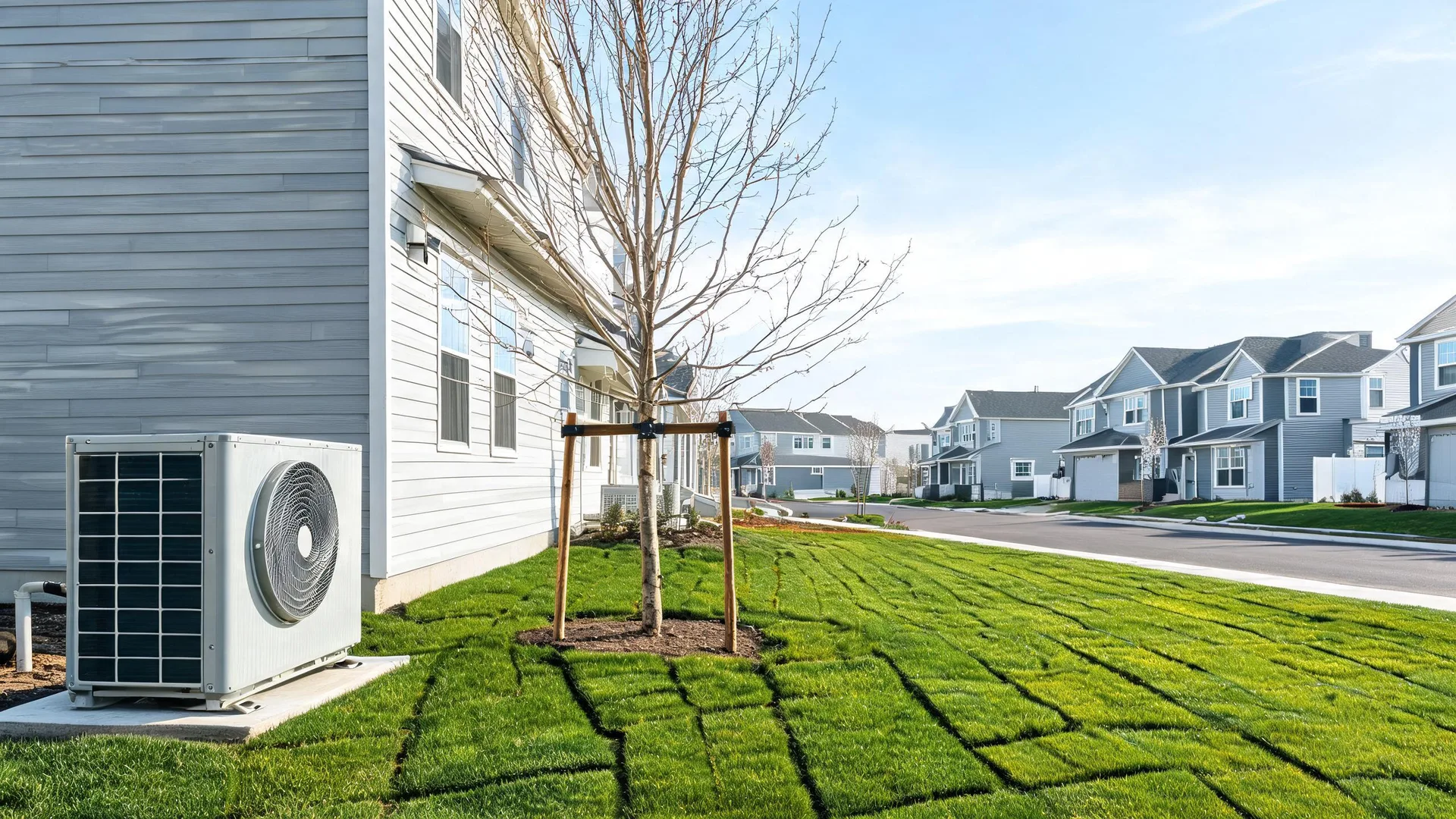
An outdoor air conditioning condenser unit installed beside the exterior wall of a blue vinyl-sided house at sunset.

Going above the federal minimum saves little here, about $20 a year.

  • A higher-efficiency unit$160 a year
  • A new unit at the federal minimum, 13.4 SEER2$180 a year

Estimates for a typical La Crosse County home, from EIA household energy data, Wisconsin fuel prices and NOAA climate normals. Your home will differ.

La Crosse County falls under zone 5A, a cool, humid climate where the energy code treats heating as the bigger job of the two. That doesn't let a new air conditioner off the hook. Any split-system unit under 45,000 Btu an hour built from 2023 onward has to hit a federal minimum of 13.4 SEER2, measured over a full cooling season. That floor applies whether the unit sits in a small ranch or a large two-story. A separate federal tax credit is available for qualifying high-efficiency equipment, worth checking against whatever system ends up on the table.