




A mowed lawn bordered by a tall trimmed hedge, with single-story houses and large leafy trees under an overcast sky.

AC Installation in Oconto, WI

Tell us about the job

Takes about a minute. No obligation.

New system or replacementCentral ACOconto County, WI
Step 1 of 2

What ZIP code is the job in?

Utility gas heats close to half the homes in Oconto County, and another third run on bottled or LP gas. That means most houses here already have ductwork sized for a gas furnace, and when the AC goes in, it shares that same trunk line and plenum. A new condenser and coil paired with the existing furnace setup is usually simpler than redesigning airflow around something else. If your home runs on electric heat or oil, the install still works, but the contractor will size the system around what's already there rather than assuming a gas furnace is doing half the job.

2 months
July through August, your air conditioner is on duty
78°F
the average summer afternoon it cools against
30 hail events
in ten years, and hail bends the fins on outdoor coils
13.4 SEER2
the federal minimum any new unit must meet
Isometric line illustration of a cutaway single-story house showing interior rooms, ducted air handler, ceiling ductwork, and an outdoor condenser unit connected by refrigerant lines.
Your air conditioner works hardest from July through August.

NOAA nClimDiv, 1991–2020 normals

Oconto County runs electricity at 17.18 cents per kilowatthour.

A correctly sized system costs less to run here than an oversized one, so there's no reason to size up.

Oconto sees its share of wind, hail and winter storms, but none of that changes what size AC belongs in your house

119 severe weather events from 2015 to 2024
18% of homes statewide lost power a day or more in 2024
37 damaging wind events from 2015 to 2024

Cooling only runs two months here, July and August, with afternoon highs averaging 78°F. That's a short season and a mild one. A central air system in Oconto sits idle most of the year, so it never sees the kind of daily strain it would running from spring into fall. Less run time means less wear on the compressor and coil over the years. That's a reason to put money into a correctly sized, well-installed system rather than the highest efficiency rating on the shelf. When a unit only works two months a year, a reliable match for your home's ductwork and square footage will serve you better than a few extra SEER2 points you rarely get the chance to use.

Get the AC in before July, not during it

Cooling starts in July here. June is when a new system goes in without the rush of matching a contractor's schedule to a heat wave already underway.

Find a contractor
A gray metal air conditioning condenser unit mounted on a concrete pad in a flat grassy field under a partly cloudy sky.

What you're paying for isn't the box outside

A compressor that starts and stops instead of running steady wears differently than one that runs hard for months straight. What drives installation cost is less about the unit sitting outside and more about what it takes to make that unit work with the house. A furnace coil that fits the existing plenum without modification costs less to install than one that needs the ductwork cut open and resized. Line sets that can be reused instead of replaced save labor. A straightforward attic or basement layout costs less to work in than a tight crawlspace or a closet install with no clearance. Even the pad the condenser sits on matters, a level spot that's already there costs less than one that has to be poured. None of that shows up on the unit's price tag, but all of it shows up on the bill, and it has nothing to do with how many hours a year the system runs.

Ask for a load calculation, not a guess

The size of the old system or the square footage of the house alone does not tell a contractor what size unit belongs there. A proper load calculation accounts for windows, insulation and layout, and it is the only real basis for a quote. If a contractor sizes the system off a quick walkthrough or a rule of thumb, ask why they skipped it.

Ask what happens to the ductwork

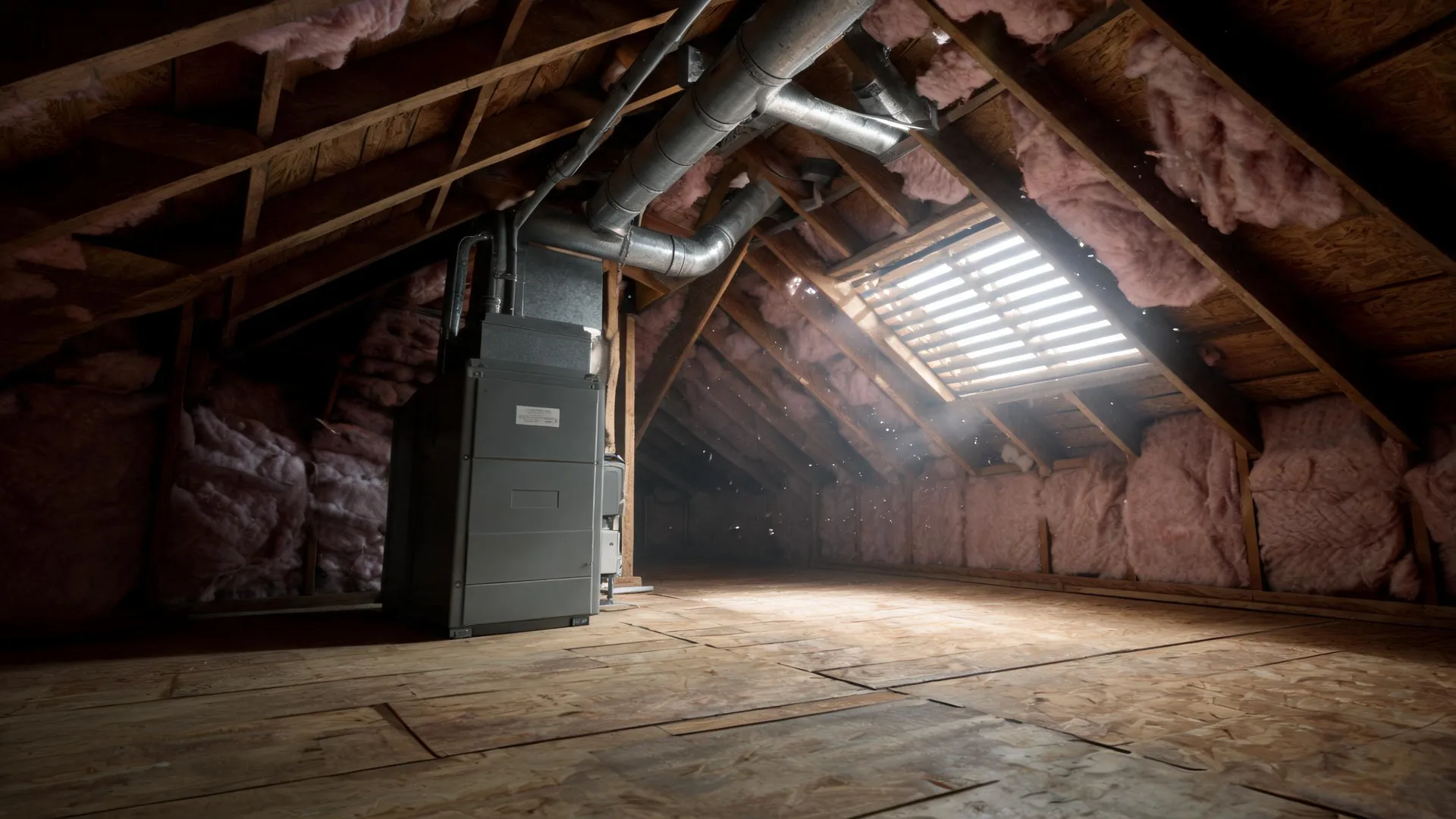
A new condenser and coil only perform as well as the ducts moving air through the house. Ask whether the existing supply and return lines were checked for leaks or restrictions, and whether anything needs sealing or resizing before the new system goes in. Skipping that step can leave a well-matched system struggling against duct problems that have nothing to do with the equipment.

An outdoor air conditioning condenser unit on a concrete pad next to the gray vinyl siding of a residential home.

Going above the federal minimum saves little here, about $10 a year.

  • A higher-efficiency unit$90 a year
  • A new unit at the federal minimum, 13.4 SEER2$100 a year

Estimates for a typical Oconto County home, from EIA household energy data, Wisconsin fuel prices and NOAA climate normals. Your home will differ.

Install day starts with the old equipment coming out, the condenser outside and the coil sitting above or beside the furnace. The refrigerant gets recovered before anything is disconnected, that's a legal requirement, not an option. Once the coil is out, the contractor checks the plenum and the line set, sometimes the existing lines get reused, sometimes they're swapped if they're the wrong diameter for the new system. Setting the new condenser means a level pad outside and enough clearance around it for airflow. Inside, the coil goes in above the furnace, the line set gets connected, and the whole system is pressure tested before any refrigerant goes back in. Last comes the charge, the startup, and a check of airflow at the vents to confirm the system is moving the right amount of air through the ducts already in place.