A tall trimmed hedge runs along a mown lawn in front of a row of dark-sided townhouses with brown shingled roofs, framed by leafy tree branches under an overcast sky.

AC Installation in Shawano, WI

Tell us about the job

Takes about a minute. No obligation.

New system or replacementCentral ACShawano County, WI
Step 1 of 2

What ZIP code is the job in?

Gas furnaces are the common setup here

Utility gas heats 46% of homes in Shawano County, more than any other fuel, with LP gas heating another 30%. Most homes here run a gas or LP furnace paired with a central AC system, sharing the same ductwork and blower.


Your ductwork is already set up for this

A furnace blower moves warm air through the house in winter, and the same ducts and blower can carry cooled air in summer. Installing central AC usually means matching a new outdoor unit and coil to the duct system already in place.

2 months
July through August, your air conditioner is on duty
78°F
the average summer afternoon it cools against
15 hail events
in ten years, and hail bends the fins on outdoor coils
13.4 SEER2
the federal minimum any new unit must meet
Isometric line illustration of a cutaway single-story building showing interior rooms, ceiling ductwork, an indoor air handler, and an outdoor condenser unit connected by a line set.
Your air conditioner works hardest from July through August.

NOAA nClimDiv, 1991–2020 normals

Cooling runs two months here, July through August.

Put a new system in during June and it's ready before the first hot week, not during it.

A standard system is the right call here

Half the homes here were built by 1975
Cooling runs July through August
Summer afternoons average 78°F
Your AC catches a break hereAfternoon highs average 78°F in July and August, the only months cooling runs.

Shawano County sits in climate zone 6A, cold with winter lasting most of the year. Most of the cooling systems installed here are split-system central air, and any one of those under 45,000 Btu/h has to meet a federal minimum of 13.4 SEER2. That floor applies no matter who installs the system or what size the home is. A contractor sizing a new unit works from that minimum up, matching the outdoor unit and coil to whatever the ductwork already handles. Some systems clear a higher efficiency mark and qualify for a federal tax credit, worth checking against the specific equipment going in.

A standard system is the right fit in Shawano County

The cooling load here is modest and the ductwork is already in place. A standard size at the baseline efficiency rating handles this job without paying for more than it needs. With electricity at 17.18 cents per kilowatthour, that efficiency floor is what keeps the running cost in check.

Find a contractor
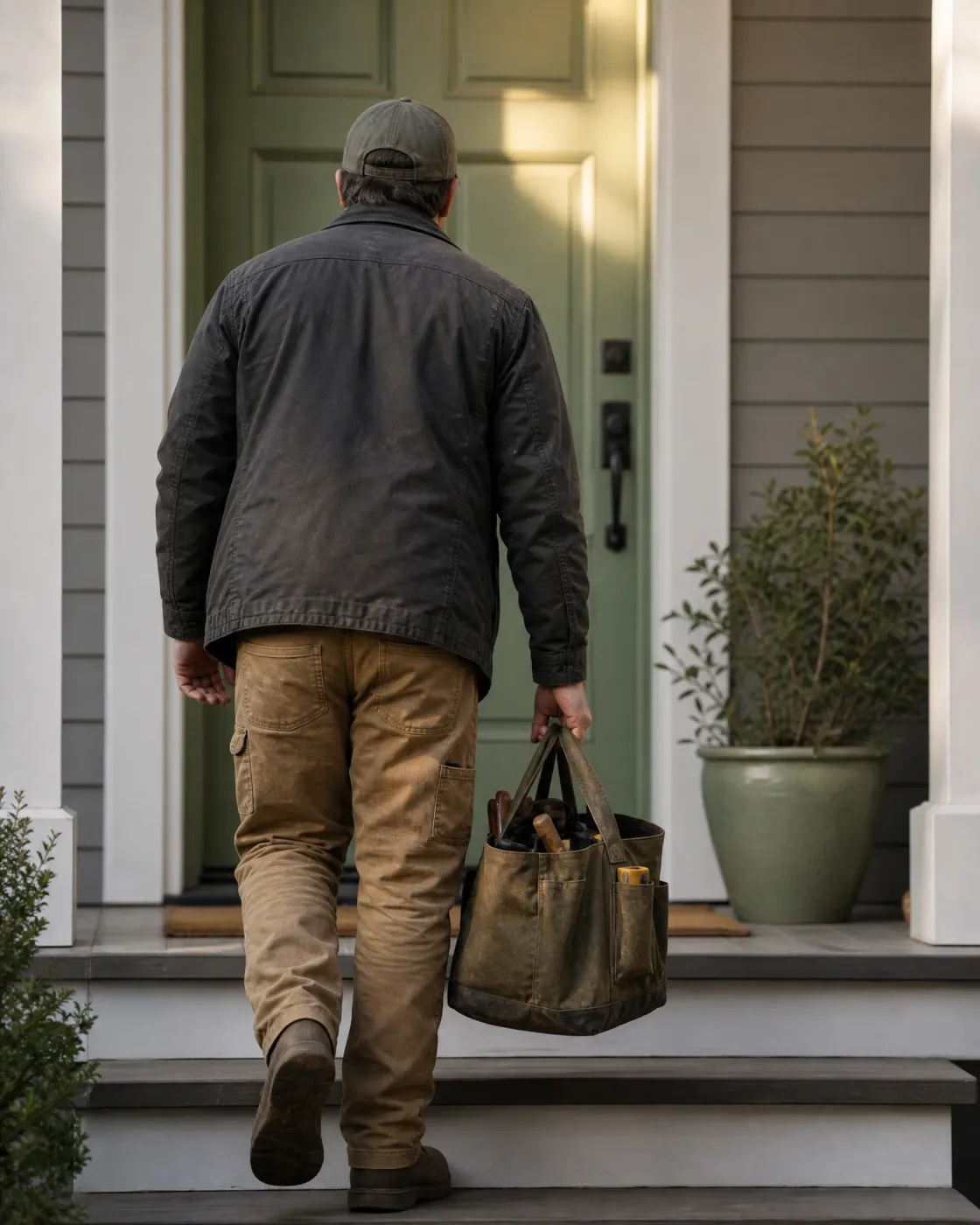
A man in a cap, dark jacket and tan work pants, seen from behind, carries a canvas tool bag up porch steps toward a green front door beside a potted shrub.
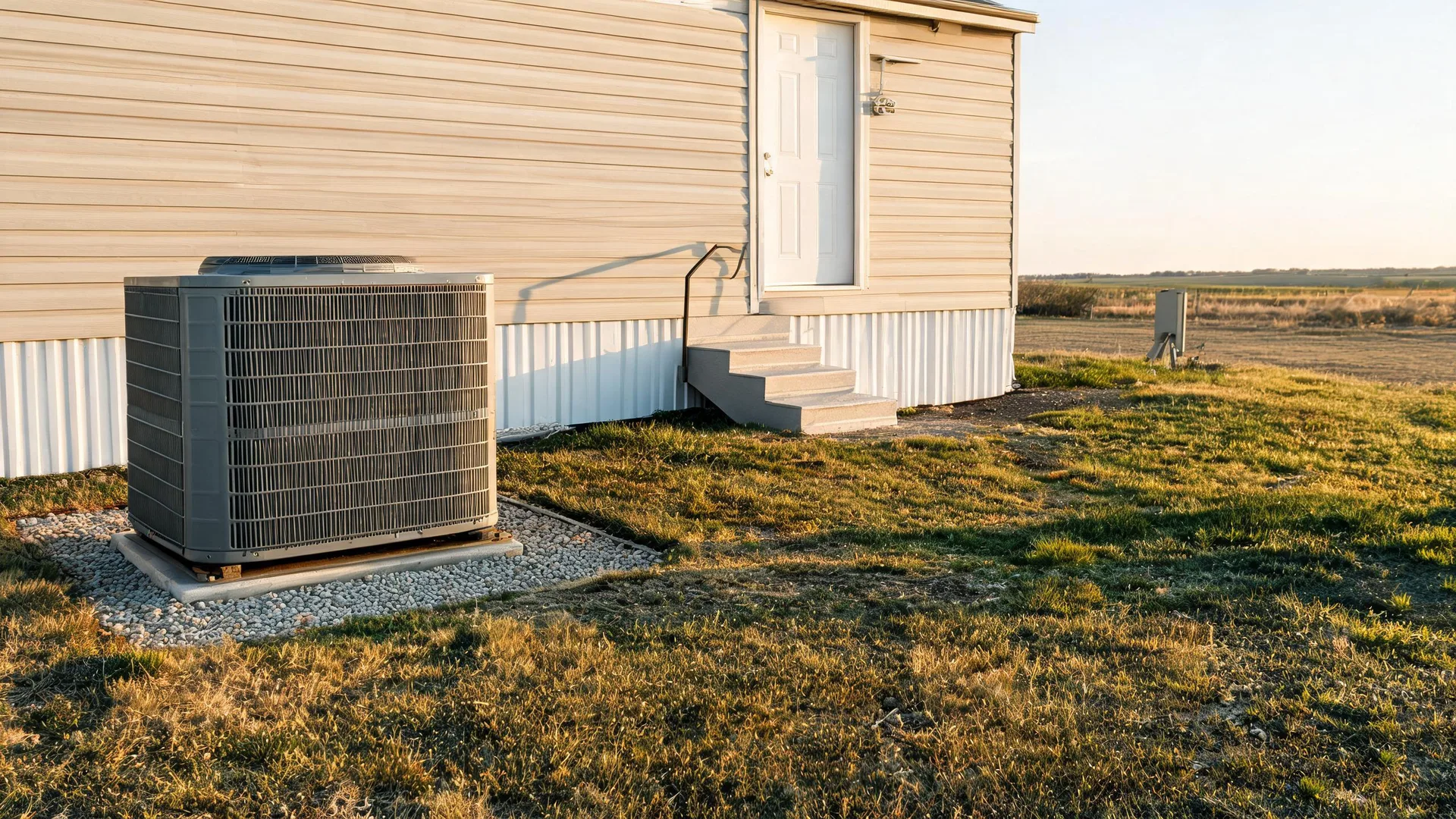
An outdoor air conditioning condenser unit mounted on a concrete pad beside a house, with electrical conduit running to a wall-mounted disconnect box.

The old equipment doesn't get a second life

A contractor recovers whatever refrigerant is still in the old system before anything gets disconnected. It can't be released into the air. After that it comes out. The outdoor unit, the old coil sitting in the plenum, and any line set that isn't getting reused all go. Copper line sets usually get hauled off for scrap rather than reused, since they were cut and sized for the old run. A coil that's been in place a long time often has some corrosion on it, or a slow leak, which is usually why it's being replaced in the first place. None of the old equipment carries over once the new system goes in. The new coil and outdoor unit are matched to each other and sized for the house, not for whatever used to be out there.

Bigger isn't better here

An oversized air conditioner cools the air fast and shuts off before it pulls the moisture out, so the house feels clammy even at the right temperature. An undersized one runs constantly and still can't catch up on the hottest afternoons. The right size is the one that runs long enough to dry the air and still shuts off between cycles.

The math starts with the house, not the old unit

Sizing a new system means working out how much heat the house actually gains through its walls, windows, roof and the air leaking in, not just matching the tonnage of whatever is being replaced. A contractor measures the square footage, checks the insulation and window area, and factors in which way the house faces. The ductwork already in place sets a limit too, since a system sized past what the ducts can move just creates pressure problems at the vents.

Overhead view of an air conditioning condenser unit on a concrete pad next to a house with asphalt shingle roofing and vinyl siding.

Going above the federal minimum saves little here, about $20 a year.

  • A higher-efficiency unit$100 a year
  • A new unit at the federal minimum, 13.4 SEER2$120 a year

Estimates for a typical Shawano County home, from EIA household energy data, Wisconsin fuel prices and NOAA climate normals. Your home will differ.

Install day starts with the old equipment coming out, outdoor unit, coil, and any refrigerant line that isn't being reused. A contractor recovers the refrigerant from the old system before cutting anything open, since it can't be vented. The new coil sits in the plenum above or beside the furnace, and the line set connecting it to the outdoor unit gets run, brazed, and pressure tested before anything is charged. That pressure test matters more than people think. It catches a bad joint while the walls are still open, not after the drywall's closed up around it. Once the lines hold pressure, the system gets evacuated to pull out moisture and air, then charged to the weight the manufacturer specs for that line length. Last step is running it, checking the temperature split at the vents and the pressures on the gauges, to confirm it's cooling the way it's supposed to before anyone calls it done.