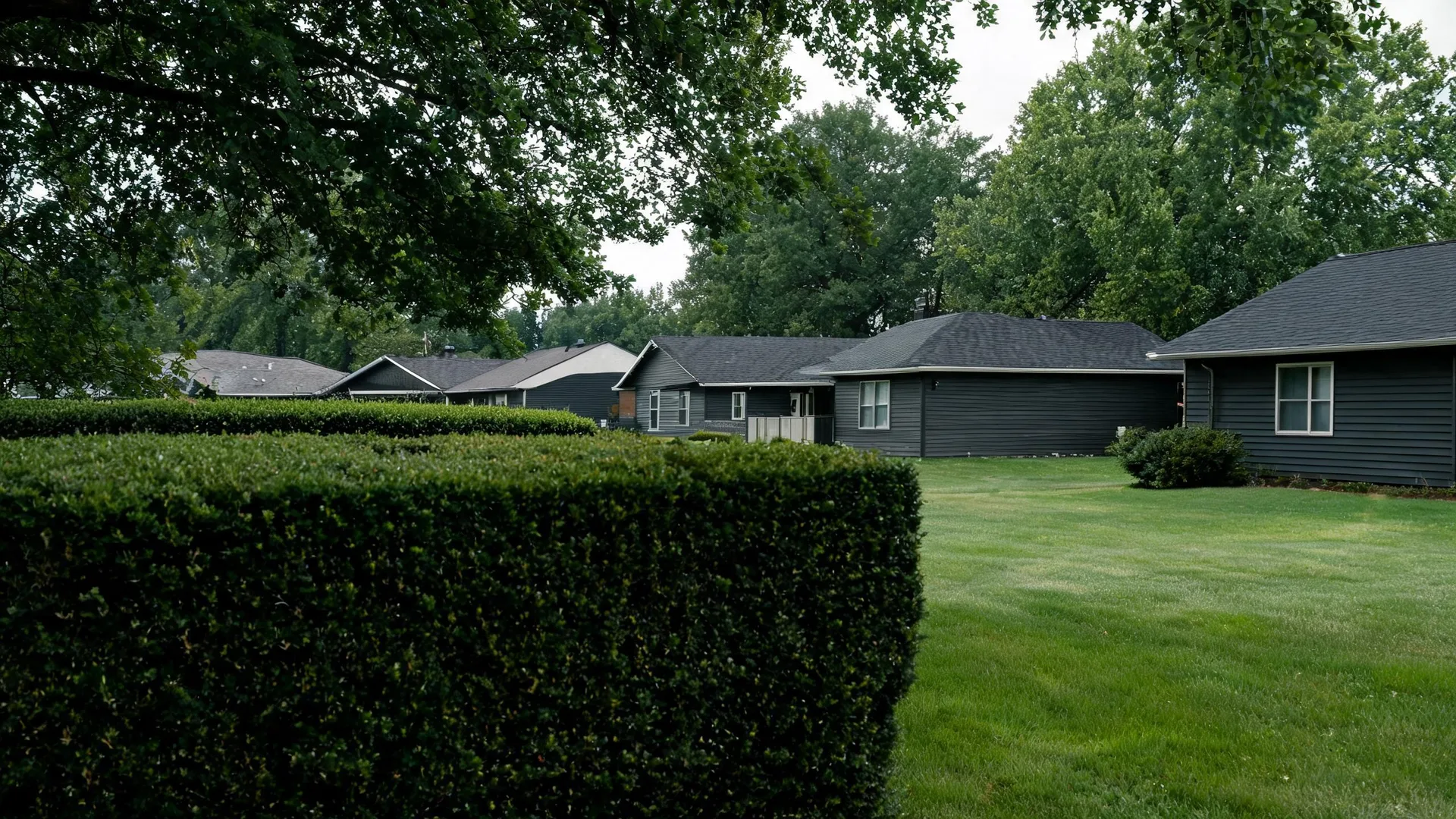






A trimmed hedge borders a mown lawn in front of single-story houses with dark siding and shingled roofs, surrounded by large leafy trees under an overcast sky.

AC Installation in River Falls, WI

Tell us about the job

Takes about a minute. No obligation.

New system or replacementCentral ACPierce County, WI
Step 1 of 2

What ZIP code is the job in?

Gas furnace and central air is the standard setup around Pierce County, and it's the pairing a contractor will most likely recommend here. Utility gas heats 43.7% of homes in the county, more than any other fuel, and that furnace already has the ductwork an AC installation needs. That matters because adding central air to a home with existing ducts is a far simpler job than starting from nothing. Another 30.7% of homes run on bottled, tank or LP gas, usually a tank on the property rather than a line in the street, but the ductwork question is the same either way. If your home has a gas or propane furnace, central air is almost always a matter of matching a new outdoor unit to the system already moving air through the house.

3 months
June through August, your air conditioner is on duty
79°F
the average summer afternoon it cools against
24 hail events
in ten years, and hail bends the fins on outdoor coils
13.4 SEER2
the federal minimum any new unit must meet
Isometric grayscale illustration of a cutaway house showing interior rooms, ceiling ductwork connected to an indoor air handler, and an outdoor condenser unit linked by lines along the exterior wall.
Your air conditioner works hardest from June through August.

NOAA nClimDiv, 1991–2020 normals

Cooling in Pierce County runs June through August.

May is the month to put in a new system, before the first hot stretch puts it to work.

Three months of real work a year, so the system doesn't need to be a hero

Cooling runs June through August
Summer afternoons average 79°F
31 damaging wind events from 2015 to 2024
A normal system, sized right, is all this job needsWisconsin electricity ran 17.18 cents per kilowatt-hour in 2024, no reason to pay for more capacity than the job calls for.

A contractor sizes a system with a load calculation, not a tape measure on the square footage. That math looks at how much heat actually gets into the house. It accounts for the windows and which way they face, the insulation in the attic, how many people live there, even what the walls are made of. Skip that step and guess from square footage alone, and the unit is almost always oversized. A unit too big for the house cools the air fast and shuts off before it pulls the humidity out. The house ends up feeling cold and clammy at the same time. It also cycles on and off more than it should, and that short cycling wears on the compressor faster than steady runtime would. The right size runs longer, steadier stretches, and that is what actually gets a house comfortable instead of just cold.

Three months of work a year, so a mid-tier system is enough

June through August is the only real work this system does all year. A mid-tier unit from a licensed contractor handles that without trouble, and a proper install matters more than reaching for the top of the lineup.

Find a contractor
A gray residential air conditioning condenser unit mounted on a concrete pad outdoors, surrounded by green grass under a partly cloudy blue sky.

The number on the label is about the electric bill, not the size of the unit

That rating on the new unit's label is a measure of efficiency, not power. It tells you how much cooling you get out of the electricity you put in. It says nothing about how big a house the unit can handle. A higher number means the compressor is doing more with less, not that the unit is stronger. The rating is tested under set conditions in a lab, not the conditions in your house, so it won't tell you how the system actually performs on the hottest day of the year. What it does tell you is real. A unit with a better rating costs less to run over the life of the system. But that only pays off if the size is right to begin with. An oversized unit with a high rating still short cycles, still leaves the house feeling clammy, still wears the compressor down faster than it should. The rating is worth paying attention to. It just is not the whole decision.

The outdoor unit is only part of the job

A new condenser has to work with a coil that matches it and a line set sized for it. If the coil inside stays old while the outdoor unit is new, the system won't perform the way the label promises, and some installers won't warranty a mismatched pair at all. Matching the parts properly is part of what the installation is paying for.

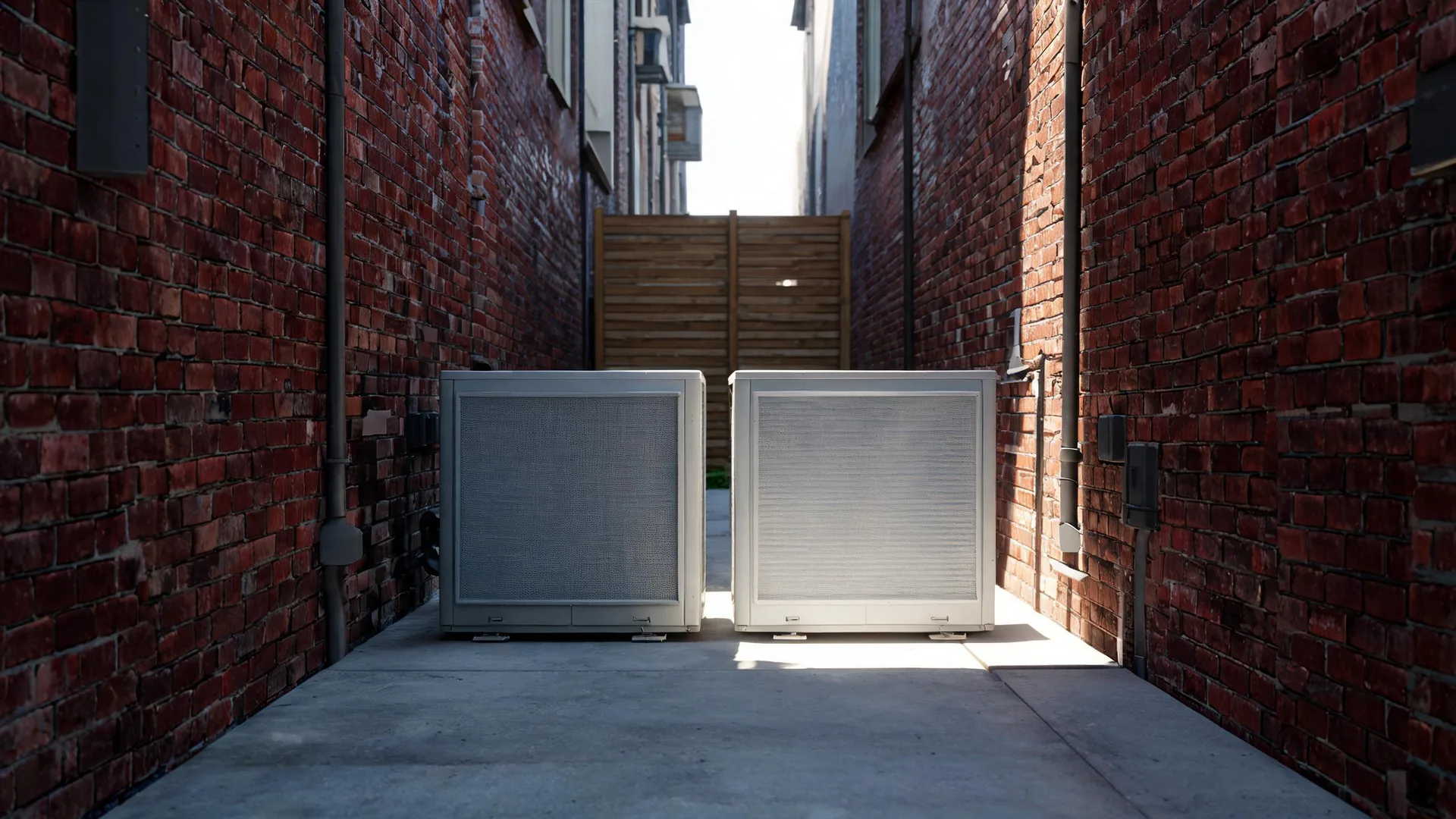
What the ducts can carry limits what the unit can do

Central air depends on the existing ductwork to move the cooled air through the house. If the ducts are too small, leaky, or poorly laid out, a new high-output unit will still fight the same bottleneck the old one did. Sealing and adjusting duct runs during installation costs more up front, but a system pushing air through bad ductwork never delivers what it's rated for.

Overhead view of an outdoor AC condenser unit on a concrete pad next to a house with a dark shingle roof.

Going above the federal minimum saves little here, about $20 a year.

  • A higher-efficiency unit$140 a year
  • A new unit at the federal minimum, 13.4 SEER2$160 a year

Estimates for a typical Pierce County home, from EIA household energy data, Wisconsin fuel prices and NOAA climate normals. Your home will differ.

Installation day starts with the old equipment coming out. The line set gets disconnected and the refrigerant gets recovered, not vented into the air. The old condenser comes off the pad, and a tech checks that pad before anything new sits on it. A cracked or sunken pad causes problems years down the road. Setting the new coil usually means working inside the furnace cabinet or the plenum above it, so there's indoor work along with the outdoor unit. Once the new condenser is set and the line set is connected, the system gets evacuated to pull out moisture and air. Then it gets charged with refrigerant to the exact weight the manufacturer specifies. A tech checks airflow at the vents and the temperature split between the air going in and the air coming out. A rushed charge, one that's close but not exact, is one of the most common reasons a new system underperforms from day one.