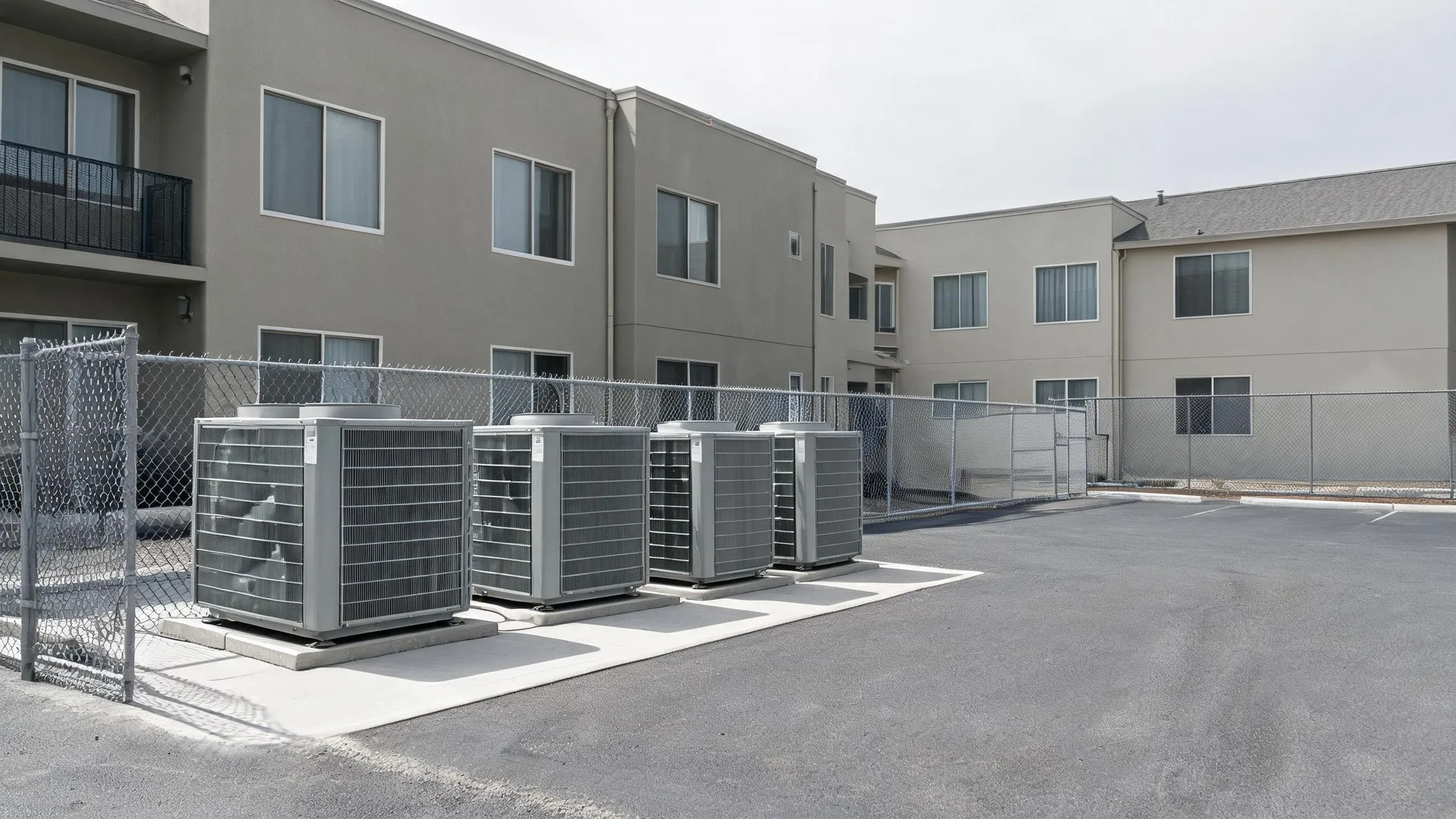
Most homes here run on gas
Utility gas heats 62.9% of homes in St. Croix County, more than any other fuel. Electricity comes next at 16.9%, with LP gas at 15.4%.
Takes about a minute. No obligation.
Utility gas heats 62.9% of homes in St. Croix County, more than any other fuel. Electricity comes next at 16.9%, with LP gas at 15.4%.
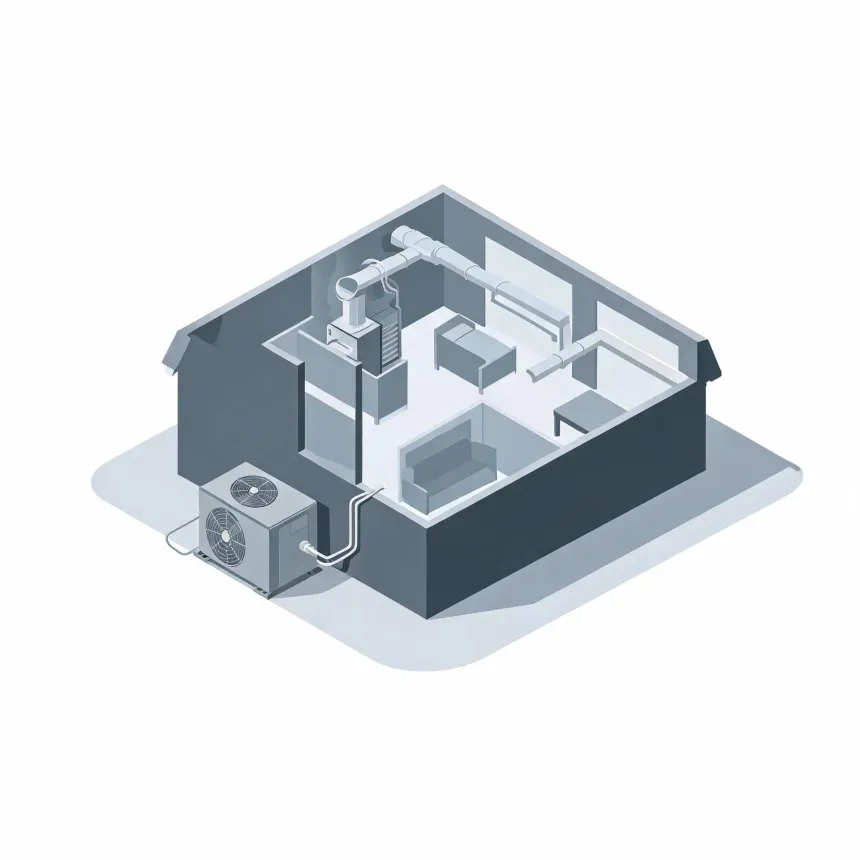
If your home heats with a gas furnace, central air installation usually means adding a cooling coil and outdoor unit to work with it, not replacing the furnace itself.
NOAA nClimDiv, 1991–2020 normals
Summer here runs June through August, with afternoon highs averaging 79.
Three mild months is not a heavy load, so a well-matched standard system will do the job without the top-tier model.



St. Croix County gets its share of rough weather. Sixty hail events between 2015 and 2024, plus wind and a couple of tornadoes passing through. None of that changes what you need from an AC. Hail and wind threaten the outdoor unit the same way they'd threaten any metal box sitting outside, and a standard installation already accounts for that. What's worth asking about is the power. Outages happen here, and most AC systems come back on by themselves once power returns, you don't have to flip anything. Worth confirming with your contractor how your system handles that, but it's a question about setup, not a reason to size up or pay more.
Cooling in St. Croix County runs June through August. May is the month before that load hits, and it's the easier time to put in a new system, with no rush and no wait for a working AC while a contractor can get to it.
Find a contractor
This unit works three months a year, June through August. The rest of the year it sits. That light a load does not wear down a well-built standard system before its time. When something does go wrong, it is usually age or a part worn from sitting idle, not strain, and that kind of problem is worth fixing rather than a sign the system is done.
A contractor sizes your system to your home's square footage, ceiling height, window placement and insulation, not to the unit you had before. Go bigger than that calculation calls for and you pay more up front for a system that short cycles instead of running a full, steady cooling cycle. The load calculation is what the price is built on.
If your ductwork is sized right and your electrical panel has room for a new circuit, installation is mostly swapping the outdoor unit and matching coil. If the ducts are undersized, leaky, or the panel needs an upgrade to handle the new unit, that work gets added in before the AC itself goes in. A contractor can tell you which situation you're in during the walkthrough.
Estimates for a typical St. Croix County home, from EIA household energy data, Wisconsin fuel prices and NOAA climate normals. Your home will differ.
Installation day starts with setting the outdoor unit on a level pad and running refrigerant lines to the indoor coil. Those lines get joined and pressure tested before any refrigerant goes in, because a bad joint will show up later as weak cooling, not a sudden failure. The outdoor unit gets its own electrical circuit and a disconnect box mounted next to it. Once everything is connected, a contractor charges the system to the exact weight the manufacturer calls for and checks it against the temperature split between the air entering the coil and the air leaving it. Airflow at the vents gets checked too, since a correctly charged system can still fall short if the ductwork is restricting it somewhere.