Gas is the default here
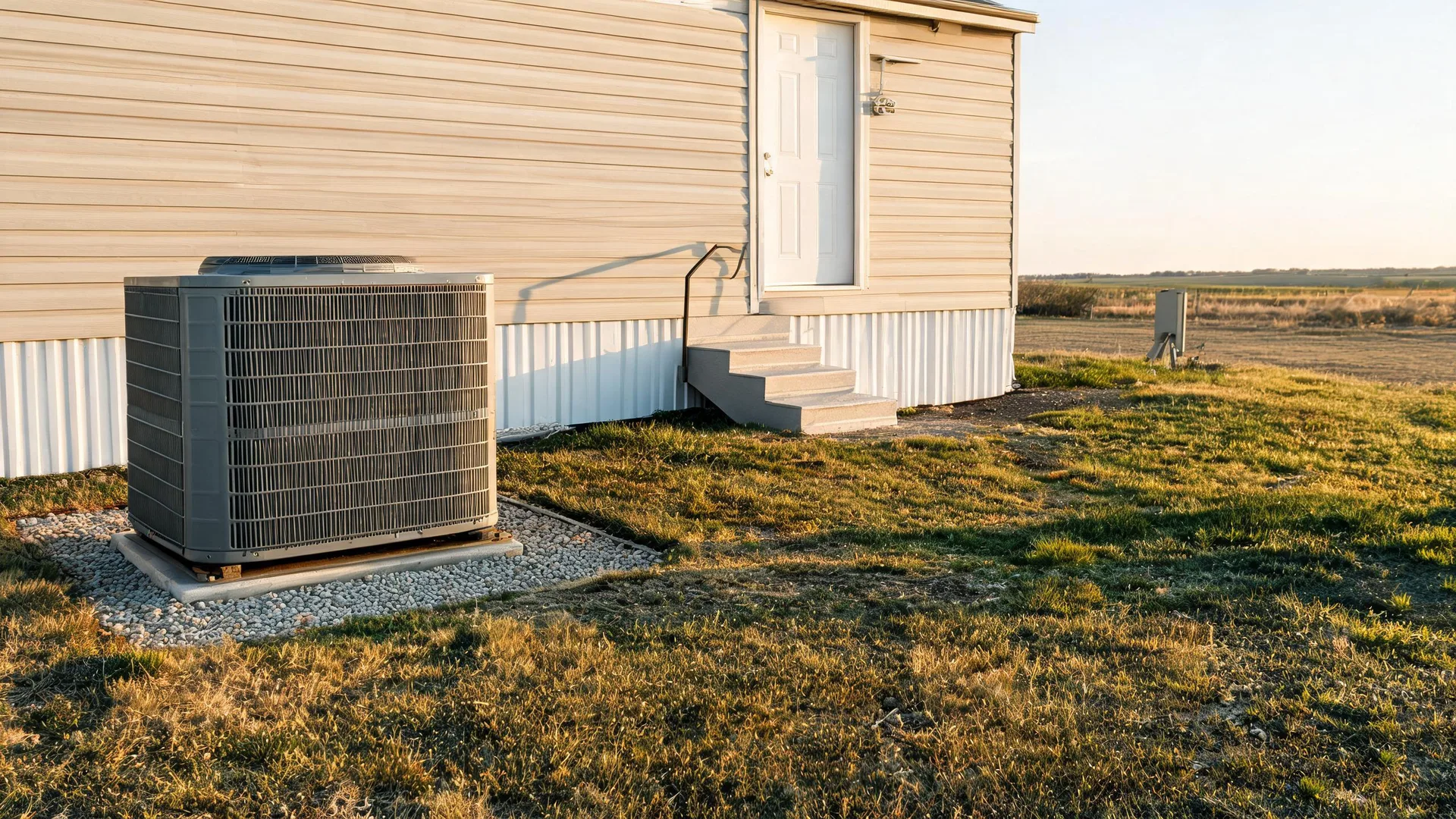
Close to half of Marinette County homes heat with utility gas. Another 28.3% run on bottled or LP gas. Between the two, most furnaces in this area are gas furnaces, paired with a separate AC unit outside.
Takes about a minute. No obligation.
Close to half of Marinette County homes heat with utility gas. Another 28.3% run on bottled or LP gas. Between the two, most furnaces in this area are gas furnaces, paired with a separate AC unit outside.
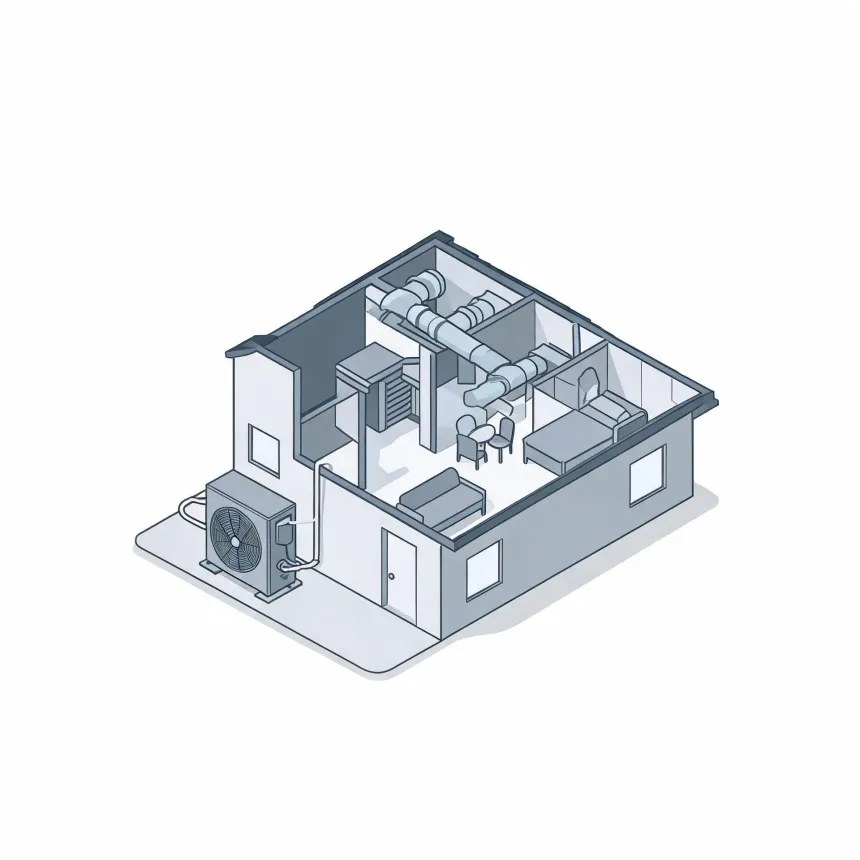
Central air is a matched set, an outdoor condenser and an indoor coil sized to work together. That holds true no matter what fuel heats your home. If your furnace already has a coil box, that part of the job may already be done.
NOAA nClimDiv, 1991–2020 normals
Half the homes in Marinette County were built in 1975 or earlier, half later.
No local reason to size up or chase a special unit, a standard system sized to your house gets the job done.



Marinette County sits in zone 6A, a cold climate zone under the 2021 energy code. Any split-system air conditioner installed here under 45,000 Btu/h has to meet a federal minimum of 13.4 SEER2, and that covers most houses in the county. The rule applies the same whether you're replacing a failed unit or putting in central air for the first time. Manufacturers build plenty of models above that number, so meeting it isn't a search for some rare unit. Some systems also qualify for a federal tax credit, worth asking about before you sign anything.
Cooling here only runs from July through August, two months a year. Get the install done in June and it's ready to go when the heat shows up, instead of a decision you're making while the house is already warm.
Find a contractorTwo months a year, July and August, with afternoon highs averaging 78°F. That is a light workload for a condenser. Most of the wear on a system comes from hours run, and this one won't rack up many. A mid-tier unit from a brand with parts available locally will do the job for years. The wind and hail this county sees are harder on an outdoor unit than the heat is, which is a reason to get it installed and anchored well, not a reason to spend more on cooling capacity you won't use.
SEER2 measures how much cooling a system delivers per unit of energy over a full season of on and off cycles, not on the hottest afternoon. A higher number means the compressor is doing more with less power across all those cycles. It says nothing about how fast the house cools or how big a unit you need, only how much it costs to run once it's sized right.
A condenser only hits its rated efficiency when it's matched to the right indoor coil with the right airflow across it. Pair a high-rated condenser with an undersized coil or a duct system that can't move enough air, and the system will run at less than what's on the label. The rating describes what the equipment can do, not what it will do once it's in the ground.
Estimates for a typical Marinette County home, from EIA household energy data, Wisconsin fuel prices and NOAA climate normals. Your home will differ.
Installation day starts with the old unit coming out, if there is one, and the new pad or mounting brackets going in for the condenser outside. Copper line set runs between the outdoor unit and the indoor coil, and both ends get brazed, not just clamped, since a soldered joint is what keeps refrigerant from slowly leaking out over the years. The system gets evacuated with a vacuum pump before any refrigerant goes in, which pulls out moisture and air that would otherwise ruin the compressor. Once it's charged, a tech checks the charge against the line pressures and the airflow coming off the indoor coil, not just by running it for a few minutes and calling it done. The electrical hookup, a dedicated circuit with a disconnect box outside, gets tested along with the condensate drain, since a clogged drain down the road is one of the more common callbacks. By the end of the day the system should cycle on, hold steady pressures, and blow cold air at the vents, not just at the unit itself.