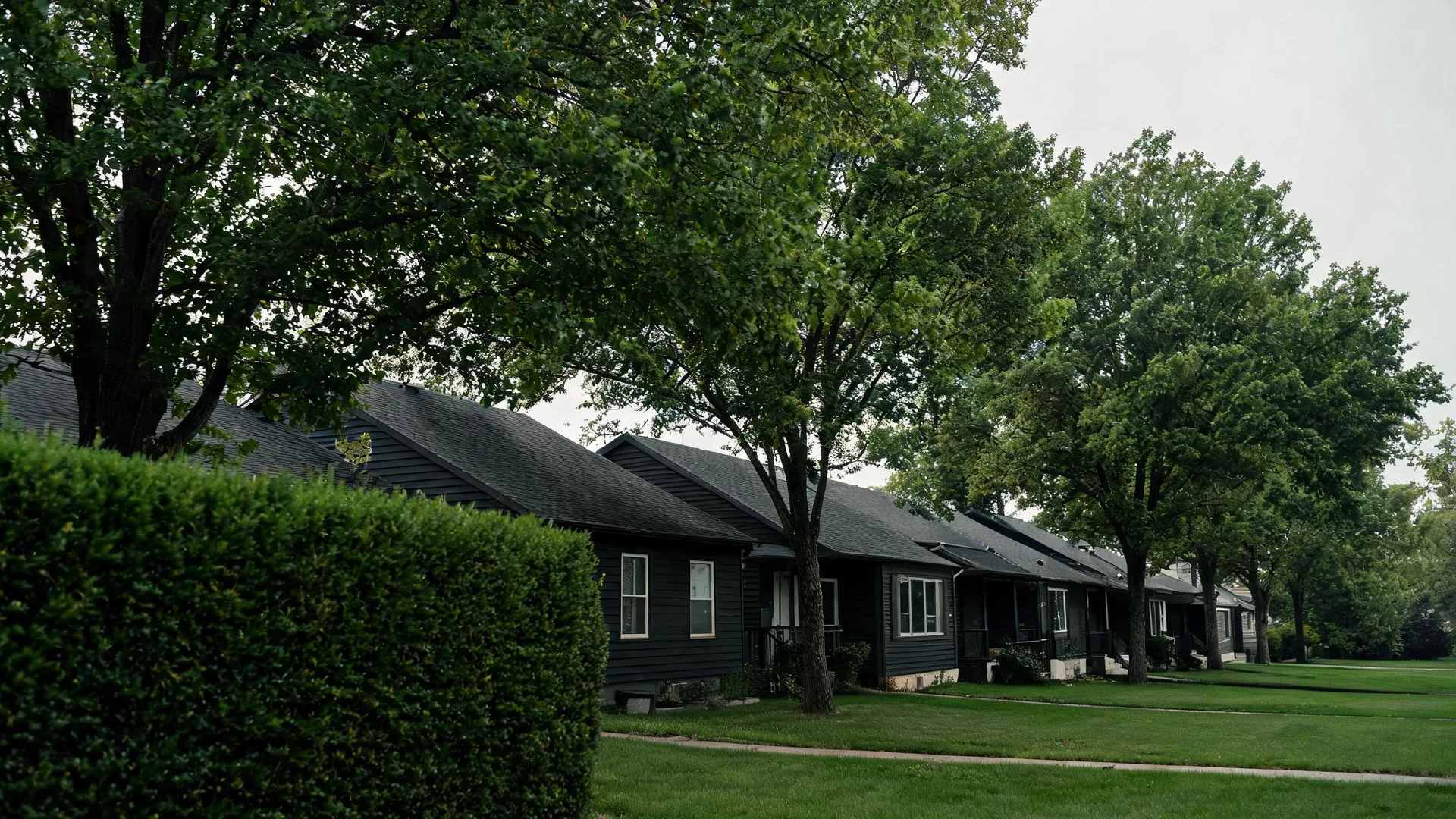
A row of dark-sided single-story houses with gray shingled roofs behind large leafy trees, a trimmed hedge at left and mown lawn with a narrow walkway in front.

AC Maintenance in Amery, WI

Tell us about the job

Takes about a minute. No obligation.

Tune-up, service, or cleaningCentral ACPolk County, WI
Step 1 of 2

What ZIP code is the job in?

A gauge set comes out, not just a rag

A quick visit gets you a rinsed condenser coil and a new filter, which is better than nothing. A thorough one checks refrigerant pressure against the manufacturer's spec, tests the capacitor under load, and checks the contactor for pitting. Anyone can hose off a coil. Catching a capacitor that is about to fail takes a meter.


What this means for your unit

A technician who only looks at what is easy to see will miss the things that actually cause a breakdown. A weak capacitor or a contactor with burnt contacts can still run the system right up until the day it doesn't. If the visit does not include checking electrical components and refrigerant charge, it is not telling you whether the system will make it through summer without trouble.

3 months
June through August, your air conditioner is on duty
79°F
the average summer afternoon it cools against
25 hail events
in ten years, and hail bends the fins on outdoor coils
42 wind events
in ten years, and wind drives debris into outdoor units
Isometric cutaway illustration of a house showing interior ductwork, an air handler and furnace unit, and an outdoor condenser connected by lines outside the wall.
Your air conditioner works hardest from June through August.

NOAA nClimDiv, 1991–2020 normals

A dirty condenser coil makes the compressor work harder to move the same heat outside.

A compressor that runs hot all summer is the expensive part to replace, and the one most tune-ups are trying to protect.

Three months of 79 degrees is a light workload

Cooling runs June through August
Summer afternoons average 79°F
42 damaging wind events from 2015 to 2024
Book it before JuneJune starts the cooling season here, so get the check done in May.

The refrigerant level is one of those things you cannot eyeball. A system can be low on charge and still blow cold air at the vent, just not as cold as it should, and not for as long before the compressor has to kick on again. That shows up as a longer run time and a warmer house on the hottest days, not as an obvious failure. A gauge check catches it before the compressor has spent a summer working against a charge it was never designed to run on. The same goes for the start capacitor. It either holds its charge under load or it doesn't, and a visual check cannot tell you which. A capacitor that is on its way out will still start the unit on a cool morning and still struggle on a hot afternoon, right up until the morning it doesn't start at all.

A newer system is worth keeping in good shape

Half the homes in Polk County were built in 1981 or later. If yours is one of them, the system in it has probably got years left, and a yearly check is what keeps it running through all of them. The visit catches a weak capacitor or a low charge while it's still cheap to fix, instead of finding out on the hottest day of the year.

Find a contractor
A man in a dark long-sleeved shirt and olive pants carries a canvas tool bag as he walks up wooden porch steps toward a green front door, with a potted shrub to the left.
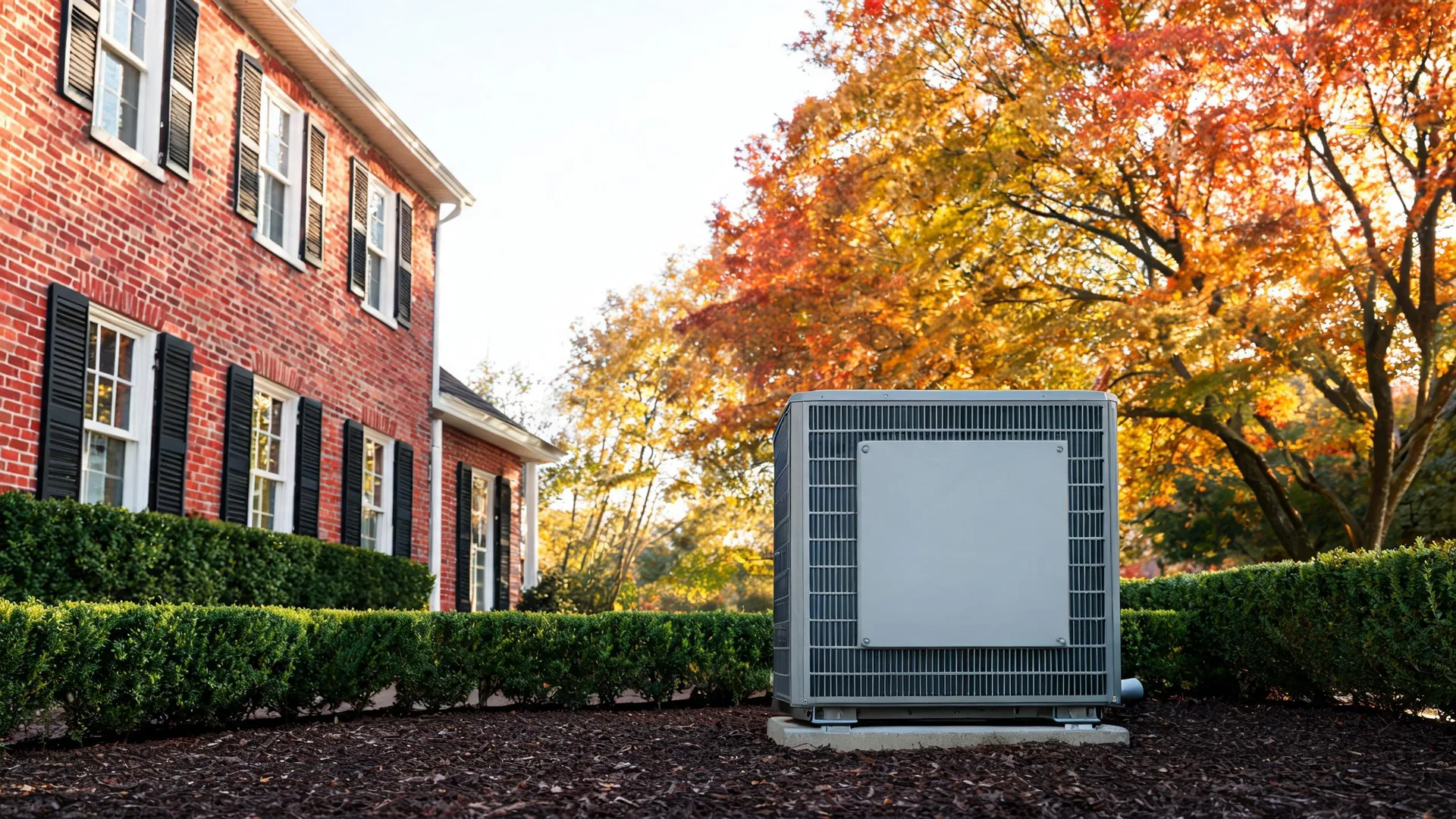
An outdoor air conditioning condenser unit mounted on a concrete pad beside a house, with electrical conduit running to a wall-mounted disconnect box.

Light use now still adds up over the years

A system that only runs part of the year racks up fewer hours than one working through a long, hot summer somewhere else. Fewer hours means fewer cold starts and less total time with the compressor under load. That slower pace is part of why a system here can still be worth fixing well past the point where the same age would be a harder call in a hotter state. Getting it checked every year is what lets it actually reach those years instead of losing a part early to something nobody caught.

The house takes longer to cool than it used to

A system that used to bring the house down fast and now takes half the afternoon is telling you something. It might be a dirty coil, it might be a charge that's drifted low, it might be a blower wheel caked with dust that can't move the air it used to. None of those show up by looking at the thermostat. They show up when someone actually checks.

Short cycles or a unit that won't stop running

A healthy system runs a while, satisfies the thermostat, and shuts off. One that cycles on and off every few minutes, or one that runs nonstop on a day that isn't even that hot, is working against something. A clogged filter, a weak capacitor, a coil that can't shed heat fast enough. Any of those will wear the compressor down faster than normal running ever would.

An outdoor air conditioning condenser unit positioned on a concrete pad next to a blue-sided house, surrounded by green shrubs and flowering hydrangeas at sunset.

Book your AC tune-up in May, before homes here start needing cooling in June.

  1. Jan
  2. Feb
  3. Mar
  4. Apr
  5. May
  6. Jun
  7. Jul
  8. Aug
  9. Sep
  10. Oct
  11. Nov
  12. Dec

A tune-up checks the refrigerant charge, cleans the coils, tests the capacitor and tightens the electrical connections.

A real tune-up starts outside, at the condenser. The technician cuts power at the disconnect before touching anything, then pulls the panel and checks the capacitor and contactor by hand, not just by sight. The coil gets rinsed from the inside out so the fins actually drain instead of just looking cleaner. Refrigerant pressure gets checked against the system's spec with gauges, not guessed at by feeling the lines. Inside, the blower wheel gets inspected for caked-on dust, the filter gets swapped, and the condensate drain gets checked so it isn't about to back up. Every electrical connection gets tightened, because a loose connection generates heat long before it causes a failure anyone notices.