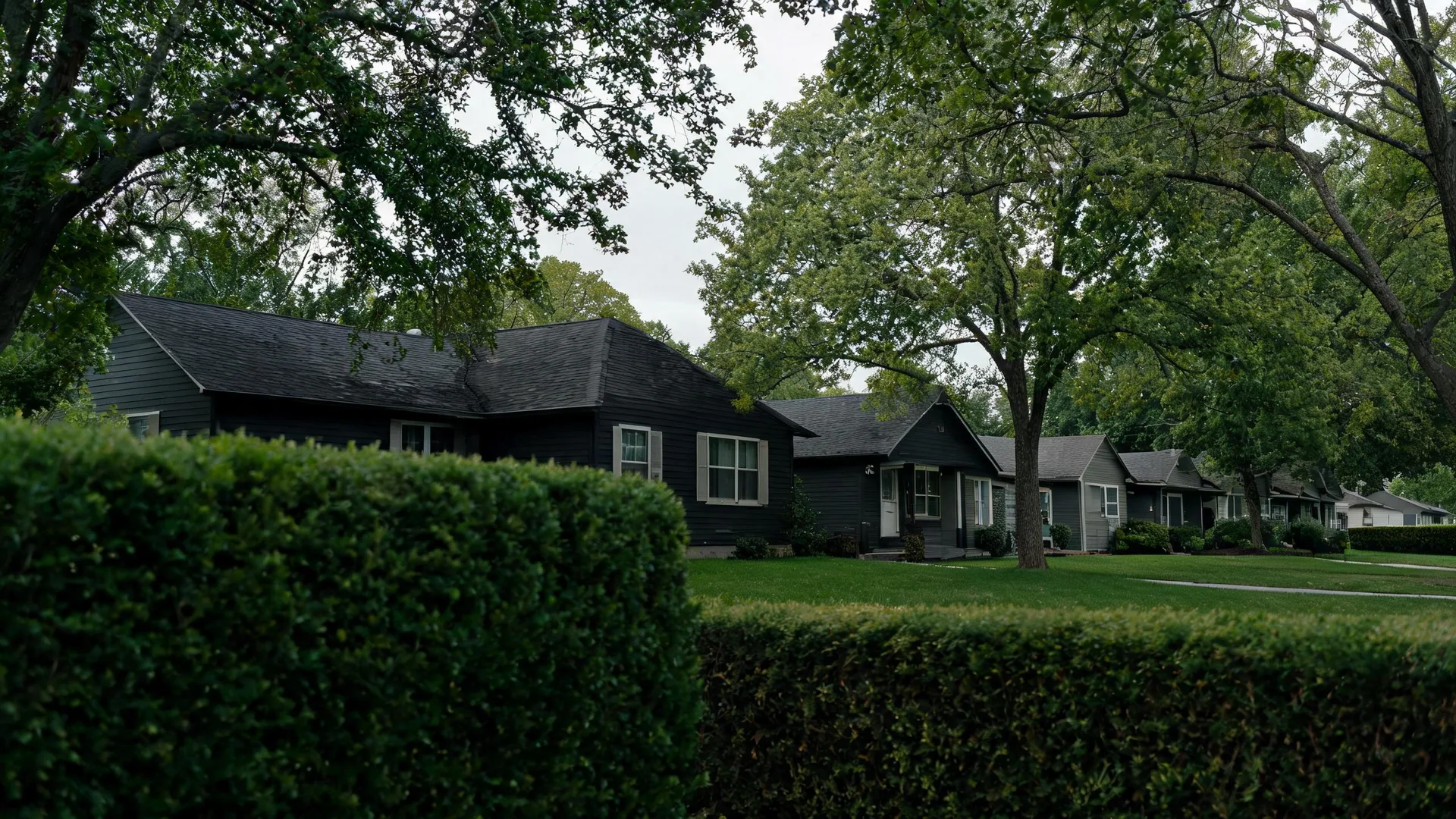






A row of dark-painted single-story houses with lawns and large deciduous trees, seen behind a tall trimmed hedge.

AC Maintenance in Wausau, WI

Tell us about the job

Takes about a minute. No obligation.

Tune-up, service, or cleaningCentral ACMarathon County, WI
Step 1 of 2

What ZIP code is the job in?

Marathon County saw 174 severe weather events between 2015 and 2024. That includes 82 damaging wind events, 49 hail events, and 10 tornadoes. An outdoor condenser sits outside through all of it, exposed to whatever the storm throws at it. Hail dents the fins on the coil, and wind carries branches and grit into the cabinet. None of that shows up as a breakdown right away. It shows up as a unit working harder than it should, which is exactly what a tune-up catches before summer asks the system to run.

2 months
July through August, your air conditioner is on duty
78°F
the average summer afternoon it cools against
49 hail events
in ten years, and hail bends the fins on outdoor coils
82 wind events
in ten years, and wind drives debris into outdoor units
Isometric cutaway illustration of a single-story house showing interior rooms, ductwork and an air handler in the attic space, and an outdoor condenser unit connected by lines at the exterior wall.
Your air conditioner works hardest from July through August.

NOAA nClimDiv, 1991–2020 normals

A condenser that short cycles or runs long without cooling the house is already struggling.

Catch the weak capacitor or dirty coil behind it before the compressor pays for that strain.

Two months of work a year is light duty, but light duty still needs a yearly check

Cooling runs July through August
Summer afternoons average 78°F
82 damaging wind events from 2015 to 2024
July Starts It ColdCooling runs July through August here. Book the tune-up in June.

A yearly check is what keeps those two months easy on the system. The coil and cabinet sit outside all year, through whatever wind and hail come through, even in the months the unit isn't running. A tune-up is when that gets looked at, the fins checked for storm damage, the cabinet cleared of anything wind blew in, before the compressor has to work through a July afternoon with a dirty coil or a weak capacitor behind it. Short cooling season or not, a part that's been sitting outside since last fall is worth having checked rather than assumed fine. That's a small visit against a compressor repair.

Have the outdoor unit checked before storm season gets to it first

A tune-up is the chance to look the condenser over while it's easy to fix what's wrong. Bent fins, a cracked line, debris packed in the cabinet from the last windstorm. Get that done before the summer storms start, not after one leaves the unit struggling.

Find a contractor
An outdoor air conditioning condenser unit mounted on a concrete pad surrounded by gravel, photographed against a partly cloudy blue sky.

Airflow In, Water Out, Heat Gone

The filter is the first thing to check and the easiest to ignore. A clogged filter starves the system of airflow, and the coil behind it starts to freeze instead of cooling. That ice blocks airflow even further, and the compressor keeps running against a system that can't move air. The coil itself needs to stay clean on both sides. Dust and grit on the indoor coil act like a blanket, holding heat against the metal instead of letting it transfer. Outside, the condenser coil needs clear fins so it can throw that heat back out into the air. Bent or packed fins make the unit run longer to do the same job. Then there's the drain. Warm air passing over a cold coil drops its moisture, and that water has to go somewhere. A clear drain line carries it outside. A clogged one backs up, and the overflow either trips a safety switch that shuts the system down or finds its way into the ceiling or the wall below. None of these parts work in isolation. A dirty filter leads to a frozen coil. A frozen coil stops draining right. One neglected part drags the others down with it.

A refrigerant leak doesn't announce itself

A system low on charge still blows cold air, just not cold enough, and it keeps running long after it should have shut off. Most leaks start small, at a fitting or a coil pinhole, and get worse under the pressure changes of a normal season. By the time the house won't cool down at all, the compressor has been running strained for weeks.

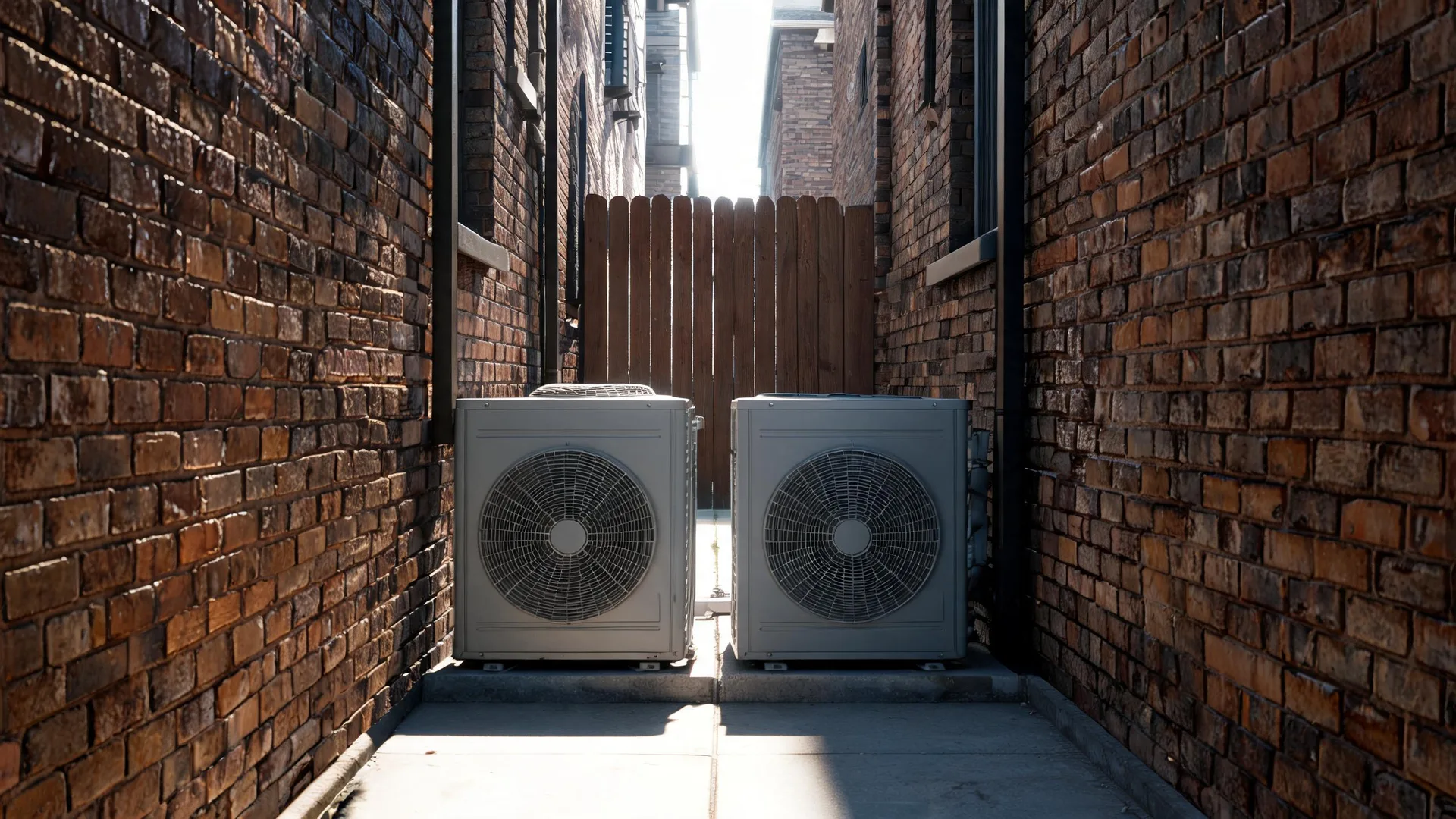
The compressor has no backup

Every part in the system gets replaced on its own except this one. A capacitor, a contactor, a fan motor, all of those get swapped out for a fraction of what a compressor costs. Once the compressor itself fails, from a dirty coil forcing it to work past what it's built for or from running low on charge, the usual fix is a new system, not a new part.

An outdoor air conditioning condenser unit positioned beside a blue-sided house at sunset.

Book your AC tune-up in June, before homes here start needing cooling in July.

  1. Jan
  2. Feb
  3. Mar
  4. Apr
  5. May
  6. Jun
  7. Jul
  8. Aug
  9. Sep
  10. Oct
  11. Nov
  12. Dec

A tune-up checks the refrigerant charge, cleans the coils, tests the capacitor and tightens the electrical connections.

A tune-up starts with gauges on the refrigerant lines, not a guess. The tech checks the charge against what the system calls for, because too little and the coil runs cold enough to ice over, too much and the compressor works against pressure it was never built to handle. Electrical connections get tightened, since a loose one heats up and burns before it ever trips a breaker. The capacitor gets tested under load, not just looked at, because a capacitor can read fine sitting still and still fail the moment the compressor asks it for a hard start. Belts don't factor in on this kind of equipment, but the blower wheel does, and a wheel caked in dust moves less air no matter how strong the motor is. Every safety control gets cycled to make sure the system actually shuts itself off when it's supposed to, not just when it feels like it.