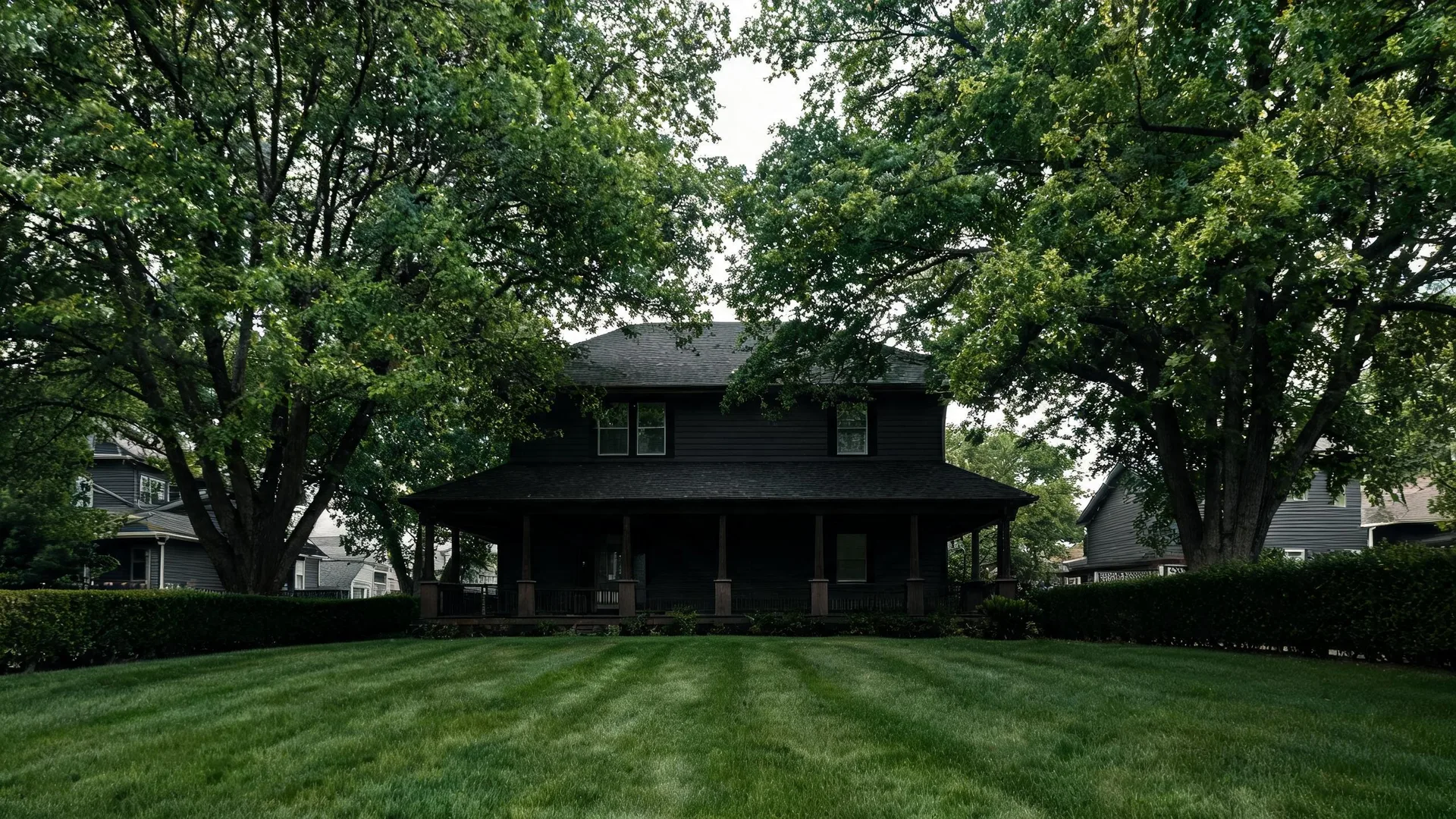







A dark two-story house with a wide covered front porch, framed by large leafy trees, behind a trimmed hedge and a striped mowed lawn.

AC Maintenance in Platteville, WI

Tell us about the job

Takes about a minute. No obligation.

Tune-up, service, or cleaningCentral ACGrant County, WI
Step 1 of 2

What ZIP code is the job in?

Grant County saw 186 severe weather events between 2015 and 2024. That includes 113 damaging wind events, 36 hail events, and 7 tornadoes. An outdoor AC unit sits outside through all of it, exposed to whatever the storm throws at the coil and fan. Hail dents fins, wind drives debris into the cabinet, and none of that announces itself until the unit struggles to keep up on the next hot day. A yearly check gives someone a chance to catch bent fins or a cracked housing before summer puts the system to work.

3 months
June through August, your air conditioner is on duty
80°F
the average summer afternoon it cools against
36 hail events
in ten years, and hail bends the fins on outdoor coils
113 wind events
in ten years, and wind drives debris into outdoor units
Isometric cutaway illustration of a small house showing interior rooms with furniture, ceiling ductwork and an air handler, plus an outdoor condenser unit connected by refrigerant lines beside the building.
Your air conditioner works hardest from June through August.

NOAA nClimDiv, 1991–2020 normals

A dirty outdoor coil makes the compressor work harder to push heat outside.

Rinsing the coil with a hose when it looks dusty is safe. Leave the fins and the refrigerant lines to someone trained on them.

Half these homes were built in 1973 or earlier, and the house doesn't tell you much about the AC

Half the homes here were built by 1973
Climate zone 5A
Power here costs 16.25 cents per kilowatt-hour
June Doesn't WaitCooling in Grant County runs June through August. May is when to get the unit checked.

If the AC came with the house, a yearly check is the only way to know how it's holding up. A technician can tell you the age of the compressor and whether the charge is still correct, things no homeowner can see by looking at the unit. Catching a weak capacitor or a slow refrigerant leak during a spring check means fixing it on a mild day instead of during a heat wave. A system that's been running since the house was built has had a lot more chances to wear down than one installed last year, and the only way to know which kind you have is to have someone look.

Check the Outdoor Unit Before Summer Asks It to Run

That kind of year outdoors leaves marks. Have the outdoor unit looked over for bent fins, a dented cabinet, or anything the wind blew into it before the first hot day puts it to work.

Find a contractor
A man seen from behind, wearing a dark long-sleeved shirt and brown pants, carries a canvas tool bag as he steps up wooden porch stairs toward a green front door, with a potted plant beside the entry.
A gray residential air conditioner condenser unit mounted on a concrete pad in an open grass field.

Three Small Parts, Running Nonstop

The filter is the cheapest part of the system and the one most likely to cause trouble. Once it loads up with dust, airflow across the indoor coil drops, and that coil can frost over even on a hot day. A frozen coil blocks airflow completely, and the system stops cooling right when it's needed most. The outdoor coil has the opposite job, dumping that heat back outside, and it can't do it through a layer of grime. The condensate drain is the part nobody thinks about until it clogs. Algae and dust build up inside that line over time, and once it backs up, water has nowhere to go but into the cabinet or down through the ceiling below. None of these parts are complicated, but they work together. A clean filter protects the coil, a clean coil protects the compressor, and a clear drain keeps the water where it belongs.

What a Gauge Set Finds That a Thermostat Can't

A system can still blow cold air and be low on charge. The temperature drop across the vents can look normal while the compressor runs longer than it should to get there. Checking refrigerant pressure with gauges shows what the air coming out of the vent never will, and running low for long stretches wears on a compressor that's expensive to replace.

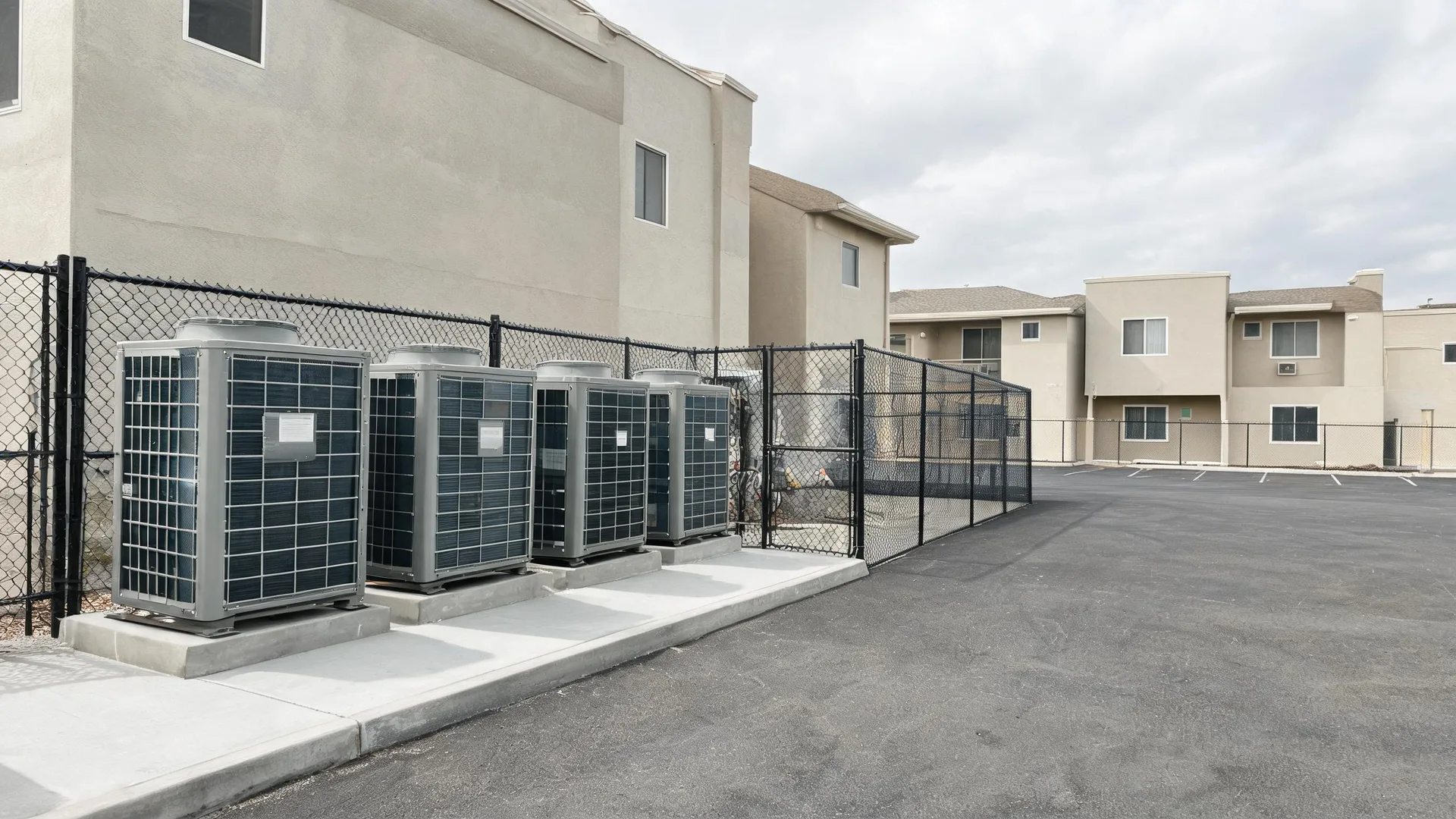
Electrical Parts Fail Without Warning

A capacitor can test weak for months before it finally gives out, and the system runs fine right up until it doesn't start at all. Contactor points pit and burn a little more with every cycle. None of this shows up as weak cooling first. It shows up as a system that won't turn on, usually on the day it's needed most.

An outdoor air conditioning condenser unit positioned beside a blue-sided house at sunset.

Book your AC tune-up in May, before homes here start needing cooling in June.

  1. Jan
  2. Feb
  3. Mar
  4. Apr
  5. May
  6. Jun
  7. Jul
  8. Aug
  9. Sep
  10. Oct
  11. Nov
  12. Dec

A tune-up checks the refrigerant charge, cleans the coils, tests the capacitor and tightens the electrical connections.

A tune-up starts before anyone touches a tool, with a look at the refrigerant pressure and the temperature split between the return air and the supply air. That split tells a tech whether the system is actually moving heat the way it should. From there it's the electrical side: tightening connections that vibrate loose over a season of cycling, testing the capacitor under load instead of guessing from how the system sounds, checking the contactor points for pitting. The blower wheel gets pulled and checked for dust buildup, since a dirty wheel moves less air no matter how clean the filter is. Drain line gets flushed so it isn't the thing that fails first on a humid day. None of this fixes something that's broken. It finds the part that's about to be.