






A nighttime view of a tree-lined residential street with illuminated two-story brick houses and street lamps.

AC Maintenance in Janesville, WI

Tell us about the job

Takes about a minute. No obligation.

Tune-up, service, or cleaningCentral ACRock County, WI
Step 1 of 2

What ZIP code is the job in?

A unit that's overdue for a check usually tells you before it quits outright. Listen for a hum that used to be quieter, or a click at startup that takes longer than it should. Watch the vents. If the air coming out doesn't feel as cold as it used to, the refrigerant charge could be low or the coil could be dirty, and either one makes the compressor work harder than it needs to. Short cycling, where the system kicks on and off in quick bursts instead of running a steady stretch, is another sign something's off with the controls or the airflow. None of these mean the system is about to fail, but they're the kind of thing a technician catches early during a routine check, before a dirty coil or a weak capacitor turns into a compressor replacement.

3 months
June through August, your air conditioner is on duty
81°F
the average summer afternoon it cools against
41 hail events
in ten years, and hail bends the fins on outdoor coils
78 wind events
in ten years, and wind drives debris into outdoor units
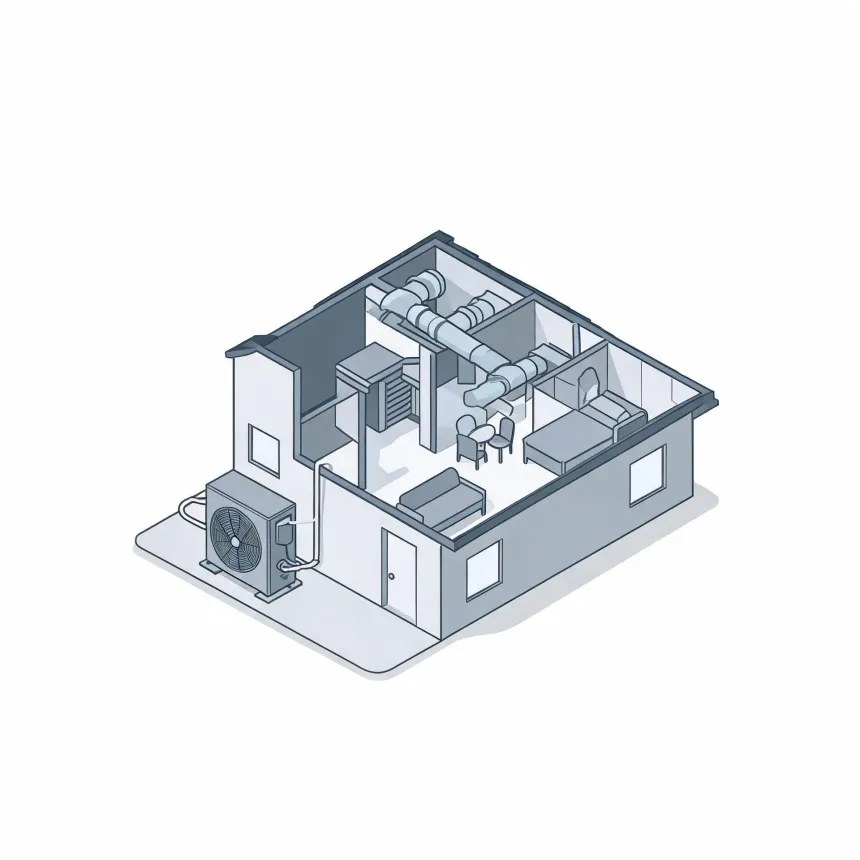
Isometric line illustration of a cutaway house showing interior rooms with furniture and ceiling ductwork, connected to an outdoor condenser unit with a fan beside the building.
Your air conditioner works hardest from June through August.

NOAA nClimDiv, 1991–2020 normals

AC in Rock County runs June through August.

May is when to get it checked, before the season puts it to work.

Nothing here works your AC harder than usual, which is why one check a year covers it

149 severe weather events from 2015 to 2024
18% of homes statewide lost power a day or more in 2024
78 damaging wind events from 2015 to 2024
One check a year covers it hereWisconsin electricity ran 17.18 cents per kilowatt-hour in 2024, so a neglected AC costs you more to run, not just more to fix.

Half the homes in Rock County were built in 1970 or earlier. A system in a house that old has usually been through more than one owner, and nobody on day one knows exactly what it inherited. A yearly check is how a technician keeps track of a unit year over year instead of meeting it cold. They'll know what the charge was last spring, whether the capacitor was already weak, whether the coil was clean. That history is what catches a small problem while it's still small.

Start the yearly check now, not after something breaks

If your AC came with a house built decades ago, this is probably the first time anyone's kept a record on it. Get it on a yearly schedule and the next check has something to compare against.

Find a contractor
A man in a dark cap, dark rolled-sleeve shirt and tan trousers walks up porch steps toward a pale green panelled door, carrying a worn canvas tool bag in his left hand, with a potted shrub beside the entry.
An outdoor air conditioning condenser unit mounted on a concrete pad beside a house, with electrical conduit running to a wall-mounted disconnect box.

What a real check includes that a quick one skips

A quick visit gets the easy things. Filter swapped, gauges glanced at, maybe a hose rinsed off. A thorough one opens the cabinet. The tech checks refrigerant pressure against what the system is supposed to run, not just whether it's blowing cold. They'll pull the capacitor and test it under load. A capacitor can read fine sitting still and still fail the first hot afternoon it's asked to work. They'll check amp draw on the compressor and fan motor. They'll clean the condenser coil instead of just looking at it, and flush the condensate drain so it doesn't back up later and trip the float switch. They check the contactor for pitting, since a worn one can stick and run the compressor long after the thermostat's satisfied. None of this takes much longer than the quick version. The difference is whether the tech is looking for what's about to fail or just confirming the system turns on.

What's hiding behind a clean filter

Swapping the filter is the part a homeowner can do themselves, and it's also the part that tells you the least. Behind it, the blower wheel can cake up with dirt inside its own housing and quietly lose airflow for months. The evaporator coil can grow a layer of grime between its fins where nobody's looking. Neither one changes how the filter looks.

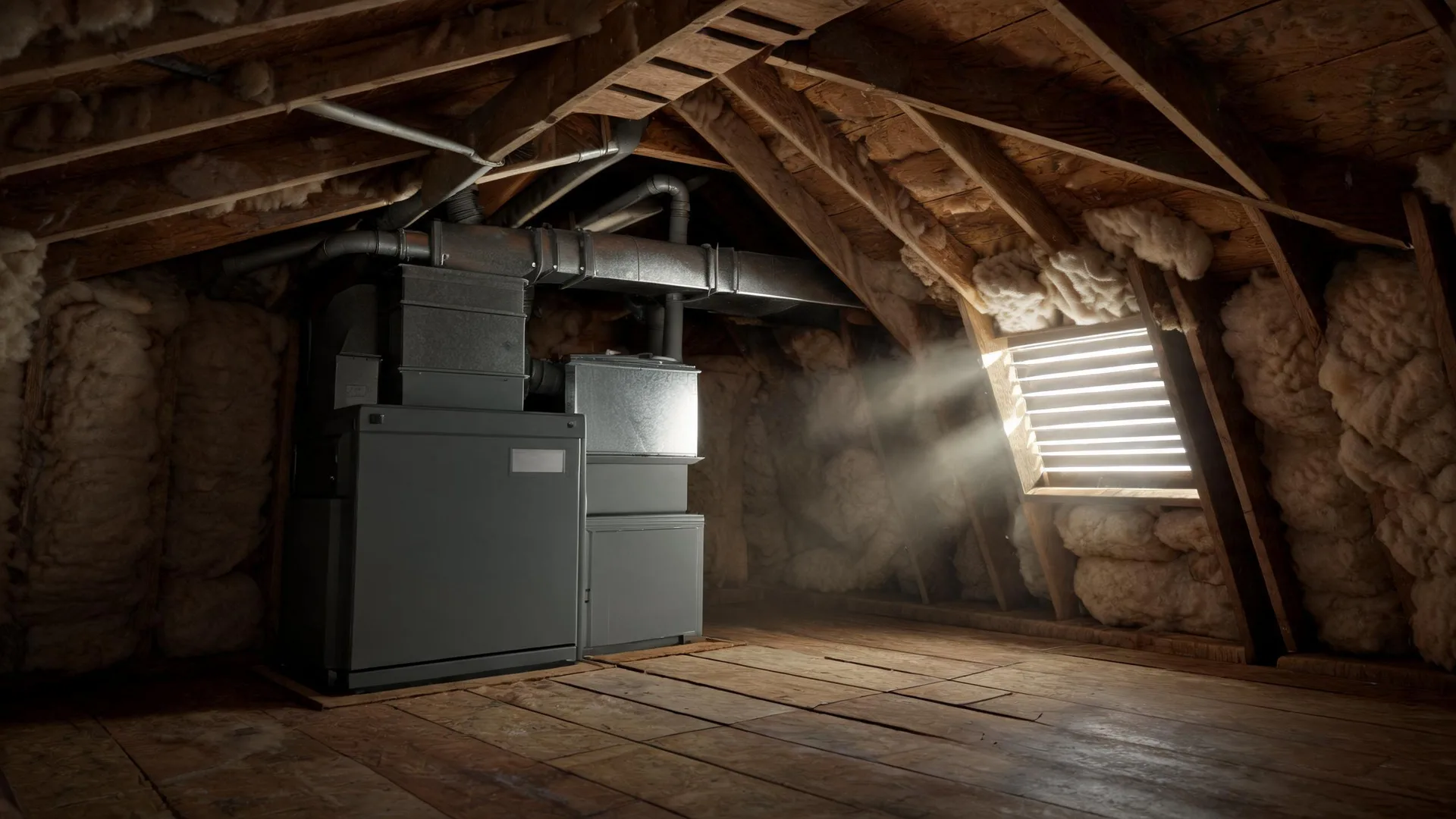
Why a wire or a reading catches what a sound doesn't

Some failures never make noise first. A connection at the contactor can loosen and run hot for weeks before it finally fails. Refrigerant can leak out slowly enough that the air still feels cool for a while even as the compressor works harder for it. A gauge and a multimeter catch both long before a homeowner would hear or feel anything wrong.

An outdoor air conditioning condenser unit installed beside the exterior wall of a blue vinyl-sided house at sunset.

Book your AC tune-up in May, before homes here start needing cooling in June.

  1. Jan
  2. Feb
  3. Mar
  4. Apr
  5. May
  6. Jun
  7. Jul
  8. Aug
  9. Sep
  10. Oct
  11. Nov
  12. Dec

A tune-up checks the refrigerant charge, cleans the coils, tests the capacitor and tightens the electrical connections.

A tune-up starts with the thermostat calling for cool and ends with the tech watching the system run a full cycle, not just switching on. In between, the refrigerant lines get checked for proper subcooling, since that number says more about the charge than how cold the air feels at the vent. The blower gets pulled and inspected, not just the filter in front of it. Electrical connections get tightened, because a loose one generates heat and heat is what ages a connection faster than current alone. The drain line gets checked for a clog starting to form, not just whether it's draining right now. A check that skips the running part and only looks at the system sitting still misses most of what actually fails.