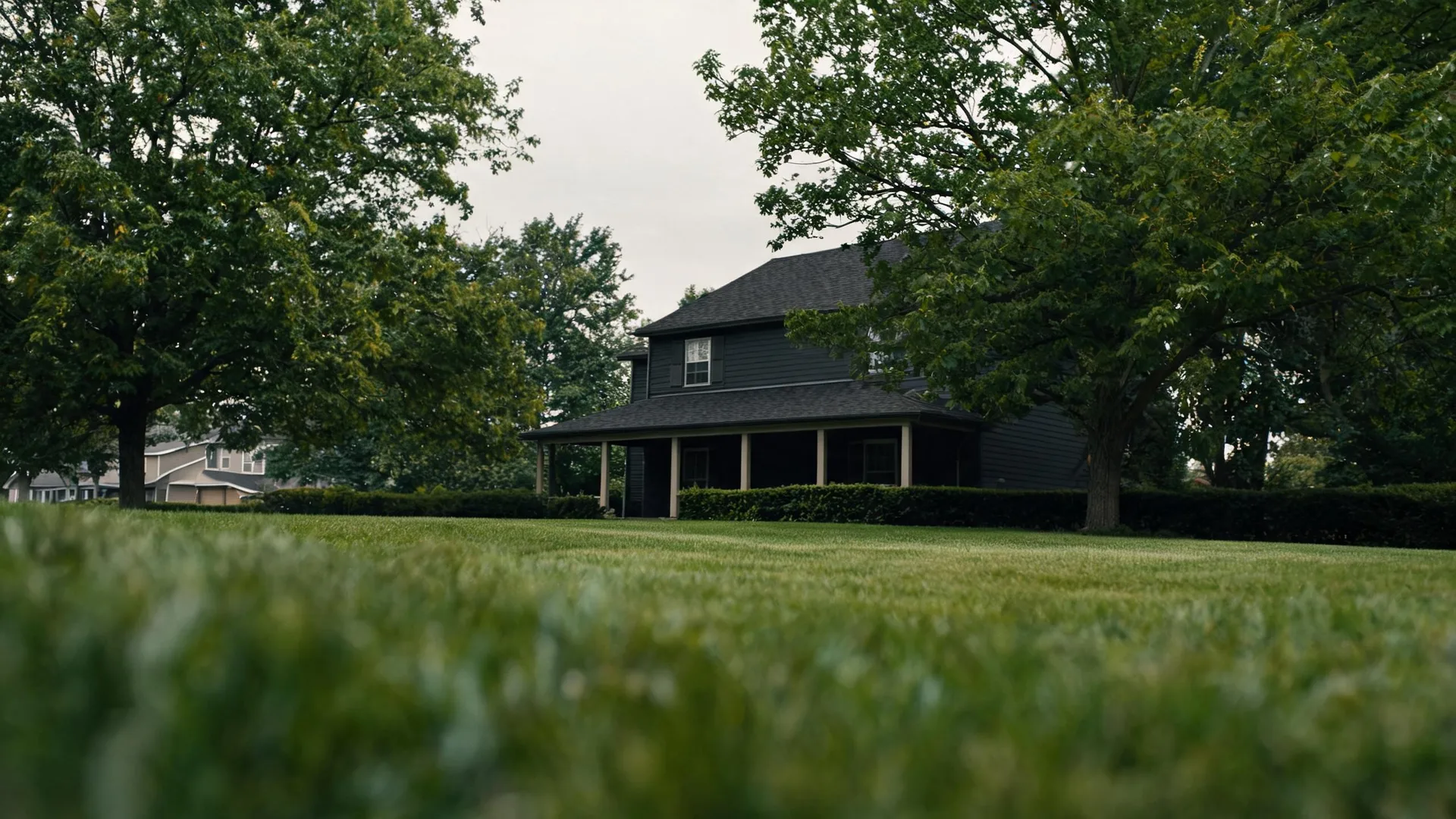





A dark two-story house with a covered porch stands behind a hedge and large deciduous trees, viewed from a low angle across a mowed lawn under an overcast sky.

AC Maintenance in Portage, WI

Tell us about the job

Takes about a minute. No obligation.

Tune-up, service, or cleaningCentral ACColumbia County, WI
Step 1 of 2

What ZIP code is the job in?

A tune-up starts before the panel ever comes off. A tech checks the refrigerant charge against what the system calls for, because a unit running low cools worse and strains the compressor doing it, and that strain adds up over a season you never see from the thermostat. They check the capacitor, which is what gets the compressor and fan motor started and running, since a weak one can still start the system most days and then fail on the one afternoon it matters most. The condenser coil outside gets checked and cleaned, because dirt and grass clippings packed into the fins make the system reject heat poorly even though the air coming out of your vents still feels fine for a while. They check the drain line for algae or sludge, since a clogged one backs up and can shut the system down or let water get where it shouldn't. None of this shows up as a problem you'd notice day to day. It shows up later, as a breakdown, unless someone catches it first.

3 months
June through August, your air conditioner is on duty
80°F
the average summer afternoon it cools against
30 hail events
in ten years, and hail bends the fins on outdoor coils
71 wind events
in ten years, and wind drives debris into outdoor units
Isometric 3D cutaway render of a house with dark siding showing interior rooms, ductwork and an air handler, connected by lines to an outdoor condenser unit on a white background.
Your air conditioner works hardest from June through August.

NOAA nClimDiv, 1991–2020 normals

A quick visit checks if the system turns on and blows cold.

A thorough one checks the charge, the capacitor, the coil and the drain line before any of that becomes a breakdown.

One summer, one check, before the heat leans on it

Half the homes here were built by 1976
Cooling runs June through August
Summer afternoons average 80°F

One visit a year covers it here. Nothing about Portage summers asks more of this system than it was built to handle, so there's no case for chasing problems that aren't there. Spring is the right time for it, before the compressor is running every day and before a tech's schedule fills up with no-cool calls. Wisconsin electricity ran 17.18 cents per kilowatthour in 2024, and a system working against a low charge or a dirty coil pulls more of it to do the same job. That cost shows up on the bill whether or not anyone ever traces it back to the unit outside.

One check a year, done before summer leans on it

Columbia County has logged 122 severe weather events between 2015 and 2024, mostly wind and hail. None of that changes what this system needs. One spring check still covers it, same as it would anywhere else. What a storm can do is knock the power out, and most AC systems start back up on their own once it returns. Worth confirming that's true of yours before summer is the time you find out.

Find a contractor
A gray cylindrical air conditioning condenser unit mounted on a concrete pad next to a light-colored vinyl-sided house exterior.

It fails quietly, then all at once

A system can run fine for years and still be due for a look. Hours of run time aren't the only thing that wears a part out. A capacitor can fail on its own from heat cycling, no matter how light the season's been. A contactor's contacts pit a little more every time the compressor switches on, whether that happens a few times a day or runs on and off most of the afternoon. None of that shows up as a sound or a smell until the day it does. The only way to catch a weak part before it quits is to have someone check it while it's still working, not after it stops.

The filter is doing more than you think

A dirty filter chokes airflow across the evaporator coil inside. Less air moving across it means the coil runs colder than it should, and past a certain point it starts icing up. Once ice forms, airflow drops even further, and what started as a clogged filter ends up looking like a refrigerant problem. Checking it is the cheapest thing anyone can do for this system, and the one most skipped.

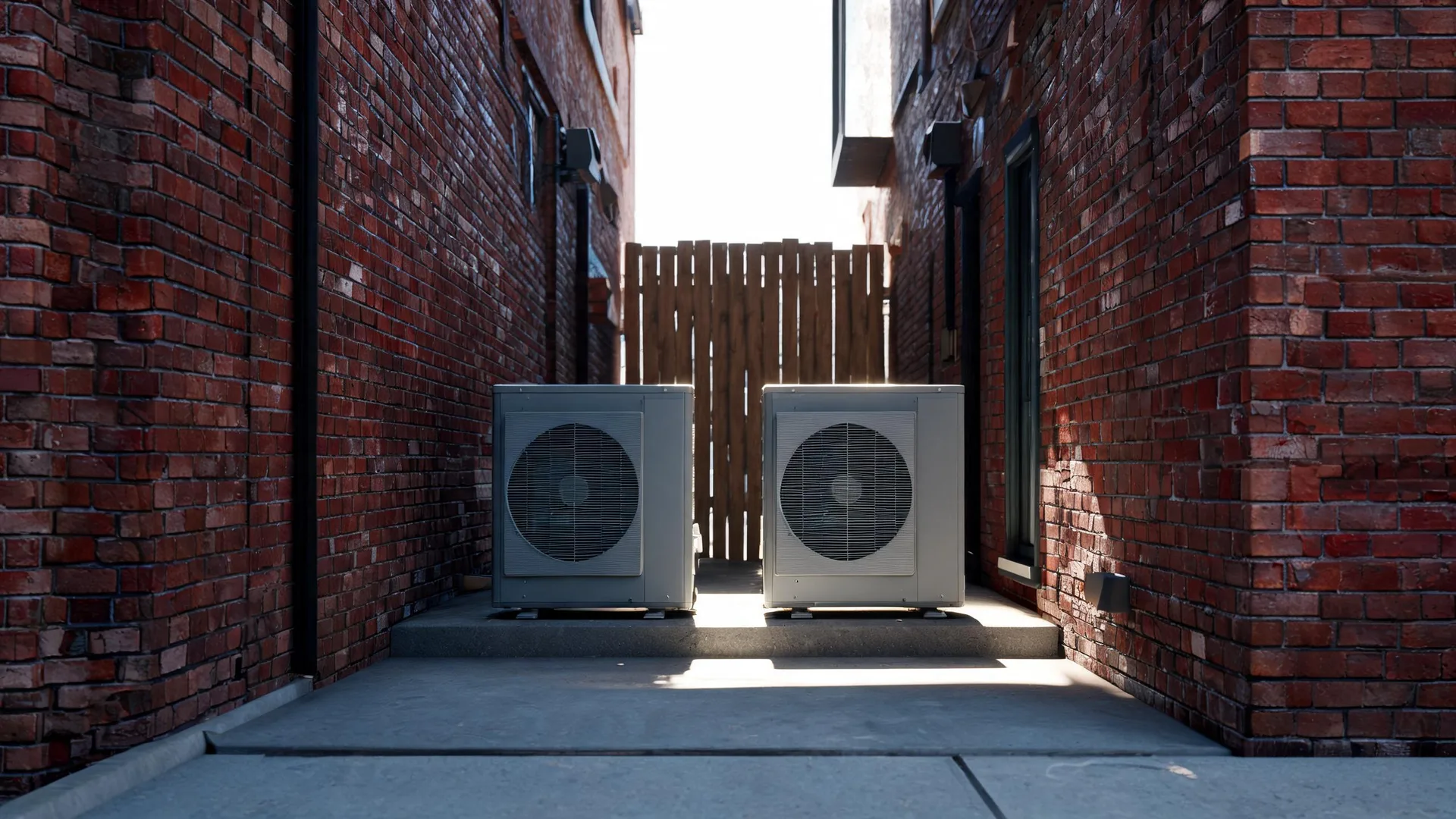
The coils and drain fail quietly

A coil caked in dirt can't move heat the way it's supposed to, inside or out, and the system runs longer to do the same job. The drain line underneath the indoor coil is just as easy to ignore, since it only causes a problem once algae or sludge blocks it completely. When that happens, water backs up into the pan and either trips a safety switch or finds its way somewhere it shouldn't. None of it announces itself ahead of time.

Overhead view of a gray residential air conditioning condenser unit mounted on a concrete pad beside a house with asphalt shingle roofing.

Book your AC tune-up in May, before homes here start needing cooling in June.

  1. Jan
  2. Feb
  3. Mar
  4. Apr
  5. May
  6. Jun
  7. Jul
  8. Aug
  9. Sep
  10. Oct
  11. Nov
  12. Dec

A tune-up checks the refrigerant charge, cleans the coils, tests the capacitor and tightens the electrical connections.

A tune-up also means hands on the blower motor and the fan blades, inside and out. A motor bearing starts to go dry well before it seizes, and a tech can hear that whine or feel that play in the shaft before it strands you without airflow. The electrical connections get checked too, at the disconnect box and at the contactor that switches the compressor on and off. Wiring terminals work loose from vibration over time, and a loose one runs hotter than it should. A contactor with pitted contacts can start sticking, and a stuck contactor either won't start the system or won't shut it off. None of this is guesswork. It's a tech going through the same points every time, because that's where this kind of system actually fails.