La Crosse County sees real storm numbers
The county logged 195 severe weather events between 2015 and 2024, including 100 damaging wind events, 66 hail events, and 2 tornadoes. Winter storms with heavy snow and ice hit 21 times in that same stretch.
Takes about a minute. No obligation.
The county logged 195 severe weather events between 2015 and 2024, including 100 damaging wind events, 66 hail events, and 2 tornadoes. Winter storms with heavy snow and ice hit 21 times in that same stretch.
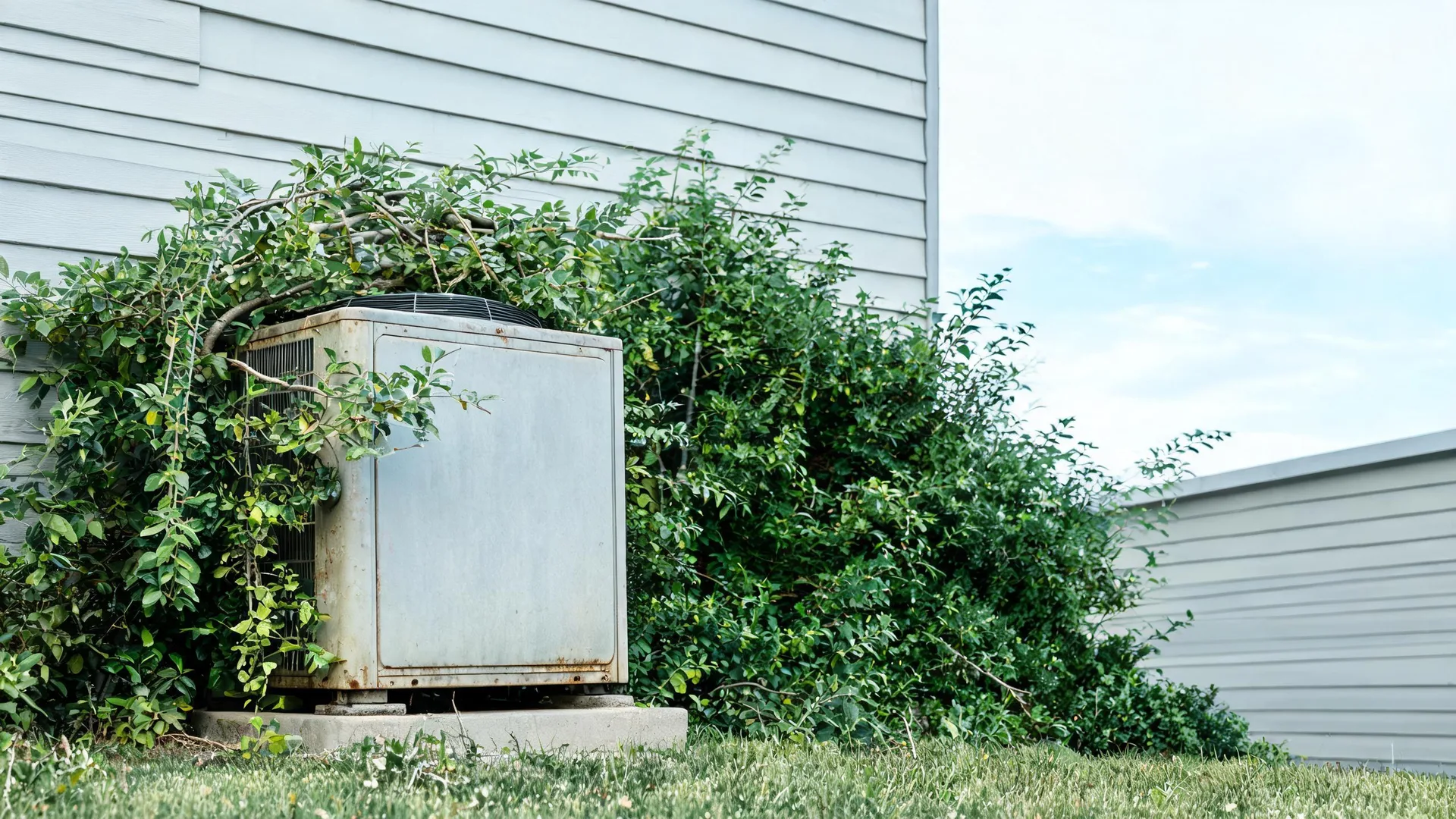
Your heat pump's outdoor unit sits exposed to wind-driven debris and hail year round. Statewide, 18% of Wisconsin households lost power for 24 hours or more in 2024, which matters for a system that handles both your heat and your hot water.
NOAA nClimDiv, 1991–2020 normals
Heat runs here from October through May, eight months straight.
A part that was already weak in September usually gives out in that first cold snap, not before.



A heat pump that's short cycling or running with a weak capacitor costs more every day it stays that way. It has to run longer and work harder to do the same job, and that shows up on the power bill here before it shows up anywhere else. Waiting on the repair doesn't avoid that cost, it just adds it up over more days. A failing part also tends to drag down whatever else is near it, the compressor especially, so a small repair now tends to stay small. If your heat pump is already acting up, have a contractor look at it soon rather than riding it out.
Hail and wind-driven debris can mark up a heat pump's outdoor unit without stopping it right away. A bent fin or a cracked line can sit there working until the day it doesn't, usually in weather you don't want to be without heat in. If yours has been through a storm this year, have a contractor look it over now.
Find a contractorA heat pump that's low on refrigerant will keep running, just not the way it should. The compressor still turns on, still cycles, but it's working harder to move less heat, and that strain doesn't stay still. Run it long enough in that state and the compressor itself starts to wear from the inside, which turns a refrigerant leak into a compressor replacement. The same goes for a failing capacitor. It can limp along for weeks, giving the motor a weak start each time, and every one of those hard starts adds a little more wear until the motor finally seizes. A clogged outdoor coil works the same way. Airflow drops, the system runs longer to move the same heat, and the compressor runs hotter than it was built to. None of these fail cleanly on their own. They pull something else down with them if they're left running.
Make sure the thermostat is set to heat or cool as needed and the setpoint is actually past room temperature. Check the breaker for the outdoor unit and the one for the air handler. A tripped breaker or a thermostat bumped into the wrong mode causes a lot of calls that have nothing wrong with the heat pump itself.
Walk out and see if the outdoor unit is buried in snow, ice, or leaves, and clear it if it is. Pull the air filter and hold it up to light. If you can't see through it, swap it. Past that, don't open the cabinet or touch the refrigerant lines. A frozen coil, a clicking sound, or a burning smell means it's time to call someone, not take it apart further.
Most heat pump problems announce themselves before the system quits outright. Warm air blowing when it should be hot, or the outdoor unit running nonstop without catching up, usually means it's losing the fight against refrigerant loss or a failing component, not just struggling with the weather. Ice building up on the outdoor coil that doesn't clear in defrost is another one, since a healthy system sheds that frost on its own cycle. Listen for a hard clunk or rattle at startup, or a hum where you used to hear the fan kick on, since that's often a motor or capacitor losing strength. A burning smell or a breaker that keeps tripping means stop running it and get it looked at, not wait and see. Short cycling, where it turns on and off in quick bursts instead of settling into a steady run, wears on the compressor every time it happens.
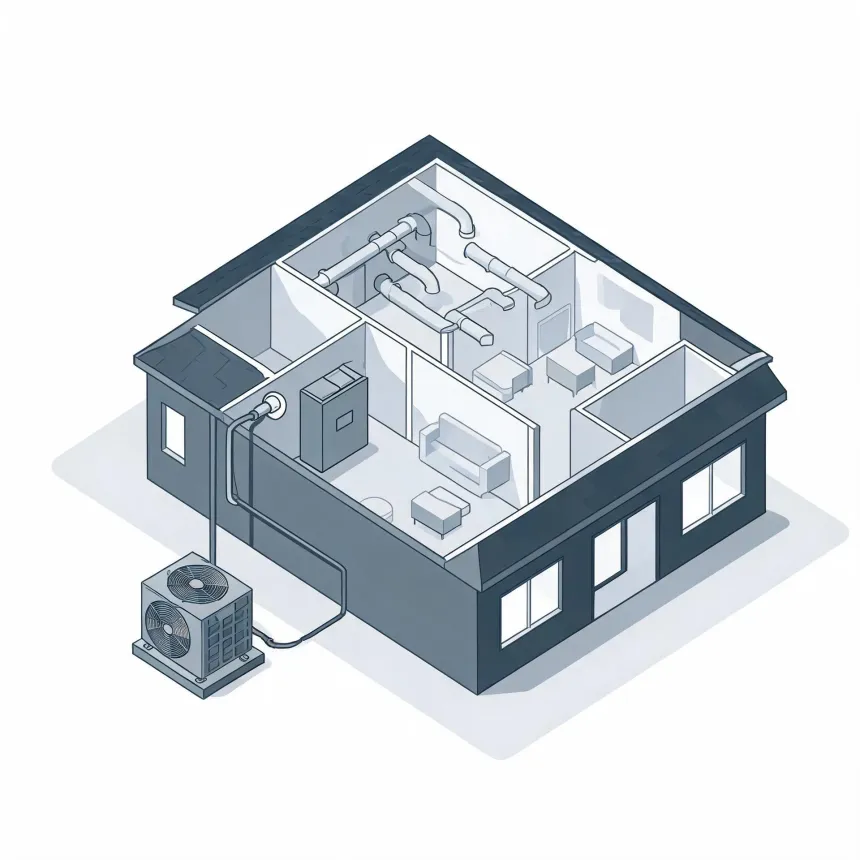
A diagnostic visit starts outside at the unit itself, checking refrigerant pressure, electrical draw, and how the compressor sounds when it kicks on. The contractor will pull panels and test the capacitor and contactor directly rather than guess from symptoms alone, since a weak capacitor and a low refrigerant charge can look similar from the thermostat. Inside, they check the air handler, the blower motor, and airflow across the coil, because restricted airflow can mimic a refrigerant problem and send someone chasing the wrong fix. Expect them to check the reversing valve too, since a heat pump that's stuck in one mode or won't switch between heat and cool often traces back there. Most of this gets done with gauges and a multimeter, not guesswork, and the goal is to find the one part that's actually failing before anything gets replaced.