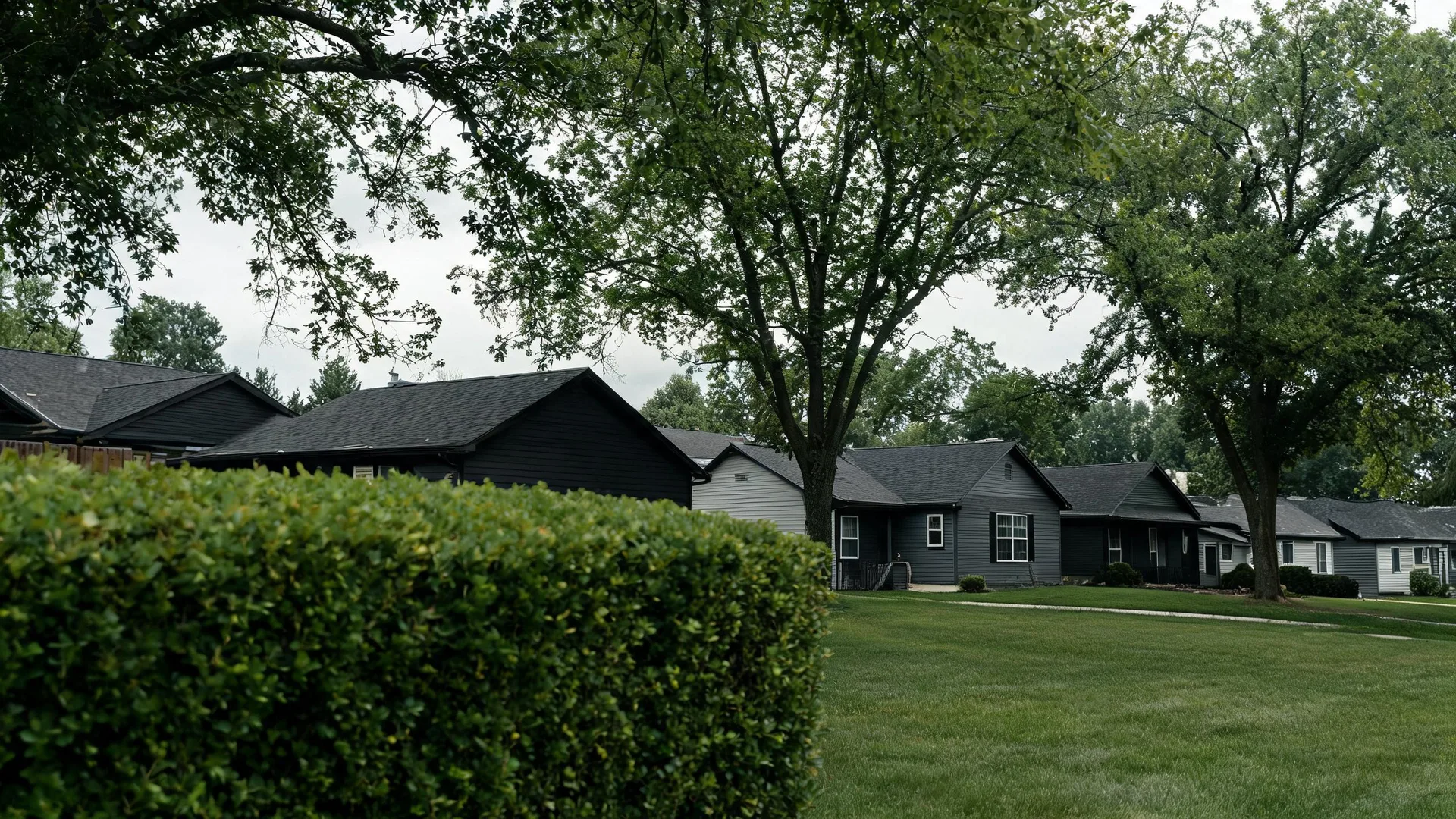







A row of single-story houses with dark siding and gray shingled roofs behind large deciduous trees, with a trimmed hedge in the left foreground and a mown lawn under an overcast sky.

Heat Pump Repair in Appleton, WI

Tell us about the job

Takes about a minute. No obligation.

RepairHeat PumpOutagamie County, WI
Step 1 of 2

What ZIP code is the job in?

Outagamie County saw 176 severe weather events between 2015 and 2024. That includes 79 damaging wind events, 60 hail events, and 13 tornadoes. A heat pump's outdoor unit sits outside through all of it, with coil fins and a fan exposed to whatever the storm carries. Hail can dent or bend those fins without stopping the unit right away, and wind-blown debris gets into places you can't see from a quick look. Wisconsin also saw 18% of households lose power for 24 hours or more in 2024, which matters for a system that needs electricity to move heat at all. If a storm has come through and the unit took a hit, it's worth having someone look even if it still runs.

9 months
September through May, your system heats
3 months
June through August, it cools
13°F
the average winter night it heats against
79°F
the average summer afternoon it cools against
Isometric cutaway illustration of a small house showing interior rooms with furniture, an indoor air handler with flexible ducting, and refrigerant lines running to an outdoor condenser unit beside the building.
Your system heats September through May and cools June through August.

NOAA nClimDiv, 1991–2020 normals

August is the last month before your heat pump has to carry the full heating load.

A weak part that made it through a mild month can fail once the cold sets in for real.

Half the homes here were built in 1980 or later

Half the homes here were built by 1980
Climate zone 5A
Power here costs 18.55 cents per kilowatt-hour
Power Here Costs You Every Day It Runs WrongElectricity in Outagamie County averages 18.55 cents per kilowatt-hour, higher than most of the country.

If your heat pump came with a newer build, that's a reason to repair rather than replace when something goes wrong. A system installed with a house built in the last couple decades hasn't had the years behind it that would make a repair a losing bet. Most of what fails in a heatpump, a capacitor, a contactor, a control board, a low charge, gets fixed on its own without touching the rest of the system. Get the actual part diagnosed before you assume the whole unit is on its way out. A technician can also tell you how many years of service you're likely still getting out of it, which is worth asking before you decide anything.

Had a Storm Come Through? Get the Unit Checked Before It Tells You Itself

If the outdoor unit has taken hail or wind-blown debris this year, a repair call is the way to find out what it actually did. Fins can be bent and still move air. A loose connection from wind can sit quietly until the day it doesn't. Have it looked at even though it's running now.

Find a contractor
A man in a cap, dark long-sleeve shirt and tan work pants walks up porch steps toward a green front door, carrying a worn canvas duffel bag, with a potted shrub and wall lantern beside the entry.
A gray heat pump outdoor unit mounted on a concrete pad next to a residential house with lap siding and stone accents.

Running It Doesn't Fix It

A heat pump that's struggling doesn't fail all at once. It gives you signs first: ice building up on the outdoor coil that the defrost cycle isn't clearing, a compressor that cycles on and off more than it should, air coming out of the vents that's warm but not warm enough. Keep running it like that and you're asking a weak part to carry a load it can't handle. A compressor working against a refrigerant leak runs hotter than it was built to. A fan motor with worn bearings keeps spinning until it seizes. What would have been a simple repair turns into a compressor replacement, and the compressor is the most expensive part in the system. The unit won't tell you when it's crossed that line. It just keeps running until it can't.

What You Can Check Yourself

Look at the outdoor unit and clear away leaves, grass clippings or anything blocking the fins. Check that the indoor air filter isn't clogged, since restricted airflow can mimic a bigger problem. Check the thermostat is set to the right mode and the breaker hasn't tripped. A few minutes of looking can rule out the simple stuff before anyone touches a tool.
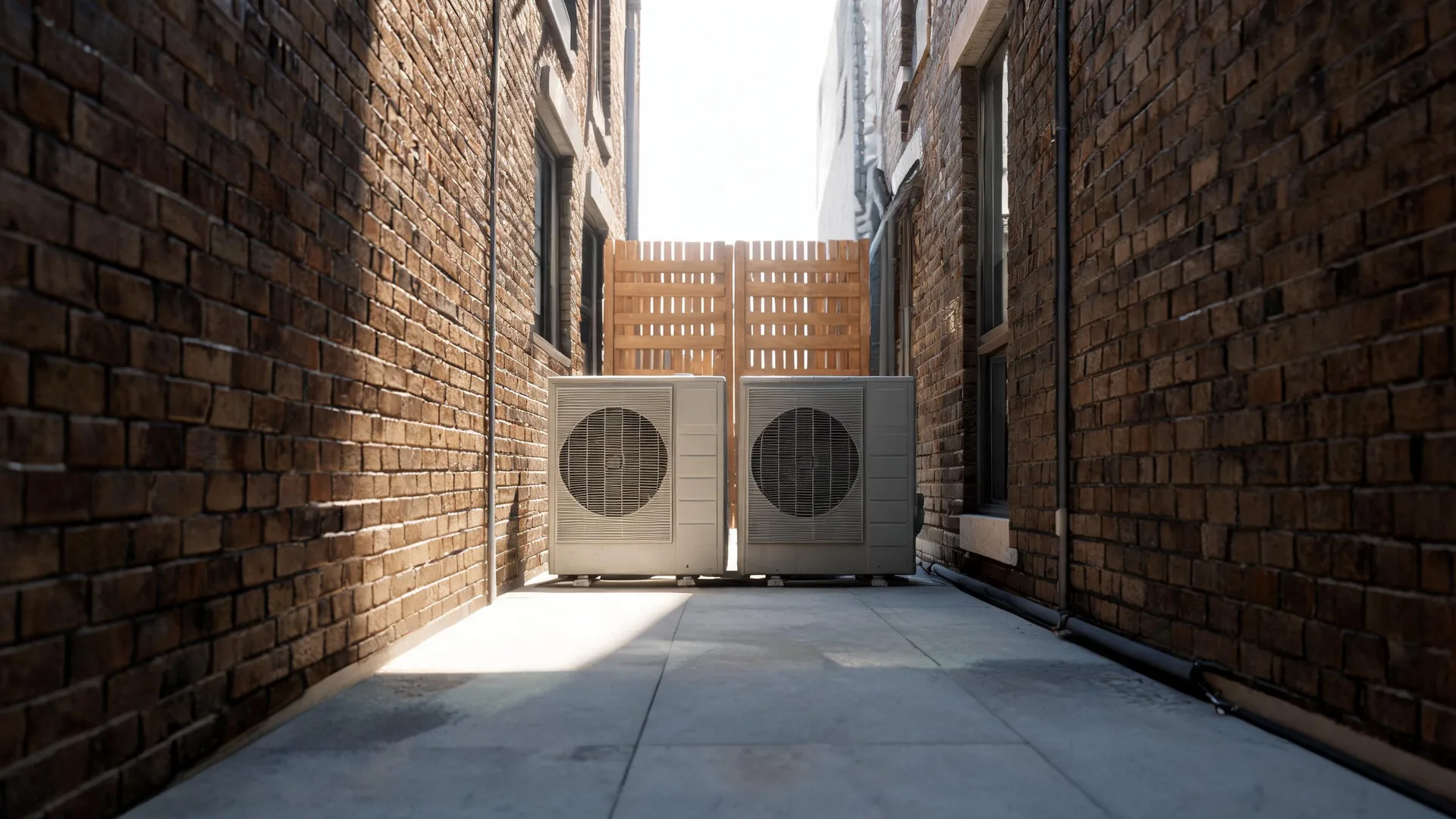
What To Leave For The Technician

Bent fins, frost that won't clear, or a compressor that won't stay running all point to something inside the system, not something on the surface. Opening the unit up or adding refrigerant without gauges and training risks turning a small problem into a bigger one. Once the easy checks are done and the unit still isn't right, the next step is diagnosis, not guesswork.

A heat pump that's cycling too much or running weak still draws power the whole time it does it, and power here already costs more than in most places. Waiting on a repair doesn't save you that cost, it just lets the unit keep burning electricity while it struggles. If something's off now, get the part diagnosed instead of letting it run through another month on the wrong charge or a failing part. Fixed sooner, it stops costing you more every time it kicks on.

Age isn't the only thing worth weighing. A heat pump that needs a compressor or a coil is a different call than one that needs a capacitor or a contactor, no matter how old it is. Ask what the repair actually fixes and what it leaves alone. A refrigerant leak that gets patched once can open up again somewhere else along the same line if the line itself is old and brittle. A failed control board is just a part swap, and nothing about the rest of the system changes because of it. The real question isn't what this repair costs, it's whether you'll be paying for a different part next year. A technician who's opened the unit up can tell you which kind of repair you're looking at.