This county sees real storms
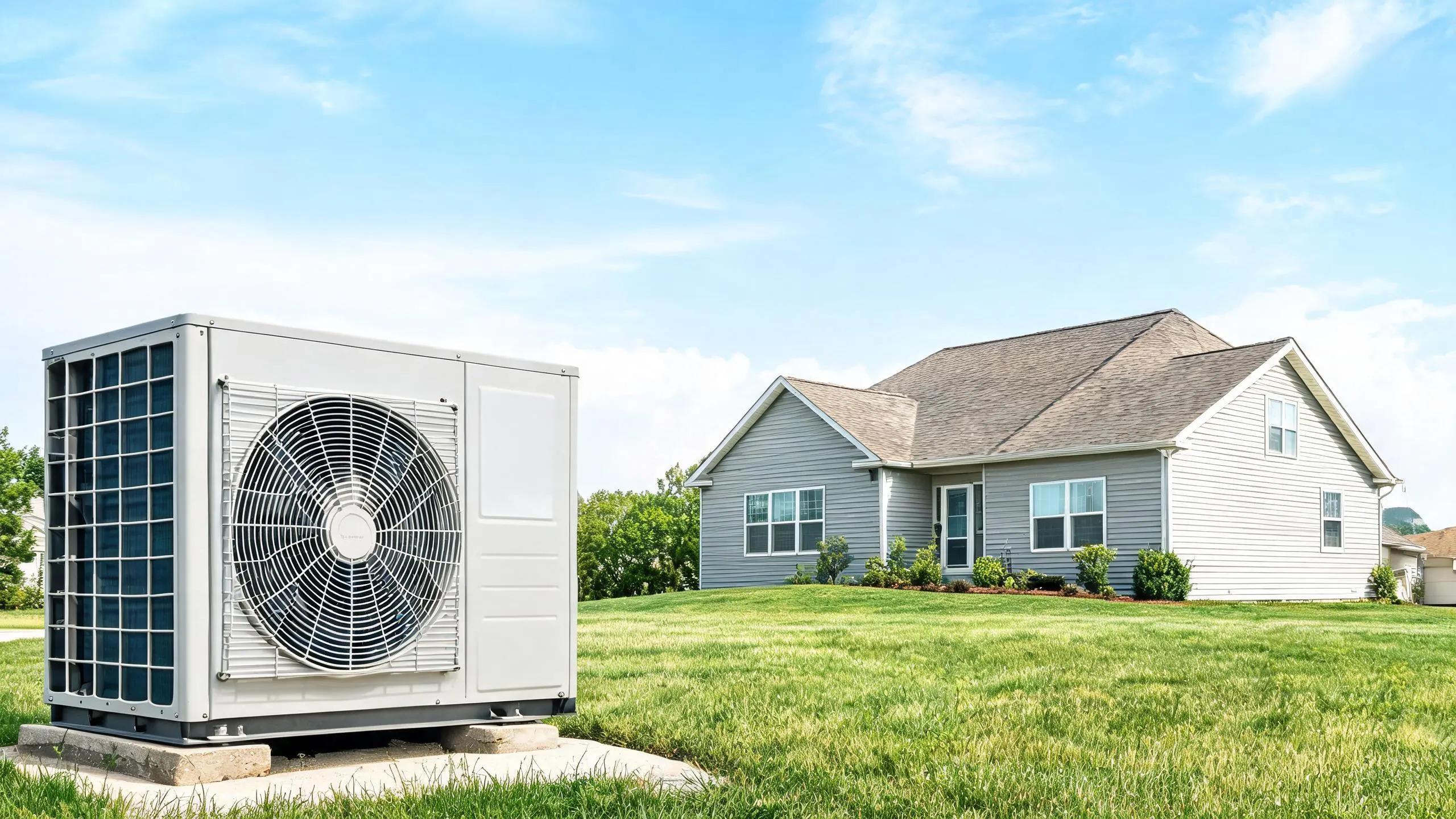
Grant County logged 186 severe weather events between 2015 and 2024, including 113 damaging wind events, 36 hail events and 7 tornadoes. That outdoor unit sits outside through all of it.
Takes about a minute. No obligation.
Grant County logged 186 severe weather events between 2015 and 2024, including 113 damaging wind events, 36 hail events and 7 tornadoes. That outdoor unit sits outside through all of it.
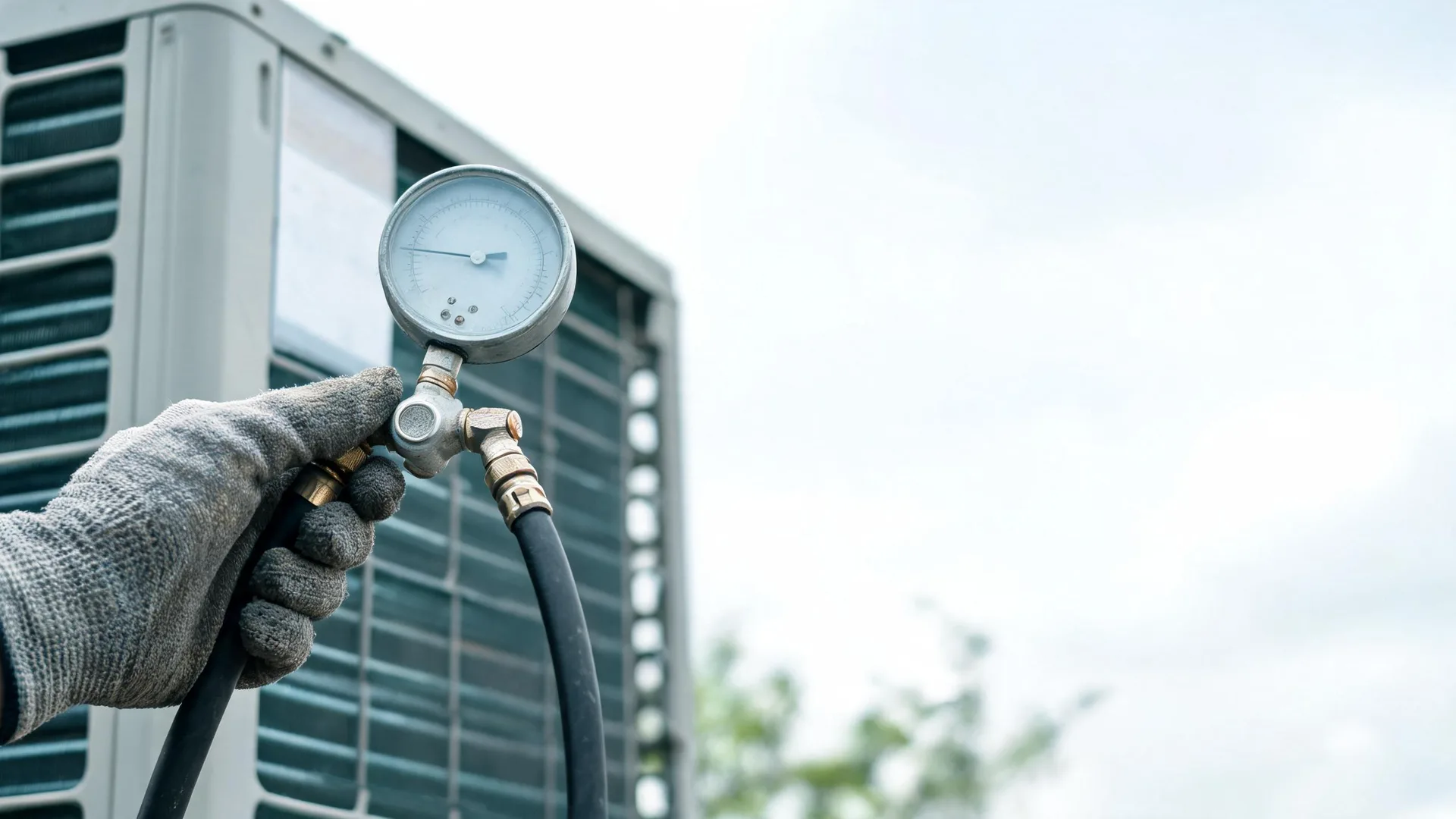
A heat pump can take a hit from hail or flying debris and keep running for a while before the damage shows up as a real problem. If the outdoor unit took a beating in a storm, it's worth having someone look at the coil and fins even if the system still blows air.
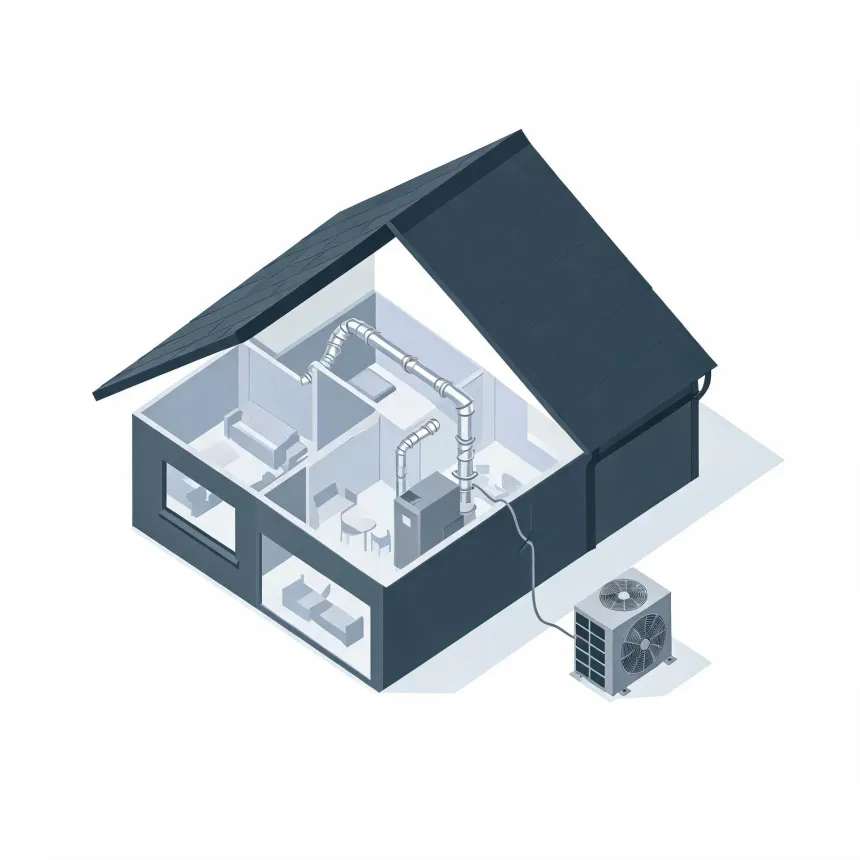
NOAA nClimDiv, 1991–2020 normals
Half the homes in Grant County were built in 1973 or earlier.
A heat pump that old is closer to the end than the middle, and a big repair bill should come with that question.




If the heat pump came with the house, ask the contractor for its age before agreeing to a repair. A sticker inside the cabinet or a model and serial number usually tells you the install year. An old compressor is a different decision than an old capacitor. A failing compressor on a unit near the end of its life is worth weighing against the cost of a new system. A capacitor or a low refrigerant charge is a smaller fix and usually worth doing no matter the age of the unit. Let the part that failed guide the decision, not just the year on the sticker.
Grant County outdoor units take a beating most years. If hail or wind hit yours and it's still running, that's not proof it's fine. Have the coil and fins looked at now, before a small dent in the fins turns into a refrigerant leak or a dead compressor.
Find a contractorA heat pump runs in both directions, all year, which means it never really gets a break the way a furnace or an AC does sitting idle half the time. That shows up in how trouble starts. Short cycling is usually the first thing an owner notices: the system kicks on, runs a few minutes, shuts off, and starts again before the house has caught up. Ice on the outdoor unit that doesn't clear during the defrost cycle is another one, especially if it builds up along the coil instead of just the bottom. Warm air blowing when it should be cool, or the reverse, points to the reversing valve not shifting the way it should. A unit that runs constantly without hitting the set temperature is losing the fight somewhere, often a refrigerant charge that's dropped or a compressor on its way out. Any grinding, clicking, or a hum with no fan movement is worth shutting the system down for until someone looks at it, since running a motor that's seizing up tends to turn a repair into a replacement.
The compressor, the reversing valve, the fan motors and the capacitors that start them all wear from use. A capacitor weakens and can no longer give the compressor or fan motor the push it needs to start, so the unit hums or clicks instead of running. Contacts in the contactor pit and burn from cycling on and off over the years. A reversing valve can stick in one position after enough cycles, so the system keeps heating when it should cool or the other way around. These are wear parts on any heat pump, and age catches up with them whether the system is run hard or not.
A heat pump depends on a sealed charge of refrigerant to move heat in either direction, and that circuit is only supposed to lose refrigerant through a leak. A small leak at a fitting or in the coil can run for a long time before anyone notices, showing up first as weaker heating or cooling and longer run times. By the time ice builds up on the outdoor coil or the compressor starts struggling, the charge has usually dropped enough to do real damage. A compressor run low on refrigerant for months tends to wear out early, which is why a small leak is worth chasing down instead of just topping off the charge.
A heat pump that's low on charge or short cycling doesn't just heat or cool poorly, it runs longer to make up for it. Power here already costs more than most places pay, so that extra runtime shows up on the bill fast. Waiting rarely helps. A weak capacitor or a small refrigerant leak gets worse with time, and the unit keeps working harder in the meantime to hit the same set temperature. Get it looked at while the fix is still small, before a cheap part turns into a compressor problem.
A repair decision usually comes down to what failed and what it would take to fix it. A capacitor, a contactor, a fan motor, a low refrigerant charge from a single leak: these get fixed on their own terms, regardless of how old the system is, because the cost is small next to a new system and the fix solves the problem. A compressor is different. It sits at the center of the refrigerant circuit, and replacing one costs enough that it's worth asking what else on the unit is close to failing too. If the compressor has been running low on charge for a while, or the coil has corrosion on top of the failed part, that one repair might just be the first of several. A technician who's honest with you will say which kind of repair this is before touching anything.