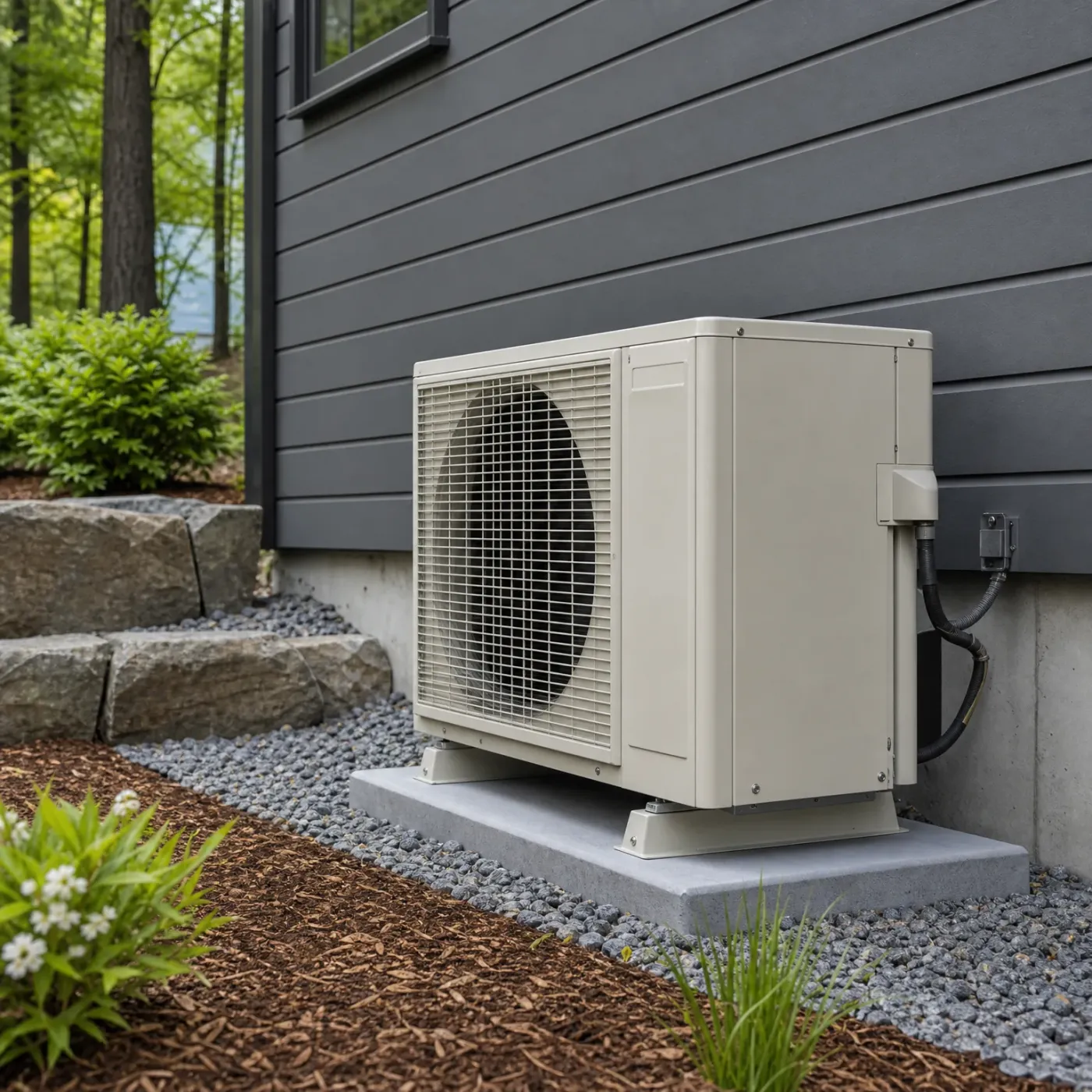
Where your heat pump stands
- A heat pump alone usually can't hold the house at temperature once nights drop into single digits.
- Backup heat, sized to cover those coldest stretches, is what closes the gap a heat pump leaves behind.
- Nights here average 13°F across December, January and February, well past where most heat pumps carry the full load.
- Cooler air from the vents on a cold night means the heat pump is losing capacity, not failing.
- At 17.75 cents per kilowatt-hour, a system without the right backup heat costs more to run through the gap.
- Whether your setup is enough comes down to how it's sized and what backs it up on the coldest nights.
A heat pump is not a wrong choice for Oshkosh. It will carry the house through most of the heating season on its own. The question was never whether it works here, it's what happens on the nights it can't keep up by itself, and what's there to cover for it when that happens. Winnebago County winters push outdoor air cold enough, often enough, that the unit alone can't pull in sufficient heat to hold the thermostat's setting. That's not a defect. It's how the equipment works at that temperature, and it's why backup heat is part of a heat pump system here, not an extra.
What decides whether your setup holds up is sizing and backup, not the heat pump itself. A unit sized for Oshkosh's coldest stretches, paired with backup heat that switches in when the air outside gets too cold to pull from, keeps the house warm without leaning on expensive resistance heat more than it has to. One sized for a milder climate, or running without backup that kicks in when it should, leaves the house short on the nights that matter most and the bill higher for it.
If you're not sure which one describes your house, that's worth finding out before the next cold snap, not during it.