Is a cold-climate heat pump worth it in Wisconsin

Get in touch with a local installer about a new heat pump.

New system or replacementHeat PumpWisconsin
Step 1 of 2

What ZIP code is the job in?

Is a cold-climate heat pump worth it in Wisconsin?

You already have a heat pump, and winter here is the real test for it. You're wondering whether it's actually pulling its weight once temperatures drop well below freezing, or whether you're just paying to run strip heat or a backup furnace most of the winter. With gas common here and electric rates high, the answer matters for what you do next.

Yes, if it's a cold-climate model and it's sized and installed right

A cold-climate heat pump is built to keep pulling heat from outside air well below zero, using a compressor and controls designed for that range, where a standard heat pump gives up and leans hard on backup heat. In Wisconsin that difference shows up on the coldest nights of the year, not just in fall and spring. Most homes here heat with gas, and electric rates are high, so the heat pump's job usually isn't to replace the furnace outright. It's to carry the heating load efficiently down to a point where the furnace takes over for the worst stretches. Whether that balance pays off depends on how the system was sized against your home's heat loss and how the switchover between the two is set up.

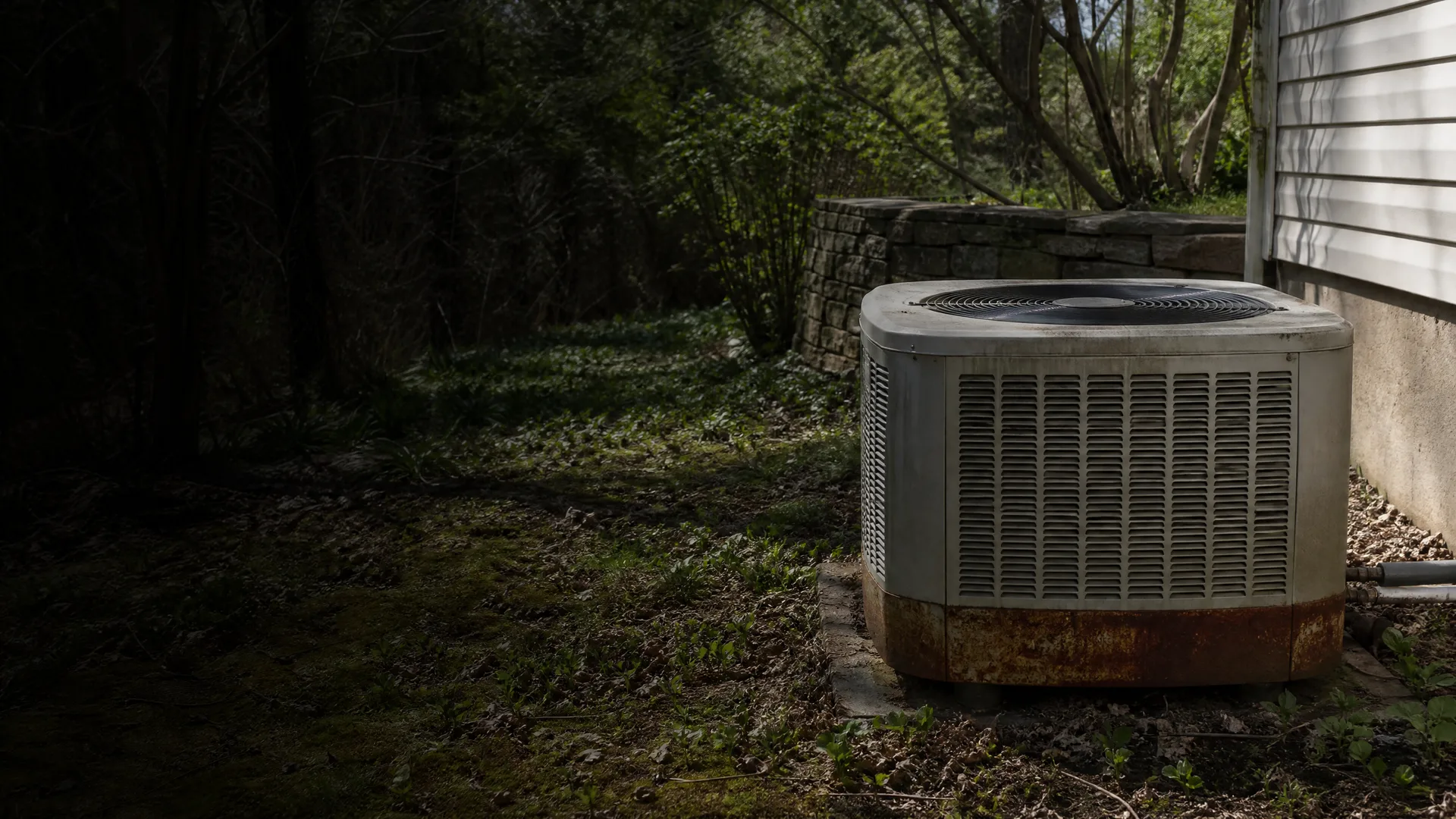
A weathered outdoor condenser unit with rust along its base sits on a pad beside a house with vinyl siding, next to a low stone wall and shaded vegetation.

You're out checking the yard in April, and you stop at the unit. Snow's barely gone and you notice the rust for the first time, a thin line creeping along the base where it sits closest to the ground. It's run every day since October, through the stretch of nights that stayed well below freezing, and the cabinet shows it. You crouch down and run a finger along the seam. Nothing's leaking, nothing's loud, but you find yourself doing the math on how many more winters this one has in it before the rust gets past the base and into something that matters.

Why does your heat pump struggle on the coldest nights

You notice it most on the nights that dip well below freezing. The outdoor unit runs longer, sometimes seems to never shut off, and the air coming out of the vents feels cooler than usual even though the thermostat hasn't changed. You might hear it click into defrost, a pause, then a different sound as it reverses itself and ice melts off the coil in streams you can see from the window. If gas backup kicks in, you'll hear that too, a second system picking up the slack. None of this means something's wrong. But if the unit struggles to keep up and the backup is carrying most of the cold months, you're paying for two systems instead of getting what a cold-climate unit should give you down low.

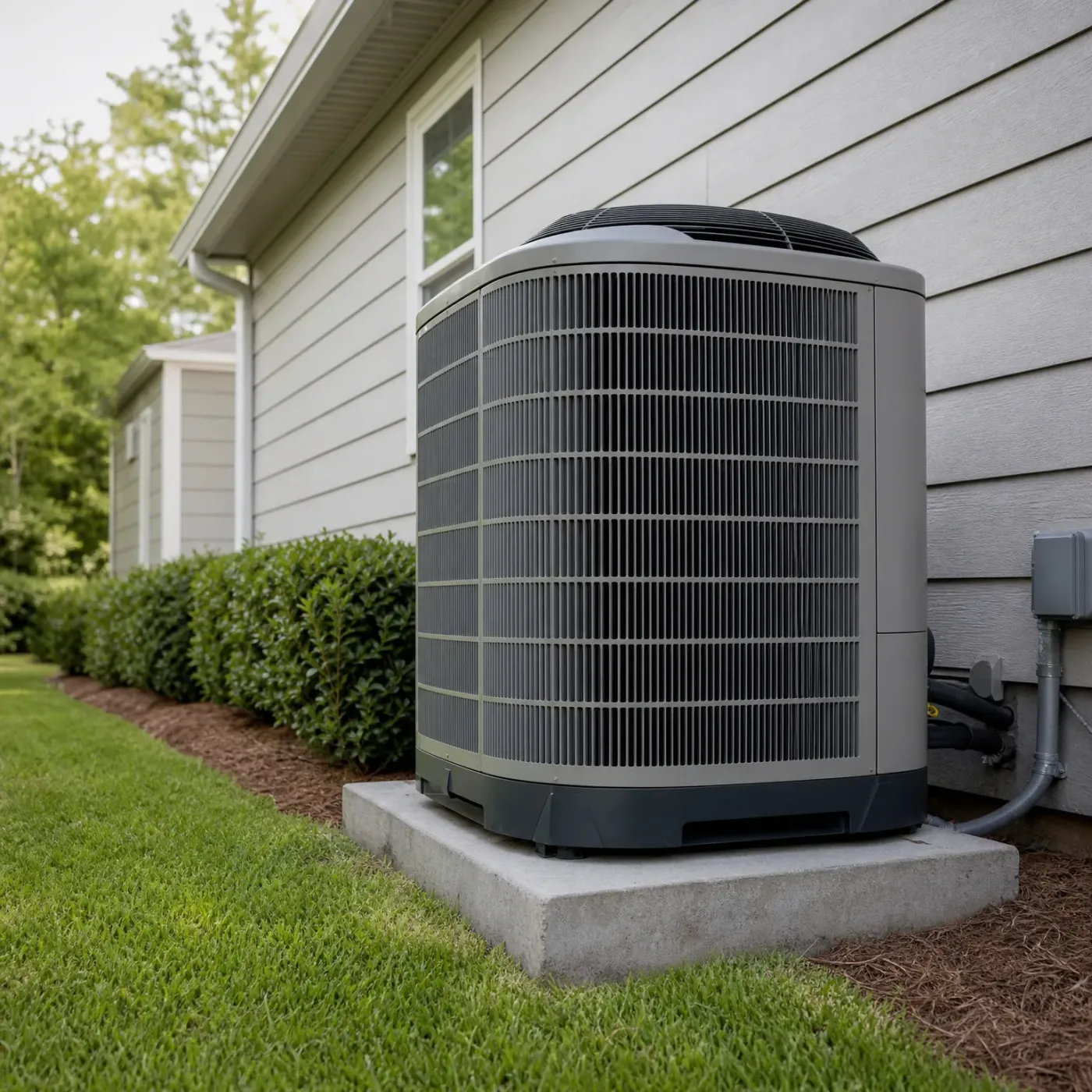
A gray outdoor heat pump unit with a large fan grille sits on a concrete pad beside a house with horizontal lap siding, next to a green shrub, mulch bed, and lawn.

Running clean

A heat pump in good shape sits low on its pad, grilles clear, coil free of grime. It cycles on and off at a steady pace instead of running straight through. In a Wisconsin winter, that's what lets it keep up without leaning on backup heat for every cold snap.

A weathered outdoor condenser unit on a concrete pad beside a house with white horizontal vinyl siding, with refrigerant lines and conduit running to a wall-mounted electrical box.

Running worn

Weathering and grime on the grilles slow the airflow a coil needs to pull heat from cold outdoor air. A unit working that hard against the cold draws more power each month, and it's more likely to need a repair before next winter's over.

An older woman with gray hair in a cream knit sweater sits under a blanket on a sofa by a window, looking outside toward yellow-leaved trees, with a lamp, shelves and an armchair in the room behind her.
A gray-haired woman in a chunky knit sweater sits in an armchair with a blanket, looking out a window at yellow autumn foliage, with bookshelves and a potted plant behind her.
A gray-haired woman in a navy sweater sits in an armchair with a knit blanket beside a window, looking out at yellow autumn foliage, with a dining table and houseplant in the room behind her.
A gray-haired woman in a gray cowl-neck sweater sits in an armchair with a blanket, looking out a dark-framed window toward yellow autumn trees.
An outdoor condenser unit on a concrete pad beside a light-colored lap-sided house, with a trimmed hedge, mulch bed and mowed lawn nearby and an electrical box and conduit on the wall.

A local pro for your heat pump installation

One installer gets your project, so there's no bidding war over it.

A local installer who puts in heat pumps gets your project.

Find a licensed pro

There's no charge for the request.

A gray outdoor condenser unit on a concrete pad beside a white horizontal-siding house, with refrigerant lines and conduit running to a wall-mounted disconnect box, bare soil in front and a green shrub at left.
Clean coil, clear fins, the unit cycles normally even when a January night pushes it hard.
An outdoor air conditioning condenser unit on a concrete pad beside a house with light horizontal siding and a concrete block foundation, with bare soil and small green plants around it.
Grime packed into the fins makes the unit run longer for less heat, right when you need it most.
  1. Refrigerant pulls heat out of cold outdoor air

  2. Compressor squeezes that refrigerant to raise its temperature

  3. Indoor coil releases the heat into air moving through your ducts

  4. Reversing valve flips the cycle to cool your home in summer

Backup furnace or heat pump alone

Gas furnace backup

  • Your furnace fires up once the heat pump can't keep up on its own, usually somewhere in the teens or below depending on the equipment.
  • Gas is the cheaper fuel here, so leaning on the furnace more during the coldest stretches keeps those weeks off your electric bill.
  • The furnace still needs its own yearly service and eventually its own repairs, on top of whatever the heat pump needs.
  • Switching between the two systems depends on a thermostat or control board set up correctly, and that setup is worth checking after any work on either system.
  • You're running two systems instead of one, so there are two things that can need a repair call over the life of the house.

Heat pump alone

  • A cold-climate heat pump is built to keep producing heat well below freezing, not just down to a mild chill.
  • Running it through the whole winter means more hours on the compressor and outdoor coil than a system that only handles summer cooling.
  • Without a furnace backing it up, a heat pump that's losing capacity on a bitter night has nothing else to lean on.
  • Electric rates here make heating with the heat pump alone cost more per degree than burning gas, even with a unit that's running well.
  • The coil and fins still need to stay clear of ice and grime, because that's what decides whether it can keep up when it's single-handedly carrying the house.
A weathered gray outdoor condenser unit on a concrete pad beside a house with horizontal vinyl siding, with conduit, refrigerant lines, and an electrical disconnect box on the wall behind it.
Before you get your heat pump installation
A gray outdoor condenser unit on a concrete pad beside a beige vinyl-sided house, with a wall-mounted disconnect box, flexible conduit, mulch bed, shrubs and a concrete walkway in front.
After you get your heat pump installation

5°F and still running

A cold-climate heat pump keeps pulling heat from outdoor air down into single digits, well past the point older units gave up.

Find a local pro

Two-stage or variable-speed compressor

These ramp output up on the coldest nights instead of just switching on and off, which is what keeps the house warm without leaning on backup heat as often.

Find a local pro
A woman in a grey knit sweater leans back with closed eyes in an armchair beside a window, with a ceramic mug on a round wooden side table and a yellow-leaved tree outside.
An older man with gray hair and a navy knit sweater sits in an armchair with his eyes closed, near a bright window with potted green plants.

Power costs 18.08 cents per kilowatt-hour statewide

At that rate, every hour your furnace covers instead of the heat pump is money kept in your pocket. It's also why a heat pump that's losing efficiency, from a dirty coil or low refrigerant, costs you more here than it would somewhere with cheaper power.

EIA-861 2025 statewide residential average

Where that leaves you

  • A cold-climate heat pump earns its keep in Wisconsin as long as it's sized right and the gas furnace backs it up below the teens.
  • A unit running clean and cycling normally through January is doing what it should; one that runs flat out and still falls short needs a look.
  • The furnace picking up more of the coldest nights than it used to is often the first sign the heat pump isn't performing like it did.
  • A local contractor who services this equipment all winter knows which failures show up first in this climate and what to check before anything else.
  • Matching with one licensed local contractor means one visit, one set of eyes on your specific setup, instead of fielding calls from several companies.
  • The answer holds as long as the equipment is maintained; a neglected unit loses the advantage that made it worth installing here.

A cold-climate heat pump holds up in Wisconsin. It pulls heat out of outdoor air well below freezing, and the gas furnace steps in once things drop into the teens or lower, which is exactly how the pairing is supposed to work. What changes the answer isn't the climate, it's the unit itself. One that cycles normally through January, sits clean, and isn't leaning on the furnace any more than it used to is doing its job. One that runs constantly and still can't keep the house warm is telling you something's off, and it's worth having someone look before another winter passes.

That's where a local contractor matters more than the brand on the unit. Someone who services this equipment through a full Wisconsin winter has seen which parts fail first in this cold and what to rule out before touching anything else. When you get matched, it's with one licensed contractor local to you, not a handful of companies competing for the job. One visit, one person who's looked at your setup and knows what's normal for this climate and what isn't.

None of this holds if the unit gets neglected. A heat pump that isn't maintained loses the edge that made installing it here worthwhile in the first place, and you end up paying for backup heat more often than you should. Kept up, it does what it was installed to do, straight through the coldest months.

Corner of a gray lap-sided house with a white-trimmed grid window, white gutter and downspout, and fallen leaves on the shingled roof, with a wooden fence and yellow autumn trees behind.
Corner of a house with gray lap siding, white trim, a gutter and downspout along the roof edge, and a window at right, with orange autumn foliage and shrubs in the background.
Corner of a light stucco house with a white double-hung window, dark gutter and downspout, and tile roof edge, above a mulched bed of small green shrubs beside a lawn.
Corner of a house with white horizontal siding, white gutter and downspout, and a gray shingled roof with scattered leaves, beside a rounded green shrub and autumn-colored foliage.
Corner of a house with beige lap siding, white trim, a white downspout and a shingled roof, with hydrangea shrubs below and golden autumn trees in the background.

A pro who works on heat pumps

Only one pro gets your request, so you hear from one company.

Get a licensed local pro

Asking costs nothing, and the choice to hire stays yours.