Profile view of a bearded man wearing a dark baseball cap and a dark gray T-shirt against a plain off-white background.

Is a heat pump cheaper to run than gas heat in Wisconsin

New system or replacementHeat PumpWisconsin
Step 1 of 2

What ZIP code is the job in?

Is a heat pump cheaper to run than gas heat in Wisconsin?

You already have a heat pump, and you're watching your gas-heating neighbors and wondering if you made the right call, or if you're about to get a bill that proves otherwise. Wisconsin winters push any heat pump hard, and electric rates here aren't cheap either, so the math isn't as simple as it would be somewhere milder.

Usually not, once it gets cold enough

A heat pump moves heat instead of burning fuel to make it, so on a mild day it can cost less to run than a gas furnace. But as the temperature drops, a heat pump has to work harder to pull warmth out of the outside air, and it draws more electricity to do it. Wisconsin gets plenty of days below freezing, and electricity here runs expensive, so on those days gas heat is usually the cheaper option. Most homes in the state already heat with gas for this reason. A heat pump still earns its keep in spring and fall, and it covers summer cooling too. Whether it's worth having alongside gas, or on its own, comes down to how your system is set up and how low temperatures get where you live.

A gray outdoor condenser unit on a concrete pad beside a house with horizontal lap siding, connected by conduit and lines to a wall-mounted disconnect box, with a shrub and gravel bed to the left.

Running clean

A heat pump that's sized right and keeps its coil clear moves heat efficiently even when the air outside is cold. It won't beat gas on every single-digit night, but most hours of a Wisconsin winter aren't that cold, and this is where it earns its keep.

An outdoor air conditioner condenser unit on a concrete pad beside a house with horizontal lap siding, with refrigerant lines and a gray electrical disconnect box on the wall, surrounded by bare dirt.

Running dirty

A coil packed with dirt and debris can't pull heat from the outside air the way it should. The unit runs longer to do the same job, which shows up as higher electric bills and less warmth for the money, especially once temperatures drop.

Why does your heat pump bill jump in January

You'll notice it on the coldest stretches, the unit running almost constantly and the air coming out of the vents feeling cooler than you'd like. That's the backup heat strip kicking in to cover what the heat pump can't pull from the outside air, and it draws a lot more power than the compressor does on its own. If the outdoor coil is caked in frost and not defrosting properly, or the system was sized for a milder climate than Wisconsin gives you, that backup heat runs longer than it should. Left alone, that shows up as a power bill that doesn't match what you expected when you chose the heat pump over gas.

A gray outdoor condenser unit on a concrete pad beside a light-colored lap-sided house, with a wall-mounted disconnect box, refrigerant lines, mulch bed and shrubs, and a concrete walkway in the foreground.

Working as it should

A clean coil and a sized-right system pull heat from outside air without much strain on your power bill. The disconnect box and refrigerant lines sit exposed to the weather year-round, so they need to stay clear for the unit to run the way it's supposed to.

An outdoor air conditioner condenser unit with rust spots on its top grille sits on a concrete pad beside a house with light horizontal siding, with conduit lines and an electrical box on the wall and a mulch bed to the right.

Losing ground

Rust on the fan grille and dirt packed around the base mean the coil can't move heat the way it used to. A heat pump working this hard leans on backup heat more often, and that's the part of your bill that can end up costing more than gas.

A woman stands in the open black front door of a white-sided house with a dark shingled roof while a man in a navy jacket approaches along the walkway, with lantern wall lights, a potted shrub, and flowering garden beds nearby.

How the system decides between heat pump and backup heat

A heat pump doesn't just turn on and run at one speed. A thermostat set up for dual fuel or heat pump with strip backup watches the gap between the set temperature and the room temperature. Widen that gap, by setting the temperature back overnight or leaving a door open, and the thermostat calls for backup heat to close it faster. That backup draws power straight off the grid, no refrigerant cycle involved, which is why it costs more to run per hour than the compressor alone.

This is also where sizing and setup matter more than people expect. A system matched to your house and set to lean on the compressor longer before calling backup will cost less to run than an identical unit set to jump to backup too soon. That's a setup decision, not just a hardware one, and it's worth having someone look at your thermostat settings against your actual house rather than guessing. A contractor who knows Wisconsin installs can check whether yours is tuned to use backup more than it needs to.

A wooden table holding a stone vase with a bare branch, two stacked books and a small dark bowl, beside a window with green foliage outside and a sofa in the dim background.
An older man with gray hair and a beard, wearing a dark coat dusted with snow, stands smiling in a doorway of a warmly lit home with a sofa, lamp and window visible behind him.
An older man with grey hair and a beard, wearing a dark coat dusted with snow, stands in a dimly lit entryway with a ceiling lamp, a side table with two shaded lamps, and a lit fireplace visible in a room beyond.
A bearded older man in a dark snow-dusted coat and scarf stands just inside a home's front door, with a lamp-lit room and snowy window visible behind him.
An older man with gray hair and a beard stands in a doorway of a home, wearing a dark coat dusted with snow, with a lit fireplace and lamp visible in the blurred room behind him.

Heat Pump or Gas: Where the Cost Falls

Heat pump

  • Pulls heat from outside air at a steady, lower cost per hour than gas on most days from fall through spring.
  • Loses ground when the temperature drops into the single digits and leans on backup heat strips to keep up.
  • Backup strips run on the same expensive electricity as the rest of the house, so a long cold snap shows up on the bill.
  • Needs the right size for your house and a clear outdoor coil to hold its efficiency through the winter.
  • Costs nothing extra to run in the summer beyond normal cooling, since it's the same system doing both jobs.

Gas furnace

  • Burns gas, which in Wisconsin tends to cost less per unit of heat than the electricity a heat pump's backup strips use.
  • Holds its output steady no matter how cold it gets outside, so single-digit nights don't change how it performs.
  • Most homes here already heat with gas, so a furnace isn't adding anything new to the house to maintain.
  • Doesn't do any cooling on its own, so a home with a furnace still needs a separate air conditioner for summer.
  • Running cost depends on the local gas rate, which moves independently of the electric rate a heat pump depends on.
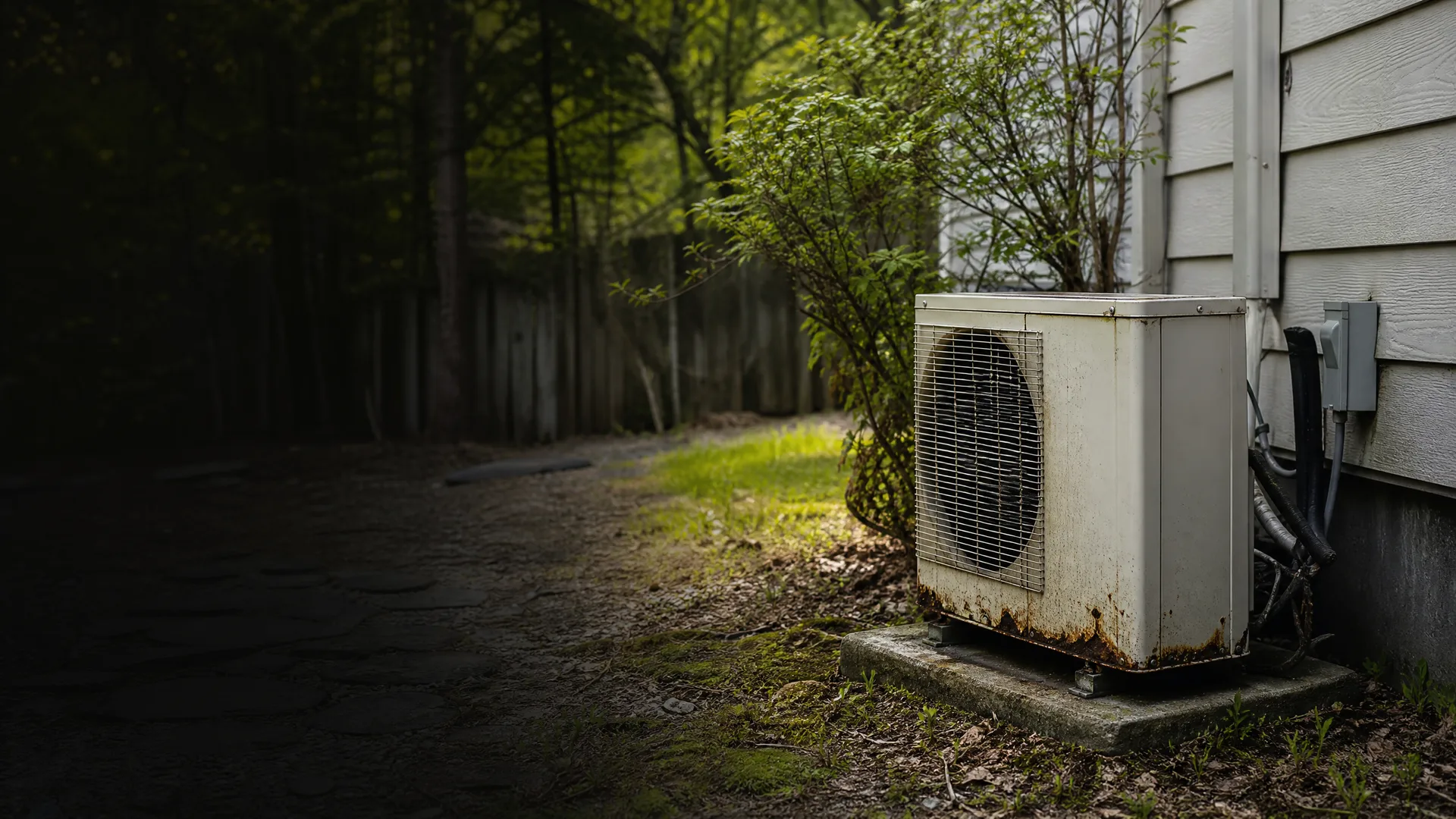
A weathered, rust-streaked outdoor heat pump unit on a concrete pad beside a house with horizontal siding, with shrubs, moss and a dim wooded yard and fence to the left.

You're out by the side yard in April, coiling up the hose before you put it away for the season, and you catch sight of the unit sitting there against the house. Rust has crept along the base, a thin orange line where the metal meets the pad. The snow's been gone a few weeks now. You crouch down to look closer, run a finger along the rusted edge, and wonder how much longer it's got in it. It got you through another Wisconsin winter, strip heat and all, but it's not getting any younger. You think about the gas furnace next door and whether this is the year you finally call someone about what's out here before it decides for you.


The right pro for this job

One form replaces the calls you'd make to find a heat pump pro.

No fee to send it, and nothing to sign.

What a defrost cycle actually does

  • A defrost cycle reverses the system briefly to melt frost off the outdoor coil, then switches back to heating.
  • You'll see steam rising off the outdoor unit during defrost, which is normal and not a malfunction.
  • The outdoor fan stops during defrost while the compressor keeps running, so the unit sounds different for a few minutes.
  • Backup heat often kicks in during defrost to keep the air from your vents feeling cold while the system switches modes.
  • A heat pump with a dirty outdoor coil defrosts more often, which adds to your power bill without you noticing why.
  • Defrost cycles run more frequently on damp, near-freezing days than on dry, colder ones.

Frost builds up on the outdoor coil whenever the air outside is cold and damp enough, which in Wisconsin is a lot of fall and spring days, not just the deep cold snaps. When that frost gets thick enough, the system reverses itself for a few minutes, sending hot refrigerant to the outdoor coil to melt it off before switching back to heating your house. You don't need to do anything when this happens. The steam you might see coming off the unit is just that frost melting, not smoke and not a sign something's wrong. During those few minutes the outdoor fan shuts off but the compressor keeps working, so the unit will sound different, quieter outside, maybe a hum instead of the usual fan noise. Because the system isn't pulling heat from outside during defrost, backup heat often steps in briefly so the air coming out of your vents doesn't go cold on you. All of this is normal and built into how a heat pump handles Wisconsin weather. What's worth watching is how often it happens. A coil that's dirty or blocked by yard debris holds onto frost longer and triggers defrost more often than it should, and each extra cycle leans on backup heat for those few minutes. You won't see it as one big jump, just a bill that runs a little higher than it should for how your system is actually sized to perform.

Power costs 18.08 cents per kilowatt-hour statewide

At that rate, every hour your backup strips run costs real money, since they heat with plain electric resistance instead of pulling heat from outside air. The lower your power bill stays depends on how much your heat pump covers on its own versus how often it hands off to those strips.

EIA-861 2025 statewide residential average

A woman wrapped in a thick cream knit blanket sits in an armchair beside a lit table lamp, with an open book in the foreground and a frost-covered window behind her.
A bearded man in a plaid flannel shirt sits indoors looking out a window at snow-covered trees, with a steaming mug on the sill and wooden kitchen shelves behind him.
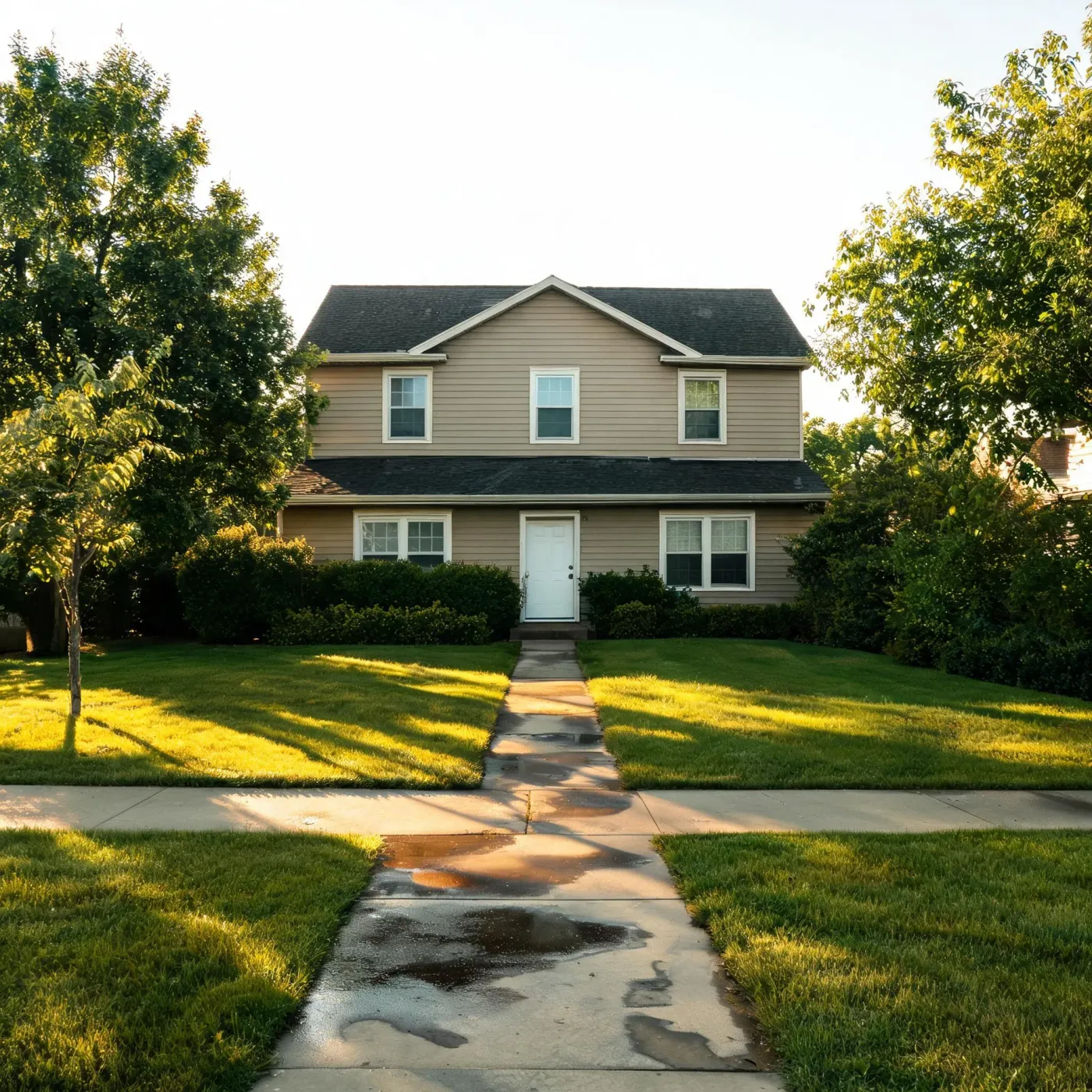
A two-story house with tan horizontal siding and a dark shingled roof, fronted by a mowed lawn, trimmed shrubs, leafy trees on both sides, and a concrete walkway leading from a wet sidewalk to the white front door.

That same heat pump cools your house all summer, and Wisconsin's summer air carries more moisture than the temperature alone suggests. Averaged across June, July and August, the dew point here runs 60°F, enough to feel sticky even on a day that isn't especially hot. Pulling that moisture out is part of what your heat pump does every time it runs in cooling mode, alongside dropping the temperature. On the muggiest days you'll notice the system cycling longer to keep the house feeling dry, not just cool. A unit that's sized right handles both jobs without running constantly.

NASA POWER T2MDEW county cells weighted by homes

A light gray outdoor heat pump unit mounted on a concrete pad beside a house with horizontal lap siding, with refrigerant lines and conduit running to a wall-mounted electrical box, gravel and a leafy shrub nearby.
A clear coil pulls heat from outside air without extra strain, keeping your power bill closer to what a heat pump should cost to run.
An outdoor air conditioner condenser unit on a concrete pad beside a house with horizontal siding, with conduit, cables and an electrical box on the wall and mulch beds at either side.
Dust and grime on the coil make the unit work harder for the same heat, and that extra draw shows up on your bill before you see the dirt.

A heat pump in Wisconsin costs less to run than gas on most days, and more on the coldest ones, and the answer to the question depends on how well yours handles that split. A clean coil, the right size for your house, and backup strips that only kick in when they're needed, that's what keeps your power bill close to what it should be. A neglected one leans on electric resistance heat more than it has to, and you pay for that every January. Finding someone who knows dual fuel systems and heat pump setups specifically, rather than a general HVAC call, usually means phone calls to a handful of contractors, explaining your setup each time, and sorting through quotes that aren't quite comparing the same work. You can skip that part. Answer a few questions about your system and your house, and a contractor who works on heat pumps in your area will reach out to you directly.

Corner of a house with cream horizontal lap siding and tree shadows, beside a covered porch with a square column, wooden deck, steps, white balusters, and a shrub at right.
Corner of a white clapboard house with a multi-pane wood window in warm low-angle sunlight, with hydrangea shrubs and other green foliage growing along the base and dark trees behind.
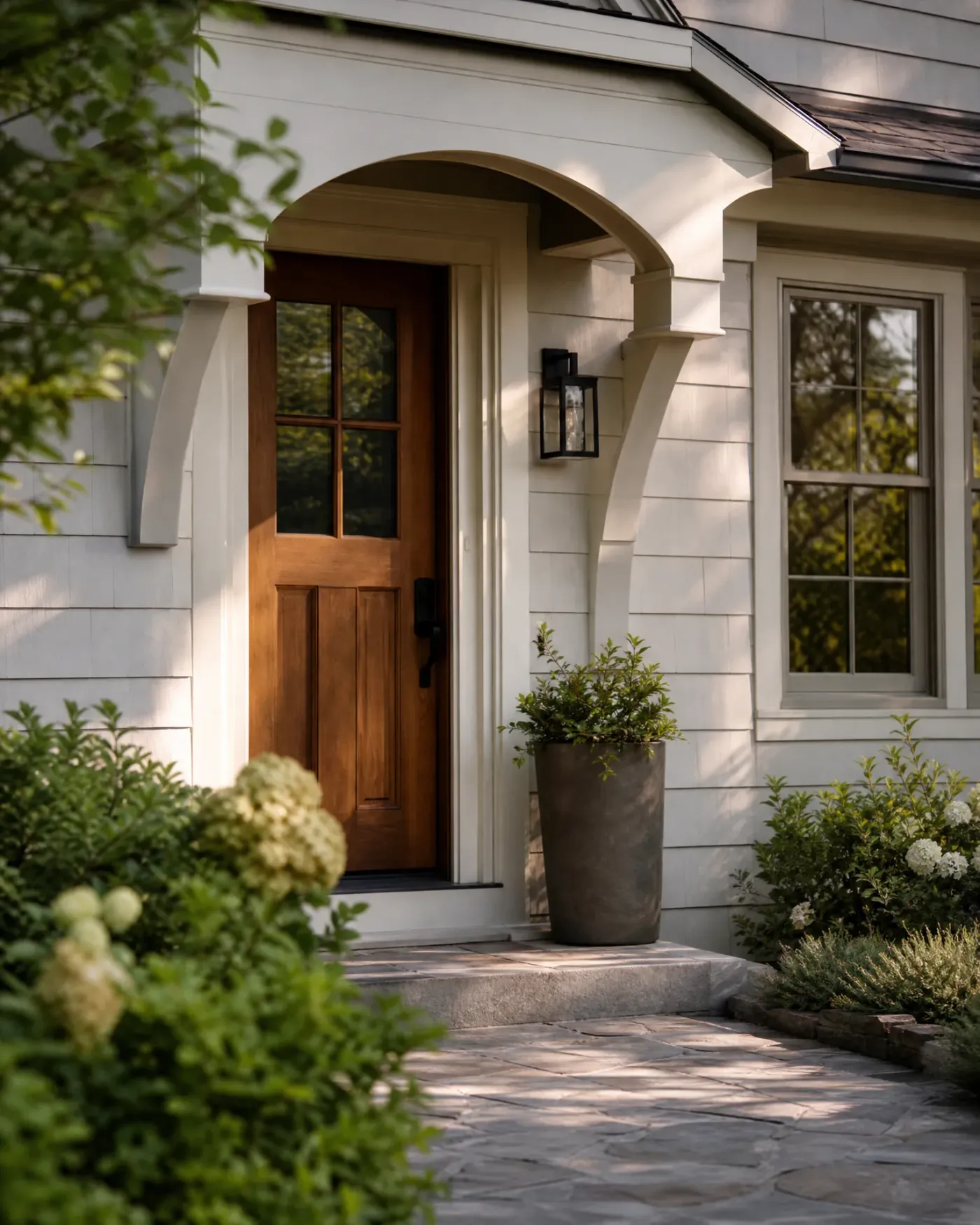
A wooden front door with divided-light glass panes set under an arched entry on a white shingled house, with a black wall lantern, a tall gray planter, flowering shrubs, and a flagstone walkway.
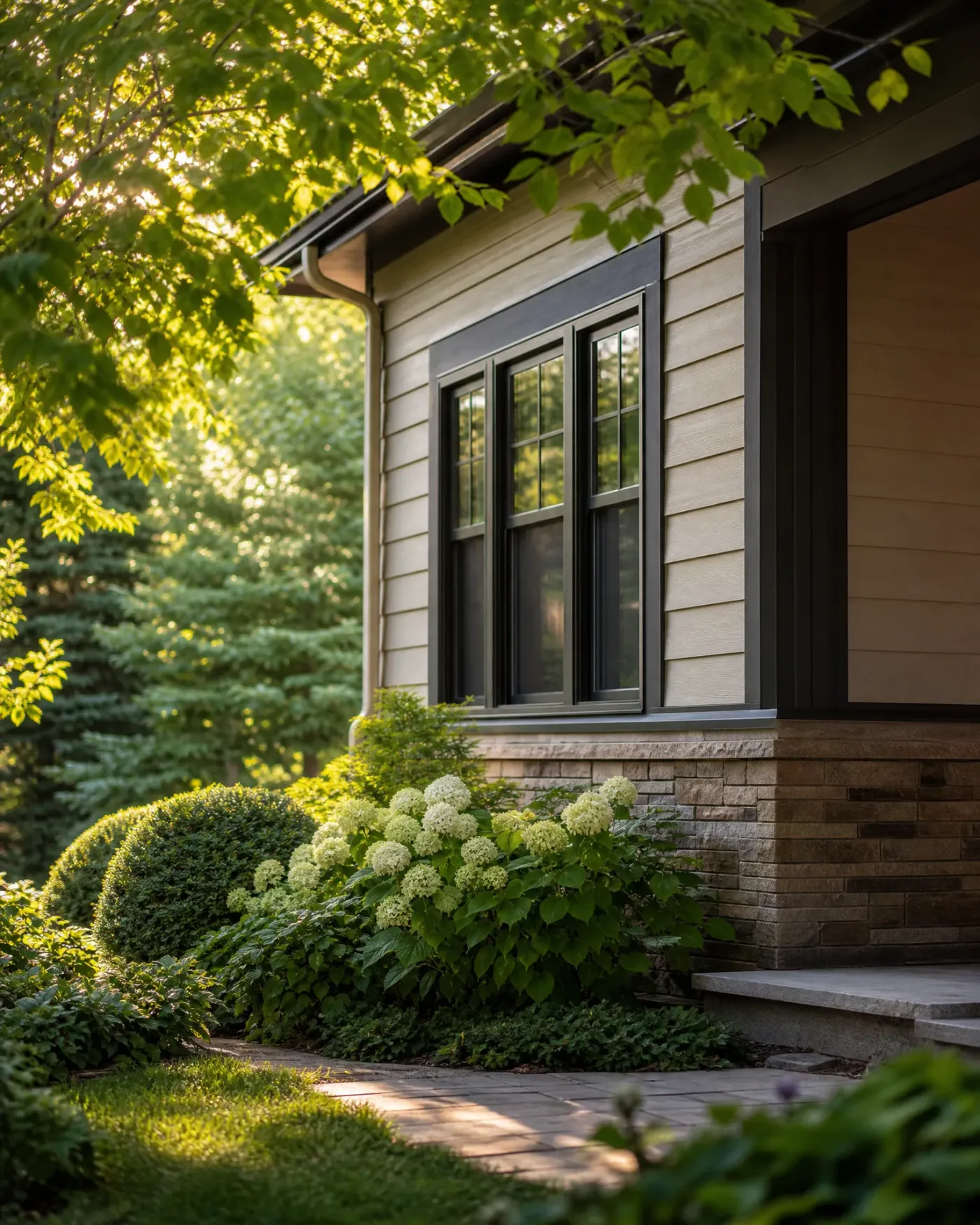
Exterior corner of a house with cream horizontal siding, a dark-framed three-section window, and a stone veneer foundation, with white hydrangeas and clipped shrubs along a paved walkway and tree branches overhead.
Corner of a white-clad house with a dark-framed grid window, dark downspout and eaves, surrounded by trimmed hedges, shrubs, white hydrangeas and a leafy tree in sunlight.

Matched to your heat pump job

Skip the round of in-home estimates for a new heat pump.

Answer a few questions

Sending the form costs nothing.