
How long an AC unit lasts in Milwaukee, WI
How long does an AC unit last in Milwaukee?
Your AC has been running fine, or maybe it's starting to act up, and you want to know whether you're looking at a repair or whether it's time to start thinking about a new unit. In Milwaukee, the summers are muggy enough that the system gets real work for months at a time, and you want to know how much life is actually left in it before you commit to fixing it again.
About 12 to 15 years
Most central air conditioners in Milwaukee hold up for 12 to 15 years. Milwaukee summers run humid from roughly June through September, and that humidity makes the compressor and the fan motor work harder than they would in a drier climate, which wears them down faster than the number on the box might suggest. A unit that's 15 years old and needing a second or third repair in as many summers is usually past the point where fixing it makes sense. One running fine at 10 years, with normal upkeep, still has good years left in it. Age alone isn't the whole story, but once a system passes that mark, a breakdown in the middle of a hot stretch is a real possibility worth planning for.
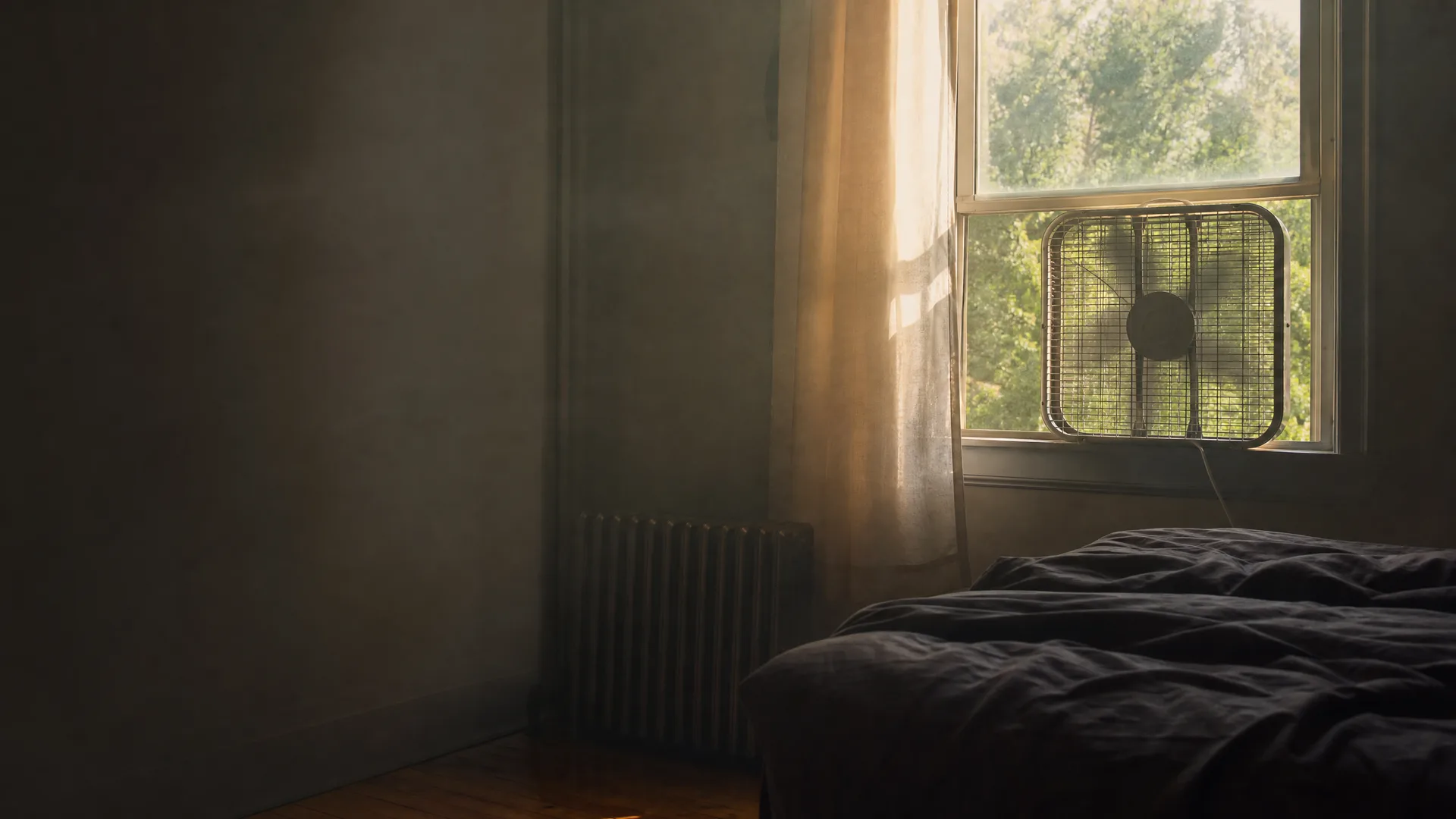
The box fan has been running since you got home from work, pushing the same hot air around the room. It's past eight and still warm enough that the kids are sweating through their pajamas. You bought the fan three summers ago when the AC started falling behind on the worst days, and tonight is one of those days. Downstairs the thermostat says seventy-four, but up here, where the heat settles after sitting in the sun all afternoon, it feels like eighty-two. You've opened the window anyway, hoping for a breeze off the lake that never shows up. Milwaukee summers only last a few months, but this one has you wondering how many more of them this unit has left in it.
Why does your AC run longer and still not keep up
You notice the unit cycling on more than it used to, sometimes running most of the afternoon without the house actually cooling down. The air coming out of the vents feels less cold than it did a couple summers ago. You might hear it clicking or struggling to start, or notice ice on the line outside on a day that's ninety degrees. The electric bill creeps up even though you haven't changed how you use it. None of this means it's done. It means it's working harder to do less, and on a muggy July night that gap between what it's doing and what your house needs is what keeps a bedroom warm past midnight. Left alone, it's usually the compressor that gives out next, and that's the expensive part to lose.




No calling every shop in Milwaukee County

A licensed installer who works in Milwaukee County gets your project.
There's no charge for the request.
A compressor built to last 15 years doesn't suddenly fail the day it turns 15. It wears down a little more each summer it runs, and in Milwaukee that's roughly May through September.
Once a unit is past that age, a breakdown in July means a decision made under pressure, with the house already hot and a contractor already on the way.


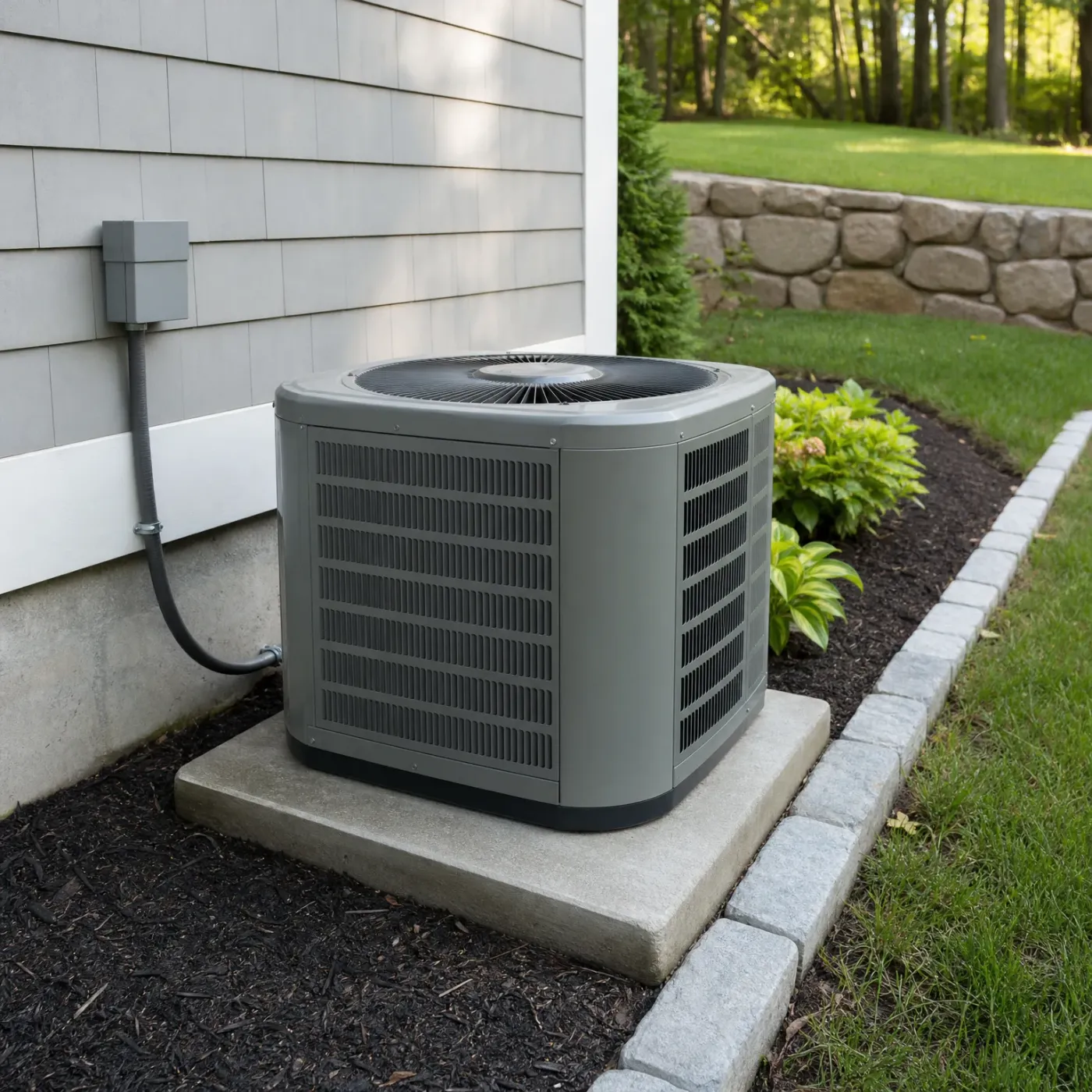
A central air conditioner cools by moving refrigerant through a cycle, not by making cold air out of nothing. The compressor, sitting in the outdoor unit, squeezes the refrigerant gas and raises its pressure and temperature. That hot gas moves through the outdoor coil, where the fan on top pulls air across it and sheds heat outside. The refrigerant cools and turns liquid, then travels inside to the evaporator coil, usually mounted above your furnace. Air from your ductwork passes over that coil, and the refrigerant pulls heat out of it before the blower pushes the cooled air back through the vents. The refrigerant, now warmed again, heads back outside and the cycle repeats. Every part in that loop, the compressor, the two coils, the fan motor, wears a little with each cycle. In a Milwaukee summer the system might run that loop for hours at a stretch on the hottest afternoons, and it's usually the compressor or a coil that gives out first, long before the sheet metal cabinet does.


Cooling runs June through August
Three months of real work a year isn't much time to wear out a unit, which is why a lot of Milwaukee AC units make it close to that 15 year mark. But those three months, June through August, are also when a weak or aging unit gets exposed, since that's the only stretch it has to prove it can keep up.
NOAA nClimDiv 1991-2020
Where your AC stands now
- Most AC units in Milwaukee run 12 to 15 years before the compressor or coil gives out for good.
- The three summer months of real work matter more to a unit's lifespan than its age in years.
- Once a unit passes 15, a breakdown in July is usually a sign to replace rather than repair.
- A local contractor who services this equipment every summer knows which parts tend to fail first in units this age.
- Working with one licensed local contractor means a single point of contact instead of several companies calling back.
- Knowing where your unit stands lets you plan a replacement on your own schedule instead of during a July breakdown.
Twelve to fifteen years is what most Milwaukee homeowners get out of a central air conditioner, and the summers here, not the calendar, are what wears a unit down. June through August is when the compressor and coil do their real work, and a unit that's made it past 15 summers has earned its age. If yours is getting close to that mark, or past it, a breakdown on a hot afternoon isn't bad luck. It's the unit telling you what the math already showed.
That's worth knowing before the moment comes, not during it. A unit that fails in July puts you in a position to say yes to whatever you're quoted, because the house is hot and someone is waiting for an answer. Knowing roughly where your unit stands means you can get ahead of that, get quotes, compare them, and schedule the work on a week that works for you instead of the week your AC picked.
When you do request help through this page, it goes to one licensed contractor local to Milwaukee, not a handful of companies competing for the job. Someone who installs and services AC units in this area every summer has seen plenty of units at the 12 to 15 year mark and knows what usually goes first on equipment that age. That's a different conversation than starting from scratch with a company that's never seen a Milwaukee attic in August.
No quotes to chase
A licensed pro who works in Milwaukee County gets your request.
You only hire the pro if you want to.