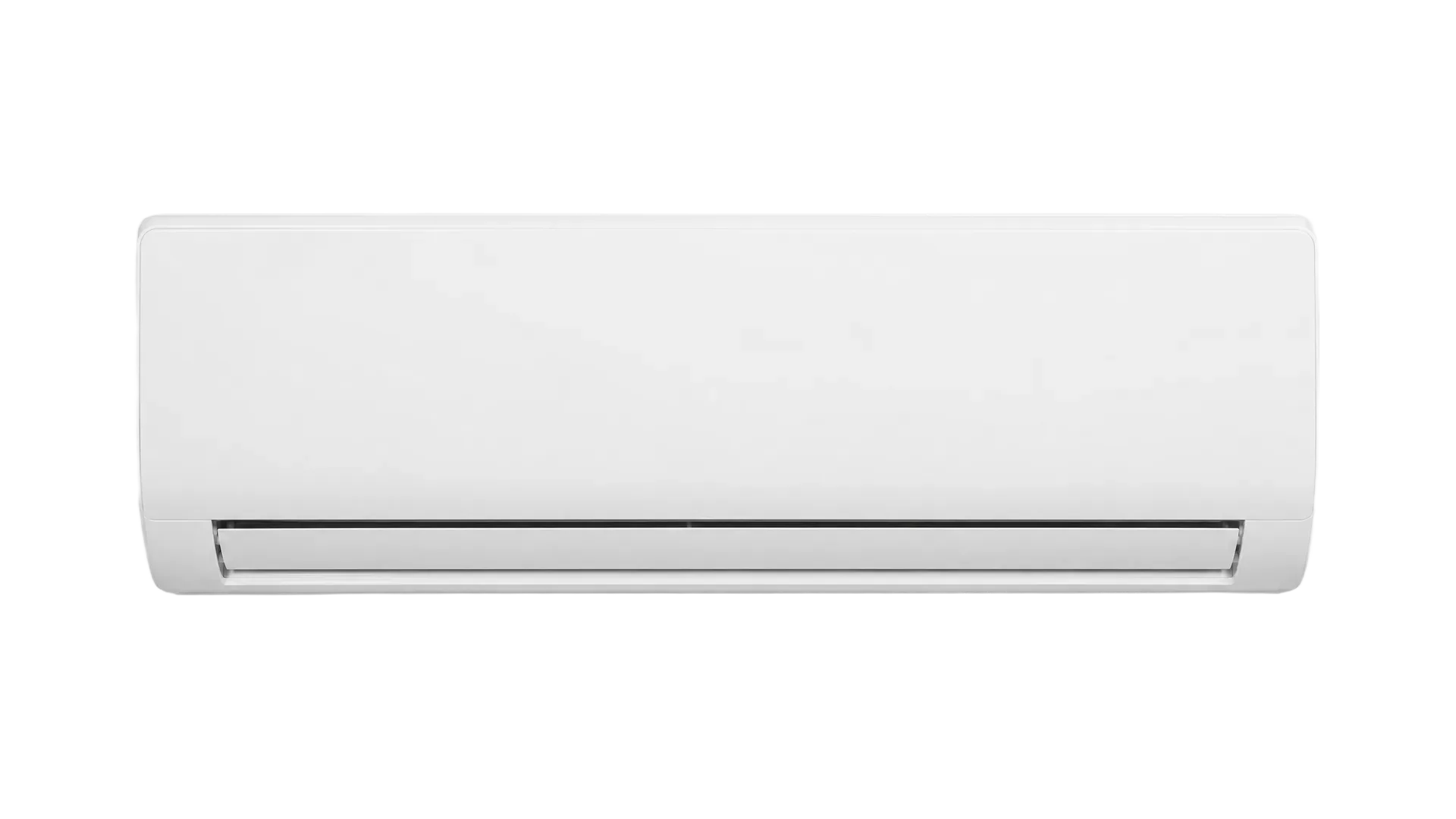
Low charge, slow freeze
A refrigerant leak drops pressure and coil temperature, so frost builds a little more each day. By the time ice is obvious, the system has been struggling for a while.
A mini split freezes up when warm, moist air keeps meeting a coil that's too cold to shed it, so the moisture turns to frost instead of draining away. Wisconsin winters push the outdoor unit into exactly that bind: when the air outside is cold enough, the coil can drop below freezing and start icing over, especially if the system is low on refrigerant or the outdoor coil is caked with snow or debris. In summer the indoor coil freezes for a different reason, usually a dirty filter or weak airflow that stops warm house air from reaching it, or a refrigerant leak that drops the coil's temperature too low. Either way, once ice forms, the unit stops moving heat the way it should, and running it longer only builds more ice. A frozen coil needs the system looked at, not just time to thaw, because the cause doesn't go away on its own.


A refrigerant leak drops pressure and coil temperature, so frost builds a little more each day. By the time ice is obvious, the system has been struggling for a while.
A dirty filter cuts airflow across the coil until it can't absorb heat fast enough. The coil drops below freezing and frost forms, even on a mild day.




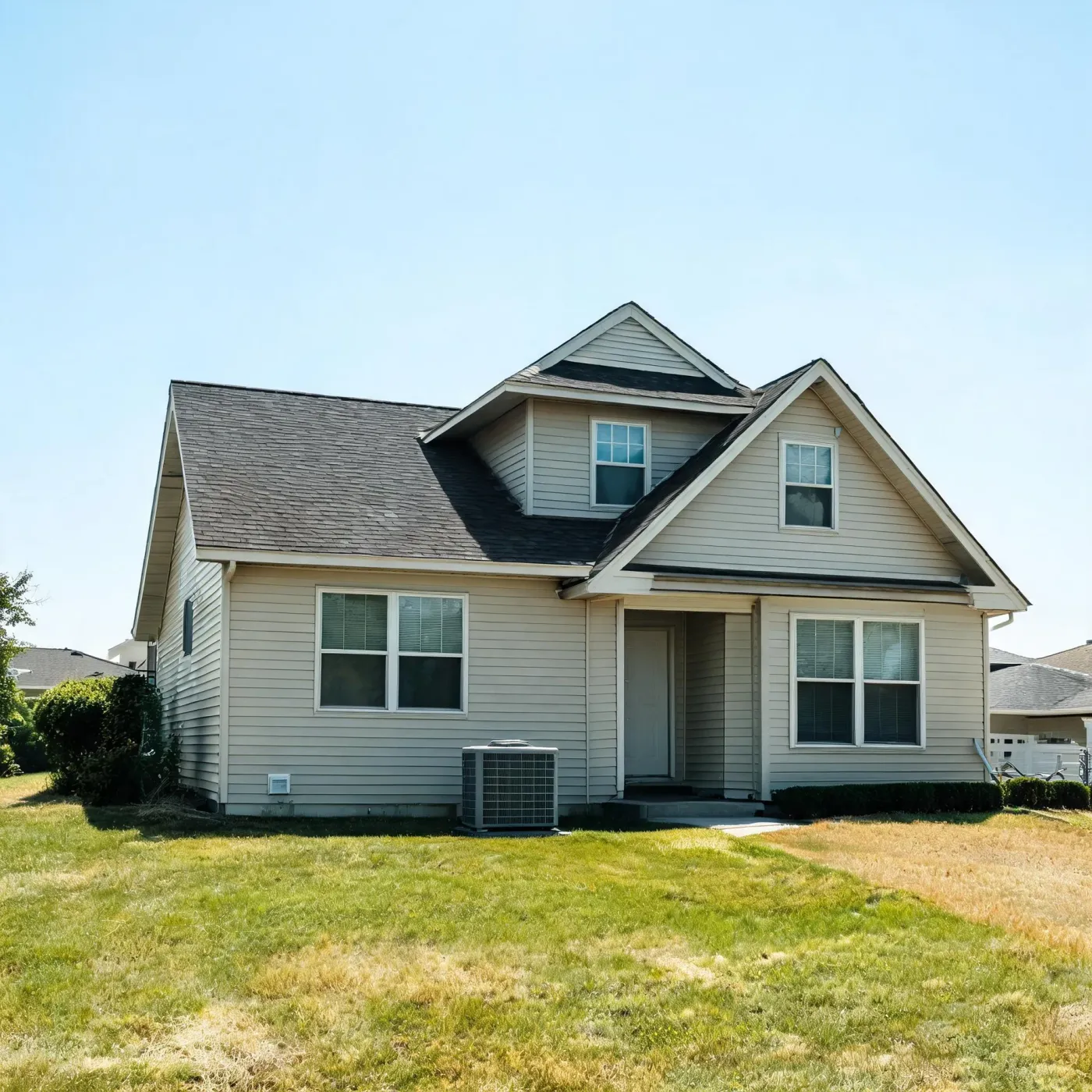
In winter the outdoor unit does the freezing. Cold air, a struggling defrost cycle, or a unit buried in snow all push frost onto the outdoor coil, and if the system can't clear it between cycles, ice builds up and the unit loses its ability to move heat at all. This is mostly a mechanical problem: a defrost sensor not telling the system to switch modes, or a fan that can't pull enough air through an iced-over coil. Wisconsin winters make this the more common failure, since the outdoor unit sits in the cold doing the opposite job of what most people picture a mini split doing.
In summer the freeze shows up on the indoor coil instead. Sticky air across a coil that's starved of airflow or low on refrigerant drops the coil's surface temperature below freezing, and ice forms on the indoor unit rather than the one outside. A clogged filter or a weak charge are the usual reasons. The fix looks different too: clearing the airflow path or finding a leak, not defrosting a cycle. If your mini split ices up on the unit inside the house during a humid stretch, the cause and the repair aren't the same as a winter freeze on the outdoor unit, even though both show up as ice.
At just over 18 cents a kilowatt-hour, a mini split icing up and running its compressor harder to fight through frost shows up fast on your bill. A unit that can't shed ice efficiently is one worth getting looked at before another cold stretch hits.
EIA-861 2025 statewide residential average
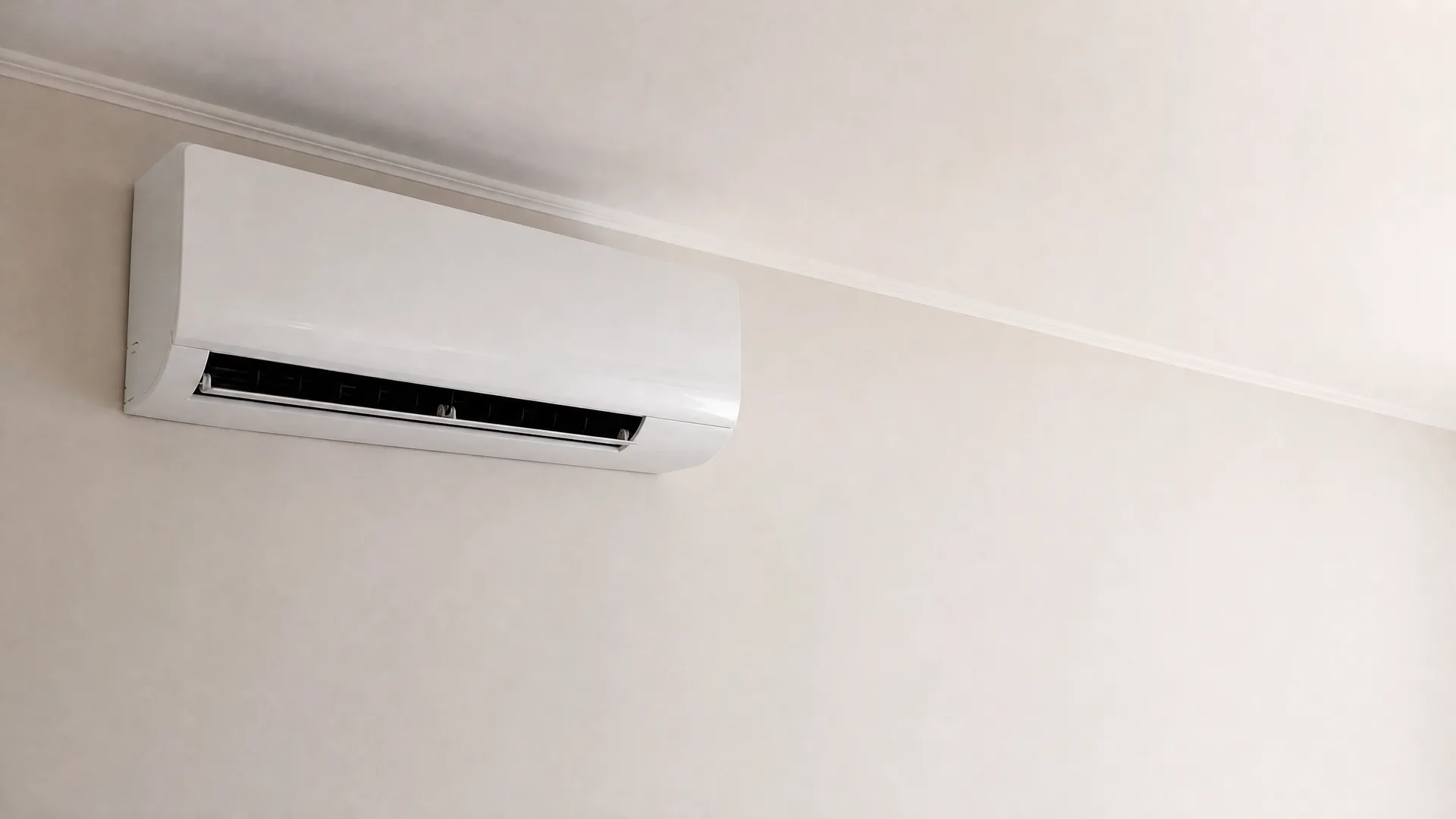
With gas heat backing up most of the house, the mini split is usually working one room, a converted attic, a sunroom, somewhere the furnace doesn't reach as well. When it ices over, that room goes cold first, and you notice it in the space itself before you notice it anywhere else. The air coming out turns weak, then stops warming at all, and the people using that room are the ones who feel it.
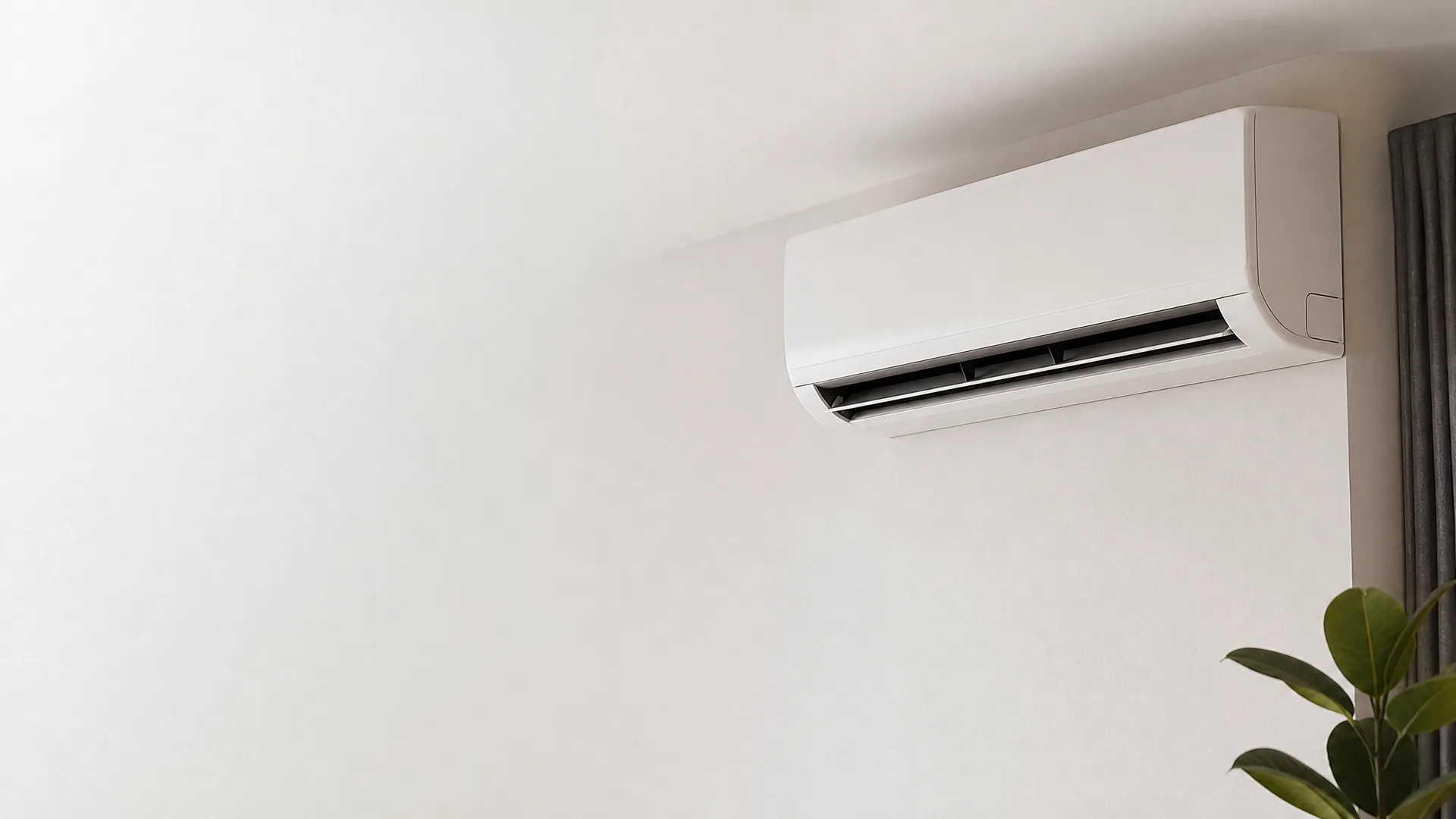
A frozen coil doesn't shut the system off. The compressor keeps trying to push through ice that's blocking airflow and killing efficiency, and it draws more power to do less heating. Left alone over a few days, that's a system working against itself on every cycle. Shutting it down to let the ice melt on its own costs you the room's heat in the meantime, and running it through the freeze costs you on the meter instead.
You've seen the outdoor unit kick into a different sound in the middle of winter, almost like it shuts off, and you want to know if that's the system fighting ice or just doing what it's supposed to do. It's a fair question, because the same unit that's supposed to prevent frost is also the one that sometimes can't keep up with it.
A mini split checks its outdoor coil temperature on its own, and when it senses frost forming, it reverses the refrigerant cycle for a few minutes, sending heat outside instead of in. That's why the indoor fan often pauses or the unit seems to idle. It's melting the coil clean before frost turns to ice. In a Wisconsin winter, this can happen several times a day when temperatures sit near freezing with damp air, since that's the range where frost forms fastest. The cycle is supposed to end on its own once the coil is clear. If it runs long, runs constantly, or the outdoor unit stays coated in ice afterward, defrost mode isn't keeping up with the conditions.


Summer dew points here average 60°F across June, July and August, per NOAA climate data for Wisconsin. That's heavy, sticky air, the kind that clings to skin and fogs a cold glass. Your mini split has to pull a lot of that moisture out of the room before it can even start cooling it down, and the indoor coil runs wetter and colder for longer stretches because of it. That same coil is what ices over when something else goes wrong, a dirty filter, low airflow, a refrigerant leak. The wetter the air it's handling, the faster frost builds once a problem starts. If yours is icing up this summer, a local contractor who services mini splits through weather like this will know which of those failures is most likely before they even open the unit.
NASA POWER T2MDEW county cells weighted by homes
The pro who reaches out is licensed in Wisconsin.
No charge to send it. You decide if you hire them.
Let a frozen mini split sit and run on its own schedule, and ice keeps building because nothing's forcing the coil to clear or the drain to stay open.
Have a local contractor who works on these units every winter look at it, and the cause gets found: a stuck defrost board, a low charge, a filter that's choking airflow.



Air moves out across the room without a sound from the wall unit. The casing stays white, the vents stay open and clear, and the coil behind them never gets cold enough to hold onto frost.

The casing has gone dusty and gray, and dust like that holds moisture against the coil underneath. Once frost gets a foothold there, the unit keeps losing ground instead of cooling or heating the room.
Maybe the wall unit is running but the room never quite gets warm, or a hiss and drip start once it shuts off as the ice melts onto the floor or the wall behind it. You might see frost through the vents, or water pooling under the indoor unit that has nowhere else to go. Outside, the unit looks packed in white even where snow hasn't fallen in days. None of that clears on its own. Left alone, the ice keeps the room it's meant to heat the coldest spot in the house, and the water finding its way out can mean a stained wall or a soft spot in the floor before anyone notices why.

You've been at the desk since lunch, trying to get through a stack of work before the kids are home. The mini split on the wall has been running the whole time, and the room finally hit that point where the air feels thick instead of cool. Then you see it: a dark streak creeping down the wall below the unit, the paint gone dull where the water's been sitting. You grab the towel from the hall closet and drop it under the drip line, and it's already soaked through by the time you check it again. Outside, the afternoon sits heavy and sticky, same as it's been for weeks.

Wisconsin winters put a real strain on the outdoor coil, and a mini split that can't shed frost between cycles will keep losing ground until someone opens it up and finds what's actually wrong. That might be a weak defrost cycle, a dirty filter cutting off airflow, or refrigerant that's been slipping out for weeks. You won't know which until it's looked at, and by then the room it heats has probably gone cold more than once.
A contractor who services mini splits all winter in your area has likely seen this exact unit freeze up before, maybe even this exact model. Getting matched with someone local who works on this equipment every season means one person looking at your situation, not a handful of companies calling about a job you described once. They'll know what tends to fail first in a Wisconsin winter and where to check first.


A local pro for your mini split repair