Why your AC smells musty in sticky Wisconsin summers
Describe your air conditioner job once, to one pro.
A musty smell from your AC usually means moisture sitting somewhere it shouldn't, in the ductwork, on the evaporator coil, or in the drain pan. Wisconsin summers run sticky enough that the air handler is fighting humidity most days, and when something in that system isn't draining or drying the way it should, mold and mildew get a head start. Gas heat in the winter doesn't touch this. It's a summer problem, tied to how your cooling system handles the moisture it's pulling out of the air.
Figuring out which part of the system is holding the moisture takes someone who actually opens it up and looks. That's not a quick guess over the phone. You could spend an evening searching for AC contractors near you, calling a few, describing the smell to each one, then waiting on quotes to see who seems like they know what they're talking about. Most of that time goes to sorting out who's worth calling back, not to fixing anything.
This page connects you with one licensed contractor local to Wisconsin, someone who deals with this exact kind of humidity problem every summer and knows where it tends to start. You explain the smell once, to the person who's going to look at the system, not to a handful of companies first. No flood of calls from competing businesses, no quotes to weigh against each other. Just the one contractor who takes a look, tells you what's holding the moisture, and gets it corrected.
Below is what usually causes the smell and what tends to need attention first. Read through it, then use the button to get a contractor out to your place.
Why does my AC smell musty in the summer?
You turn on the AC and that damp basement smell comes right through the vents. It's not strong enough to seem like an emergency, but it's not nothing either, and it keeps coming back every time the system runs. You want to know if this is mold, if it's dangerous, and what's actually causing it.
Mold or mildew is growing somewhere the air passes over
That smell is mold or mildew growing on a wet surface inside the system, usually the evaporator coil or the inside of the ductwork near the air handler. Wisconsin's humidity gives it everything it needs. The coil runs cold and wet for hours at a stretch all summer, and if the drain pan doesn't clear fast enough or the coil stays damp between cycles, mold takes hold and the smell rides the airflow into every room. A clogged condensate drain line is one of the most common reasons this happens, since standing water sits right where the air passes over it. A qualified contractor can find exactly where the moisture is collecting and clear it before it spreads further into the ducts.
1
Humid air crosses the cold evaporator coil and water condenses on its surface.
2
That water is supposed to drip down into the condensate drain pan.
3
A clogged or sagging drain line lets water sit in the pan.
4
Standing water and a damp coil grow mold and mildew over days.
Why Wisconsin summers make this worse
An air conditioner's main job on a humid day isn't just cooling the air, it's pulling moisture out of it. Wisconsin summers push a lot of that moisture through the system, hour after hour, so there's more water crossing the coil and landing in the drain pan than there would be in a dry climate. A drain line that's a little slow to begin with has more water to move. More water sitting against a coil or in a pan gives mold more to work with, which is why the smell tends to show up on the muggiest days first.
What a clean coil looks like
A coil that's draining the way it should doesn't hold water between cycles. You can usually see light through the fins if you look at it with the panel off, and there's no standing water in the pan underneath it. The drain line should run clear when the system is on, with water moving out steadily rather than sitting still. A technician checks this by looking at the coil directly and running water through the drain line to confirm it flows, not by relying on the smell alone to tell them where the problem is.
Power costs 18.08 cents per kilowatt-hour statewide
At 18.08 cents per kilowatt-hour, running your AC harder to make up for a musty, waterlogged coil shows up fast on your bill. A system fighting trapped moisture pulls more power to do the same cooling, so clearing the real problem keeps your costs where they belong.
EIA-861 2025 statewide residential average
Clean coil, clear drain
The coil behind these guards stays dry between cycles because the drain line is open and the pan empties like it should. No standing water means nothing sitting around long enough to grow mold. Air coming through the vents stays as fresh as what's coming in from outside.
Dust buildup, trapped moisture
Coil guards caked like this trap moisture against the coil instead of letting it drain and dry. Dust mixed with condensation gives mold somewhere to settle in, and that's what rides the air back into the house every time the system kicks on. A contractor who services these year after year can tell you fast whether it's the coil, the drain line, or both.
Before you get your air conditioner repairAfter you get your air conditioner repair
A musty coil or a clogged drain line is not something you fix by running the fan or swapping a filter. It needs someone to pull the panel, check the pan, and clear the line, and that is a repair call. Without help, you are looking at searching around, calling a few places, explaining the same smell story more than once, then sitting with quotes trying to guess who actually knows these systems. A contractor near you who works on Wisconsin air conditioners all summer has seen this exact smell dozens of times and knows where water collects first and what usually clogs. Asking here sends your request to one local, licensed contractor instead of scattering it to several, so you are not fielding five calls while you are also dealing with a damp basement smell every time the AC kicks on. Get that moisture problem in front of someone who handles it regularly, before it sits in the pan through another sticky week.
What spreads past the vents
A musty coil does not stay contained to the air handler. Every time the system runs, it pushes that smell through the ductwork and into every room on that line. Clothes in a bedroom closet pick it up. Carpet holds it longer than hard floors do. If anyone in the house has allergies or asthma, mold spores moving through the supply vents can set off symptoms that seem to come from nowhere, especially on days the AC runs longest.
What it does to your bill
A coil coated in mold and standing water does not transfer heat the way a clean one does. The system has to run longer to pull the same humidity out of the air, and in a Wisconsin summer that means longer runtimes most afternoons. With power priced the way it is here, that difference shows up on the bill before it shows up anywhere else. Left alone, a clogged drain pan can also overflow onto the floor or ceiling below it.
What it means for your house
A smell that keeps coming back through the vents means you're breathing it, not just noticing it in passing. It gets into bedding, into the couch, into anything fabric that sits near a vent. Guests notice it before you do, because you've been smelling it long enough to stop registering it.
Letting it sit doesn't make it go away. A coil that stays wet keeps growing whatever is growing on it, and the longer it sits the more of the system it can reach. Instead of sorting through contractors, making calls, and explaining the same smell to each one, you get matched with someone local who already knows what a musty Wisconsin coil usually means and has the tools in the truck to deal with it the same visit.
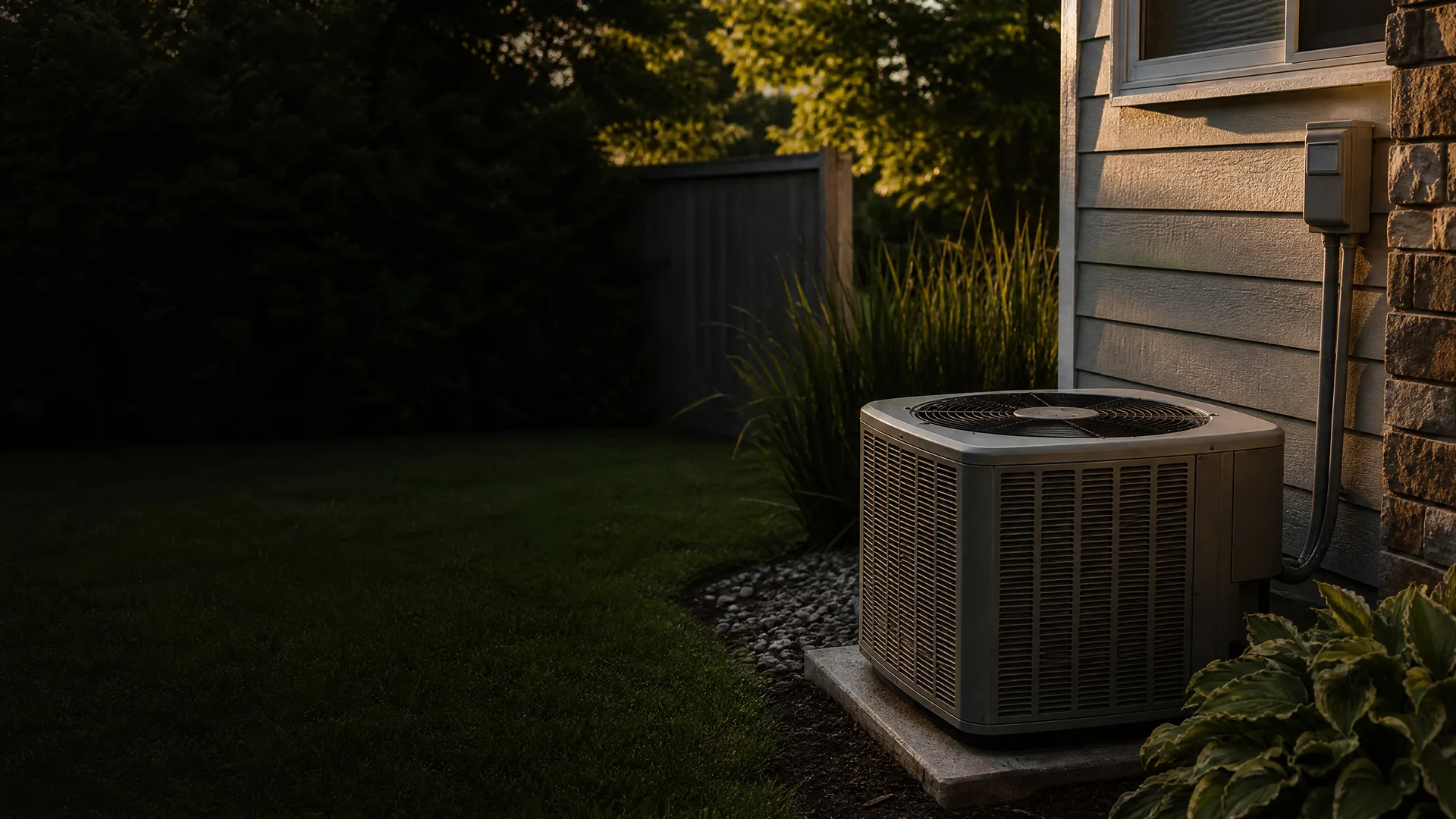
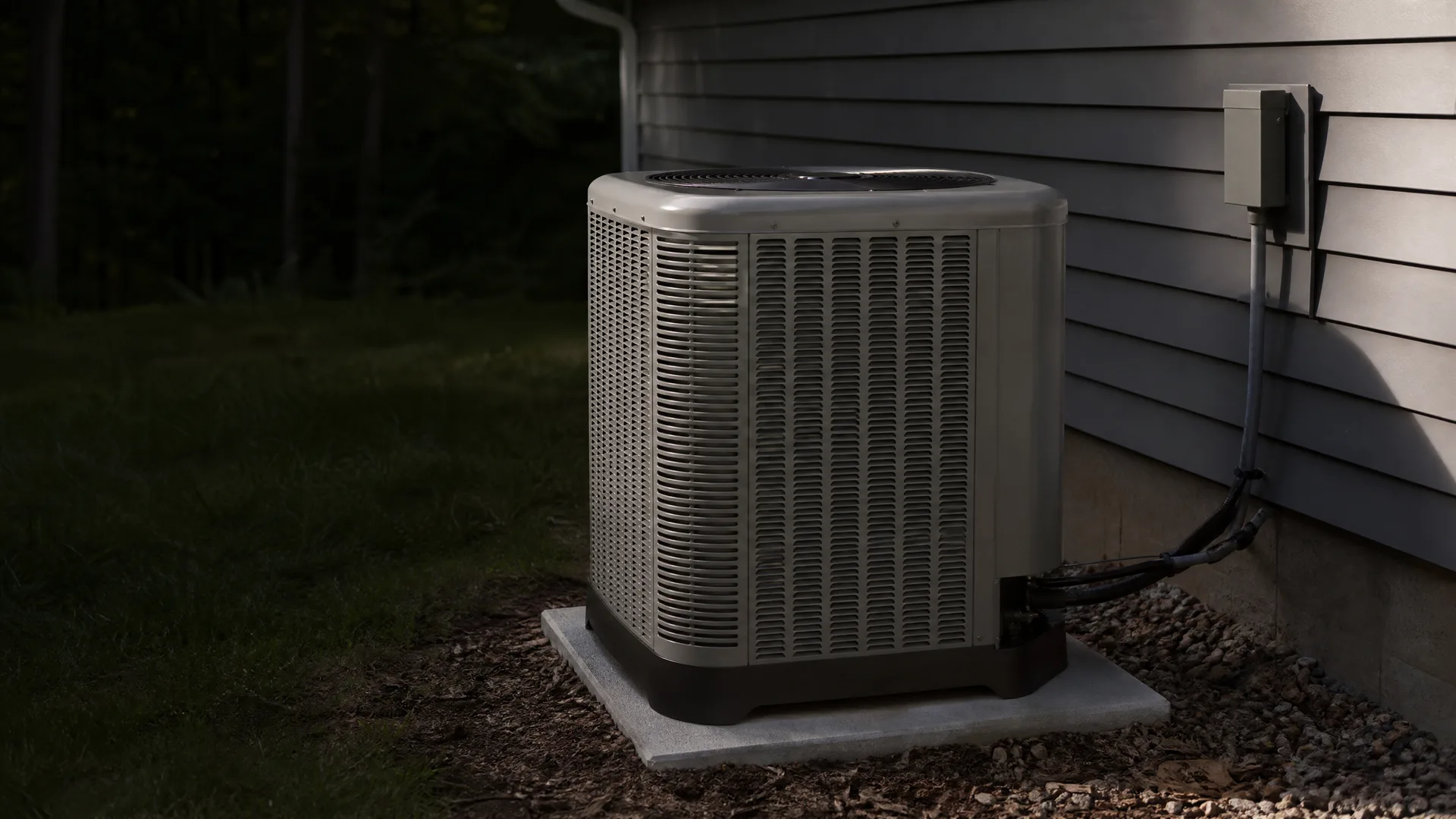
The sun is almost down, the sky over the yard gone a heavy gold. You're out back with the hose, and you notice the condenser isn't making its usual sound. You stop and look. The fan on top isn't spinning. The unit is just sitting there, quiet, while the air inside your house is getting thicker by the minute. It's one of those August evenings where the humidity doesn't let up even after dark, and you can already feel it through the screen door. You crouch down next to the cabinet, listening for a hum that isn't there, knowing that whatever's happening inside it, the house isn't getting any drier tonight.
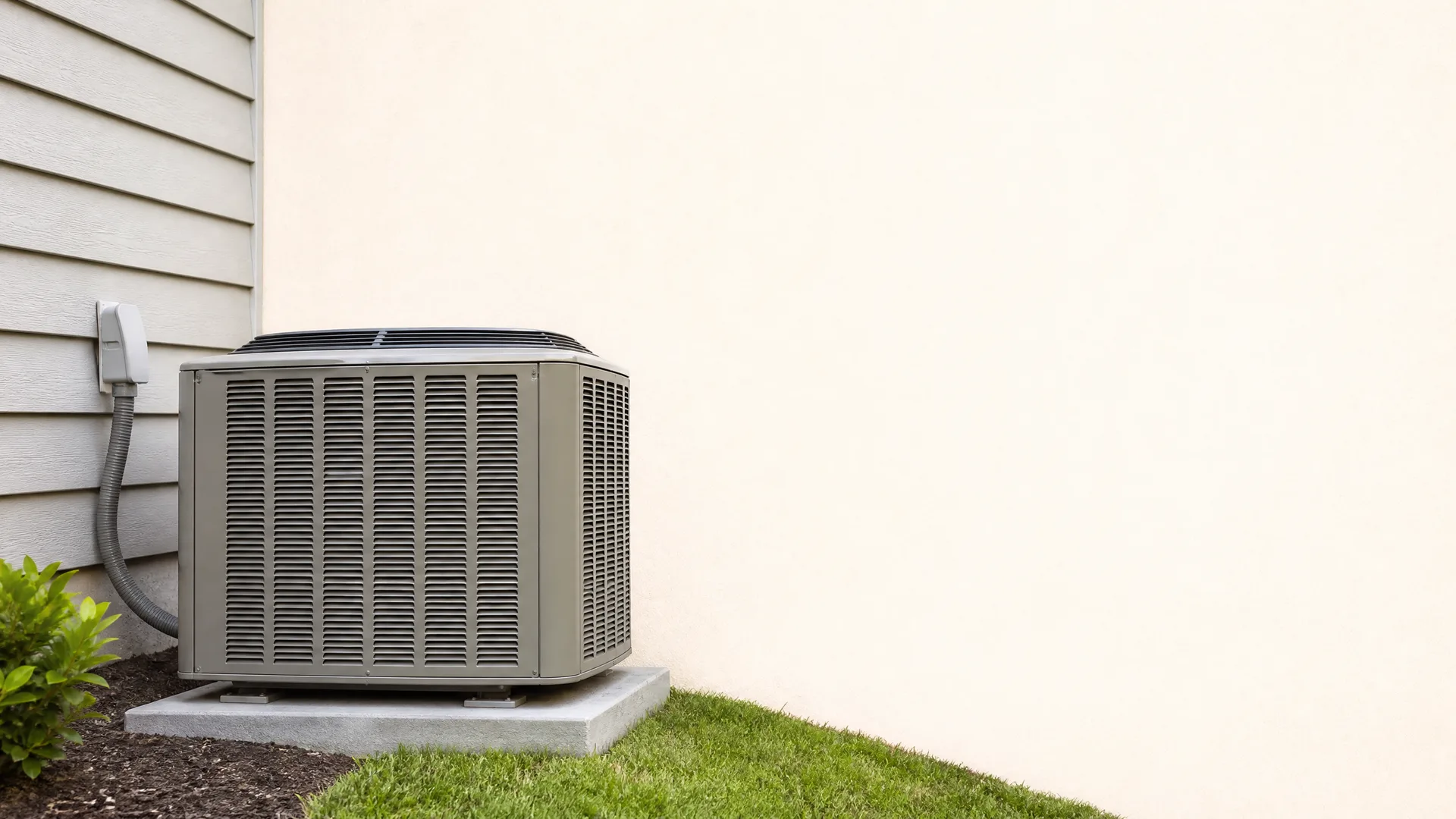
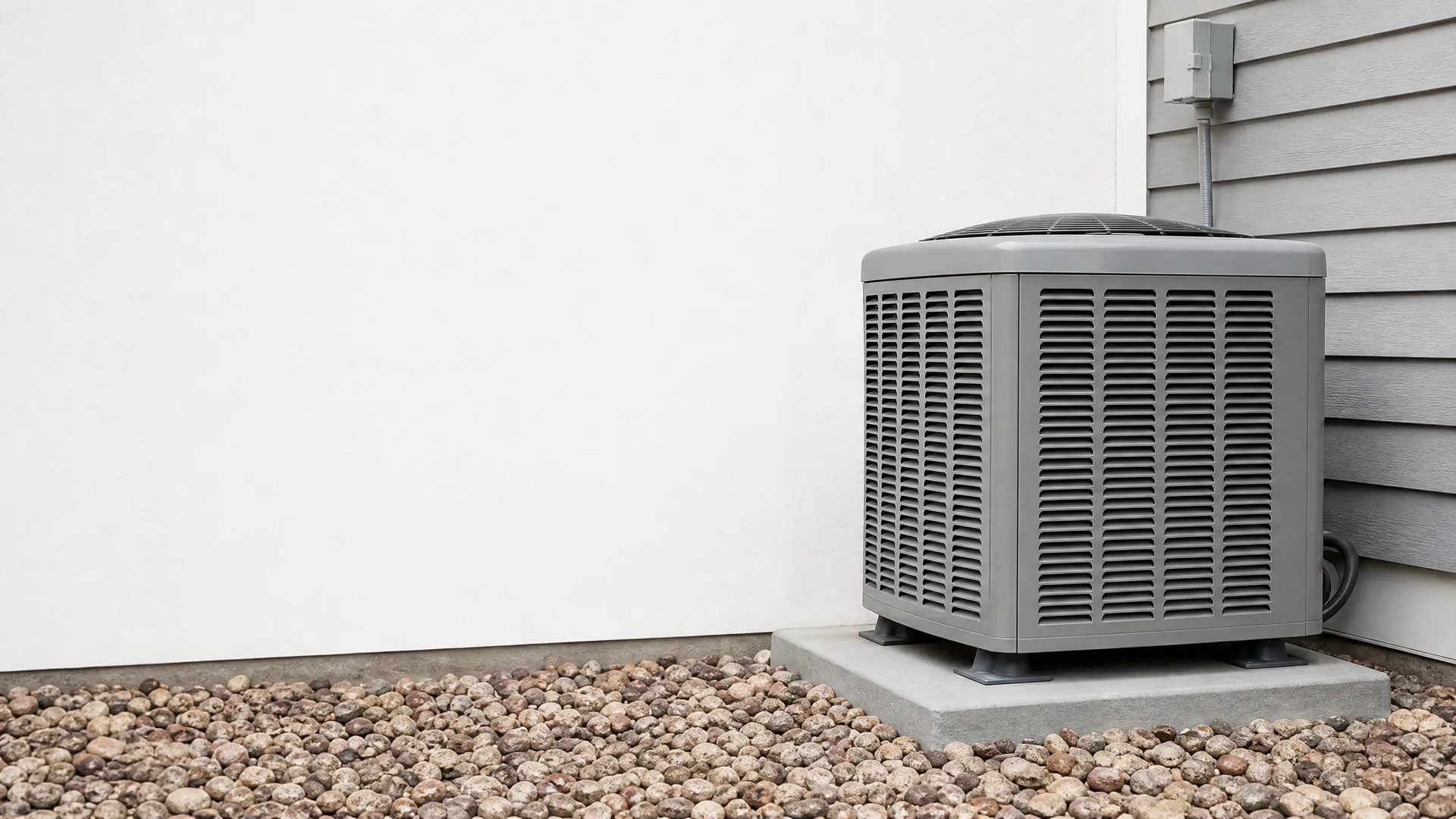
A clean condenser outside gives the coil inside room to shed water the way it's supposed to.
A coil caked in dirt and debris traps moisture against it, and that's where the musty smell starts.
A dew point averaging 60°F across June, July and August, measured from where homes sit across Wisconsin, is the point where air starts feeling heavy instead of just warm. At that level your AC has to pull more water out of the air to keep the house comfortable, and that means more water crossing the coil on an average summer day than on a dry one. More water crossing the coil means more water that has to drain away cleanly. If the pan or the line isn't handling it, that's the moisture sitting behind the musty smell coming through your vents.
NASA POWER T2MDEW county cells weighted by homes
A musty smell from your AC comes from water sitting where it shouldn't, and it clears when someone opens the system, checks the pan, and gets the drain line flowing again. That's a repair, not something a filter or a thermostat setting fixes. A contractor who works on air conditioners all summer in Wisconsin has seen this exact smell dozens of times and knows where to look first. You'll be matched with one licensed contractor local to you, not a handful of companies competing for your callback, so there's one call to make and one visit to schedule. No more pulling up listings, explaining the smell over the phone to three different shops, and sorting through quotes that all describe the job differently. The coil gets dried out, the drain gets cleared, and the air coming through your vents goes back to just being cool.