Why your AC runs all day in Wisconsin summers

Get the air conditioner repair search off your mind today.

RepairCentral ACWisconsin
Step 1 of 2

What ZIP code is the job in?

Why does my AC run all day in the summer?

You turn the thermostat down and the unit outside never seems to shut off. In Wisconsin, July and August can stay sticky for days at a stretch, and you start wondering if the system is keeping up at all or just running itself into the ground. You're not looking for a reason to panic. You want to know if this is normal for the heat you're getting, or if something's actually wrong with the unit.

A long runtime on a hot day is often normal, but not always

On a 90 degree day with the humidity Wisconsin gets in summer, a central air conditioner sized right for your house can run most of the afternoon and evening without anything being wrong. It's pulling moisture out of the air as well as cooling it, and that takes longer than cooling alone. But there's a difference between running long and running nonstop with no break at all, or running all day without the house ever reaching the temperature you set. That points to something else: a low refrigerant charge, a failing capacitor, a blocked coil, or a unit that was undersized for the house when it was installed. A contractor who works on these systems every summer can tell the difference in a single visit.

A gray outdoor air conditioner condenser unit on a concrete pad beside a house with dark horizontal siding and a stone base, surrounded by gravel, with a flowering shrub at left and a concrete walkway in front.

Running long because it has to

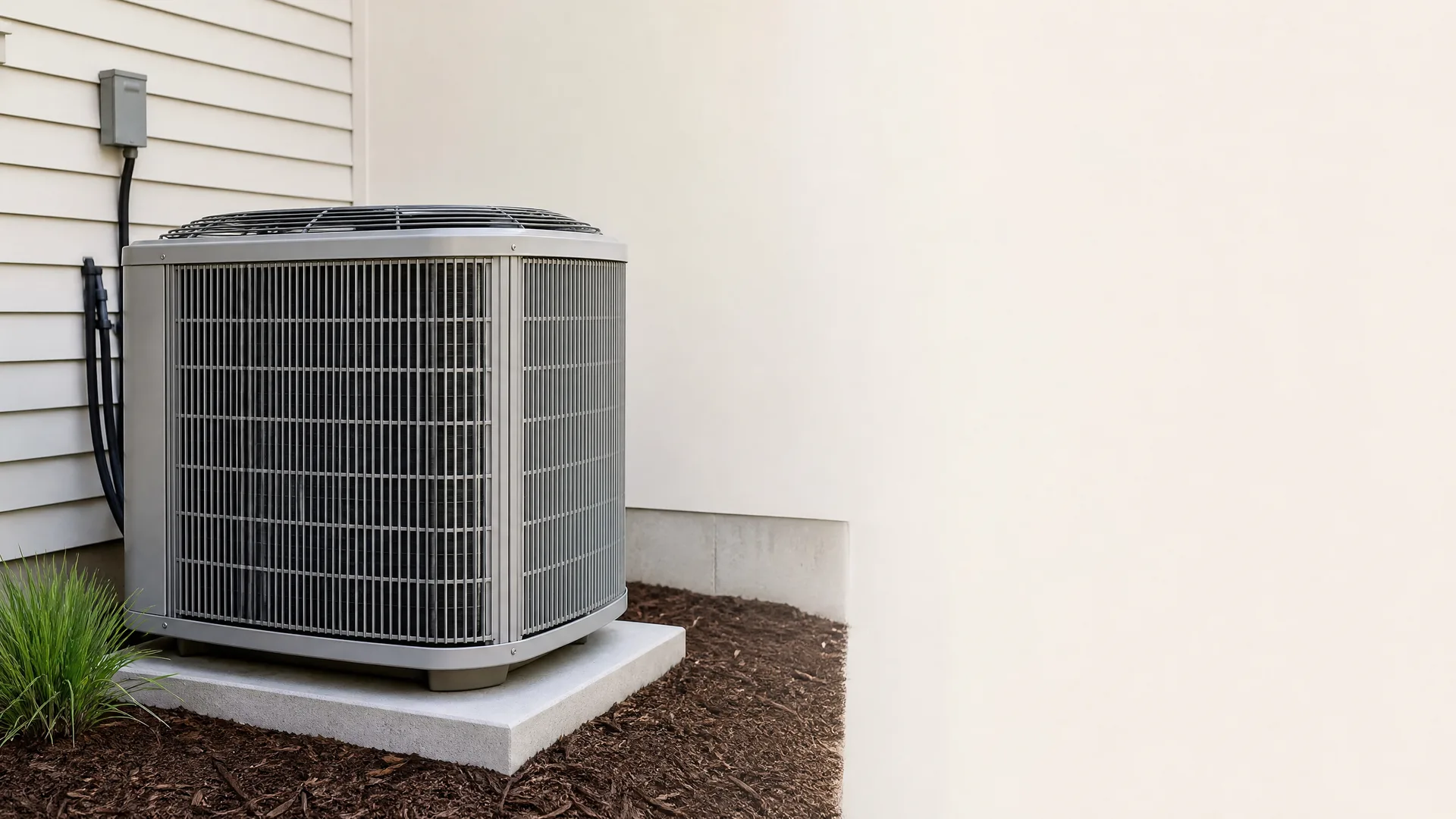
On a humid afternoon, a healthy AC cycles long to keep up, then shuts off and rests once the house catches up. The outdoor unit sits clean on its pad, fins open, and the disconnect box close by in case a contractor needs it.

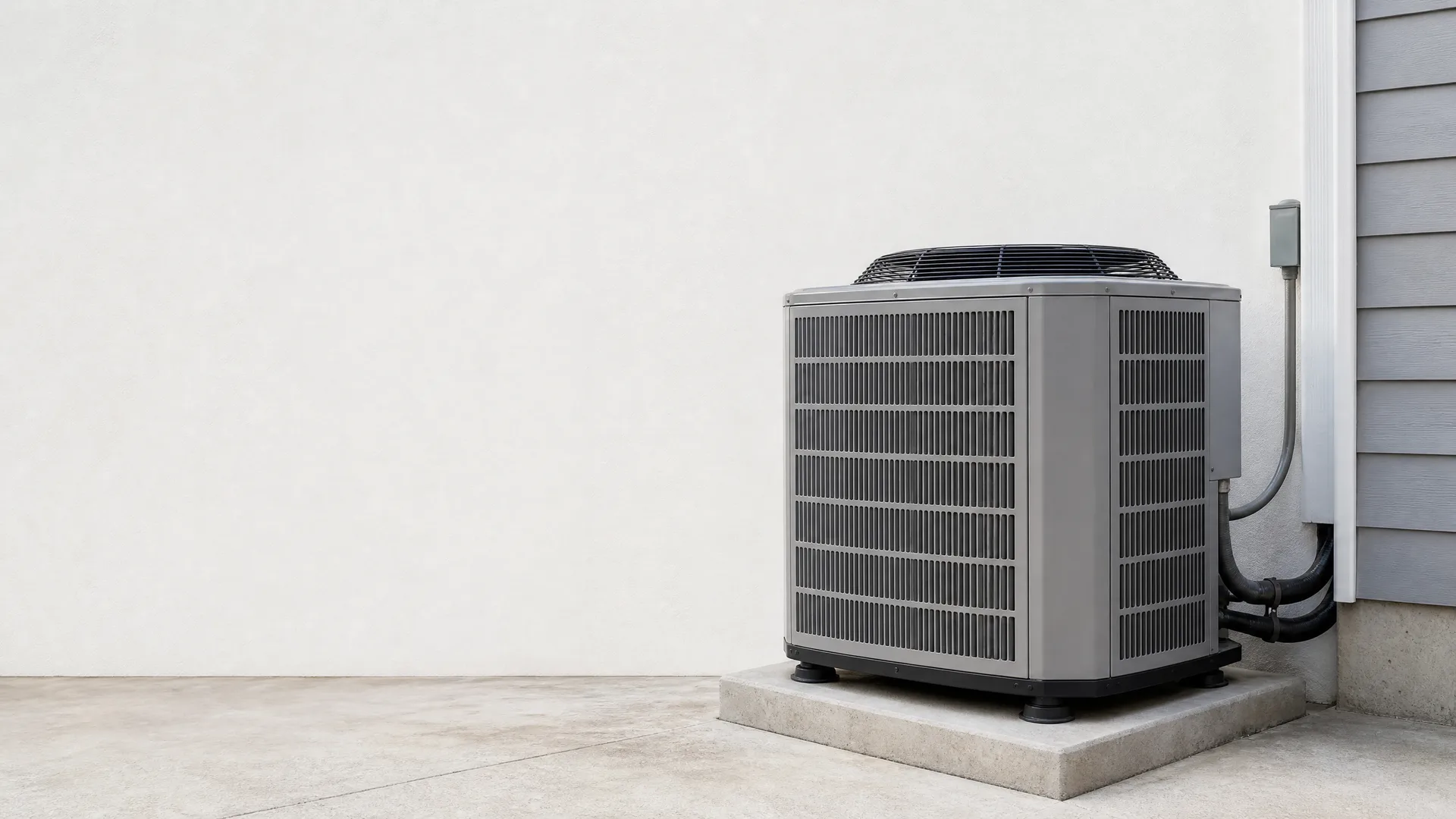
An outdoor air conditioner condenser unit sits on a concrete pad beside a stucco wall, with refrigerant lines and conduit running to the wall and a shrub to the left.

Running long because it's struggling

Grime packed into the fins blocks the airflow the unit needs to dump heat outside. It runs longer for less cooling, pulls harder on the lines running into the wall, and costs more to do a worse job.

A man with gray hair and a beard wearing a dark green shirt jacket over a navy top sits on a gray sofa in a living room, looking to the side, with a window, potted plant and shelving in the background.
A gray-haired man in a navy button-up shirt over a white tee sits on a light gray sofa in a living room, looking off to the side, with a window, houseplant, framed picture and shelving behind him.
A man with gray hair, a beard and glasses, wearing a dark green sweater, sits on a gray sofa in a sunlit living room with a potted plant, table lamp and wooden sideboard behind him.
A man with grey hair and stubble in a dark sweater sits on a grey sofa indoors, looking off to the side, with a potted plant and a sunlit window behind him.

What's Actually Happening Inside the System

  • The indoor coil pulls heat and moisture out of the air, and in heavy humidity it has more moisture to wring out before the house feels cool.
  • The compressor runs on a cycle set by the thermostat, and it only shuts off once the return air matches the setpoint, not before.
  • A dirty outdoor coil or a low refrigerant charge makes the system move less heat per minute, so it has to run longer to do the same job.
  • The blower keeps pushing air across the coil the whole time the compressor runs, which is normal and not a sign anything is wrong by itself.
  • A unit sized right for the house will still run close to nonstop on the hottest, stickiest days because that is when the load on it peaks.
  • A clogged filter restricts airflow across the coil, and the system compensates by running longer to pull the same heat out of a slower stream of air.

The indoor coil is where the work happens. Air from your house passes over it, the refrigerant inside pulls the heat out, and on a sticky day it also has to pull the moisture out before the air feels cool at all. That second job takes time, more time than it would on a dry 85-degree day, and it's part of why the system runs longer without anything being wrong.

The thermostat controls the cycle. It tells the compressor to run until the air coming back to it matches the setpoint, then it shuts off. On a humid Wisconsin afternoon that point takes longer to reach, so the compressor stays on longer to get there. That's the cycle working as designed, not straining against something.

Airflow matters just as much as refrigerant. A clogged filter slows the air moving across the coil, so less heat gets pulled out per minute, and the system compensates by running longer. A dirty outdoor coil or a low refrigerant charge does the same thing from the other side, cutting how much heat the system can move each cycle. Either one turns a normal long cycle into one that never really catches up.

The blower running the whole time the compressor runs is normal. It's not separate from the problem or the fix, it's just how the system moves air across the coil whenever the compressor is on. None of this tells you by itself whether your system is fine or struggling. What it does tell you is what to check first, and what a contractor checks first too.

An outdoor air conditioner condenser unit sits on a gray pad beside a light vinyl-sided wall, on a concrete slab next to a gravel bed.
Before you get your air conditioner repair
A gray outdoor air conditioner condenser unit on a concrete pad beside a house with horizontal lap siding, with a wall-mounted disconnect box and conduit, mulch bed, shrub, and lawn nearby.
After you get your air conditioner repair

Hand off the air conditioner problem

Only one pro gets your request, so you hear from one company.

Sending the form costs nothing.

An outdoor air conditioner condenser unit on a concrete pad beside a house with horizontal lap siding and a light stucco wall, surrounded by dark mulch and an ornamental grass.

What a dirty filter does

A clogged filter cuts off the airflow the system is built to move. The blower has to push harder to get air across the coil, and the coil itself can start icing over instead of pulling humidity out of the air. Once that happens, the unit runs longer for less cooling, and it keeps running because the house never catches up. Checking the filter is the first thing worth doing before anything else.

An outdoor air conditioning condenser unit on a concrete pad beside a light stucco wall, with a disconnect box and refrigerant lines running to adjacent lap siding.

What a low charge does

An air conditioner is charged with a set amount of refrigerant at install, and it doesn't use that refrigerant up. If the level is low, it's because it's leaking out somewhere in the coil or the lines. A unit running low can't move heat out of the house the way it should, so it runs longer to do less work, and the problem won't fix itself without a contractor finding the leak.

Power costs 18.08 cents per kilowatt-hour statewide

At just over 18 cents per kilowatt-hour, every extra hour your AC runs long adds up fast. A unit struggling to keep up on a humid day isn't just uncomfortable, it's drawing power the whole time it's working that hard.

EIA-861 2025 statewide residential average

A unit that runs all day is also a unit that never gets a break. The compressor, the motor, every part under load keeps working hour after hour instead of cycling off to cool down.

That kind of strain is what pushes a weak part past the point of holding on. A capacitor or a contactor that was already marginal tends to fail on the hottest day, not a mild one.

A woman with shoulder-length blonde-grey hair in a light knit cardigan sits in a grey upholstered armchair, looking toward a window, with a bookshelf and a small potted plant behind her.
A woman with her hair in a bun sits wrapped in a gray knit blanket on a couch, eyes closed, with a young boy asleep against her shoulder, beside a lit table lamp in a dim room.
A single-story house with cream vinyl siding, dark shingled gable roofs, two windows and a center door, set on a grass lawn under a clear blue sky.

Across June, July and August, the dew point in Wisconsin averages 60°F, based on NOAA climate data. That's the number that tells you how heavy the air actually feels, not just how hot it is. At that dew point, your AC isn't only cooling the house, it's wringing a steady load of moisture out of the air before the thermostat sees any progress. That's why the unit outside keeps running on days that don't even feel like the hottest ones of the year. A system working fine will still run long stretches in air like this. One that's already weak, low on charge or short on airflow, runs even longer trying to catch up.

NASA POWER T2MDEW county cells weighted by homes

Running long, or running in trouble

Runs long and shuts off

  • The system cycles off once the house reaches the temperature on the thermostat, even if that takes a couple hours on a sticky day.
  • Air coming out of the vents feels noticeably cooler than the room, usually a 15 to 20 degree drop.
  • The outdoor unit sounds steady while it runs, no grinding, clicking or rattling.
  • Ice doesn't form on the indoor coil or the refrigerant lines.
  • The house catches up and holds there until the sun heats it back up or someone opens a door.

Runs long and doesn't catch up

  • The thermostat never reaches its setpoint, so the system runs straight through without a break, sometimes for most of the day.
  • Vents blow air that's only a few degrees cooler than the room instead of a real drop.
  • The outdoor unit cycles on and off rapidly, or hums without the compressor actually starting.
  • Frost or ice shows up on the coil or the copper line running to the outdoor unit.
  • The system has been making a new noise, a hiss, a clank or a buzz that wasn't there before.
  • A breaker trips, or the unit shuts off on its own mid-afternoon and won't restart for a while.
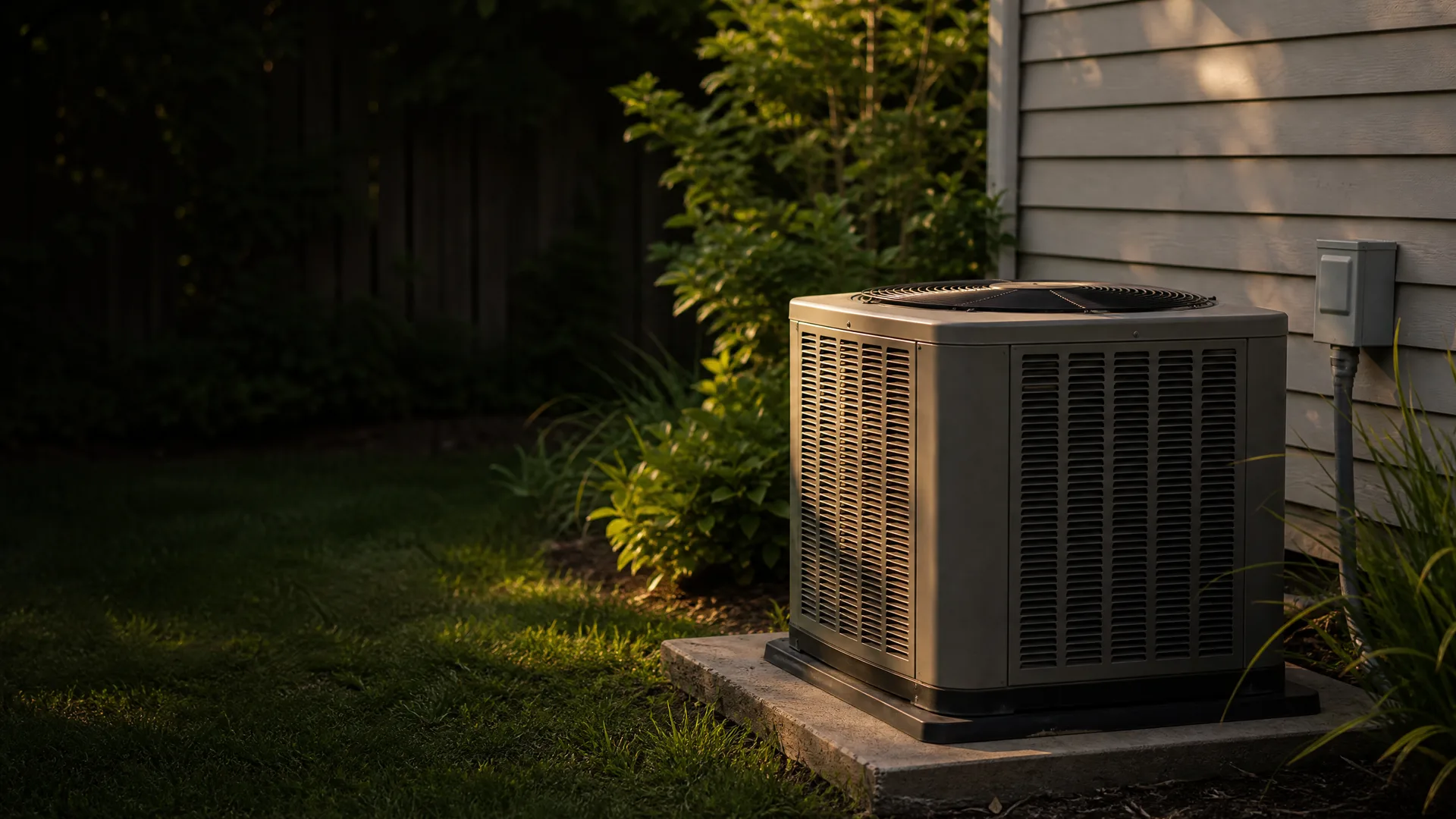
An outdoor air conditioner condenser unit sits on a concrete pad beside a house with horizontal lap siding, surrounded by grass and shrubs in low evening light.

By eight o'clock the sun is low behind the garage and the yard is finally in shade. You walk out with the trash and stop at the side of the house. The condenser is sitting there silent, fan blades still, while the compressor hums like it's trying anyway. Inside, the thermostat still reads three degrees above where you set it. You crouch down and feel no air moving through the top grille, just warm metal and the smell of hot dust. The cicadas are loud. Somewhere a sprinkler ticks. You stand back up, go inside, and check the breaker panel, because the evening is cooling off but your house isn't.

A long run time on a sticky day is normal. An AC that never shuts off, or shuts off and the house still feels warm, is telling you something is wrong. Long cycles mean the system is working. No cycles, or no cooling to show for them, mean it's failing. If that's what's happening at your house, it's worth having someone look at the unit before a 90 degree week asks more of it than it can give. A contractor who works on these systems all summer in this climate has seen which part usually gives out first in weather like this, and they'll check that first instead of guessing. You'll hear from one licensed contractor near you, not a handful of companies competing for the job. They'll look at your system, tell you what's actually wrong, and get it back to running the way it's supposed to: long on the hard days, off when the house catches up.

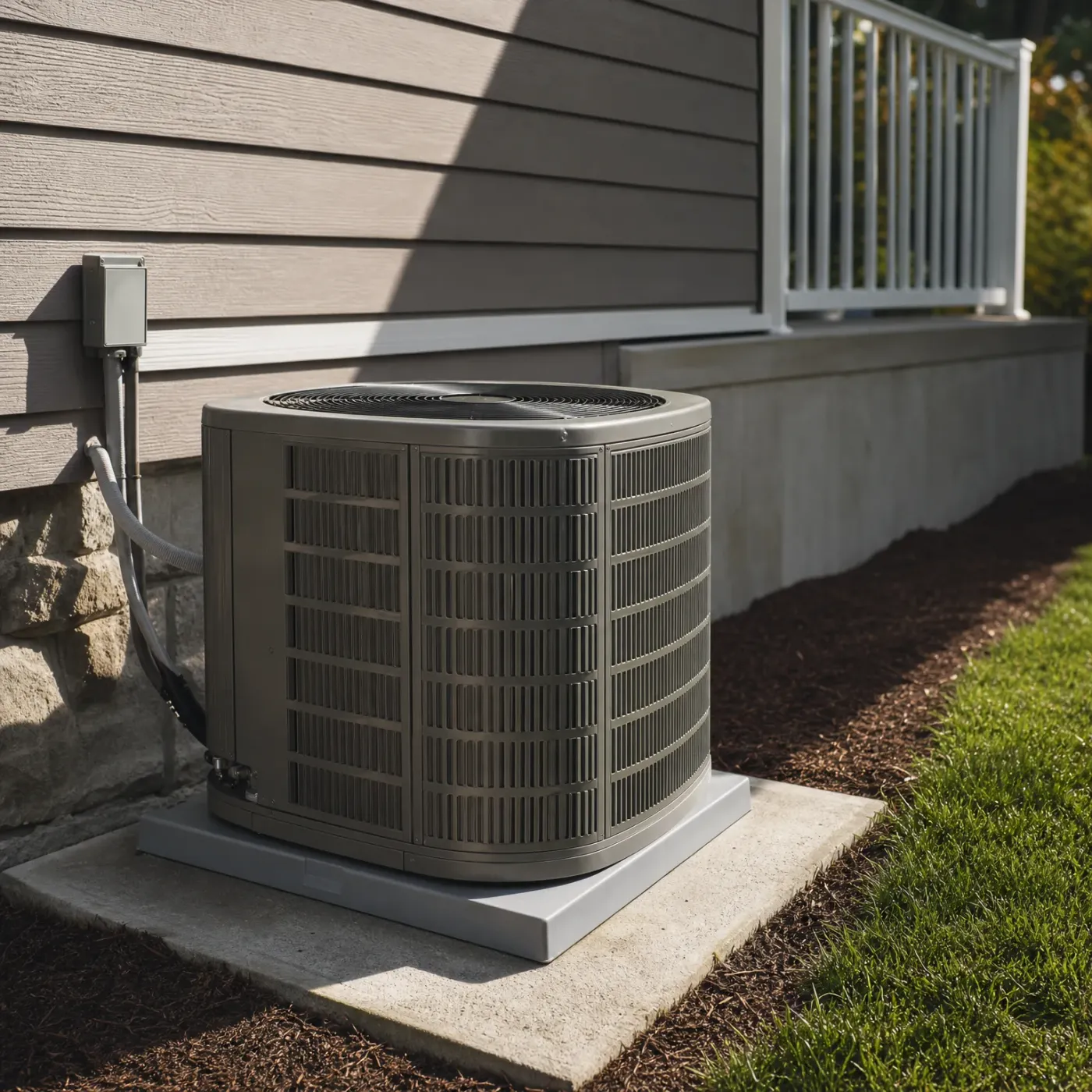
An outdoor air conditioner condenser unit on a concrete pad beside a house with horizontal lap siding, a stone foundation, an electrical disconnect box on the wall, mulch bed and lawn to the right, and a white railing above a concrete retaining wall in the background.

Hand off the search today

Reach a local pro

Your request stays with one local pro.

You're not committing to anything by asking.