

R-22 phase-out and older AC units in Wisconsin
Can I still use R-22 in my old AC in Wisconsin?
Your air conditioner is getting older and you've heard R-22 was phased out, but it's still running and you're wondering if a service call means you're stuck paying whatever it costs to track down the refrigerant, or if there's even any left to buy. With a Wisconsin summer ahead, you want a straight answer before the next hot stretch when you'll actually need the thing to work.
R-22 hasn't been made or imported since 2020
If your system still runs on R-22, a technician can service it, but the refrigerant itself stopped being produced and imported into the U.S. at the end of 2020. What's out there now is reclaimed or recycled supply, and the price reflects that. A small leak might get topped off for now, but a bigger repair often means the cost of R-22 makes replacing the unit the more sensible move. In Wisconsin, where the system has to handle a sticky, humid summer and then sit idle most of the year, a leak that gets ignored tends to resurface right when you need the air conditioner most.




Repair the R-22 Unit or Replace It
Keep repairing it
- R-22 is no longer produced or imported, so the only supply left is reclaimed refrigerant, and that keeps the cost high.
- A small leak might get topped off for one more summer, but if the leak is bigger, a tech may not be able to get enough R-22 to finish the job.
- Every repair after this one faces the same shrinking supply, so this isn't a problem that gets easier next year.
- If the compressor fails rather than just a leak, repairing it usually costs more than the unit is worth.
- You keep your current ductwork and thermostat setup exactly as it is, with no changes to anything else in the house.
Replace the unit
- New systems run on R-410A or newer refrigerants, so you're no longer competing for a shrinking supply of R-22.
- A new outdoor unit sized correctly for your home runs more efficiently, which matters with Wisconsin's electric rates.
- Installation can be matched to your existing gas furnace, since most Wisconsin homes pair central air with gas heat.
- You get a system built for how hot and sticky Wisconsin summers get, rather than one aging out of the refrigerant it needs.
- A licensed local installer who works on this equipment every summer can size and install the unit correctly the first time.
- The upfront job is bigger than a repair, but it ends the yearly question of whether this is the summer R-22 runs out.
Why R-22 costs so much now
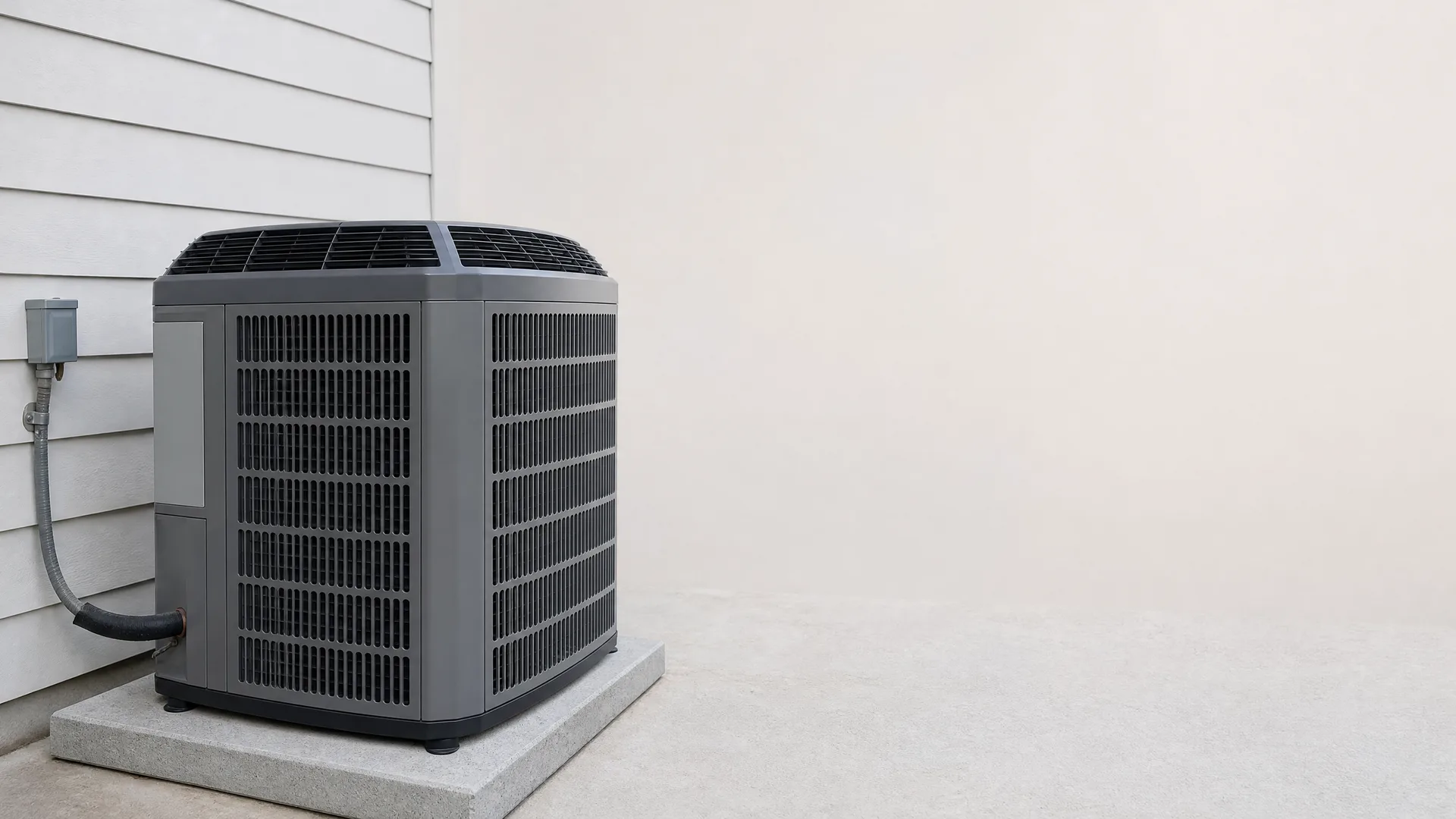
R-22 stopped being produced or imported into the U.S. at the start of 2020. Whatever is left in circulation is reclaimed and resold, pulled from old systems that have already been scrapped or converted. There's no new supply coming to bring the price back down. A unit built to run on R-22 can't switch to a different refrigerant either, so a leak means paying for a shrinking supply of something that only gets harder to find.
What a new system runs on
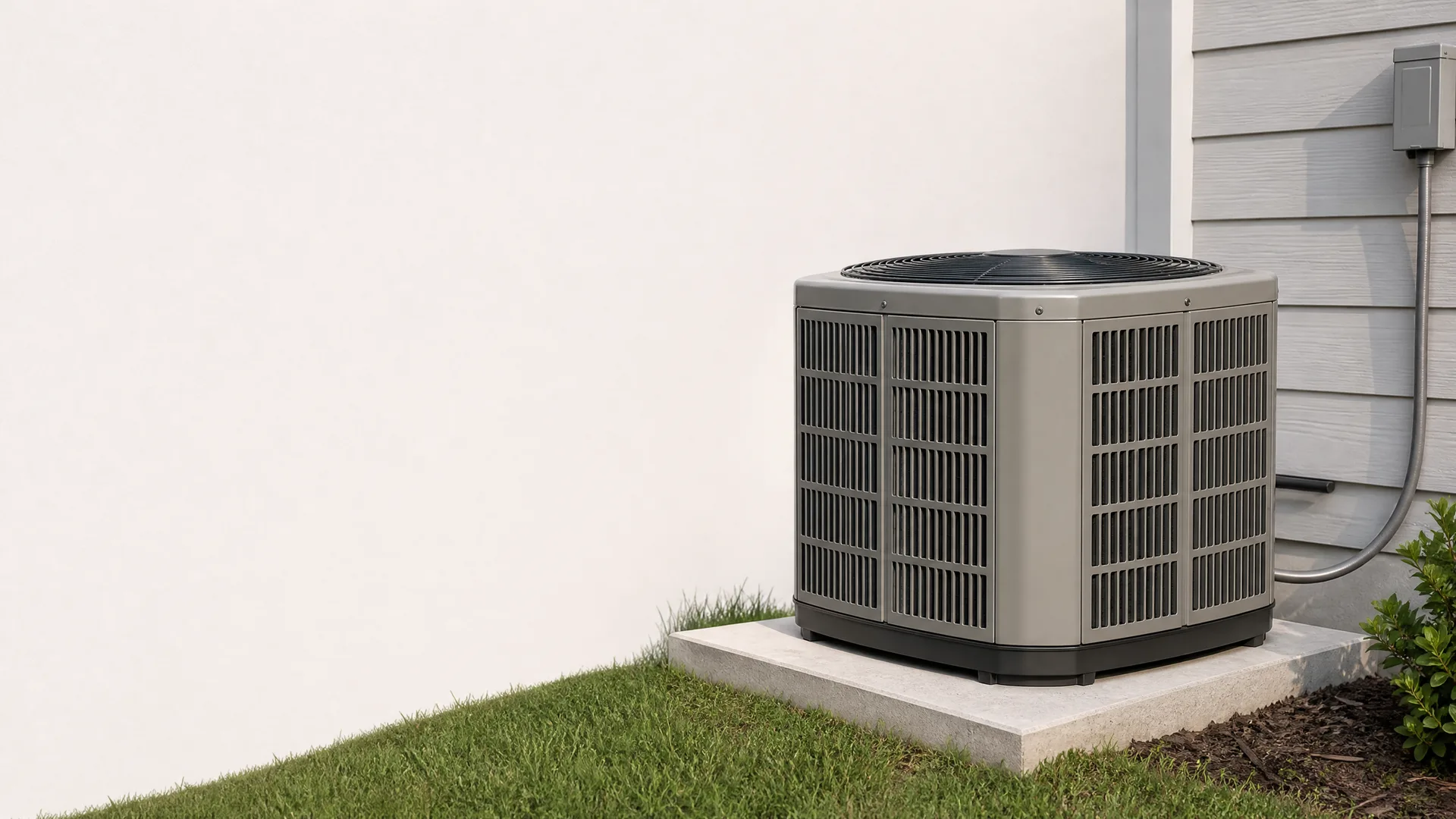
Air conditioners installed now run on R-410A, and the newest ones are moving to R-454B, neither of which faces the shortage R-22 does. A properly installed system is also charged to the exact amount the manufacturer specifies, checked against the line length and the coil, rather than topped off and hoped for. In a Wisconsin summer, a unit that holds its charge is the one that keeps up on the days it's actually muggy out.
Is your old AC still keeping up this summer?
Wisconsin summers get sticky, and that's when an aging R-22 system shows its age. You might notice it running longer to hit the same temperature, or not quite reaching it on the hottest afternoons. A hissing sound near the unit, ice forming on the coil, or an oily residue near the lines can mean the system is losing refrigerant. The power bill climbing faster than it used to is another sign, since a unit low on charge works harder for less cooling. Left alone, a slow leak gets worse, and a system that can't hold charge will eventually stop cooling the house altogether, right when you need it most.


Stop chasing an air conditioner pro

One installer gets your project, so there's no bidding war over it.
There's no charge for the request.
How a tech actually finds the problem
- A technician checks the nameplate first, because R-22 and R-410A systems use different compressors and can't share parts.
- Finding a leak means pressure testing the line set and coil, not just topping off the charge and hoping.
- Soap bubble and electronic leak detectors find the spot, but a dye test over a few days catches slow leaks the others miss.
- Once the leak is found, the fix depends on where it is: a coil can sometimes be replaced, a line set usually can't be patched for long.
- Recovering the old R-22 before any repair is required by law, and that recovered gas gets reclaimed, not reused in your system.
- A new system gets a full vacuum on the lines to pull out air and moisture before the new refrigerant goes in, something an old recharge skips.
A diagnosis on an R-22 system starts before any gauges come out. The nameplate tells the tech what refrigerant the unit was built for, and that matters because an R-22 compressor and a R-410A compressor aren't interchangeable parts. From there, the real work is finding out why the charge is low, not just adding more. Pressure testing the line set and the coil shows where a system is losing refrigerant, since a recharge without that step just buys a few more weeks before the same call comes in. Soap bubbles and electronic detectors catch an obvious leak fast, but a slow one might not show up until a dye test has had a few days to work through the line. Where the leak turns out to be changes what happens next. A coil is often replaceable on its own. A line set usually isn't worth patching, since a repair there tends to fail again not far down the road. Before any of that work happens, the old R-22 has to be recovered, and that's a legal requirement, not a courtesy. It doesn't go back into your system afterward either. It gets sent off for reclamation. If the repair turns into a full system replacement, the new lines get pulled down to a vacuum first, clearing out air and moisture that an old-style recharge would have left behind.


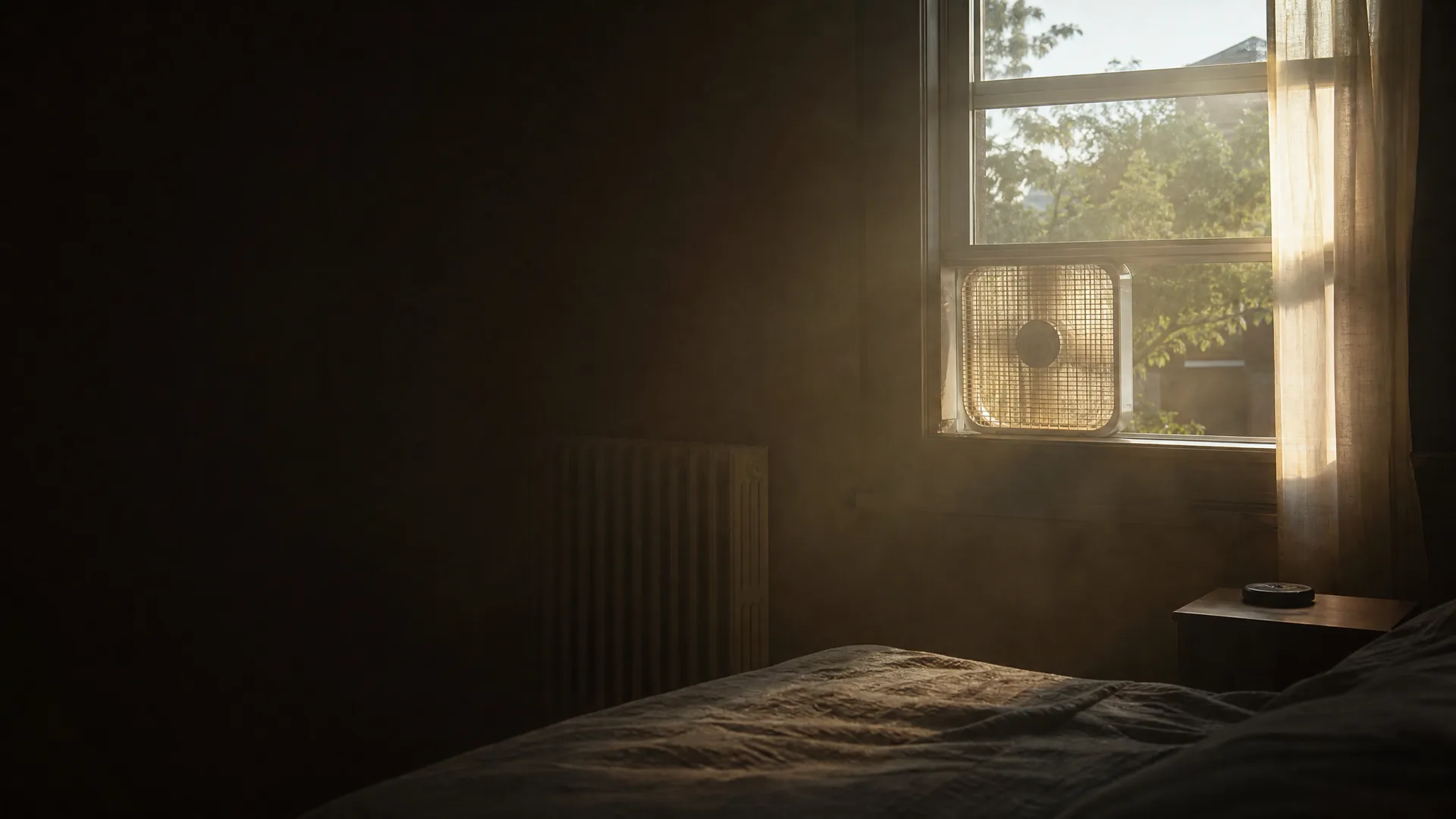
The box fan in the window just moves the hot air around. It's past nine and still light out, that long June evening light, and the upstairs bedroom hasn't cooled off since the sun left it. The AC is running, you can hear it kick on downstairs, but the vent by the bed is only pushing out air that's barely cooler than the room. You lie on top of the sheets. The dog has moved to the spot in front of the fan. Somewhere under the house the compressor shuts off, runs a few minutes, shuts off again, like it's working harder to do less.
Power costs 18.08 cents per kilowatt-hour statewide
An old R-22 system does not just cost more to repair. It costs more to run. These units lost efficiency over the years they've been in service, and at 18.08 cents per kilowatt-hour, a compressor working harder to cool your house shows up fast on the bill.
EIA-861 2025 statewide residential average
An R-22 system can usually be kept alive another season with the right repair, but once the leak is big enough or the compressor is strained, replacement is the straightforward answer, not the last resort. A new system runs on R-410A, so there's no refrigerant hunt and no reclaimed-gas pricing to work around. Installing it correctly, with the right charge and a properly matched coil, is what keeps a Wisconsin summer from turning into a repeat service call. That part matters more than the brand or the price on paper. A local contractor who installs these year-round in homes around you knows which mistakes cause callbacks and which don't, and when you send in your information, it goes to one licensed contractor instead of a handful of companies competing for your number. You're not left comparing quotes from strangers. You send the details once, and the work of finding someone qualified stops being something you have to do yourself.





Send one request and you're done looking
The pro who reaches out is licensed in Wisconsin.
You only hire the pro if you want to.