



Mini split light blinking in West Bend, WI

Get matched with a pro who works on mini splits in Washington County.

Find a pro near me

Why is the light on my mini split blinking?

A blinking light on a mini split usually catches people off guard because the unit still seems to be running fine, or it stopped heating or cooling and now this light is the only clue why. The pattern of flashes is actually the system talking to you, but without the manual in hand it just looks like a warning with no explanation attached.

It's the unit's way of signaling an error code

A blinking light on a mini split is a fault code, not a random glitch. The indoor unit's control board is reporting a specific problem, and the number of blinks or the pattern they fall into points to what it is. It could be a frozen coil, a drainage issue, a sensor out of range, or a communication fault between the indoor and outdoor unit. With a Washington County winter pushing a mini split hard for months at a stretch, codes tied to defrost cycles and refrigerant pressure show up more than they would somewhere milder. The blinking itself won't tell you which one it is without matching it to the brand's code chart, but it does mean the system has caught something and shut down or limited itself to protect the compressor.

A woman with shoulder-length brown hair in a beige knit sweater stands near a window looking outside at falling snow and snow-covered evergreens, with a dimly lit living room, sofa, lamp, bookshelf and framed landscape painting behind her.
A woman with long dark hair in a beige knit turtleneck sweater stands beside a window with snow outside, looking off to the side, with a warmly lit living room containing a sofa, lamps and a coffee table behind her.
A woman in a light gray cable-knit turtleneck sweater stands by a window looking outside at snow, with a living room behind her containing a stone fireplace, lit lamp, framed pictures, and a sofa with a plaid throw.
A woman in a cream turtleneck sweater stands beside a large window with snow outside, looking to the side, in a dimly lit living room with a sofa, lamps, candles and framed artwork.

Why does a mini split problem in Washington County cost more to ignore?

  • Cooling runs June through August

    Your mini split only runs cooling three months a year here, June through August, so a blinking light during that stretch is the one chance to catch a problem before the next heavy use.

  • Heat runs October through May

    Heat runs about eight months a year in Washington County, October through May. A unit that's already struggling tends to show it in that stretch, not during the easy months.

  • Power here costs 19.27 cents per kilowatt-hour

    Washington County homes paid 19.27 cents per kilowatt-hour in 2025. A mini split working around a fault draws more than it should, and that shows up on the bill before it shows up as a breakdown.

NOAA nClimDiv 1991-2020 · EIA-861 2025

The light stops but keeps blinking

If the mini split shuts itself off and the light keeps flashing after that, the unit has locked out on a fault it can't clear on its own. Cycling the breaker might get it running again for a while, but the code is still there waiting to trip the same shutdown. A unit that locked out once in warm weather can do it again on the next hot day, usually at a worse time. This is the case where waiting costs you the use of the unit itself, not just comfort.


The light blinks but it still runs

Some mini splits keep heating or cooling with the light flashing the whole time, just at reduced output or with the fan cycling oddly. It feels less urgent because the room still gets cool or warm. But a unit running through a fault is usually working harder to do it, and whatever triggered the code doesn't go away because the unit found a way around it. The difference here is timing, not whether it needs a look, since you can choose when to deal with it instead of losing the unit on the hottest day in August.

A dusty, discolored white wall-mounted mini-split air conditioner unit installed high on a plain interior wall below a white ceiling molding.
Before you get your mini split repair
A white wall-mounted mini-split air conditioner on a beige interior wall, with a cream curtain and window at left, a potted plant on a ledge at right, and a wood floor below.
After you get your mini split repair

One blink code, many brands

The number of flashes means something different on a Mitsubishi than on an LG or a Fujitsu. A contractor who services several brands can tell you what yours is actually saying.

Find a licensed pro

Winters are hard in Washington County

A mini split that locks out on a fault in January needs a fix fast, not a guess. A local contractor who works on these year round knows what usually fails first in the cold.

Find a licensed pro
A woman stands in the open doorway of a white stucco house holding the dark door, facing a man in a black cap and shirt seen from behind in the blurred foreground, with a potted flowering plant beside the entry.

What a blinking light means for your house

If your mini split heats your house through January, a blinking light is not a thing to let sit. Washington County winters get too cold for you to wait and see if it clears up on its own. A fault code that would just be an annoyance in July can leave you without heat on a night you need it most.

Your gas furnace, if you have one, may be able to carry the load while the mini split is down. But if this unit is your main heat in the room it serves, a bedroom addition or a converted garage, the blinking light is telling you something is wrong right now, not something to watch. A contractor who works on mini splits all over Washington County and knows what these codes mean on your brand can get back to you and tell you whether it is something simple or something that needs a look in person.

Living room interior with a light sofa holding a dark green cushion and a brown knit throw, a tall leafy plant by a black-framed window, a wooden coffee table with a round tray, and wooden shelves holding vases and books.
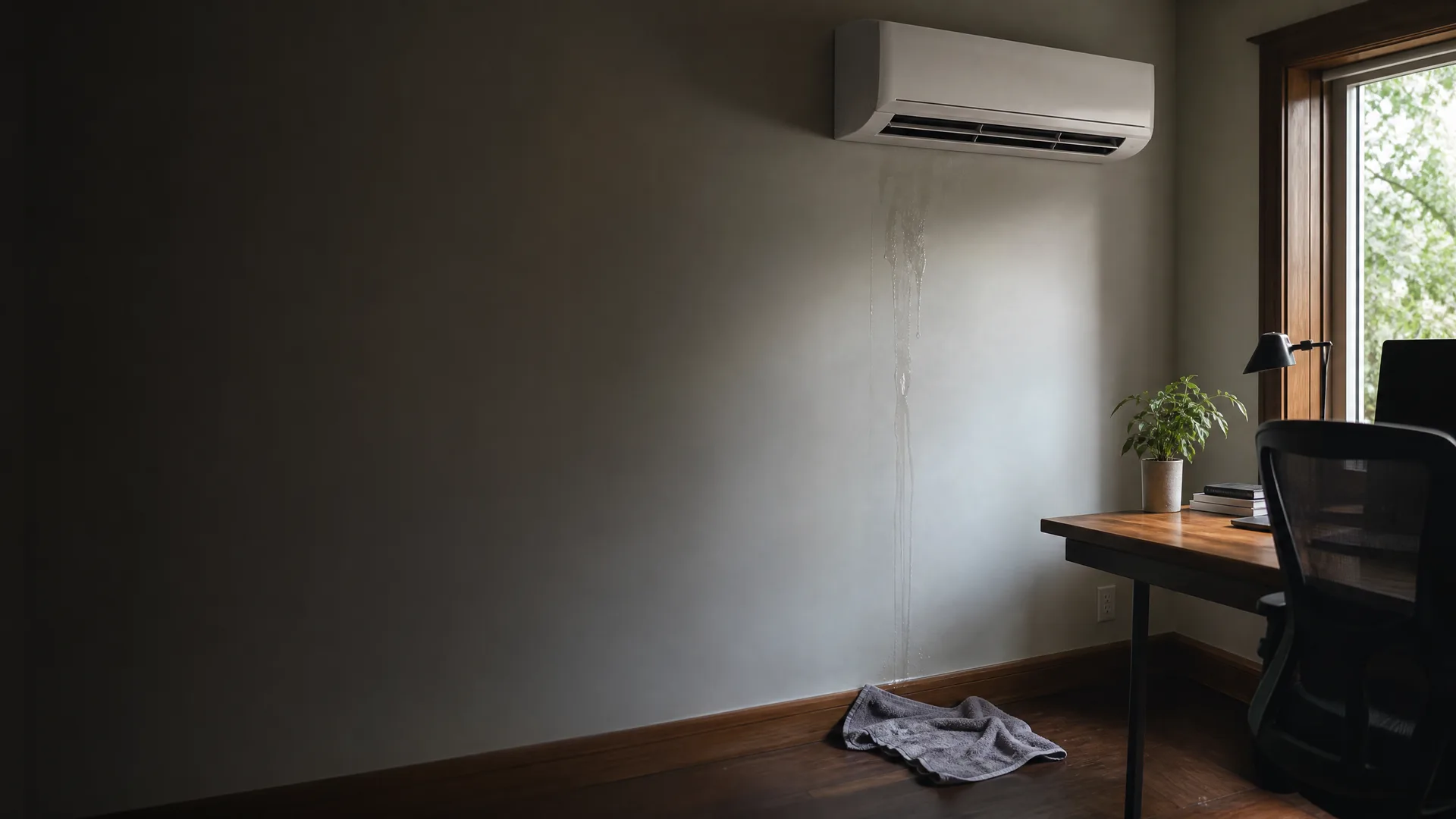
A wall-mounted mini-split air conditioner with a water streak running down the wall beneath it to a gray towel on the wood floor, beside a desk with a potted plant, lamp, and office chair near a window.

You'd been at the desk since noon, working with the mini split blowing cool air behind you, the kind of July afternoon where Washington County still asks for the AC even without the humidity pressing on you. You noticed the wall before you noticed the unit, a dark streak running down from under it, the drywall already soft to the touch. You grabbed the towel from the hall bathroom and laid it along the baseboard, then stood back and saw the light on the indoor unit blinking, steady, like it had been doing it for a while before you looked up from your screen.

A white wall-mounted mini-split air conditioner near the ceiling of a room with light gray walls, white crown molding, and a beige curtain at the left edge.
Clean lines, steady airflow, no light flashing on the wall unit.
A dusty beige wall-mounted mini-split air conditioner indoor unit installed high on a plain light-colored wall below the ceiling.
Grime across the face and a stained wall mean the light's blinking for a reason.
  1. The indoor unit's sensor detects a fault condition during operation.

  2. The control board translates the fault into a numbered flash pattern.

  3. The light flashes that count, pauses, then repeats it.

  4. A contractor reads the pattern against the brand's fault code chart.

Cooling runs June through August

Three months of cooling a year is not much time for a fault to show itself. If the light starts blinking in June or July, that is close to the only window you get to have it looked at before the unit sits idle again until next summer.

NOAA nClimDiv 1991-2020

A bearded man in a red and blue plaid shirt stands indoors looking out a frosted window at snow-covered foliage, with a steaming brown mug on the sill and wooden shelves behind him.
A smiling man in a navy T-shirt sits on a gray couch looking down toward a laptop screen, with a kitchen and sunlit window behind him.

The right pro for this job

A licensed pro who works in Washington County gets your request.

No charge to send it. You decide if you hire them.

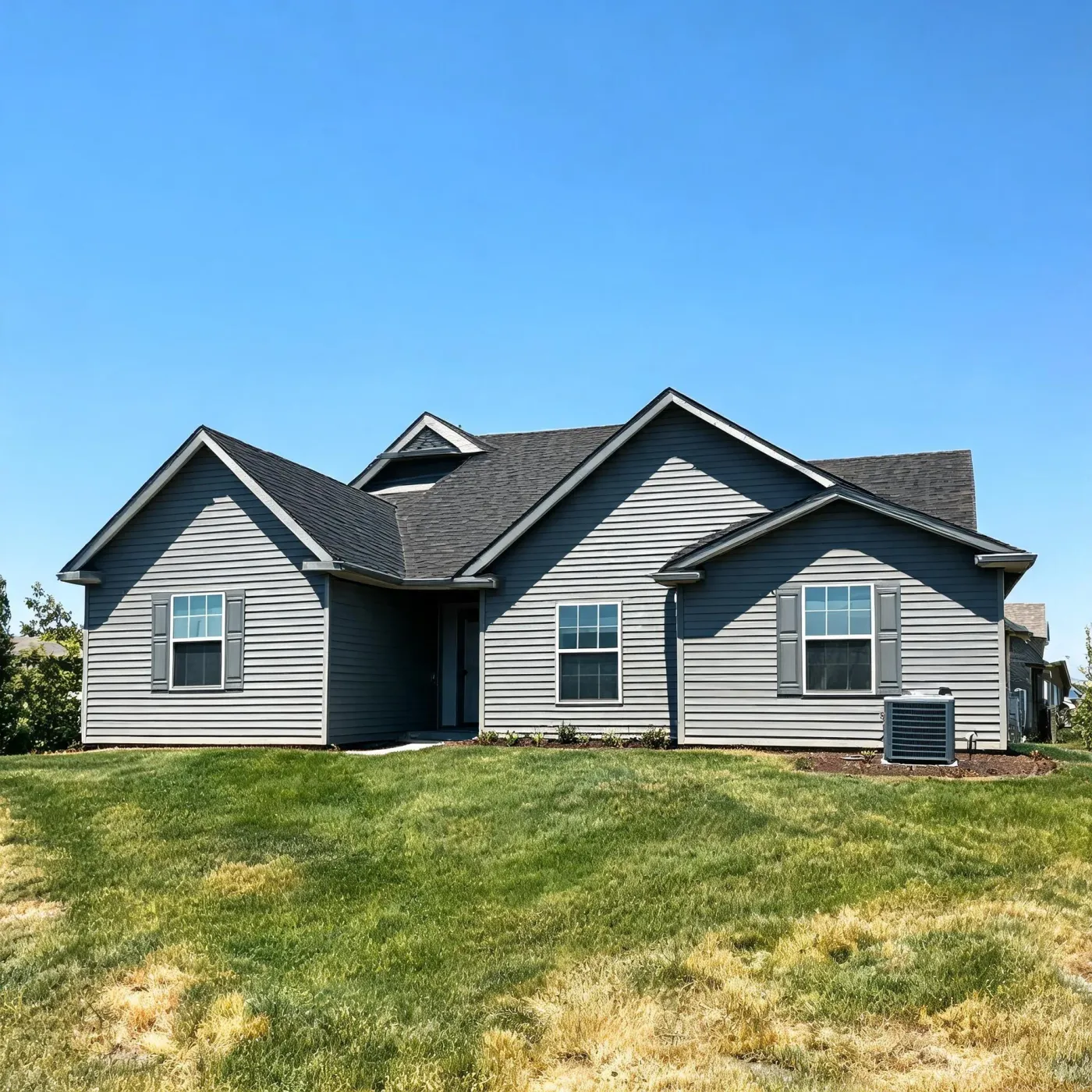
A single-story gray horizontal-siding house with multiple gables, dark shingled roof, shuttered windows, and an exterior air conditioning unit, set on a large grassy lawn under a clear blue sky.

Washington County summers average a dew point of 59°F in June, July and August, the kind of air that doesn't sit heavy even on a hot day. A mini split here isn't fighting humidity the way one would further south, so when the light starts blinking, the cause is more likely a refrigerant or sensor fault than the system straining to pull moisture out of the air. You might notice the unit cycling oddly or the room not quite cooling even though the air outside feels manageable. That mismatch, mild air outside and a struggling unit inside, is worth paying attention to.

NASA POWER T2MDEW

Reset It Yourself or Call for Diagnosis

Reset it yourself

  • Cycling the breaker or pulling the unit's power clears a fault that was a one-time glitch, and the light stays off for good.
  • It costs nothing and takes a few minutes, so it's worth trying once before anything else.
  • If the blinking comes back within a day or two, the fault is still there and the reset only hid it.
  • A reset tells you nothing about which part triggered the code, so you're guessing the next time it happens.
  • Some fault codes lock out the unit again right after a reset if the underlying problem, like a stuck drain or a failed sensor, hasn't changed.

Have it diagnosed

  • A contractor who services mini splits reads the flash count against your brand's fault code chart instead of guessing what it means.
  • They can tell you whether the fix is quick, like a clogged drain line, or something inside the control board that will keep tripping the code.
  • With Washington County winters running past January, you want the unit working and not waiting on a part once the cold settles in.
  • A local contractor who works on these units every season has likely seen your brand's version of this code before.
  • Diagnosis catches a failing sensor or a refrigerant issue before it leaves you without heat or cooling mid-season.
  • It's one contractor looking at your specific unit, not a reset that treats every blinking light the same.
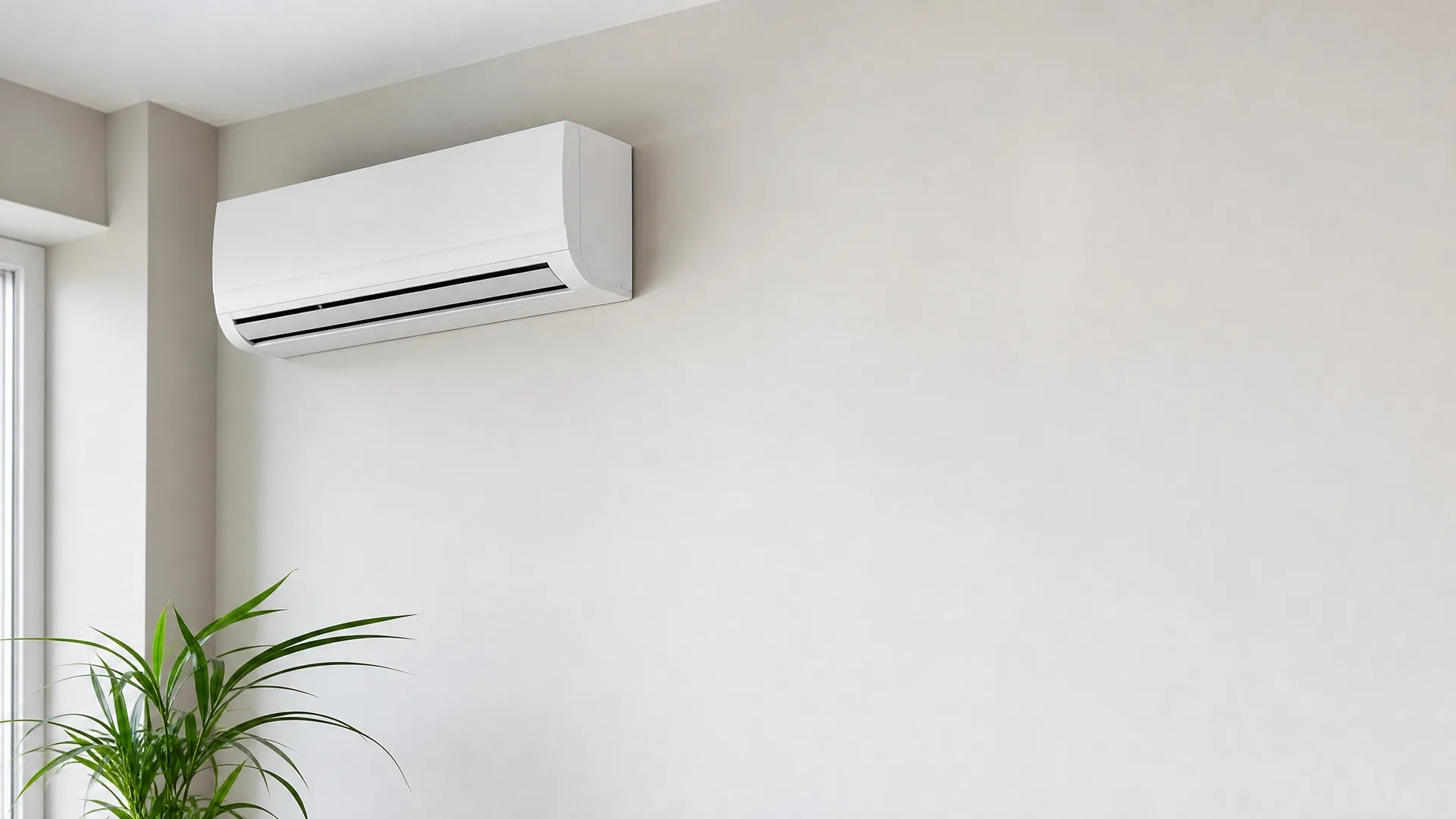
A white wall-mounted mini-split air conditioner unit on a light gray interior wall, with a window frame at left and a green palm-like houseplant in the lower left corner.

Running it a little longer

A mini split with a blinking light will often still turn on and move air. The fault behind the code may not stop it from running right away. If you wait, you're running the unit on a problem the control board already flagged, and in a Washington County winter that's the system you're counting on to keep the house warm through January.

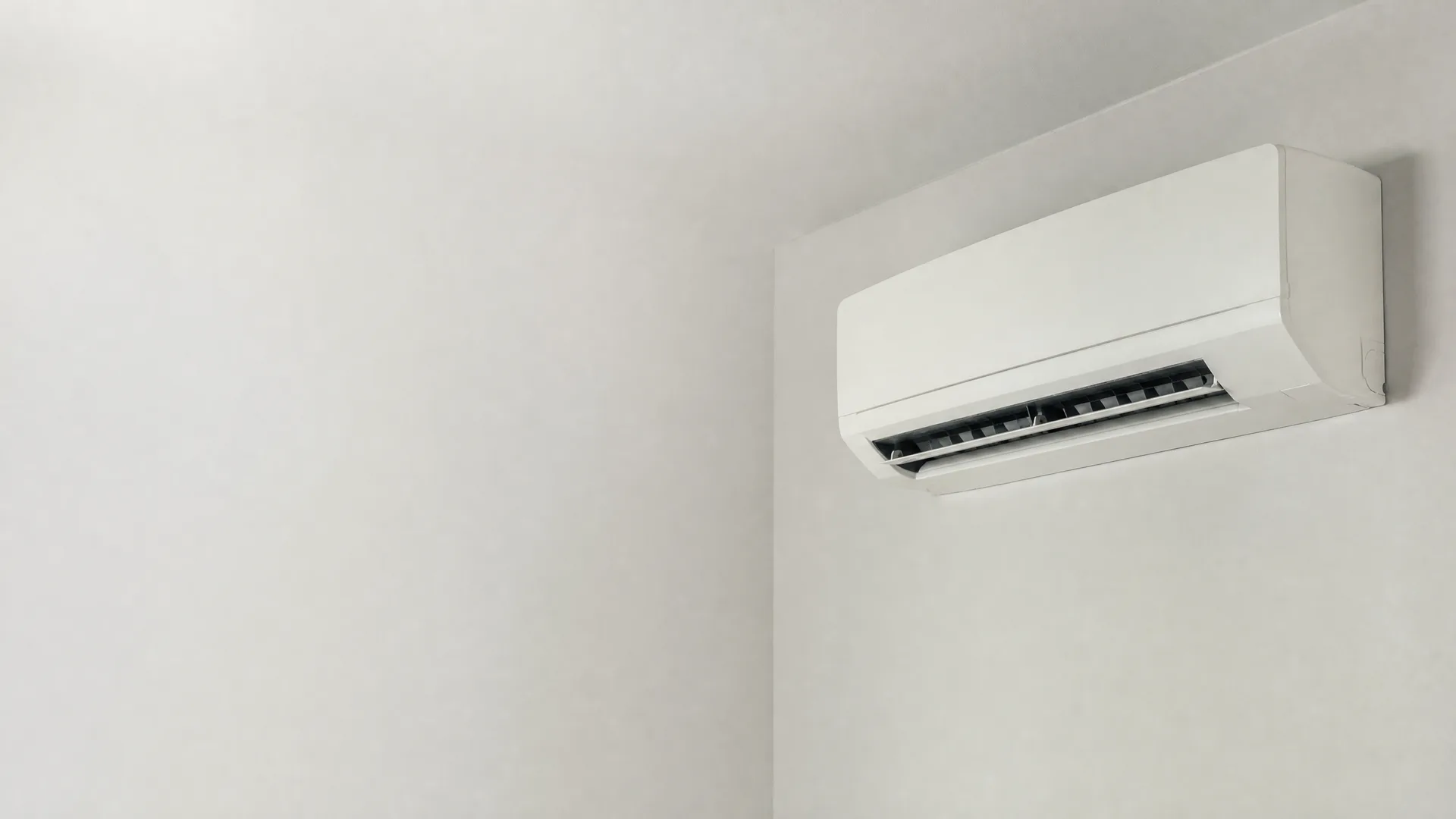
A white wall-mounted mini-split air conditioner unit installed near the top of a plain white interior wall corner.

Having it looked at now

A contractor can read the flash pattern against what that brand uses it for and check the part behind it before the unit locks out on its own. That's usually less to sort out than a system that quits mid-cold-snap. You're not guessing anymore about what the light means, and the unit keeps running on a part that's actually working instead of one that's failing.

A blinking light on your mini split is the unit telling you something specific, not a reason to panic and not a reason to ignore it either. The flash pattern points to a fault, and that fault has a cause a contractor can find once they know your brand and can get eyes on the unit. Washington County doesn't give you much of a window with cooling, three months of summer use, so a light that starts blinking now is worth having looked at before the unit sits idle again. A contractor who works on mini splits all year here, through hard winters and short summers both, has likely already seen whatever your unit is flagging and knows where to start looking. You'll be matched with one contractor local to West Bend, not a handful of companies competing for the job, so you're dealing with one person who knows this equipment and can speak plainly about what the code means for your unit and what it takes to clear it.

A white clapboard two-story house with black shutters at dusk, its lit entry porch and windows glowing, with a stone walkway leading to steps flanked by planters, shrubs and lawn.

Mini Split Repair

Matched to your mini split job

RepairMini-splitWashington County, WI
Step 1 of 2

What ZIP code is the job in?

  • A ceramic table lamp with a tapered beige shade sits on a wooden side table with a drawer, beside a shallow wooden bowl holding a stone sphere and a potted green plant, next to an upholstered chair with a knit throw.
    • Get matched with a pro who fixes mini splits in Washington County.
    • A local pro who knows mini splits gets your details and gets in touch.
  • A potted green trailing plant in a textured ceramic pot with saucer sits on a wooden side table beside a small wooden bowl, with a ceramic table lamp, framed picture, and sunlit window nearby.
    • After this form, you can stop searching for a mini split pro.
    • One request and the search for a pro is handled.
  • A beige upholstered armchair with a green cushion and knit throw sits beside a tall indoor plant and a wooden side table holding a potted plant near a bright window.
    • Explain the mini split problem once instead of to every shop in Washington County.
    • Fill out one short form instead of calling around.
  • A beige upholstered armchair with a striped cushion and fringed throw sits beside a window with sheer curtains, next to a wooden side table holding a dark ceramic lamp, with a potted tree in a woven basket behind and a jute rug on the dark wood floor.
    • Your request goes to one pro, not a list of companies.
    • The pro who reaches out is licensed in Wisconsin.