Mini split light blinking in Milwaukee, WI

RepairMini-splitMilwaukee County, WI
Step 1 of 2

What ZIP code is the job in?

Why is the light on my mini split blinking?

A blinking light on a mini split usually means the unit is trying to tell you something, but the pattern alone doesn't say what. Some mean a normal defrost cycle, others point to a real fault. With Milwaukee winters pushing these systems hard, and plenty of homes relying on them for backup or shoulder season heat, you want to know whether to wait it out or get someone out to look at it.

It's an error code, and the pattern tells you what's wrong

Mini splits use the blinking light on the indoor unit to signal a fault code, usually a count of blinks or a specific rhythm tied to the brand. One blink pattern might point to a frozen coil, another to a drainage problem, another to a refrigerant issue. The manual for your model lists what each pattern means, and the cover is usually printed with the brand name if you don't have it handy. A light that blinks steadily without ever resolving means the system has flagged something it can't fix on its own. During a Milwaukee winter, that often means the unit is struggling to keep up with the cold, and running it in that state can make the actual problem worse rather than better.

A white wall-mounted mini-split indoor unit on a beige interior wall, with a potted leafy plant at the left and a curtain edge at the right.

A steady light, no blinking

When the mini split is running fine, the light on the indoor unit stays solid or shows whatever pattern means it's just on. Air moves out of the vents, the room reaches the temperature you set, and nothing on the panel is flashing at you.

A dusty, discolored wall-mounted mini-split air conditioner indoor unit near the top of a plain light-colored interior wall below a white molding strip.

A blinking light with a dirty unit

Dust and grime built up like this on the casing often go along with a clogged filter or blocked coil inside. That kind of buildup can trigger the same fault codes that make the light blink, on top of whatever else is wrong.

A middle-aged man with gray hair and a beard, wearing a dark green sweater, sits on a light sofa in a sunlit living room with large windows, a potted plant, and a dining area in the background.
A gray-haired man in a dark green ribbed sweater sits on a light sofa in a living room, looking toward a sunlit curtained window with a potted plant and lamp nearby.
A gray-haired man in a navy button-up shirt over a white tee sits on a light gray sofa in a living room, looking off to the side, with a window, houseplant, framed picture and shelving behind him.
A man with gray hair and a beard wearing a dark green shirt jacket over a navy top sits on a gray sofa in a living room, looking to the side, with a window, potted plant and shelving in the background.

What the blink pattern actually tells you

The number of blinks or the color is the unit's way of pointing to a specific fault, not a general warning. Most indoor units have a small code list printed inside the panel cover or in the manual, matching a count of flashes to a cause like a blocked drain, a frozen coil, or a communication error between the indoor and outdoor unit. Two blinks on one brand can mean something different than two blinks on another, so the brand and model matter more than the behavior itself. Counting the blinks and checking that against the manual is the first real step, before assuming the worst or ignoring it.

Why Milwaukee winters make this common

Cold snaps put more strain on the outdoor unit's defrost cycle, since it has to melt off ice that builds up faster when the air is already near freezing. A blinking light during one of these cycles can be normal, but if it keeps blinking well after the outdoor unit should have cleared itself, that points to a real problem, often with the defrost sensor or the outdoor fan. A local contractor who services mini splits through a Wisconsin winter has likely seen that exact code before and knows whether it is a routine cycle or a part that needs replacing.

How much does Milwaukee weather ask of a mini split?

  • Cooling runs June through August

    Cooling runs June through August. Three months isn't long, but a mini split that's already struggling to cool can trip a fault light faster once the heat sets in.

  • Heat runs October through May

    Heat runs October through May. That's eight months leaning on the same unit, often in reverse cycle, which is more time for a blinking light to show up than most people expect.

  • Power here costs 20.53 cents per kilowatt-hour

    Power here costs 20.53 cents per kilowatt-hour. A unit blinking because it's icing up or short cycling isn't just uncomfortable, it's running inefficiently on some of the priciest electricity around.

NOAA nClimDiv 1991-2020 · EIA-861 2025

A mini split that keeps blinking through a Milwaukee winter is one you're leaning on hardest, since it's likely doing double duty against the cold for eight months. If the blink points to a frozen coil or a system that's short cycling, you'll notice the room never quite reaches the temperature you set, or the unit runs longer than it used to for the same result. Left alone, a fault that keeps the compressor cycling on and off can wear it out well before it should've failed, and a compressor is the most expensive part of the system to replace. With power costs in this area among the highest in the country, a unit struggling against a fault is also pulling more than it needs to just to keep up. None of that means the unit is done. It means the fault behind the blink needs a real diagnosis before the next cold stretch asks more of it than it can give.

A white wall-mounted mini-split air conditioner installed high on a beige interior wall near the ceiling, with a sheer curtain and window at the left edge.
Air moves evenly from the vents and the indoor unit stays quiet except for the normal fan noise.
A white wall-mounted mini-split air conditioner indoor unit with visible dust and discoloration, installed near the ceiling on a plain beige wall.
Dust coats the vents, the panel light keeps flashing, and the room never quite reaches the set temperature.
A middle-aged woman with shoulder-length graying brown hair, wearing a gray cardigan over a cream top, sits in a light upholstered armchair and looks off to the side, with a window, houseplant and framed artwork behind her.
A woman with dark hair in a bun sits on a brown couch with a sleeping child resting against her, both wrapped in a cream knitted blanket, with a lit lamp and houseplants in the background.
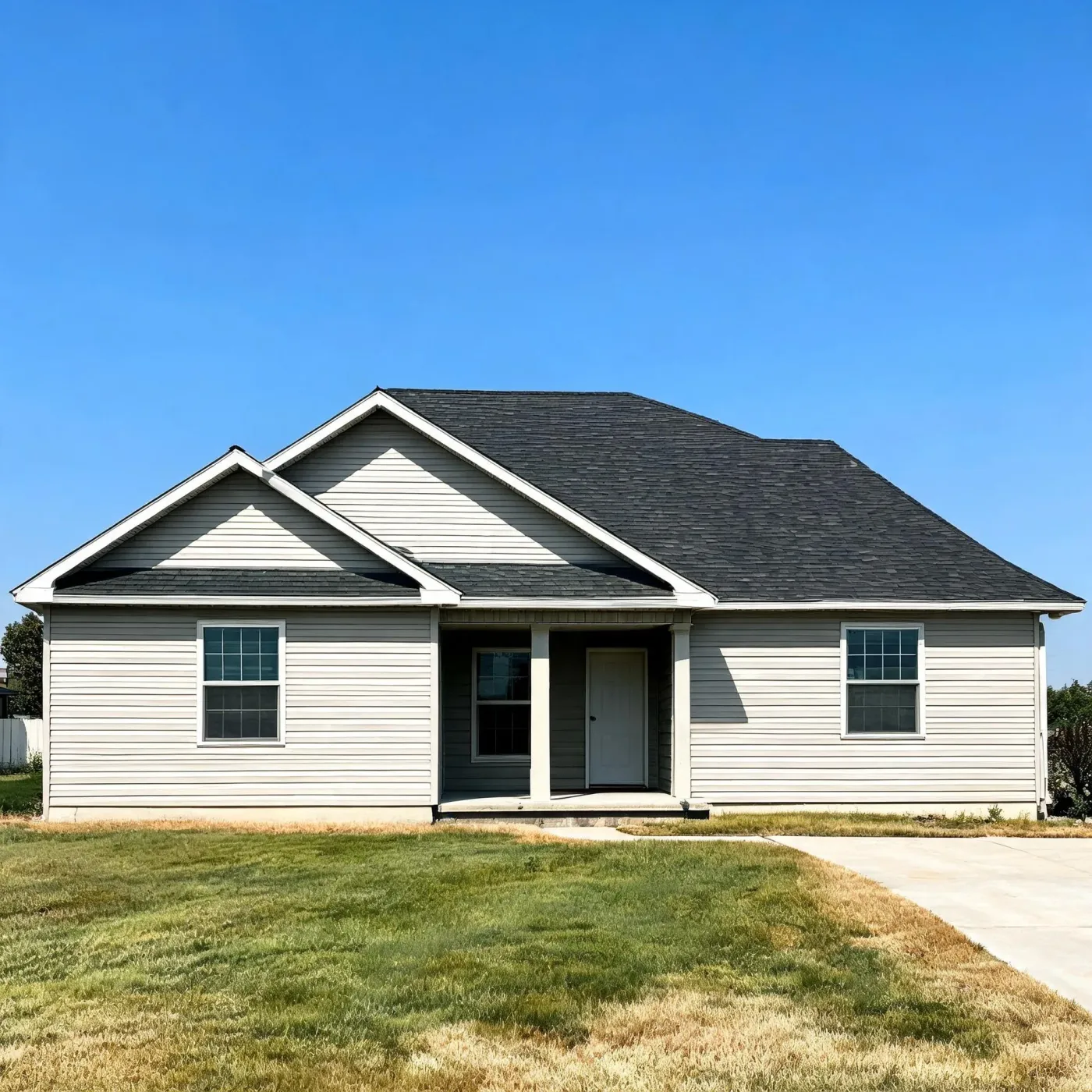
A single-story house with light beige vinyl siding, dark gray gabled shingle roof, a small covered front entry, and two windows, fronted by a patchy green and brown lawn with a concrete driveway at right under a clear blue sky.

Summer here isn't just hot, it's heavy. Dew points in Milwaukee County average 60°F across June, July and August, according to NOAA climate data, which is the point where air starts feeling thick instead of just warm. A mini split has to pull that moisture out before the room feels comfortable, and that extra work is what pushes a struggling unit into a fault light faster. If yours is blinking on a muggy afternoon, that load is part of why. A local contractor who services these units every summer has seen how Milwaukee's humidity wears on them and knows which fault codes show up most once the air turns sticky.

NASA POWER T2MDEW

No calling every shop in Milwaukee County

A licensed pro who repairs mini splits in Milwaukee County gets your request.

You only hire the pro if you want to.

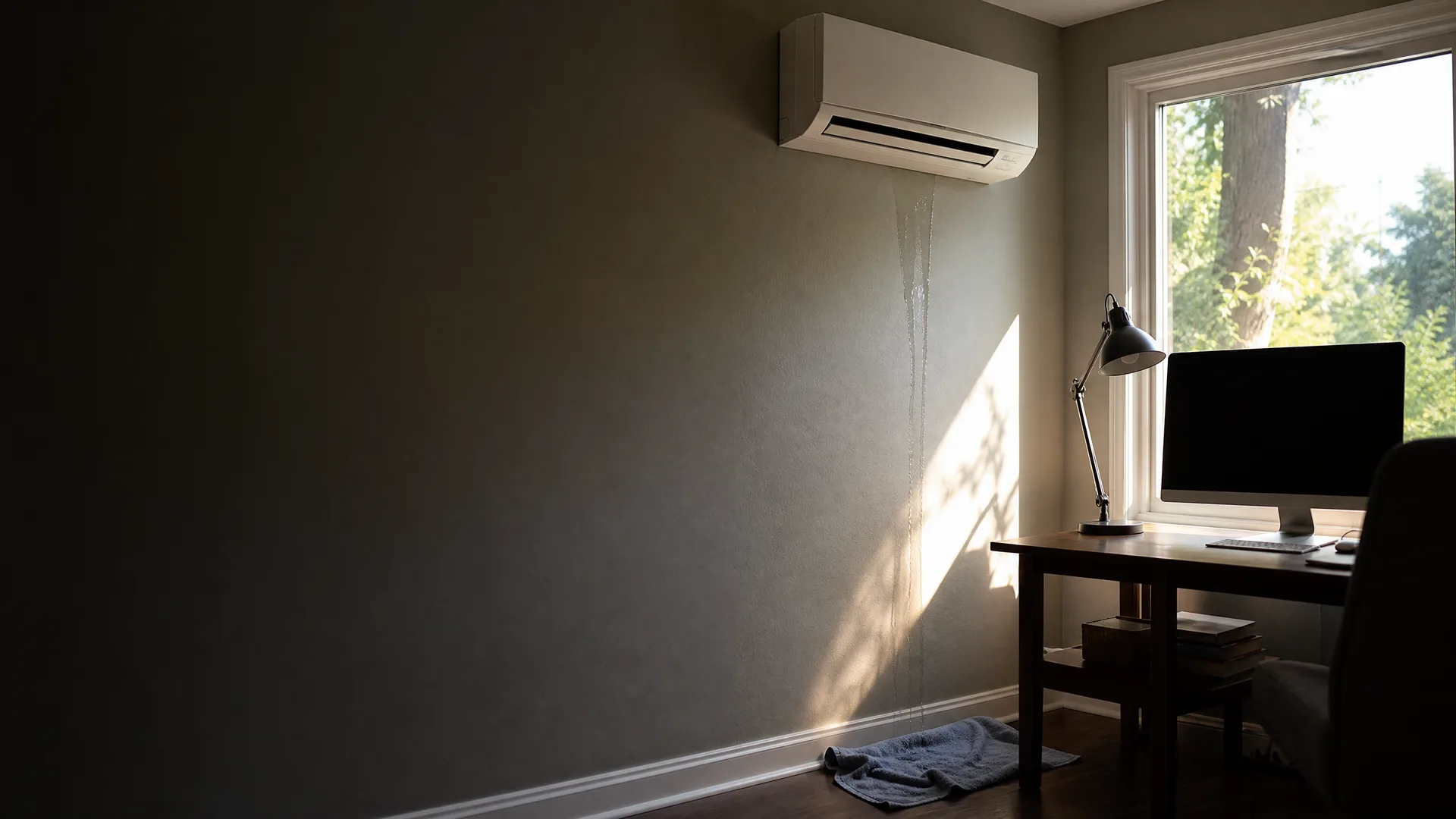
A wall-mounted mini-split air conditioner leaking water down a dim gray wall onto a towel on the floor, beside a window with a desk, lamp and monitor.

You're at the desk in the office around two in the afternoon, trying to get through a report before it's due, and the heat outside has the mini split working the whole time. You notice the wall under the indoor unit looks dark, a streak running down from the bottom edge toward the baseboard. The floor near it is wet enough that you've already put a towel down. The light on the panel is still blinking, same as it was this morning. The air coming out doesn't feel as cold as it should for a day this sticky, and the room's warmer than the number you set it to.


Call for Repair or Wait It Out

Call now

  • A blinking light with a frozen coil or a tripped breaker means the unit stops cooling or heating until someone clears the fault.
  • A Milwaukee winter doesn't pause for a repair call, so a mini split stuck on heat mode needs a tech out before the next cold snap.
  • An electrician or HVAC contractor who works on these units every season recognizes most blink codes on sight and knows which ones wait and which don't.
  • One contractor means one visit, one diagnosis, and no explaining the blink pattern to a second or third company while you compare quotes.
  • A local contractor already knows which units are common in this area and keeps the parts or know-how for them on hand.

Wait and watch

  • A defrost cycle blink during a cold stretch clears on its own once the coil thaws, usually within the hour.
  • A blink that stops after you reset the unit's breaker may have been a one-time power blip, not a failing part.
  • Watching the pattern over a day tells you if it's constant or occasional, which matters more than the blink itself.
  • If the room still reaches the temperature you set and air still moves from the vents, the fault may not be urgent yet.
  • Waiting through a Milwaukee winter on a system that's already struggling risks a full breakdown on the coldest week of the year.
A white wall-mounted mini-split air conditioner installed high on a beige interior wall below crown molding, with a sheer white curtain on a dark rod at the left edge.

Running clean

The indoor unit sits near the ceiling with the light steady, not blinking. Air comes out of the vents at the temperature you set, and the casing stays close to the color it was when it was installed. Nothing on the panel is asking for attention.

A dusty white wall-mounted mini-split air conditioner unit installed near the ceiling on a plain light-colored interior wall, with a small recessed ceiling fixture at upper left.

Grime and a flashing light

Dust and grime have built up across the casing, and the light keeps flashing a pattern. That combination often means airflow is restricted enough to trip a fault, not just a dirty filter. A tech can read the blink count against the code list and find out which part is behind it.

A closed laptop and a stoneware mug on a wooden table, with a kitchen counter, wood cabinets, white tile backsplash, potted plants and a window behind.

A blinking light means the mini split is telling you something specific

A blinking light on your mini split is a code, not a guess. Somewhere on that indoor unit or in the manual is a key that turns the blinks into an actual fault, a frozen coil, a drainage problem, a sensor that's failed. The pattern you're seeing right now already points to one of those. What it doesn't do is fix itself, especially with a Milwaukee winter asking the system to run for months at a stretch.

Finding someone who works on mini splits and knows Milwaukee County's weather patterns usually means a string of calls, explaining the blink pattern over and over, then waiting on quotes to compare. A contractor who's licensed, local, and sees this brand of unit every season can usually place the fault from the pattern alone before ever touching the panel. That's one call instead of several, and someone who already knows what's likely wrong before they walk in.

Interior corner of a room with a dark upholstered sofa and textured cushion, a potted plant, sheer curtains at a multi-pane window showing blurred green and yellow trees, and a dark table holding a wooden tray with stacked coasters and a small ceramic vase.
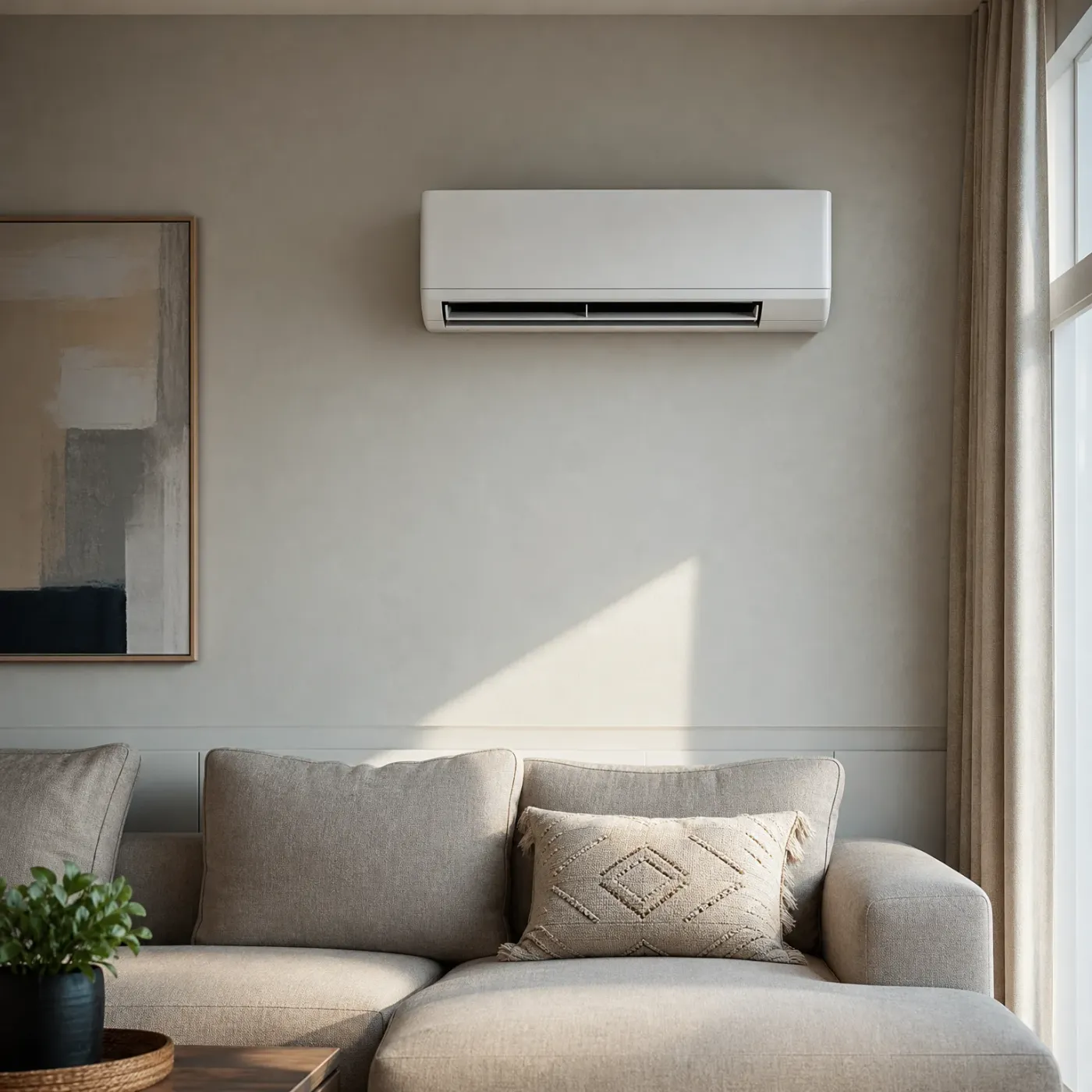
A white wall-mounted mini-split indoor unit on a light gray wall above a beige sectional sofa with a patterned cushion, beside a framed abstract artwork and a curtained window.

One form, no calling around

Start one form

A licensed pro who works in Milwaukee County gets your request.

Asking costs nothing, and the choice to hire stays yours.