Running clean
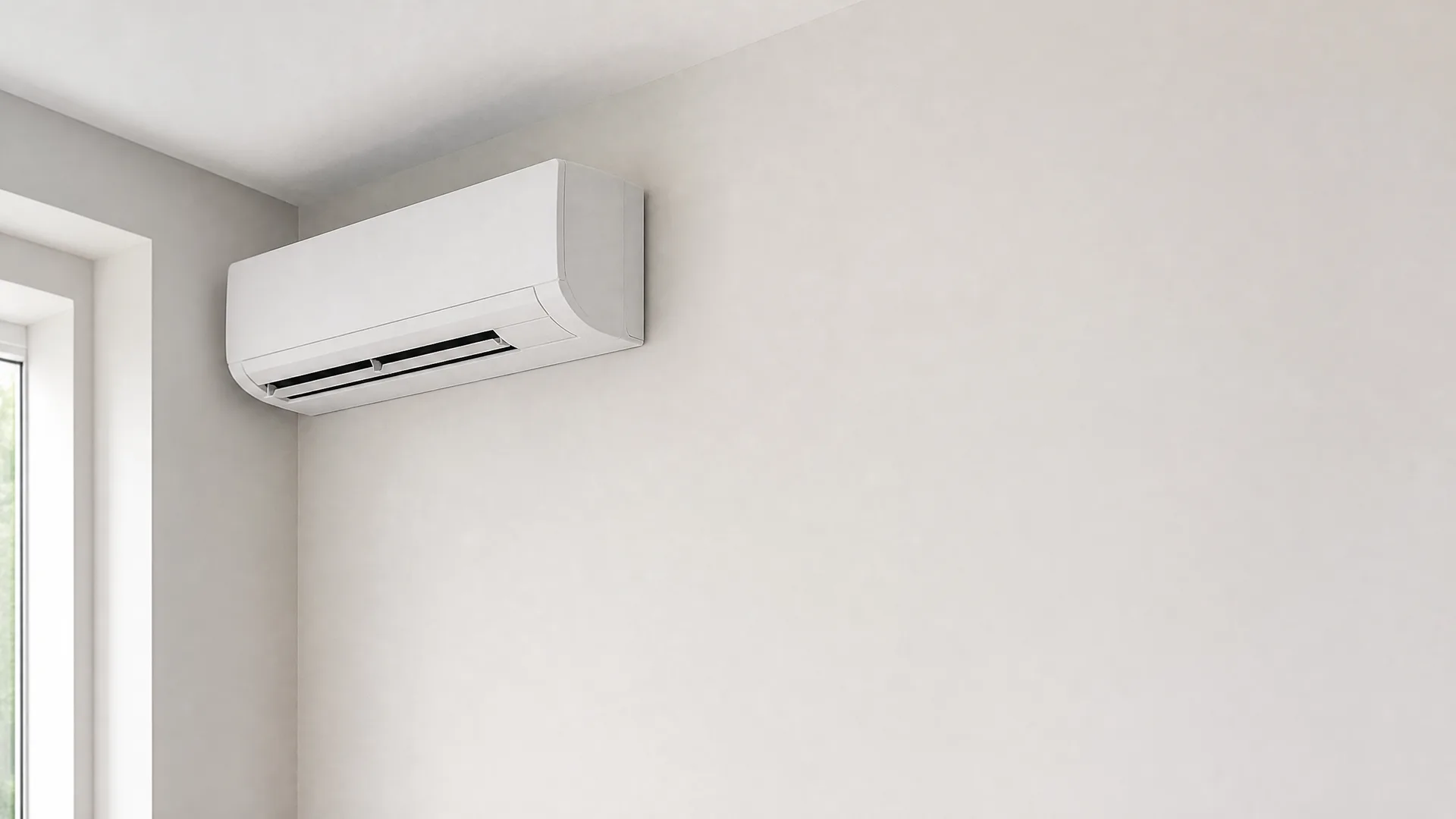
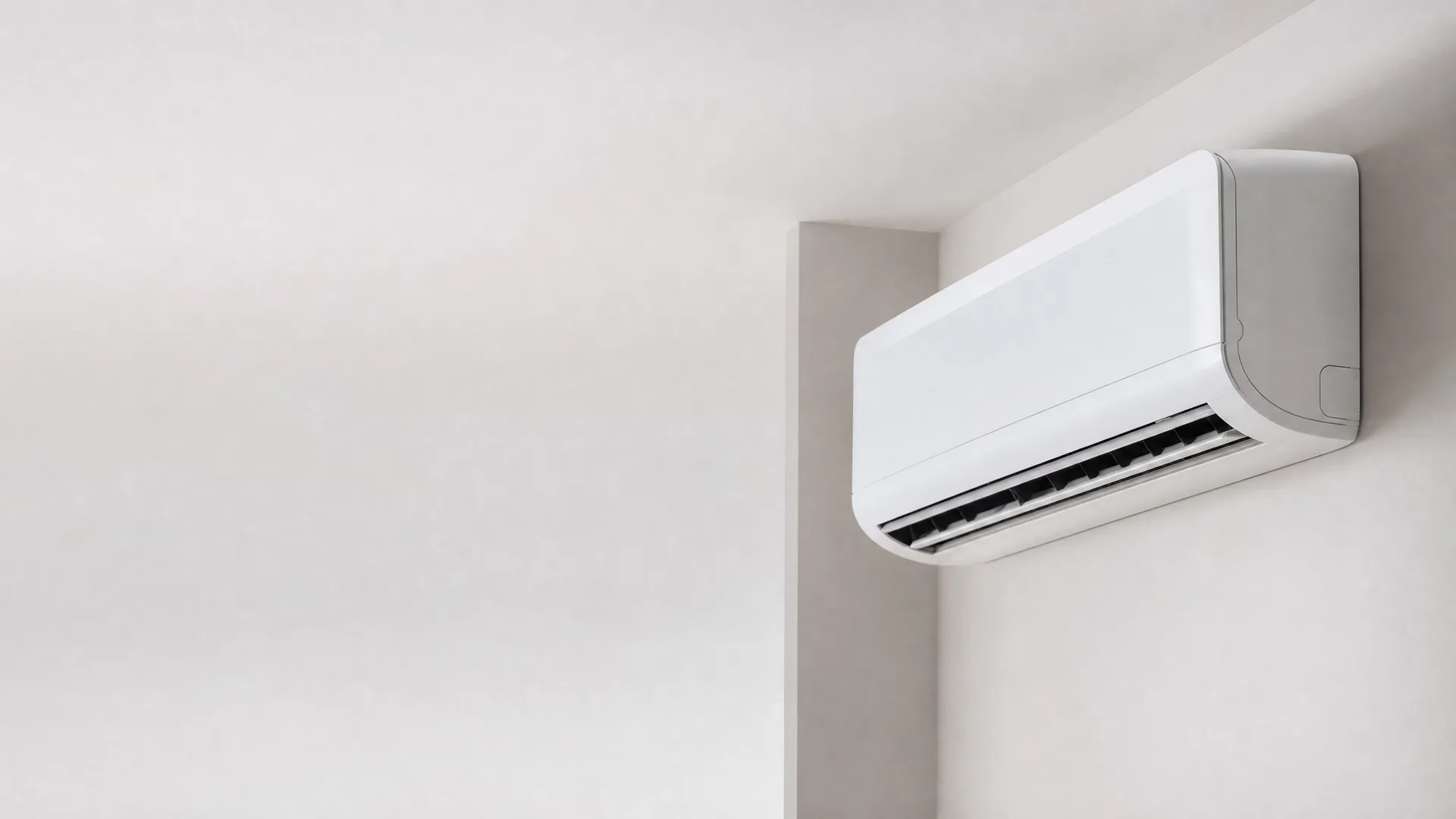
This is what a mini split looks like when the filter and coil are clear. Air moves through the grille without resistance, and the unit cools the room without having to strain to do it.

A mini split in Wisconsin needs its filters cleaned every two to four weeks when it's running, whether that's cooling in a sticky July or heating through a cold snap. Dust and pet hair build up fast on those filters, and a clogged one makes the unit work harder to push air through, which costs you more since power here isn't cheap. Beyond the filters, the indoor coil and the outdoor unit need a fuller cleaning once or twice a year. Wisconsin winters mean the outdoor unit sits through snow, ice and freezing rain, and that unit needs to stay clear so it can still pull heat from the outside air. If you run the mini split as a backup to a gas furnace, it still needs that seasonal check before you switch over to it, since a unit that sat idle for months can collect dust in places you can't see from outside the cabinet.


The filter is the part you can reach, but it's not the only part that gets dirty. Behind it, the coil has thin aluminum fins that trap dust the filter missed, and those need a rinse once a season. Inside the unit, a blower wheel pushes the air out, and lint winds around its blades where you'd never spot it. Outside, the compressor draws air through its own coil, and in Wisconsin that means grass clippings in June and cottonwood fluff by July packed into the fins. Cooling also means condensation, and that water runs down a drain line that can grow algae and back up into the pan if nobody checks it. A contractor doing full service will test refrigerant pressure as well, since a unit running low won't heat or cool like it used to. And through winter, keep snow and anything else from piling against the outdoor unit. It needs open air on every side to pull through that coil.






You want a straight schedule, not a range that leaves you guessing. With Wisconsin summers getting sticky and the unit running on and off through a cold winter too, you're wondering what actually needs attention beyond wiping the filter, and how often someone would really check the parts you can't see from the front.
Filters take the brunt of it, so they need checking every two to four weeks whenever the unit is running. The coil and blower wheel behind that filter work on a slower schedule. Once a season, usually before summer humidity sets in or before the heat gets used hard in winter, those parts are worth a real look, not just a glance. A contractor who services mini splits regularly can tell you if yours needs that deeper cleaning sooner, since a unit running most months of the year in Wisconsin picks up buildup faster than one used only a few weeks. Matching the filter habit with an annual check on the coil and blower keeps the whole system working the way it's supposed to.

Summer air here holds a lot of water. Averaged across Wisconsin homes, the dew point runs 60°F through June, July and August, according to NOAA climate data. That's heavy enough to feel sticky the moment you step outside. Your mini split is pulling that moisture out of the air along with the heat, and a dirty coil or filter can't shed it the way a clean one can. You'll notice it as a room that stays damp even with the unit running, or a coil that stays wet and grows mold between cleanings. A contractor who knows what Wisconsin summers do to these units can get you on a cleaning schedule built for your home, so you're not stuck calling around and explaining the problem from scratch.
NASA POWER T2MDEW county cells weighted by homes
You can handle the filters yourself every few weeks, but the coil and blower wheel are a different job, and most homeowners don't own a coil comb or want to pull the blower housing apart twice a year. With gas heat covering winter here, your mini split's main work is the sticky stretch from June through August, and that's exactly when a dirty coil costs you the most, since power in Wisconsin isn't cheap and a strained unit burns more of it for less cooling. Finding someone who services mini splits specifically, not just furnaces or central air, usually means a few calls and a few different quotes to sort through before you even get someone scheduled. That's the part worth handing off. Tell this page what you're dealing with once, and a contractor who works on these units reaches out to you directly, before the humid months put real strain on a coil that hasn't been touched.
A mini split moves refrigerant between the indoor head and the outdoor unit, carrying heat in during winter and pulling it out during summer. Low refrigerant doesn't show up as a leak on the floor. It shows up as a unit that runs longer to hit the same temperature, which pushes your electric bill up before you ever notice weaker airflow. Wisconsin's cold stretch and muggy stretch both ask more of that refrigerant cycle than a mild day does.
The outdoor unit has its own coil and a fan that has to pull air through it in January snow and July haze alike. Snow, ice, leaves and grass clippings block that airflow the same way a dirty filter blocks the indoor side. A contractor checking the system looks at both ends, not just the part you can reach from your living room, because a clean indoor coil paired with a blocked outdoor one still runs hard.
A musty smell when the unit kicks on usually means moisture sitting on a dirty coil or in the drain pan, and in a Wisconsin summer that moisture doesn't dry out between cycles. You might also notice the airflow feels weaker than it used to, or the room takes longer to cool down than it did last July. Some homeowners hear a rattle or a faint whistle from the indoor head, which points to the blower wheel rather than the filter. Left alone, mold can build in the coil and pan, and that's what you're smelling. It won't damage the unit right away, but it keeps circulating through the air in the room.


At 18.08 cents a kilowatt-hour, a mini split losing efficiency to a dirty coil or blower wheel costs more every time it runs. A clean unit holds its output and keeps your bill from creeping up through a sticky July or a January cold snap.
EIA-861 2025 statewide residential average

This is what a mini split looks like when the filter and coil are clear. Air moves through the grille without resistance, and the unit cools the room without having to strain to do it.

Dust has packed into the vents and the lower grille here. Air has to force its way through that buildup, and the unit works longer to move the same amount of air.
Air pulls through the filter before it ever reaches the coil.
Dust that passes the filter settles on the coil fins.
A dirty coil forces the blower wheel to work harder.
Lint builds on the blower blades and throws them off balance.

That's the schedule. Filters every two to four weeks while the unit's running, a coil and blower wheel cleaning once a season, more often if the unit runs most of the year. Skip it and you're paying for it twice, once in a bill that creeps up and again whenever the part that's been straining finally gives out.
Finding someone to do the coil and blower work is its own chore, calling a few places, explaining the unit, waiting to hear back, trying to line up quotes against each other. You can skip that part. Tell us about your mini split and a contractor who works on these units in your area will reach out to you directly.


You're not committing to anything by asking.
You already know the filter schedule. Getting someone out for the coil and blower wheel is the part that eats your weekend, calling around and explaining the same thing twice. Send the request once and a contractor who covers your area gets back to you.