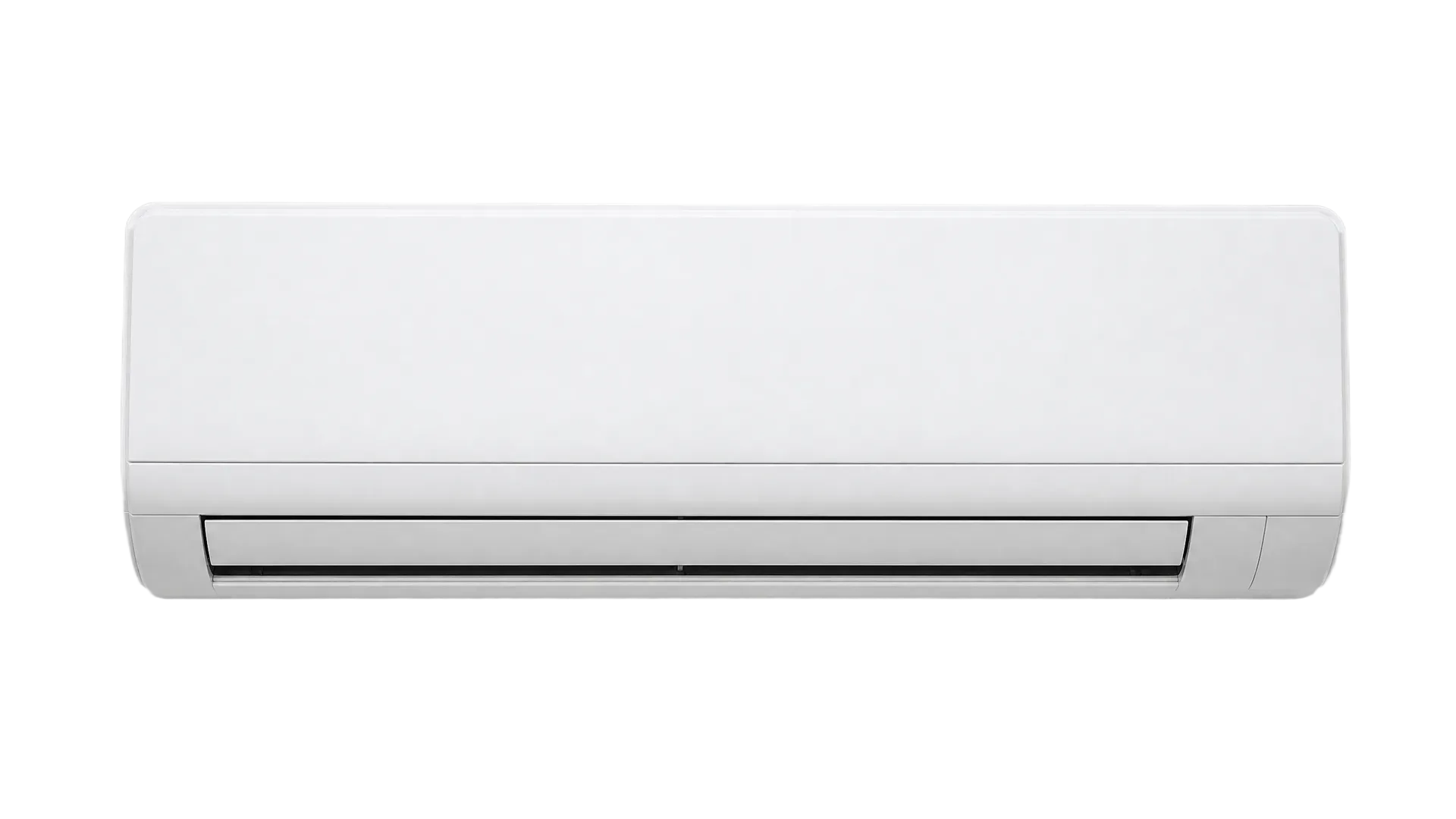
A mini split in Janesville needs its filters cleaned about every two to four weeks during the months you run it hardest, and a full cleaning from a contractor once a year, usually in spring before the humid months set in. The filters catch dust and pet hair, and when they clog, the unit pulls in less air and has to work harder to cool or heat the room. That shows up as higher power bills, since electricity here isn't cheap, and it shortens how long the system lasts. Winters here are hard on a heat pump too, and the outdoor coil needs to stay clear of ice and debris so it keeps pulling heat out of cold air. If you run the mini split year-round, lean toward the more frequent end of cleaning. If it only runs through the sticky summer stretch, a thorough cleaning before you start it up each year covers most of what it needs.


What does your mini split actually deal with here
Cooling runs June through August
Cooling runs June through August, so your mini split works hard for three months, then sits mostly idle the rest of the year.
Heat runs October through May
Heat runs October through May. That's eight months of the year your mini split is pulling the load, far more than it cools.
Power here costs 18.01 cents per kilowatt-hour
Power here costs 18.01 cents per kilowatt-hour. A dirty coil or clogged filter makes the system run longer to do the same job, and you pay for that.
NOAA nClimDiv 1991-2020 · EIA-861 2025






Pull the filter out and you're looking at the evaporator coil. It stays wet while the unit runs, which is exactly why dust that slips past the filter doesn't just sit there, it sticks. Behind that coil is the blower wheel, the part actually pushing air through your room. Dust builds up unevenly on its fins, so it throws the wheel off balance and makes the motor work harder for the same airflow. Below the coil, a drain line carries off the water the coil pulls out of the humid air. Let that line clog and the water backs up inside the wall unit instead of draining outside. Outside, the condenser coil has its own job, shedding heat into the air, and a summer's worth of pollen and grass clippings packed into its fins slows that down. A contractor doing a real cleaning opens the housing to get at the blower wheel and coil directly, and checks the line set and connections while it's already apart.
Inside the unit, step by step
- Behind the filter sits the evaporator coil, and dust that gets past the filter sticks to it because the coil stays wet with condensation.
- A blower wheel pushes air across that coil, and dust buildup on the wheel's fins throws it off balance and makes it work harder to move the same air.
- The condensate drain line carries off the water the coil pulls from the air, and a clogged one backs up and drips inside the wall unit.
- Outside, the condenser coil has to shed heat into the air, and a season of pollen and grass clippings packed into its fins slows that down.
- A contractor doing a full cleaning pulls the housing apart to wash the blower wheel and coil directly, not just wipe what a homeowner can reach.
- Refrigerant lines run between the indoor and outdoor units, and a tech checks the line set and connections while the housing is already open.


Skip the search

A licensed local pro takes the request for your mini split tune-up.
Asking costs nothing, and the choice to hire stays yours.
What Regular Cleaning Gets You
- Clean the filters every two to four weeks in season and get a full cleaning once a year, usually in spring.
- Rock County runs its mini splits hard, three months of summer cooling and eight months of heat, with barely a break between.
- Skip the cleaning and the coil and blower wheel foul up, so the unit runs longer and still leaves the room short of comfortable.
- A local contractor who services mini splits all year in this area knows which parts tend to foul first in Janesville's climate.
- One contractor handles the job start to finish, so you aren't fielding calls from several companies for the same cleaning.
- A unit that's cleaned on schedule keeps pulling in summer's humid air and winter's cold air without working harder than it has to.
Filters every two to four weeks when the unit is running hardest, a full cleaning once a year in spring. That's the schedule, and it holds whether your mini split handles one room or your whole house. Rock County doesn't give the equipment much rest. Three months of summer cooling, eight months of heat, and barely a gap between them where the unit sits idle. Skip the cleaning and the coil loads up, the blower wheel goes out of balance, and the system runs longer to do less. Keep to the schedule and it keeps pulling in July's humid air and January's cold air the way it's built to, without the extra strain.
Finding someone to handle this is usually its own chore. You'd normally be searching for a contractor who actually works on mini splits, calling a few, explaining the same thing twice, then weighing quotes that don't quite match up. A contractor local to Janesville who services these units through every season already knows what tends to foul first here, whether that's the coil from summer humidity or the blower wheel from a long heating stretch. You're matched with one contractor for this job, not several, so it's one call and one visit to arrange, not a round of them.
Clean on schedule, and the mini split does its job without drawing attention to itself. That's the whole point of the maintenance.

Mini Split Maintenance
Explain it one time

- Your mini split tune-up request goes to a pro who covers Rock County.
- Get matched with a pro who does mini split tune-ups in Rock County.

- Send the form, and lining up the mini split tune-up stops being yours to chase.
- Send the form and the mini split tune-up stops being something to remember.

- Answer a few questions instead of calling shop after shop.
- Describe your mini split job once, to one pro.

- The pro who gets in touch is licensed in Wisconsin and works in Rock County.
- Your request stays with one local pro.