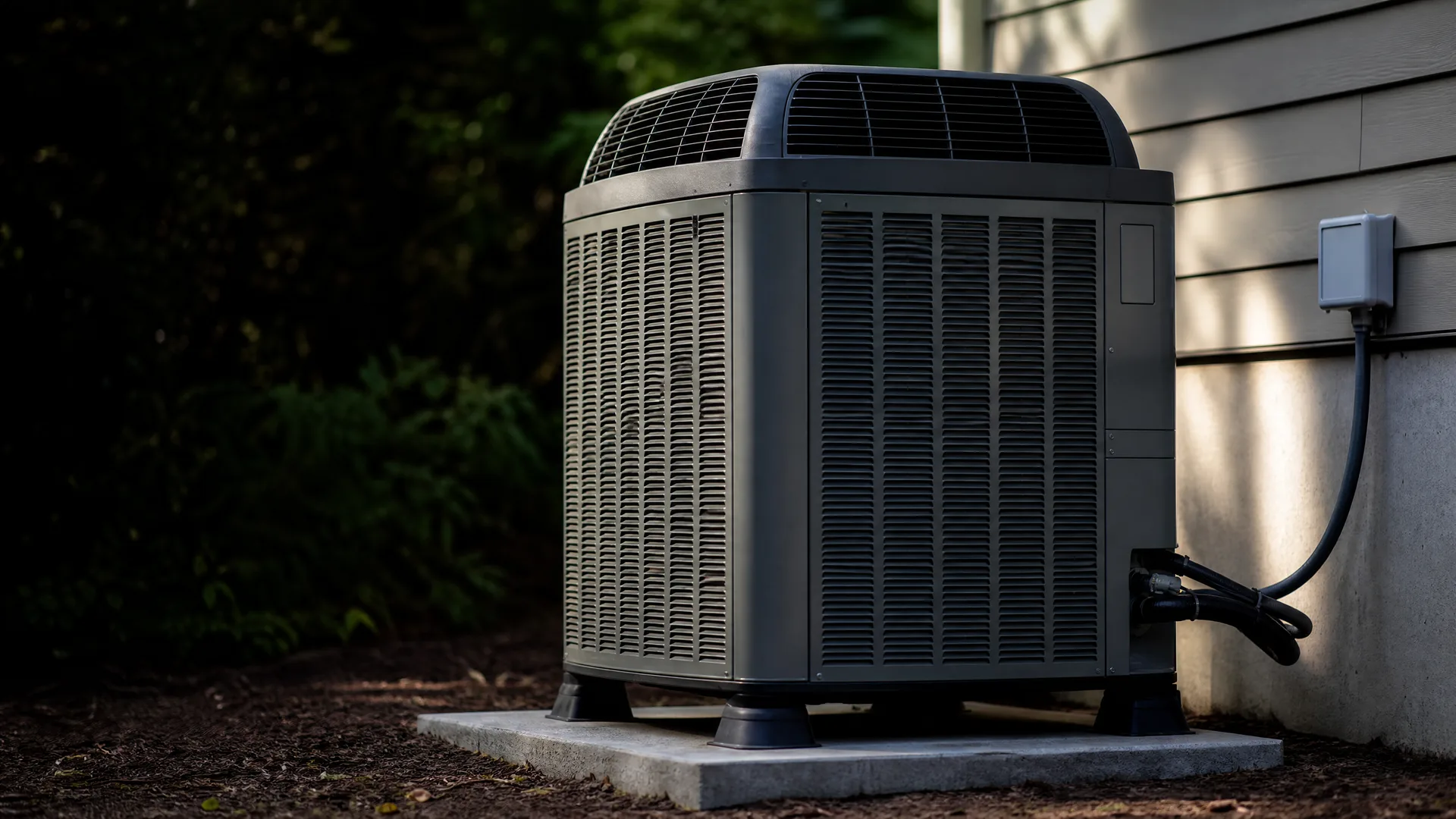









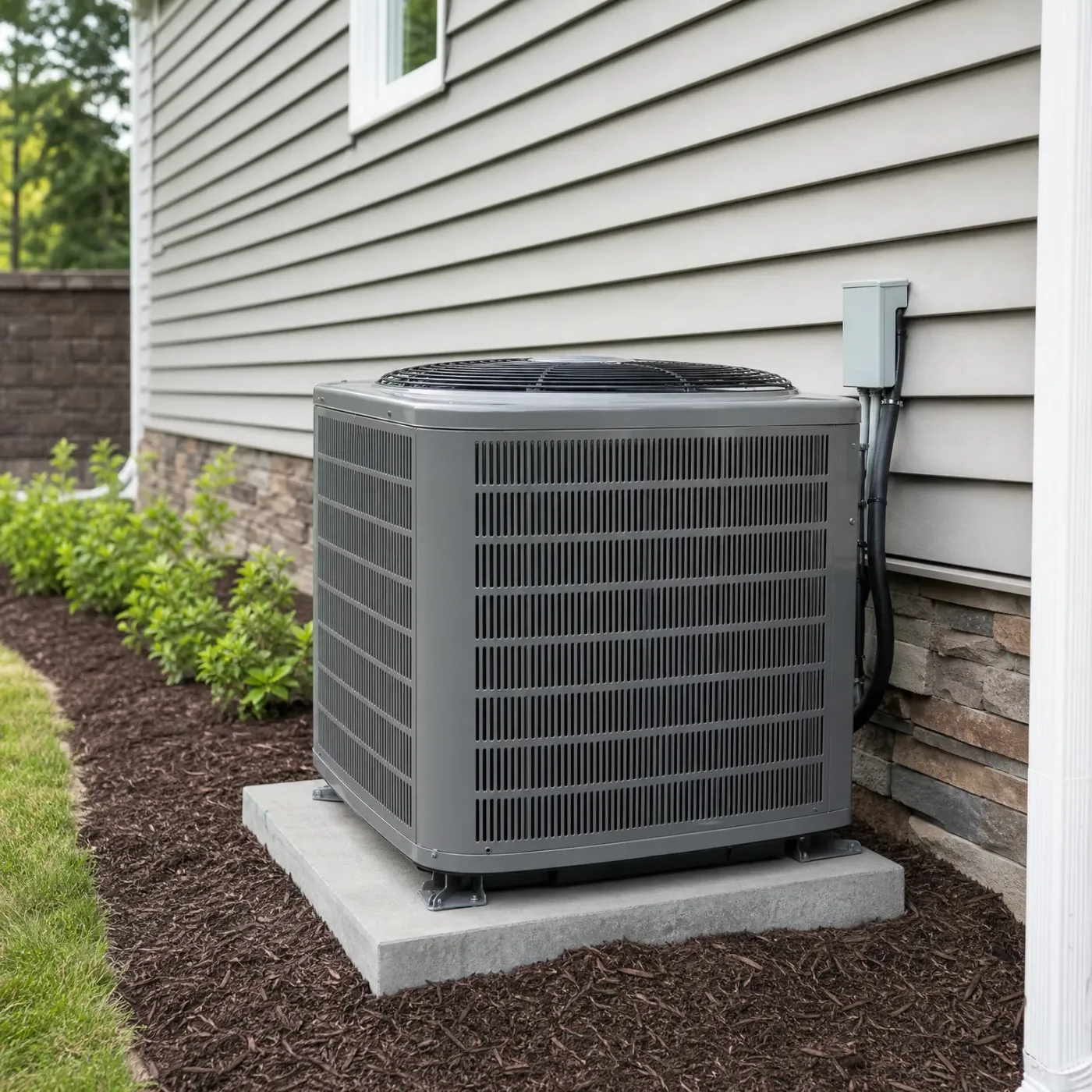

Heat pump frozen over in Wausau, WI

Find my pro

A heat pump caked in ice outside your Wausau home means something is wrong, not just that it's winter. These units go through normal defrost cycles even in hard cold, so a coil that stays frozen is telling you it can't keep up or can't shut off right. Left alone, it can leave you without heat when you need it most, and Marathon County winters don't give you much room for that. Finding someone who works on heat pumps specifically, who can get out to you soon, and who won't just guess at the problem usually means a string of calls, voicemails, and repeating yourself to each one. This page skips that part. Tell it what's going on and you'll be matched with a contractor who handles heat pump repair in this area and reaches out to you directly. No sorting through listings, no calling around to see who's free. Just a straight line from your frozen unit to someone who can look at it.

A frozen heat pump in Wausau usually means the defrost cycle isn't working, not that the weather is too much for it. Every heat pump builds frost in cold weather and melts it off automatically every so often. If yours is caked in ice and staying that way, something is stopping that cycle: a bad defrost control board, a stuck reversing valve, a sensor that isn't reading the coil temperature right, or a fan that's slowed down and letting frost build faster than it can clear. It can also mean the system is low on refrigerant, which drops the coil temperature enough that ice forms faster than normal defrost can keep up with. Either way, running it like this stresses the compressor, and that's the expensive part to replace. Once you see ice that doesn't melt off within an hour or two, it needs a contractor to look at it, not another cycle through the thermostat.

Why does your heat pump freeze up instead of just working through the cold?

  • Winter nights average 9°F

    Nights here average 9°F in December, January and February, cold enough that your heat pump has to run defrost cycles often to keep the coil clear.

  • Heat runs September through May

    Heat runs September through May in Marathon County, so a heat pump that can't defrost right puts you without heat most of the year, not just a few weeks.

  • Cooling runs July through August

    Cooling only runs July through August here, so the same unit spends far more time in heating mode, where frost and defrost problems actually show up.

NOAA nClimDiv 1991-2020

How Defrost Is Supposed to Work

  • A reversing valve switches the unit into cooling mode for a few minutes so the outdoor coil can melt the frost off it.
  • A sensor on the outdoor coil tells the control board when it's cold enough to need defrost and warm enough to stop.
  • During defrost the outdoor fan shuts off so the coil heats up instead of blowing cold air across itself.
  • The indoor unit runs electric heat strips or borrows heat from the furnace during defrost so you don't feel a cold blast indoors.
  • A stuck fan, a failed coil sensor, or a bad control board can keep the cycle from ever starting or from ever ending.
  • If the unit melts the ice once and freezes right back over, that points to low refrigerant rather than a defrost problem.

Your heat pump handles frost with a cycle that runs on its own, no thermostat setting involved. The control board tracks the temperature of the outdoor coil through a sensor mounted right on it. When that sensor reads cold enough, the board reverses the system for a few minutes, the same reversing valve that switches you between heat and cooling in warmer months. That sends hot refrigerant through the outdoor coil instead of the indoor one, and the ice melts off. The outdoor fan shuts off during this, because blowing winter air across a coil that's trying to heat up would work against the whole point. Inside, you shouldn't feel any of this happening. The system either kicks on electric heat strips or draws off the furnace for a few minutes so the air coming out of your vents doesn't go cold while the outdoor unit is mid-cycle. Once the coil sensor reads warm enough, the board reverses everything back and the fan kicks back on. Any piece in that chain can fail on its own. A fan that won't restart, a sensor that reads wrong, a board that never gets the signal to start or stop, any of these leaves the coil to just keep building ice with nothing to clear it. If the ice comes back right after it melts, that's a different problem, one with the refrigerant charge rather than the defrost controls.

A smiling woman with long dark hair in a gray sweater sits behind a white countertop holding a glass of red wine, with a dimly lit living room and dark kitchen island in the background.
A woman in a beige knit sweater with her hair up laughs while looking to the side, seated in a dimly lit living area with a sofa, windows and a kitchen counter behind her, a glass of red wine in the lower right foreground.
A woman in a black sweater laughs while seated at a light stone counter with a glass of red wine, in a dimly lit living and dining room with bookshelves, a table lamp and framed artwork behind her.
A smiling woman with long dark hair in a beige sweater sits at a granite counter with a glass of red wine, with a living room, fireplace and dining area behind her.

A heat pump iced over doesn't just sit there doing nothing. It keeps drawing power through the backup strip while producing little or no heat, so your bill climbs on the exact nights you need the system most. Outside, the ice doesn't stay put either. A sheet building around the base can reach the fan blade or stress the cabinet if it's left through several more nights in the single digits. Inside the unit, the compressor is still trying to run against coils packed in solid ice, and that kind of strain is how a stuck defrost cycle turns into a failed compressor. Frost on the refrigerant lines themselves points to a charge or airflow problem, not just cold weather, and running the system in that state wears down parts that aren't cheap to replace. The longer it goes on, the more your home leans on gas backup or emergency heat to stay warm, which is a sign the heat pump has stopped doing its job.

What a Frozen Unit Costs You

  • A heat pump that stays frozen keeps running the backup heat strip, and in Marathon County that strip is pulling expensive electricity the whole time.
  • Ice around the base of the unit can grow into a sheet that locks the fan blade or cracks the housing if it sits through several more nights near 9°F.
  • If the unit can't finish a defrost cycle, your home loses heat output right as outdoor temperatures make that heat hardest to replace.
  • A frozen coil forces the compressor to work against solid ice, and that strain is what turns a defrost problem into a compressor replacement.
  • Refrigerant lines coated in ice are a sign the charge or airflow is off, and running the system this way wears parts that are costly to replace.
  • The longer a frozen outdoor unit runs untreated through a Wausau winter, the more likely gas backup or emergency heat becomes your only reliable source of warmth.
A gray outdoor air conditioner or heat pump unit on a concrete pad beside a house with horizontal lap siding, with conduit and refrigerant lines running up the wall and green shrubs and mulch at left.
A heat pump like this runs its defrost cycle on schedule, melts what frost builds up, and goes right back to heating.
An outdoor air conditioning condenser unit sits on a concrete pad beside a white horizontal-siding house, with a gray electrical disconnect box and insulated refrigerant lines on the wall, mulch and green shrubs to the right, and a concrete slab in the foreground.
A heat pump like this stays iced over because the reversing valve or defrost sensor has stopped doing its job.
  1. The defrost sensor reads the outdoor coil temperature as frost builds up.

  2. The control board calls for defrost once the coil gets cold enough.

  3. The reversing valve switches the unit into cooling mode for a few minutes.

  4. The outdoor fan shuts off so heat stays on the coil to melt the ice.

A dirty outdoor air conditioner condenser unit with debris on its coil grille, sitting on a concrete pad beside a light-colored horizontal siding wall, with bare dirt ground in front and a shrub at right.
Before you get your heat pump repair
A gray outdoor condenser unit on a concrete pad beside a light-colored lap-sided house, with a wall-mounted disconnect box and conduit, dark mulch, and a green shrub to the right.
After you get your heat pump repair
A gray outdoor condenser unit on a concrete pad beside a house with horizontal siding and stone veneer, with a disconnect box and refrigerant lines on the wall, surrounded by mulch, shrubs, and lawn.

Get matched with a heat pump pro in Marathon County

Explain the heat pump problem once instead of to every shop in Marathon County.

Get matched with someone who does this kind of work in Marathon County.

Get a heat pump pro

Asking costs nothing, and the choice to hire stays yours.

What are you seeing when you walk outside

Ice covers the outdoor unit, not just a light frost on the top. You might see it climbing the sides of the cabinet or building up underneath where it's dripped and refrozen. The fan may be iced in place so it can't spin, or you'll hear it straining against the ice. Inside, the air coming from your vents feels cooler than it should, or the system runs and runs without warming the house. If this sits for days, that ice can crack the fan housing or bend the blade, and the backup heat strip keeps drawing power the whole time trying to make up the difference.

A dark gray outdoor condenser unit on a concrete pad beside a house with beige horizontal siding, with a gray electrical disconnect box and conduit on the wall, mulch beds, a hosta plant, a shrub, and mowed lawn in front.

Working the way it should

This is what a healthy heat pump looks like outside your house. The cabinet is clear, the ground around it is clean, and it sits there doing its job without drawing attention to itself. Frost comes and goes on its own through the defrost cycle, and you'd never notice.


An outdoor air conditioning or heat pump condenser unit on a concrete pad beside a house with horizontal vinyl siding, a gray electrical disconnect box and conduit on the wall, and a concrete walkway in the foreground.

Iced over and stuck

This one has been through a hard season without enough care, and it shows. Grime builds up on the coil over time and ice has a place to grab onto. Once a unit gets like this, it's not clearing frost on its own anymore, and it needs someone to look at what's stopping it.

Why is my outdoor fan not even spinning right now?

A frozen coil is one thing, but a fan that won't turn at all is what usually gets people to go outside and look closer. If yours is sitting still while the unit is caked in ice, you're probably wondering if that's part of the problem or a separate failure, and whether it's safe to just leave it alone until someone can look at it.

The fan stops on purpose during defrost, but not for this long

During a normal defrost cycle, the outdoor fan shuts off for a few minutes so the coil can warm up without cold air blowing across it. That's expected. What's not expected is the fan staying off well past that, or ice building up around the blade itself and locking it in place. If the control board never ends the defrost call, or the reversing valve stays stuck in that position, the fan has no reason to start again. A fan iced solid can also just be stuck physically, even if the board is telling it to run. Either way, a heat pump in Marathon County's winters needs that fan moving to shed frost and keep heating your house.

A smiling man with dark wavy hair and a short beard, wearing a navy crewneck sweater, sits at a candlelit dinner table with a bowl of food, wine glass and a lamp and framed art behind him.
A woman with wavy brown hair sits on a beige couch with her eyes closed and a slight smile, a knit blanket over her lap and a closed dark-covered book resting on it, with a lit lamp and plant in the dim background.
A gray outdoor condenser unit on a raised pad beside a house with horizontal lap siding, with refrigerant lines, conduit and an electrical disconnect box on the wall, and shrubs on a mulch bed to the left.

Clean and clear outside

The cabinet grille is clean, the lines and conduit run straight to the disconnect box, and the unit sits quiet on its pad. No ice anywhere on the housing or the ground around it. This is a heat pump that's cycling through defrost on its own and getting back to work.

An outdoor air conditioning condenser unit on a concrete pad beside a house with horizontal siding and a concrete foundation, with refrigerant lines running to a wall-mounted disconnect box and shrubs at left.

Grille dirty, trouble building

Dust and debris have darkened the grille, blocking the airflow the coil needs to shed heat and frost. A unit that can't breathe through a clogged grille is a step away from icing over, since the coil can't warm up enough to signal the control board that defrost worked.

Power here costs 16.66 cents per kilowatt-hour

At 16.66 cents per kilowatt-hour, every hour your heat pump leans on backup heat strips instead of finishing a normal defrost cycle shows up on your bill. A unit stuck frozen can run that backup heat for hours, not minutes, while it fights ice it can't clear on its own.

EIA-861 2025

A man seen from behind raises his hand to wave at a woman standing in the open front doorway of a single-story house with gray shingle siding, white columns and a gabled porch entry.

Ice on the unit means something stopped working

A heat pump outside your Wausau home is supposed to frost up and clear itself all winter. If it's still covered after you've watched it a few hours, the defrost cycle has stopped doing its job, whether that's a bad sensor, a reversing valve that won't switch, or a control board that never calls for defrost at all. That's a repair, not something that clears on its own with a warmer afternoon.

You don't have to figure out which part failed before you get help. A contractor matched to your situation can look at the unit, the ice pattern and the fan, and tell you what's actually wrong, rather than you spending an evening on hold or explaining the same thing to three different companies. You searched because something's off outside. The next step is getting someone out who already knows what a Marathon County winter does to these units.

A shallow dark wooden bowl and a stack of books rest on a wooden table in front of a beige sofa with linen and green cushions, with a tall ceramic vase of thin branches beside a window in the background.
An outdoor air conditioning or heat pump condenser unit on a concrete pad beside a house with horizontal siding, with a wall-mounted disconnect box and refrigerant lines, and dark shrubs to the left.

Find a heat pump repair pro in Marathon County

RepairHeat PumpMarathon County, WI
Step 1 of 2

What ZIP code is the job in?